L’une chante, l’autre pas

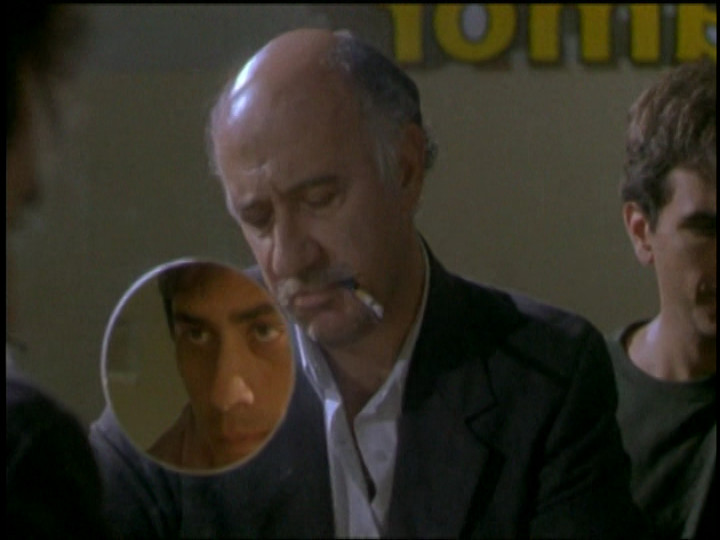
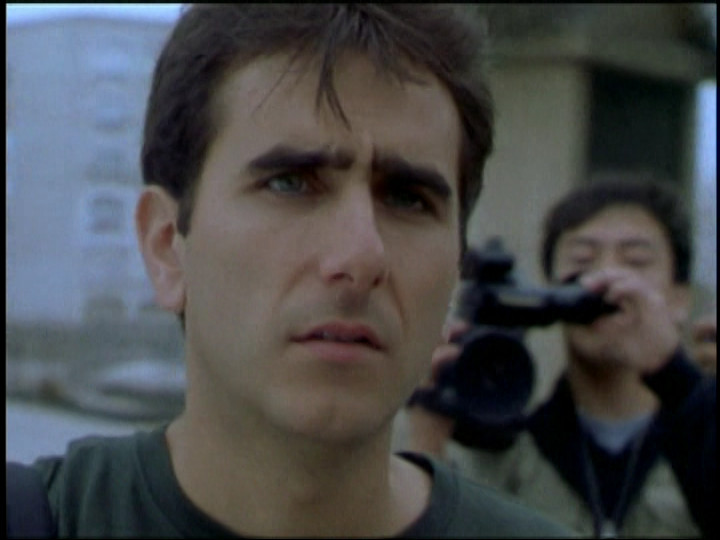
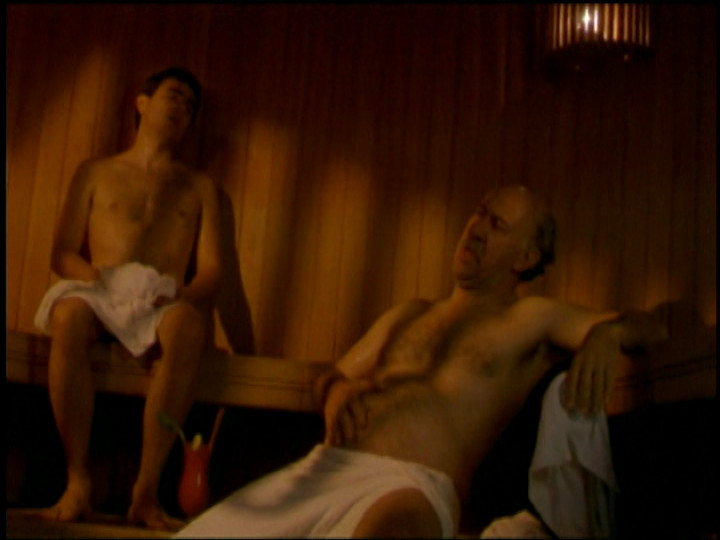
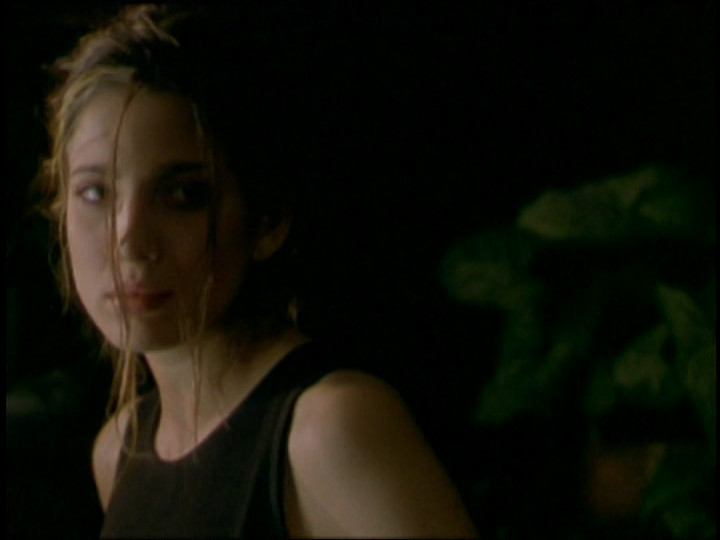
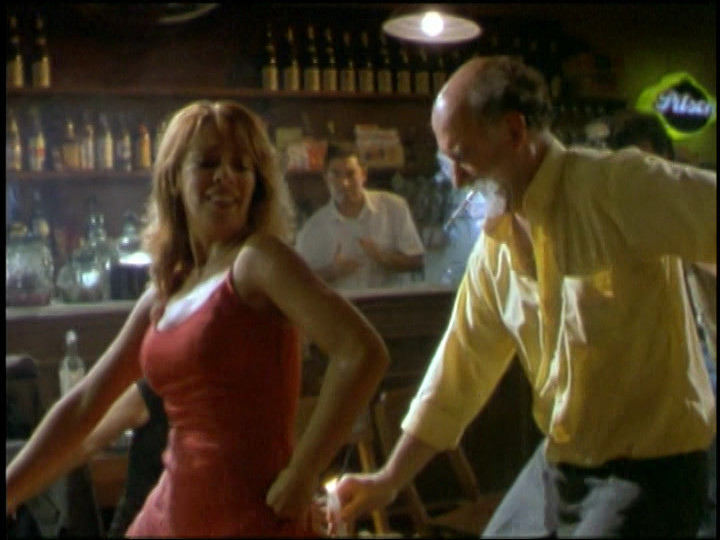
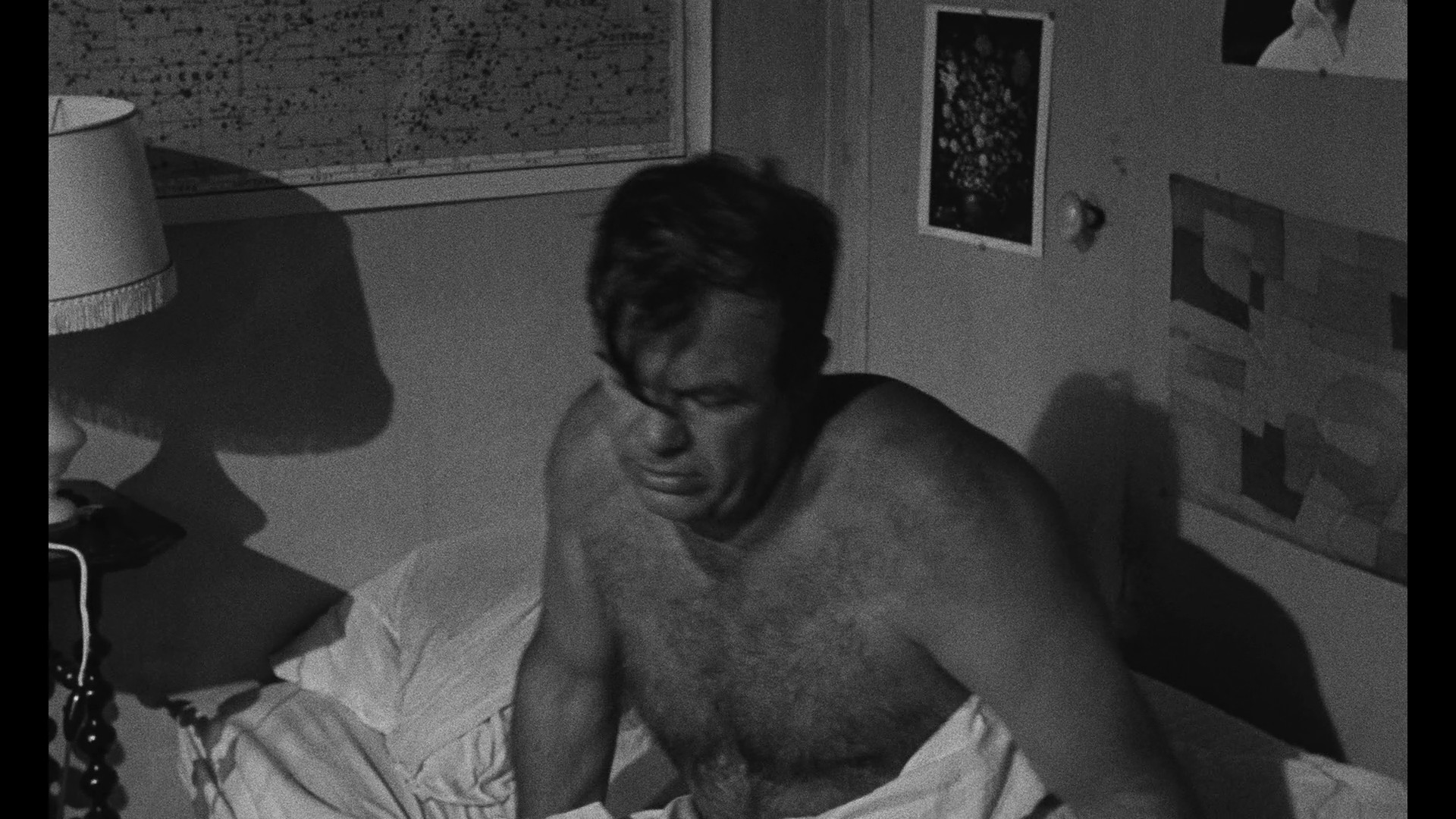
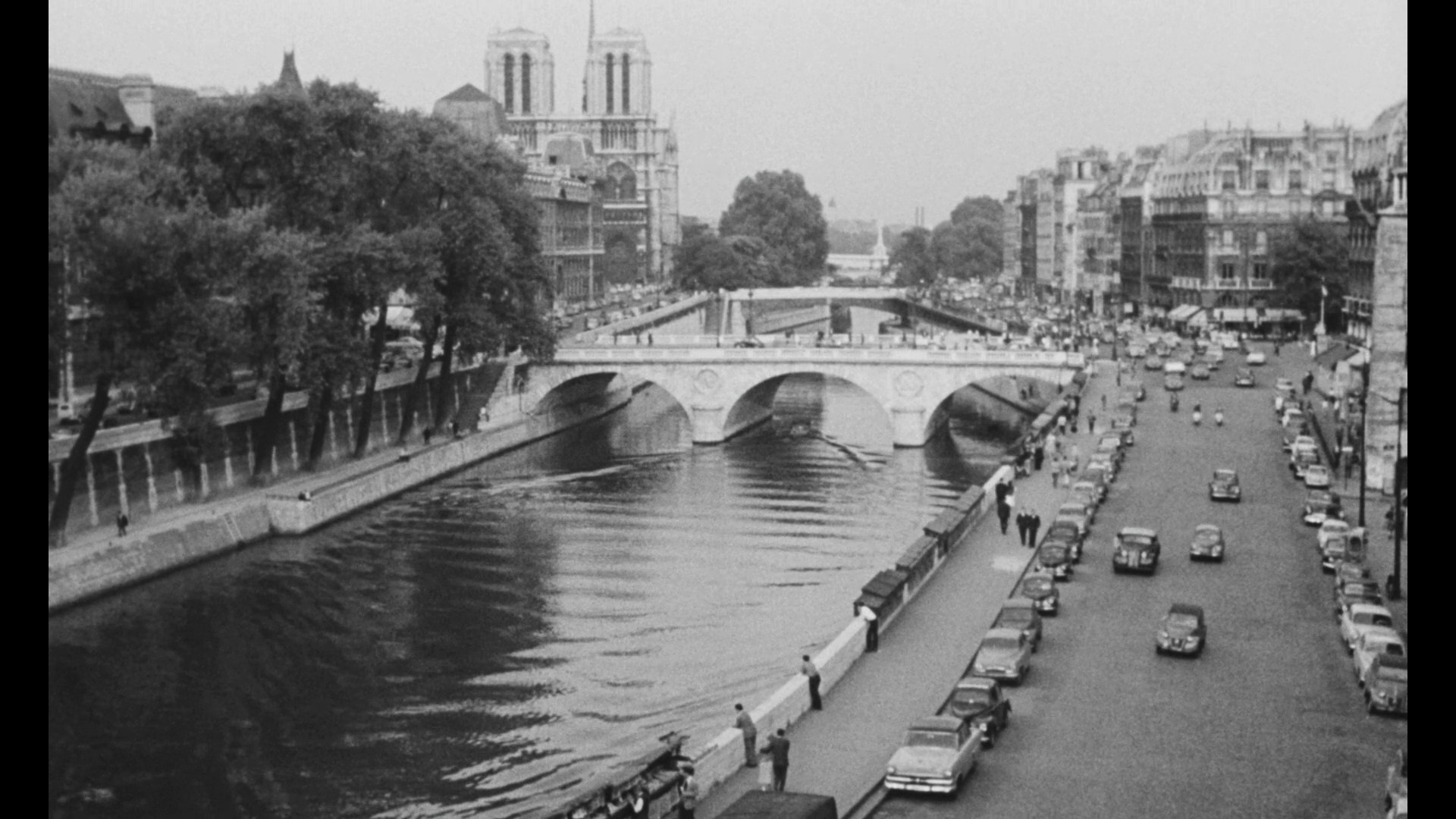
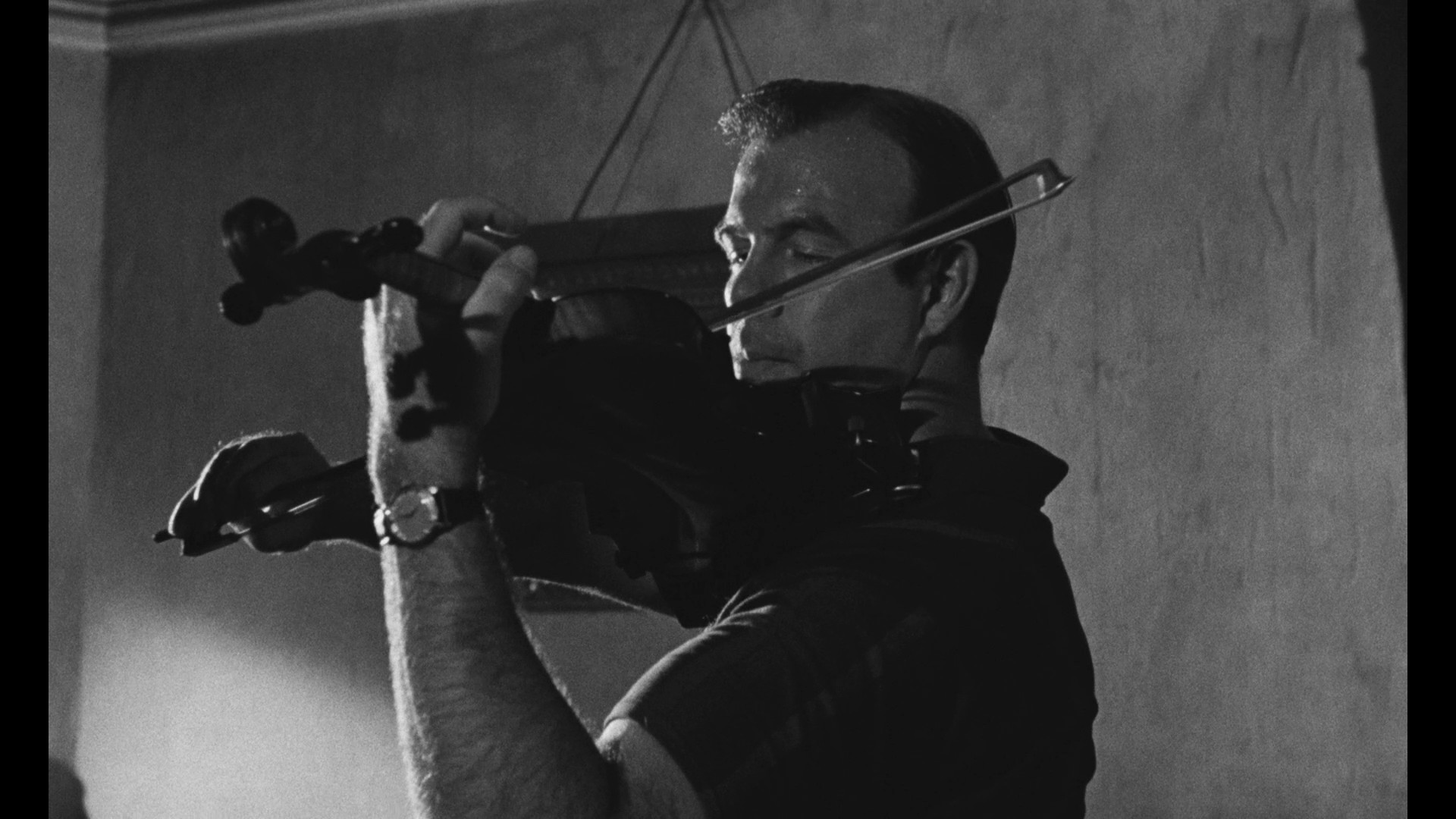
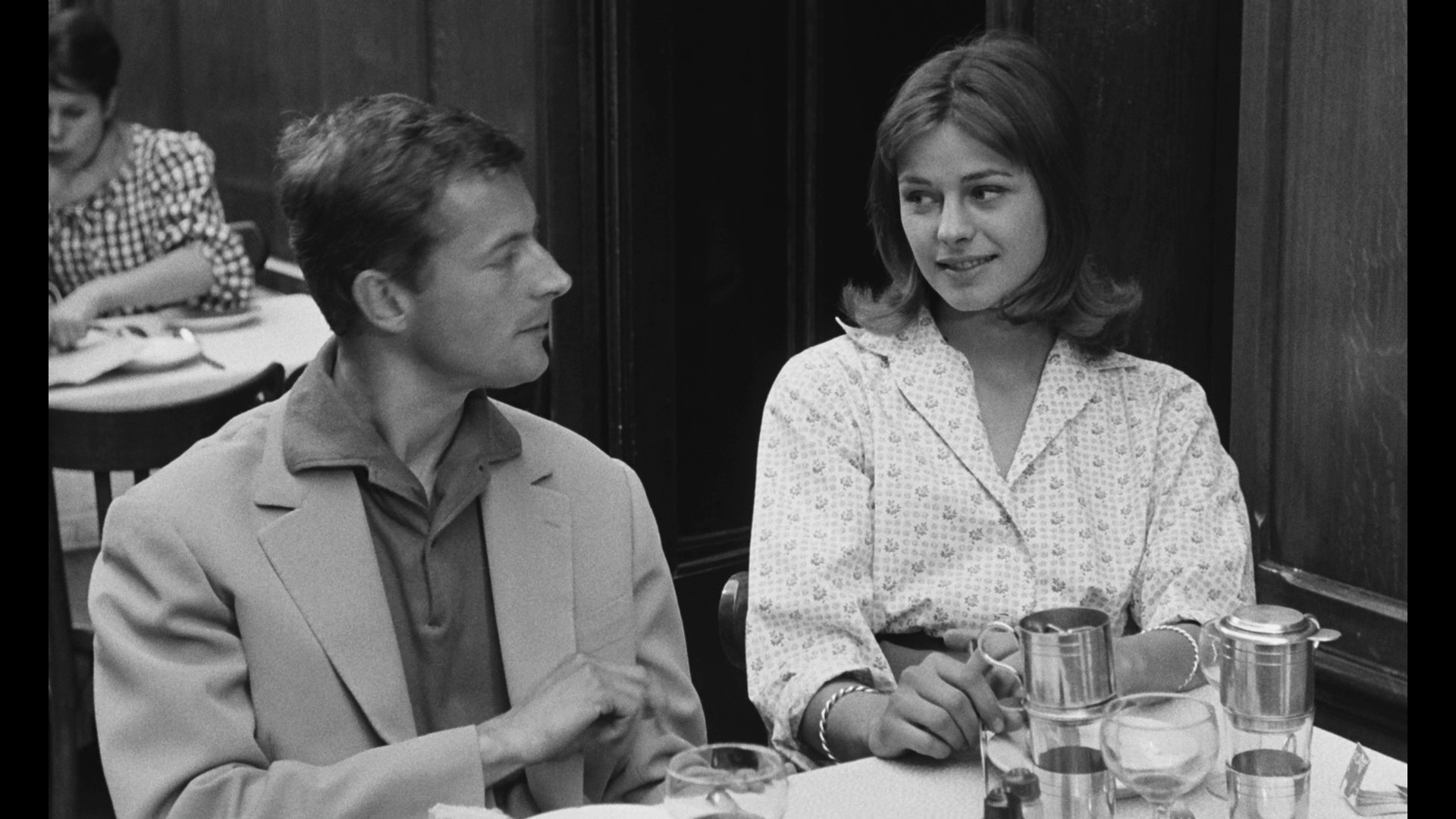
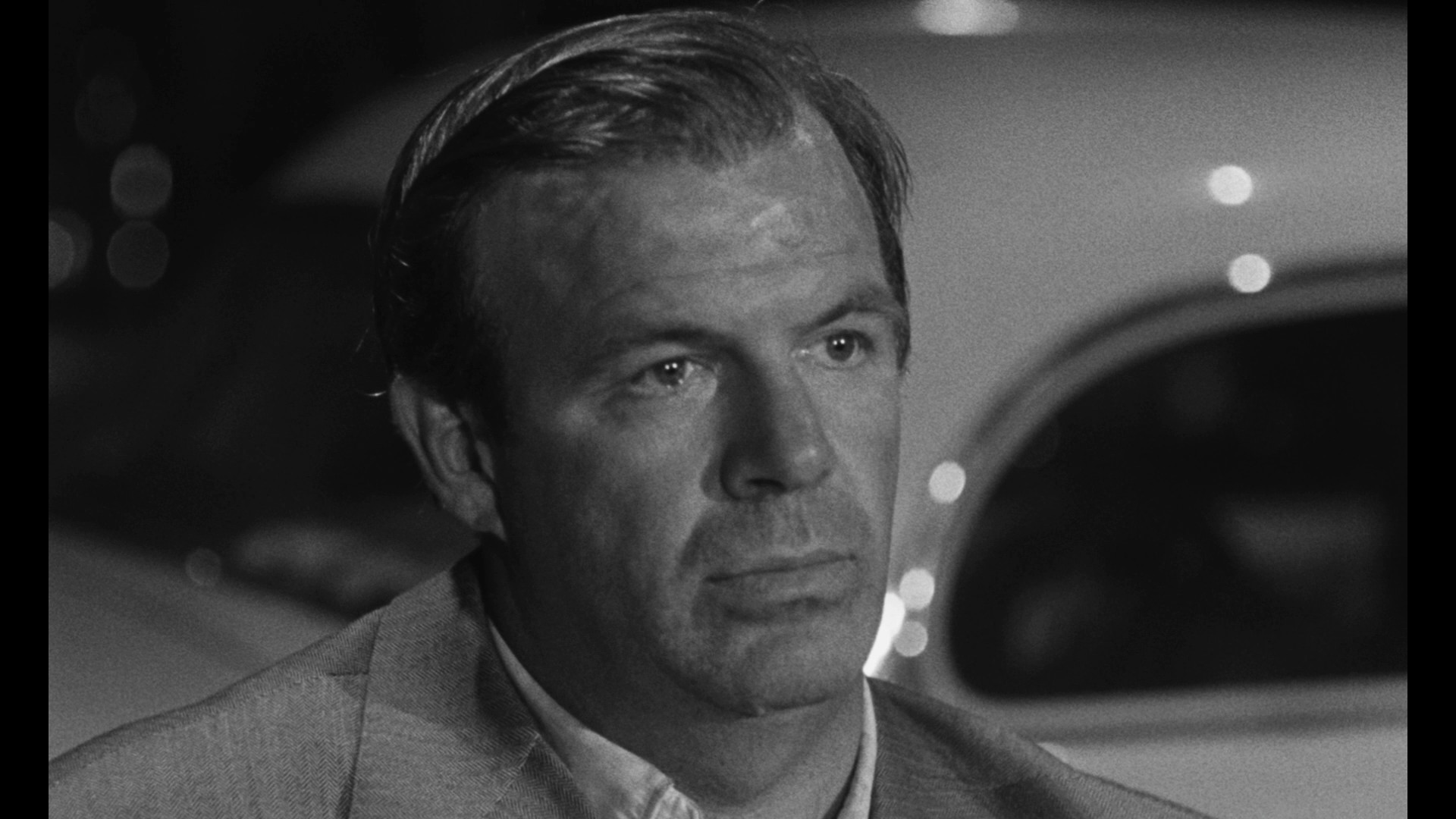
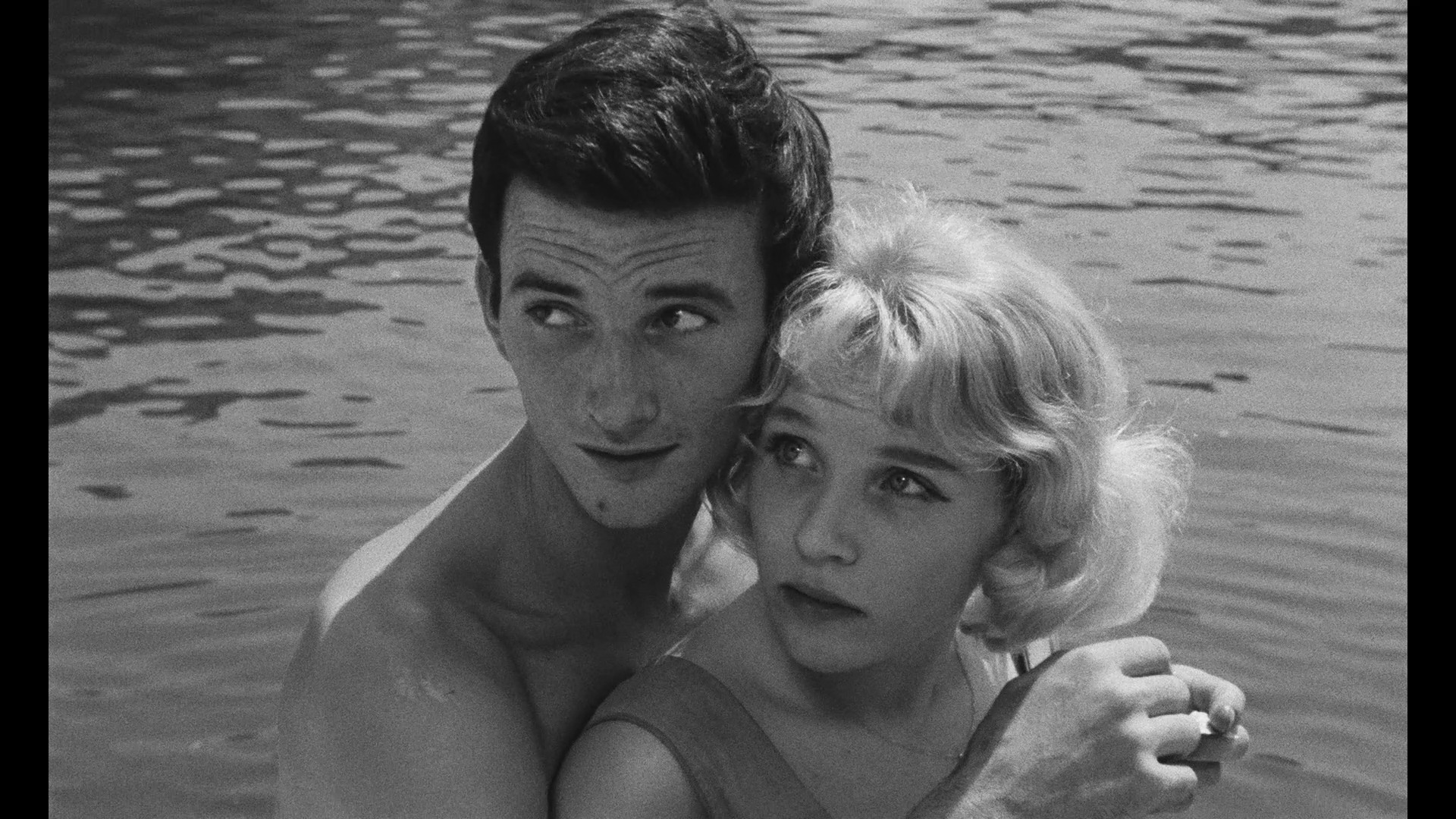
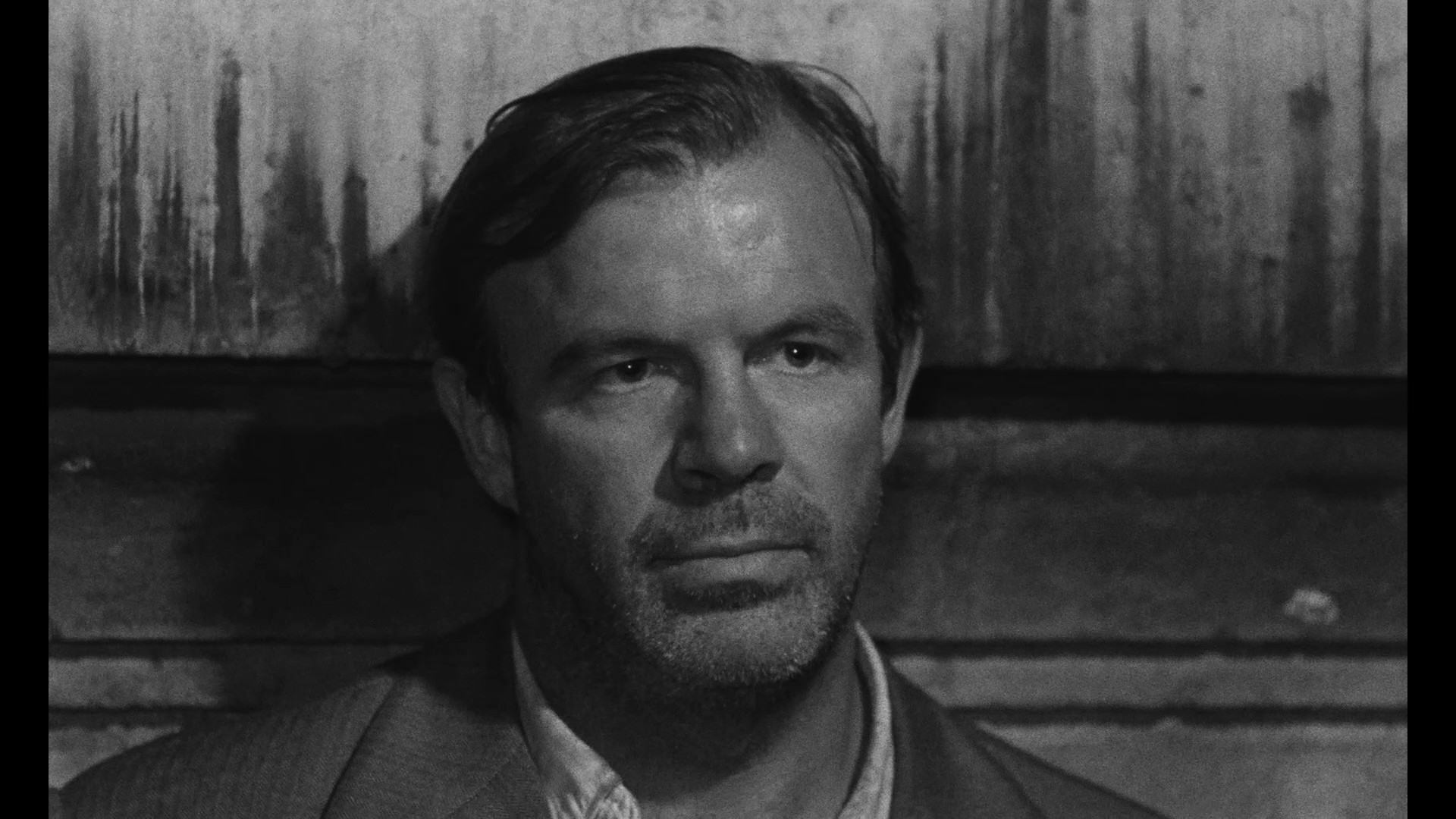
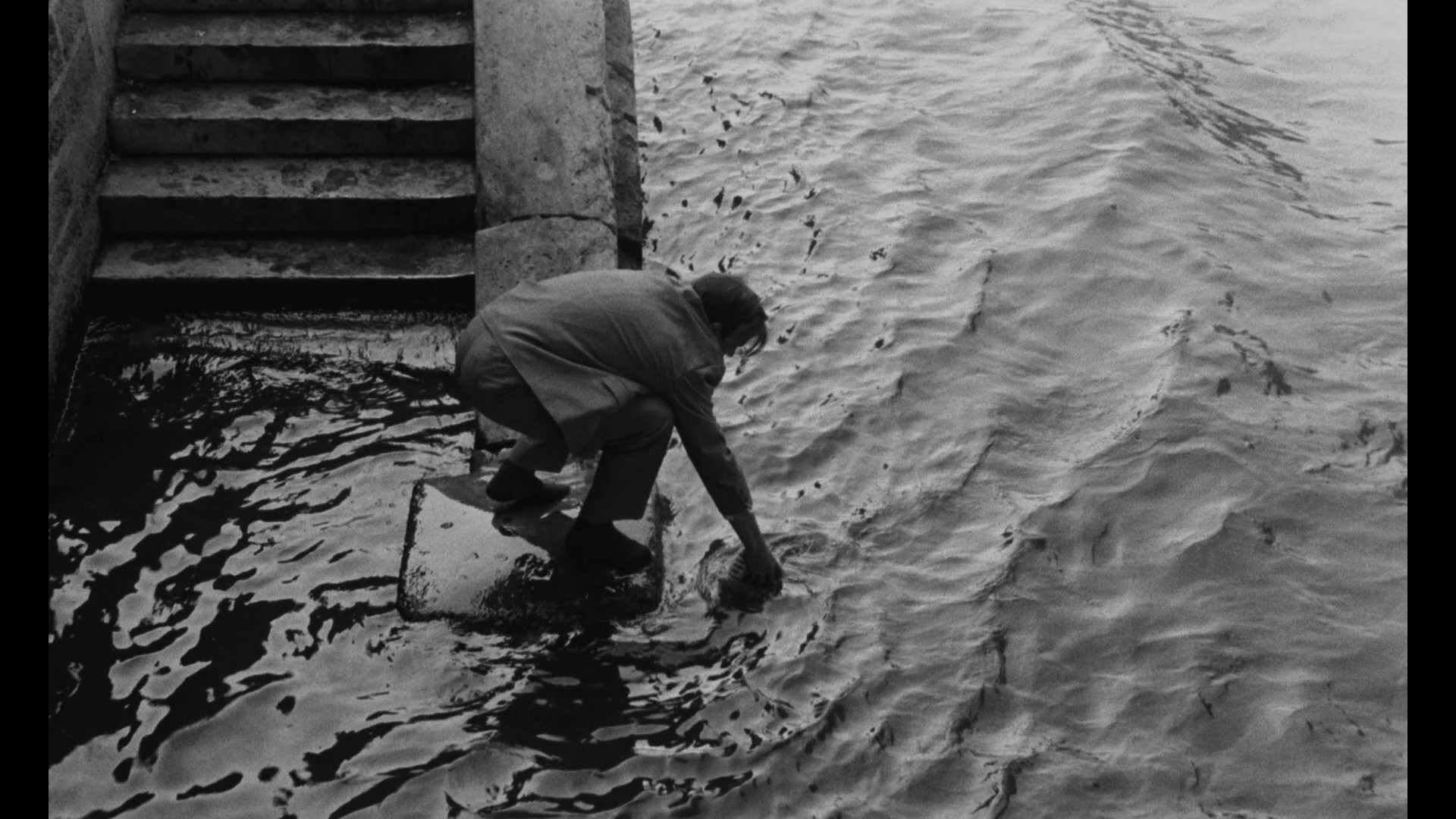
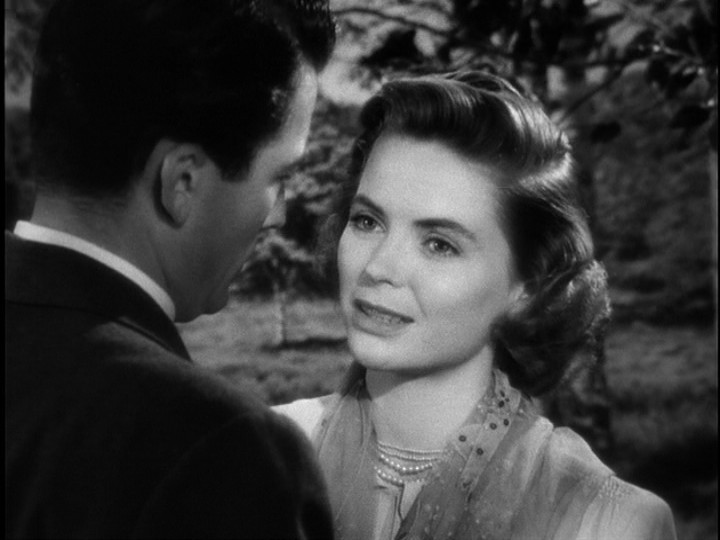
L’une chante, l’autre pas. Agnès Varda. 1977.

I think… that means… The singer, otherwise not?

I don’t know from French.

*bing*

Oh, right. “One Sings, the Other Doesn’t”.

That makes more sense.

ANYWAY.

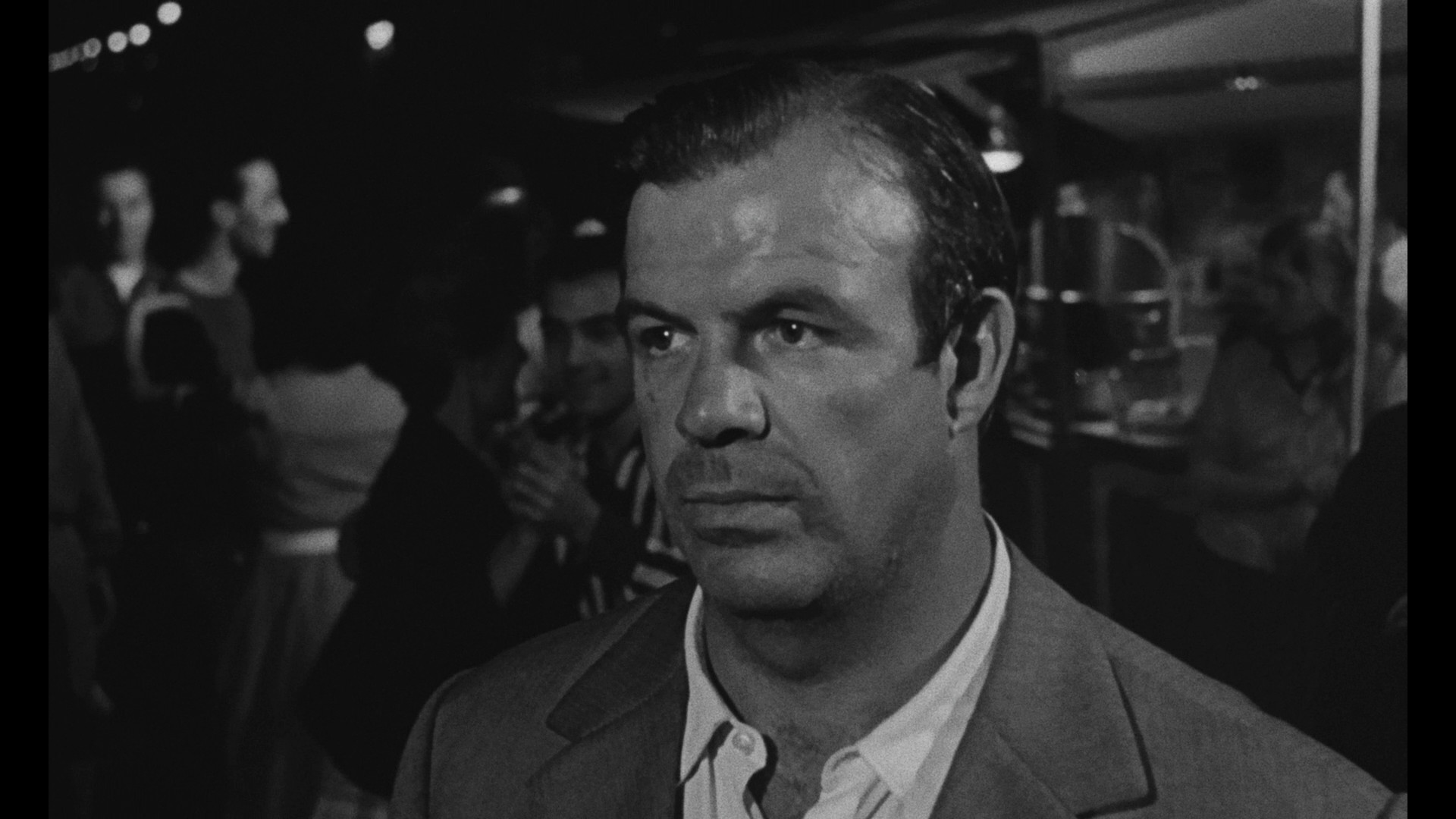
This has been beautifully restored for 2K blu-ray. The colours are trés 70s. But it’s a bit difficult to get a handle on this movie.

The previous Varda movie I saw was completely unpredictable, and which made it riveting and fascinating. So I’m not sure why this is isn’t as gripping. It’s like what worked in that movie is working against it in this movie.

I mean, that’s just from my point of view: Those two movies were made a decade apart and have nothing to do with each other.

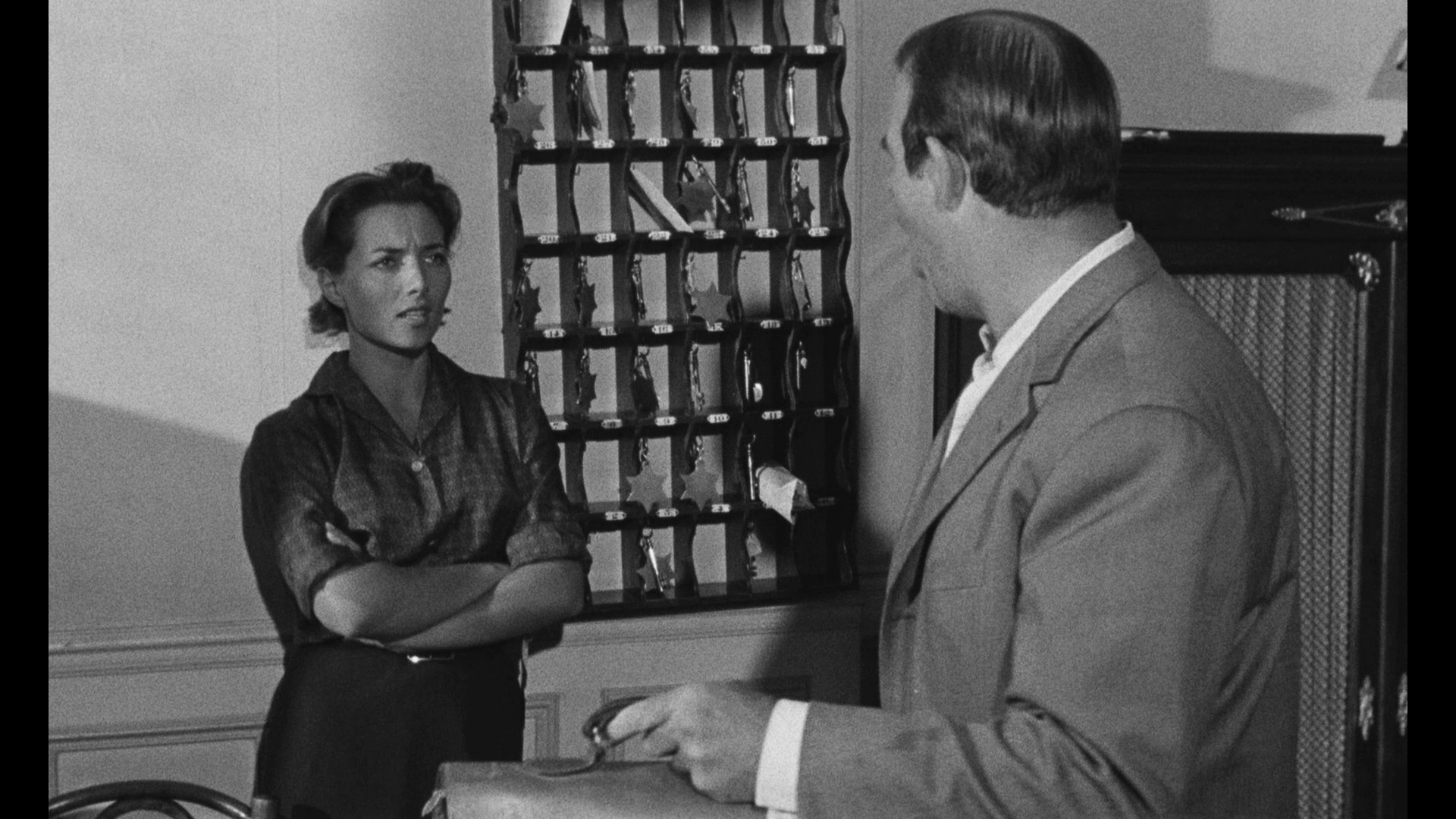
I haven’t seen many Varda film, but as usual, this one looks fantastic. The cinematography is enchanting, the colours are popping and the actors are so believable.

But I feel that the lack of? unusual? structure here is somewhat alienating. I mean, for the audience. But then it turns into a musical halfway through and everything’s awesome for a bit and then things flounder a bit again.

I don’t know… I just feel it lacks something. There are great scenes in here, but it just doesn’t fascinate.

I wonder if Varda was just improvising scenes until she had a sufficient amount of footage.

Marnie

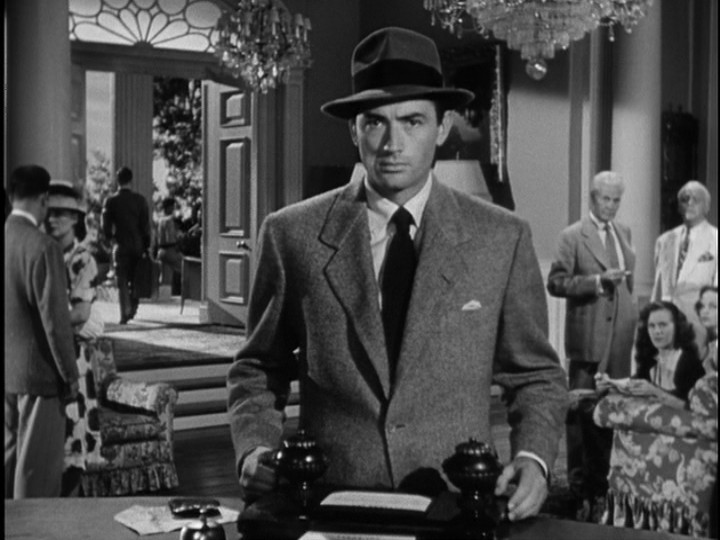
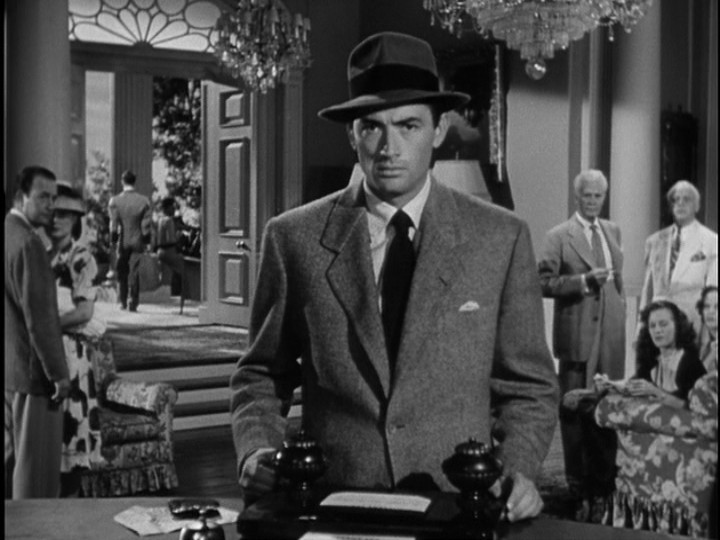
Marnie. Alfred Hitchcock. 1964.

Oh! Tippi Hedren and Sean Connery in an amusing thriller.

Tippi Hedren was, of course, one of the primary victims of Hitch’s incessant sexual abuse. Hitchcock went after a number of his leading ladies really hard, but Hedren is one of the few who have gone on record about the extent of the abuse. When she wouldn’t give in, he subjected her to humiliating and dangerous bits in the movies.

ANYWAY.

Marnie’s relationship with her mother is typical of Hitch in this period: Everything is intensely Fraudian. It seems over-the-top and risibly simple now, but I remember watching this as a child and being rather impressed by it.

I can see why Hitchcock would be interested in this movie. It’s basically about a man blackmailing a woman into doing what he wants.

It’s not framed that way, of course: Connery is a “good guy” and Hedren is totally wicked, so his manipulation and capture and rape of Hedren is like totes justified, dude.

It’s really creepy.

I MEAN: IT”S ROMANTIC.

I love the way a central plot point is a guy not being able to remember a five digit safe combination that he uses multiple times a day.

The casting’s weird: Tippi Hedren’s mother looks like she’s approx. the same age are Tippi, only somebody’s scribbled wrinkles in mascara all over her face.

Frenzy

Is this where the dinner scene in Eraserhead came from?

Frenzy. Alfred Hitchcock. 1972.

I bought a box set of 2K blu-ray Hitchcock movies, and I was thinking of perhaps watching them chronologically. But then I started thinking that I should watch all of Hitchy’s movies… and then I looked up his filmography and he’s done … a lot .. of movies, starting in the 20s.

They’re probably all great, but it just sounded a bit exhausting, so here I am watching Frenzy, one of his last movies. And one I don’t remember at all.

So this is a British movie? Did Hitch move back to Britain in his dotage? I’ve forgotten everything I knew about his biography. I’m also surprised by barely recognising any of the actors… Hitch eschewed famous actors at this point? And it looks intensely “movies 70s”: All earth colours and hair that doesn’t move.

Hitchcock’s usual subtextual misogyny is now the text.

It’s really a pretty lighthearted thriller with a traditional plot: The coppers are after the wrong guy and he has to find the killer. But the crimes are depicted at length: The scenes¹ with psychopath raping and strangling women are difficult to reconcile with the rest of the movie (and would, frankly, be hard to take in any context).

But the contrast is efficient, I guess. Hitchcock knows what he’s doing. And what he’s doing isn’t very nice.

(That’s a Wolverine reference.)

As in any Hitchcock movie, there’s a lot of enjoyable scenes, of course. The dinner scenes are priceless, and the scene where the camera pulls back from the scene of probable murder, down the staircase and onto the cheery street is a classic, probably shown in every film school.


¹) There’s really only one but it feels like more.