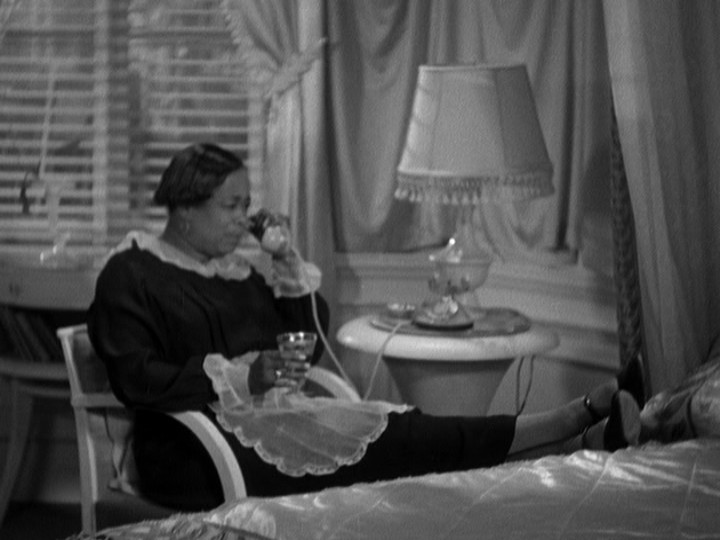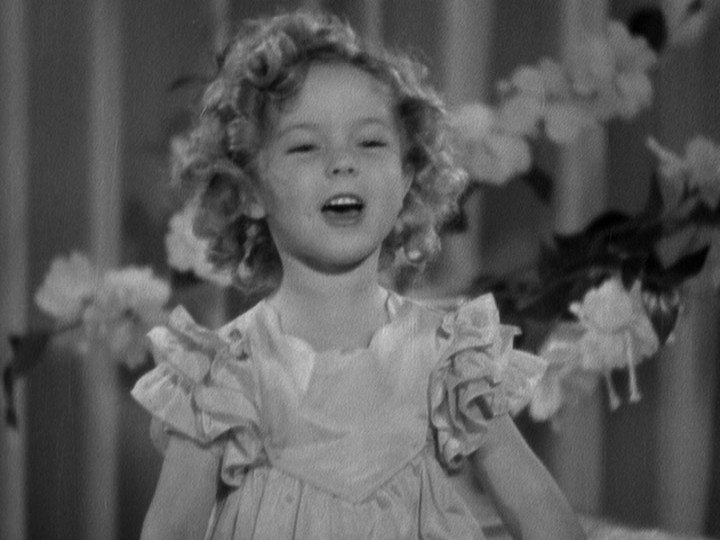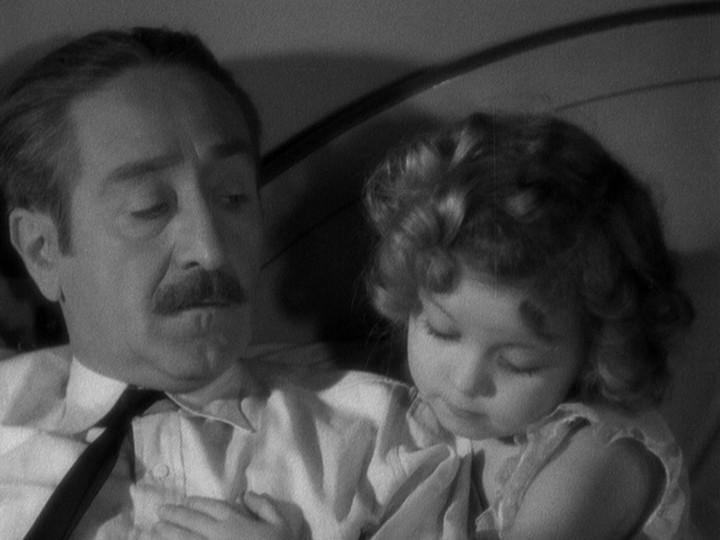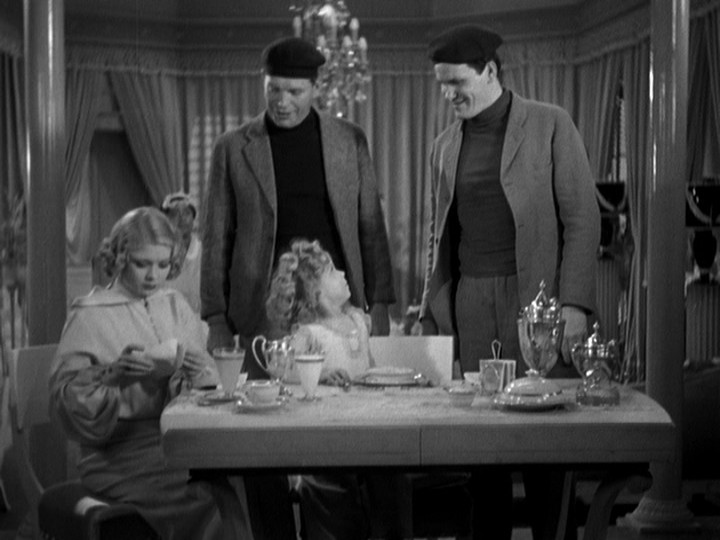


Le Bonheur

That… looks like a fire hazard?

Le Bonheur. Agnès Varda. 1965.

Wow! Such a riot of colour!

I’ve seen less than a handful of movies by Agnès Varda, and none of them have looked even remotely like this.

The 2K restoration looks just amazing, and it was overseen by Varda herself:

This is one of those rare movies where I have no idea what it’s going to be about. There are no genre signifiers, and the while the title (“The Happiness”, no?) could be taken as a sarcastic signifier, it’s impossible to tell from the opening scenes: Perhaps this will be a movie of pure happiness?

I had a vague plan of watching all of Varda’s movies chronologically, but they’re so hard to come by (with English subtitles). This is from a five disc blu-ray set that was released a few years ago… and since Varda died some weeks ago, I somehow didn’t want to wait longer before starting to watch her movies.

The acting in this movie isn’t totally naturalistic… are some of them amateurs, perhaps?

Oh! This movie won the awards at the only film festival that matters:

two awards at the 15th Berlin International Film Festival, including the Jury Grand Prix

It’s a fascinating movie. Most of the editing is very traditional, for instance, but then *boom* she does these blink cuts that are so 60s.
Colour me flabbergasted. It’s so odd. And it all works brilliantly.

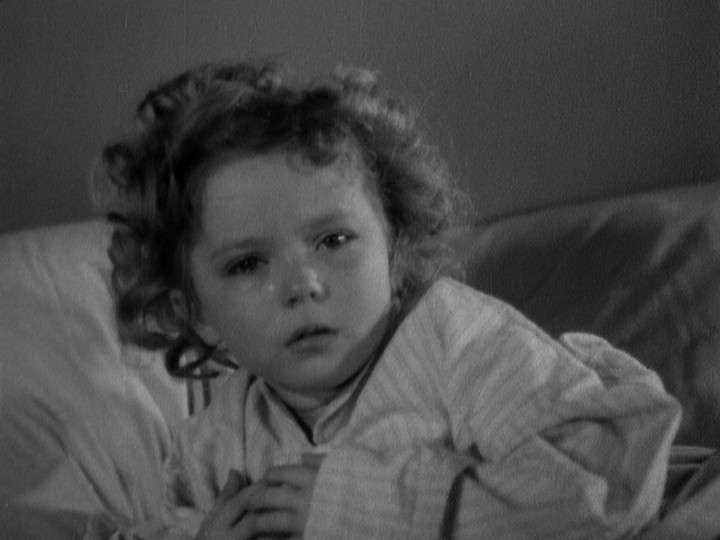
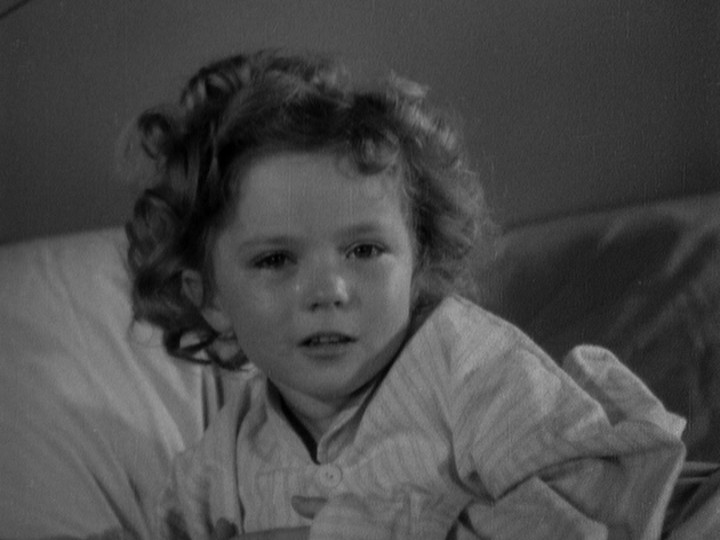
One pretty odd thing: This movie has a lot of small children who are amazing. But in a couple of the scenes you can see the children souring on the entire thing and just starting to cry their little eyes out, but Varda just drops the audio and has the adult actors add their lines on a sound stage.

It’s bizarre! Are we not supposed to notice the crying child, or are we, and that’s supposed to be like the verfremdung thing?

The blu-ray has a very funny documentary by Varda where she goes back to the village where this movie was filmed.

Kill Your Darlings


Kill Your Darlings. John Krokidas. 2013.

Oh, this is the movie where Harry Potter plays Allen Ginsberg. With such a saucy setup I envisioned something special, but this is a run-of-the-mill American biographical movie: You’ve seen way too many of these before, and you know just all the beats this is going to hit.

Everything about this is rote, from to the cinematography that goes shakycam when Lucian is particularly intense to the truly horrid score that marks whatever you’re supposed to feel in any scene.

I hate movies like this so much. I realise that this is a popular genre, and if you like this sort of thing, then you’ll like this thing, because it is strictly paint by numbers. There’s no scene, no line, no plot point you haven’t seen before in dozens of movies already.

Some details vary, of course, but this movie even manages to make William Burroughs seem tedious. This movie is basically Deadly Boring Poets’ Society, and that’s a gross disservice to all the people portrayed.

It’s cringe-worthy.

It’s progress, I guess, that a pretty large-budget, mainstream, boring movie is made about a bunch of gay poets instead of the usual variety of people these movies usually are about.

Heh heh:

Kill Your Darlings wants to be a young man’s movie, but it’s all “cinema du papa,” as the French New Wave used to call it.

Eraserhead

Eraserhead. David Lynch. 1977.

I’ve just seen this movie once: In the 80s, on a small TV, from a VHS copy. It still made a big impact at the time.

One thing I did not realise from that experience is how thrillingly awesome the soundtrack is. All gnashing machines, rumbles and ominous electrical twitching. OK; I’m now switching the lights off and putting the headphones on.

[time passes]

I usually write these bloggy things when there’s a lull in the movie, but I was absolutely riveted here, so I’m writing this after the fact.

I mean, you all know it’s a masterpiece. What can I say?

It’s fun to see just how fully formed Lynch’ aesthetic was from the start: A fair amount of these interiors could have been in season three of Twin Peaks.

So many of these scenes depend on Lynch’ most impressive trick: Presenting the viewer with a basically, well, goofy scene, and then insisting on it until it goes beyond everything and then becomes the most important scene ever.

I wonder what the actors (and the crew) were thinking while making these scenes: Did they trust that Lynch was going to make it all turn out fine, or were they just going along with it because it’s a fun day out? I imagine him telling them “no, be more stylised! less human!” or something, and it did work out fine.

Without the audio tying it all together, this may have been tough sledding, but it’s really a fabulous experience now.

But I’m not surprised that it’s seldom on the list of officially the best movies ever. I think that for many people, it’s too much, and they laugh it off.

But it’s not too much.

It’s perfect.