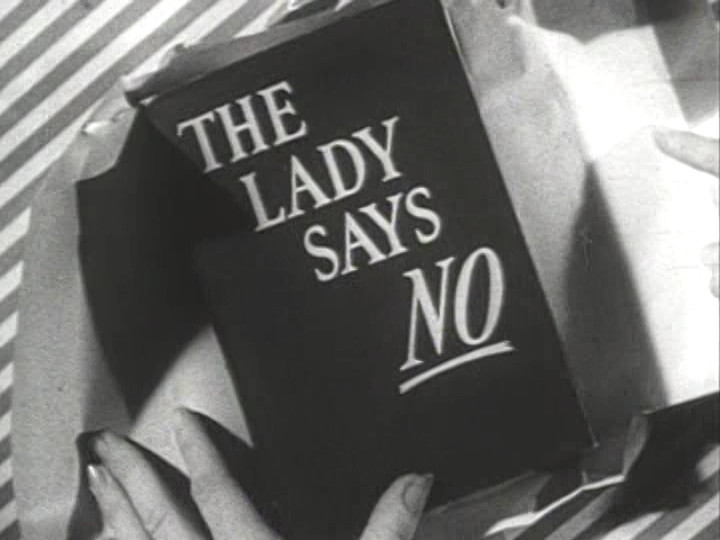


The Lady Says No

The Lady Says No. Frank Ross. 1951.

Yes, yes, another public domain movie. I’m going to watch them all even if it kills me!

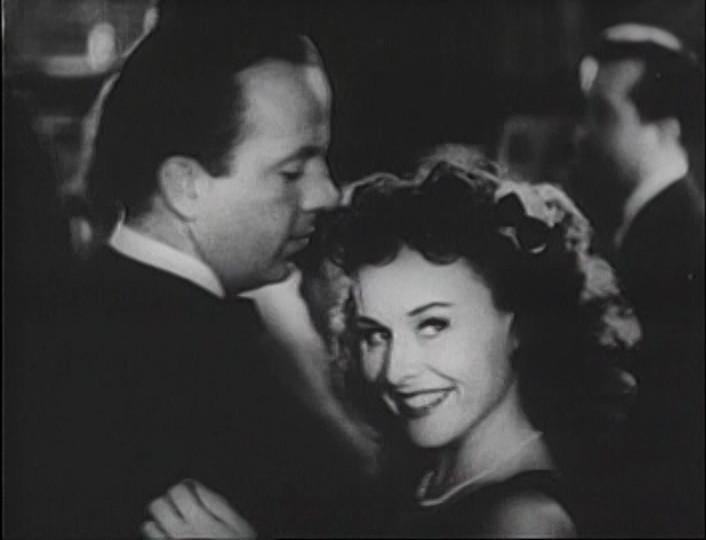
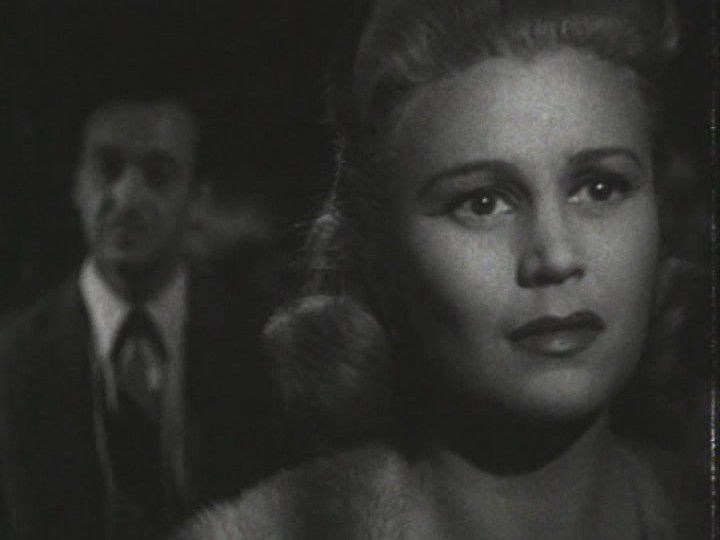
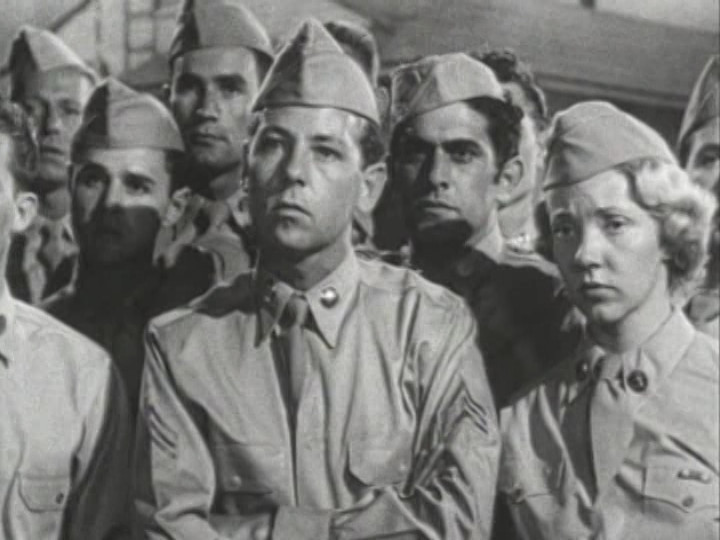
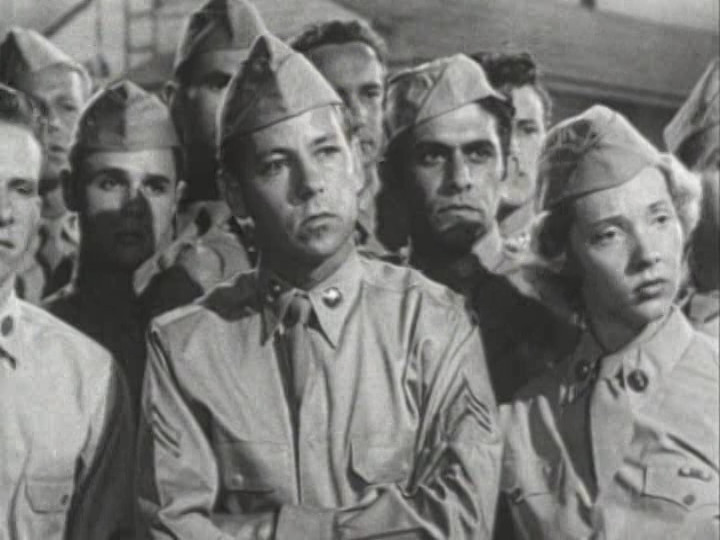
But this is pretty funny. I mean, it’s consistently amusing: The zippy lines never stop, and even if they aren’t the height of wit, the overwhelming quantity has a quality all of its own.

This is the only movie Frank Ross directed, so I’m guessing this wasn’t a commercial success. But he’s written and produced a bunch, and it’s really quite well made on a scene by scene basis. But it doesn’t make any sense on a macro level.

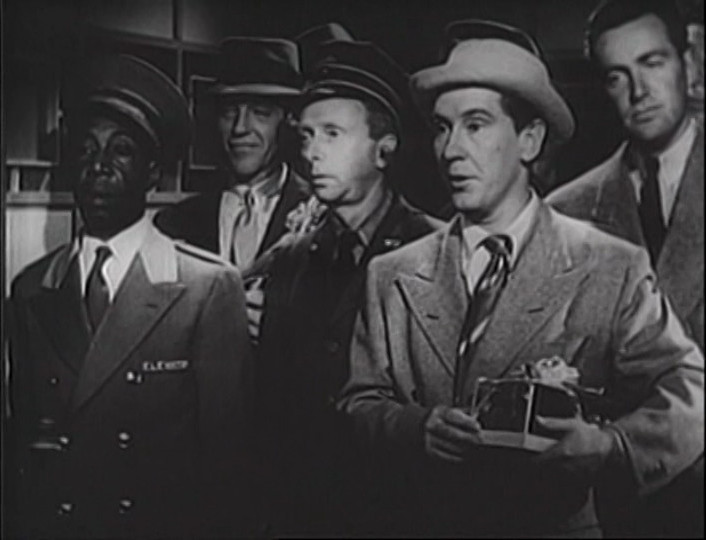
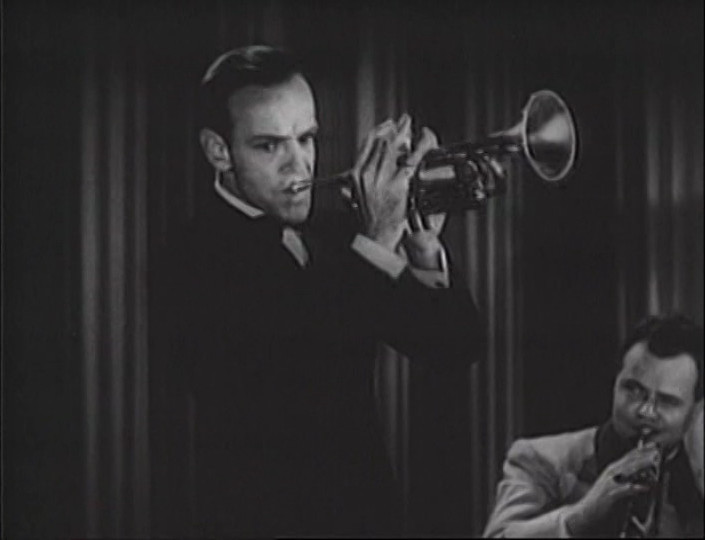
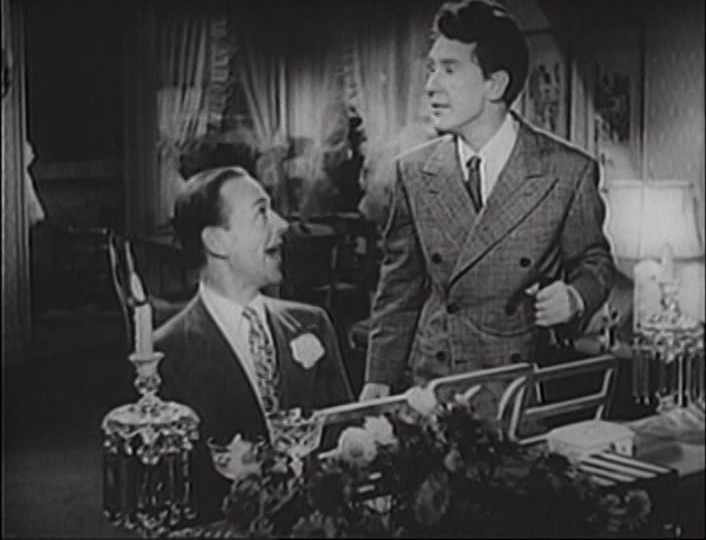
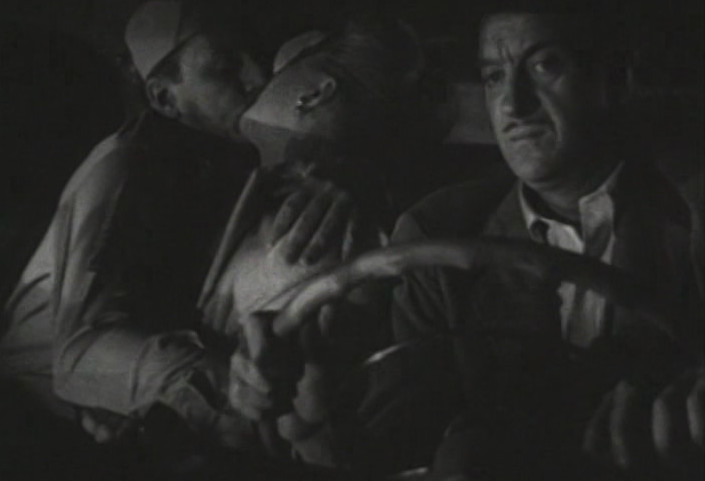
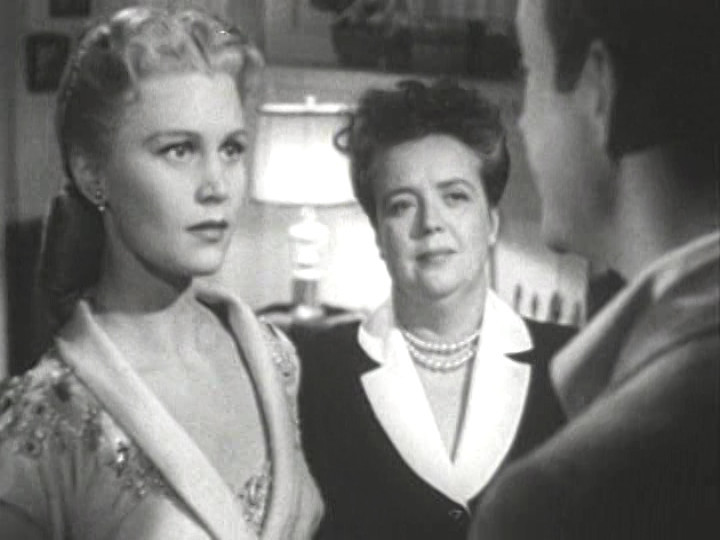
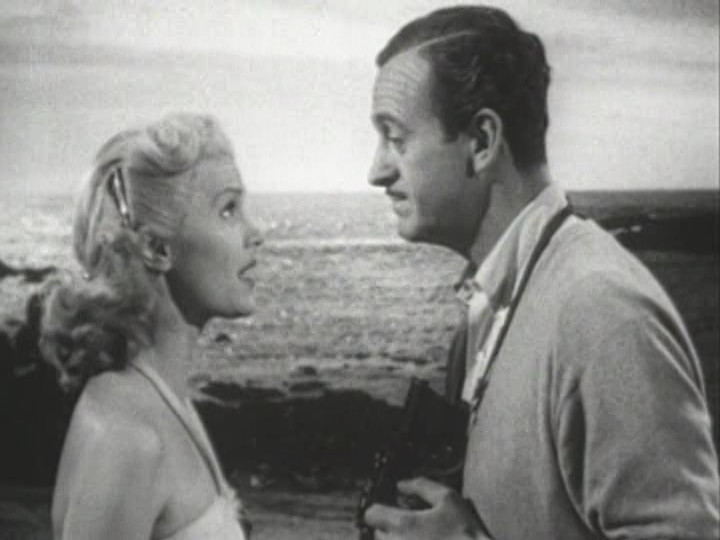
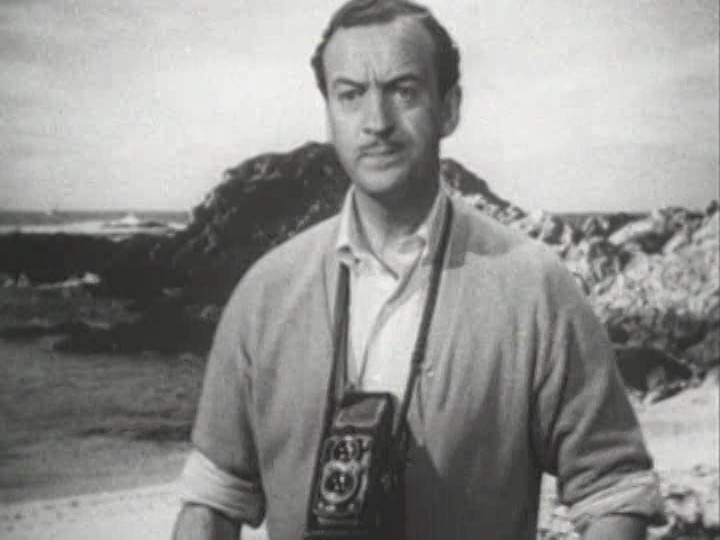
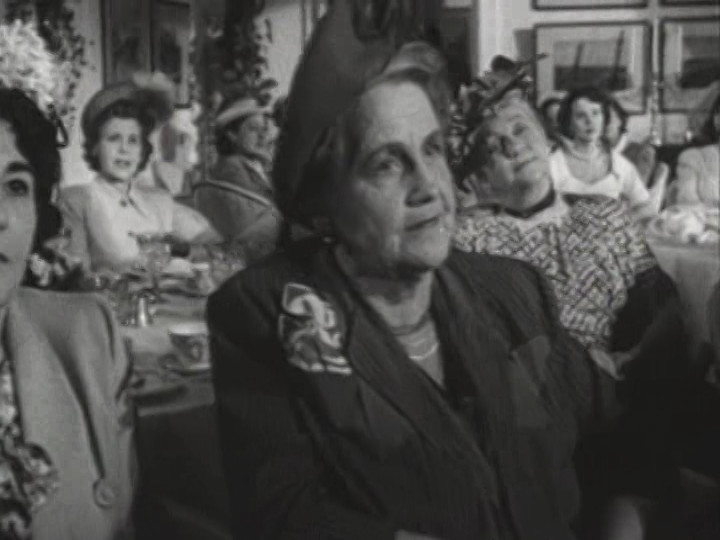
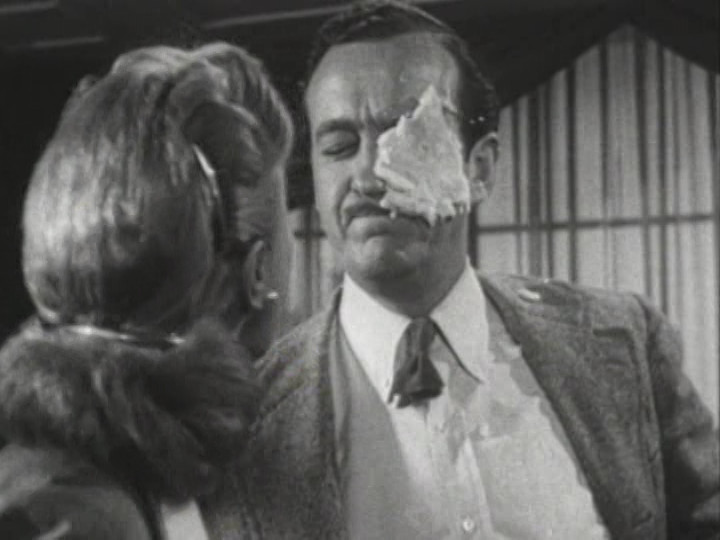
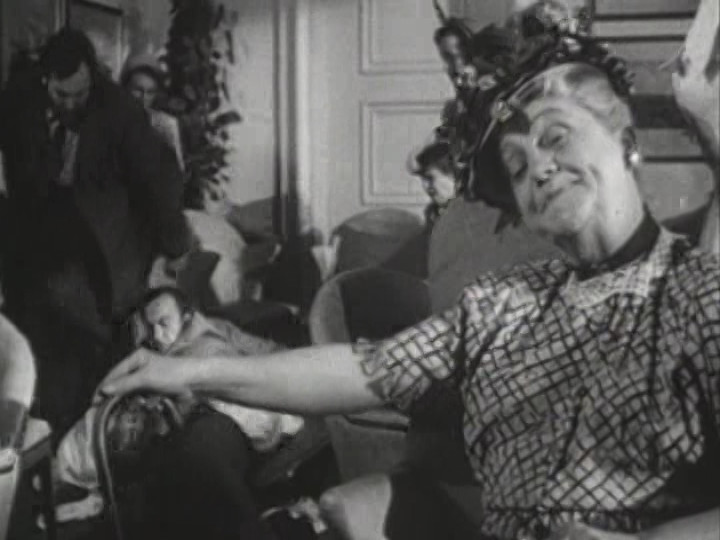
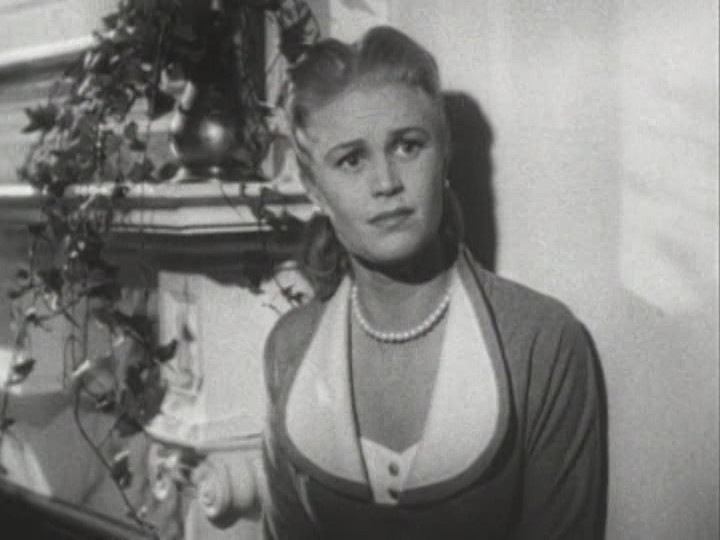
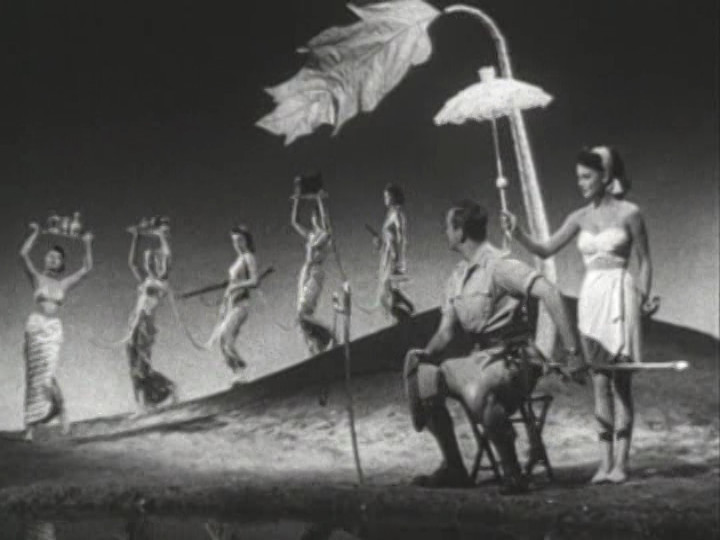
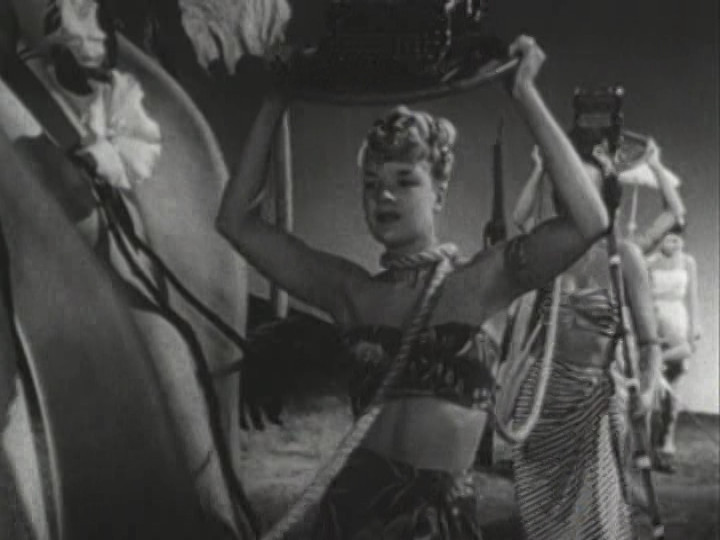
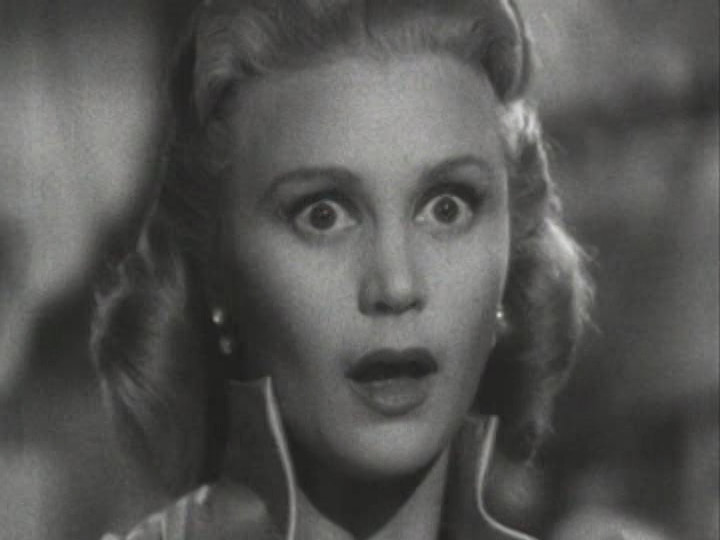
The storyline is probably offensive to well anybody who’s not a moron, but it’s very watchable. It’s an incredibly strange movie. I mean, at random:
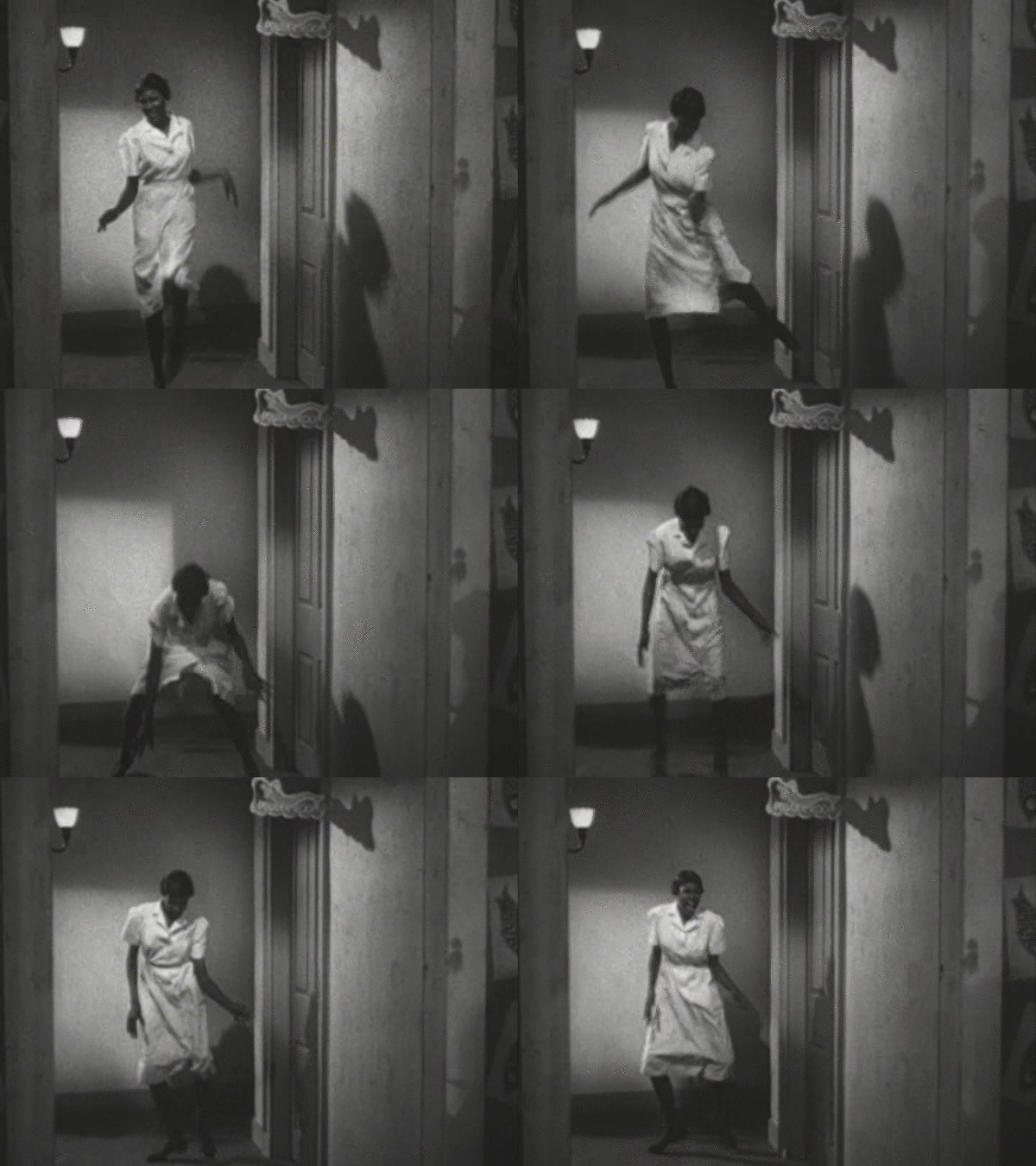
And then we never see her again.

So yeah this isn’t a good movie, but there’s a bunch of compulsively fascinating bits.
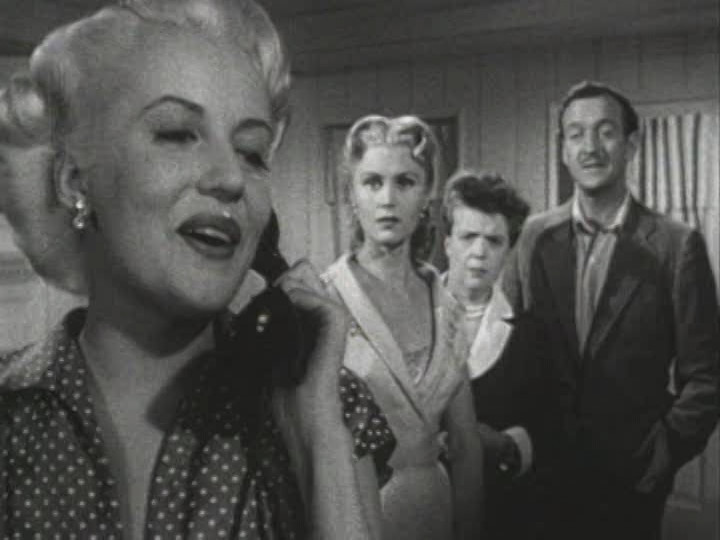
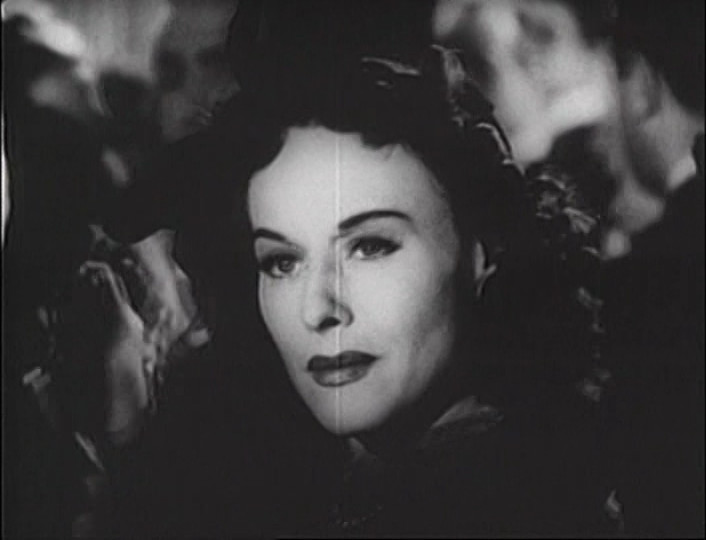
I wonder whether whatsername is the template for Hatchet Face in Cry-Baby. She’s just like her, only a bit less. Or more.
Second Chorus

Second Chorus. H.C. Potter. 1940.

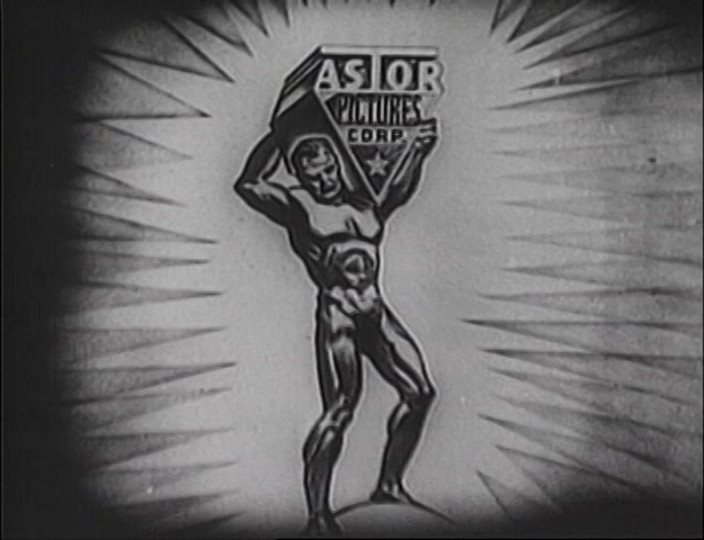
Wow!

That’s some logo.

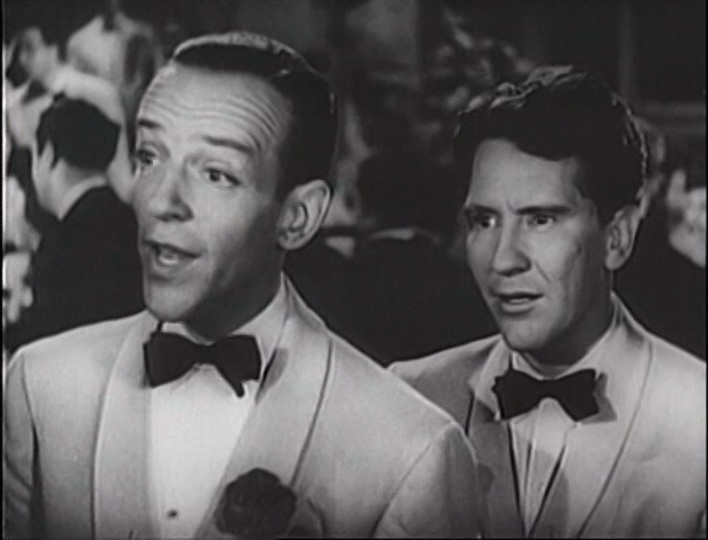
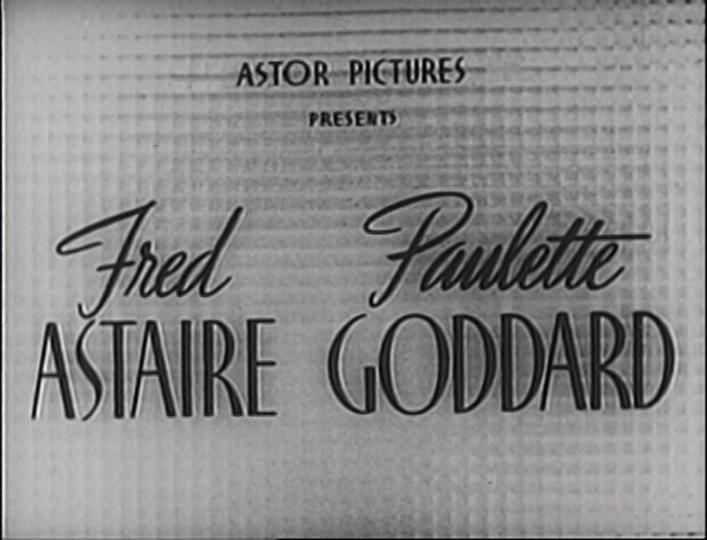
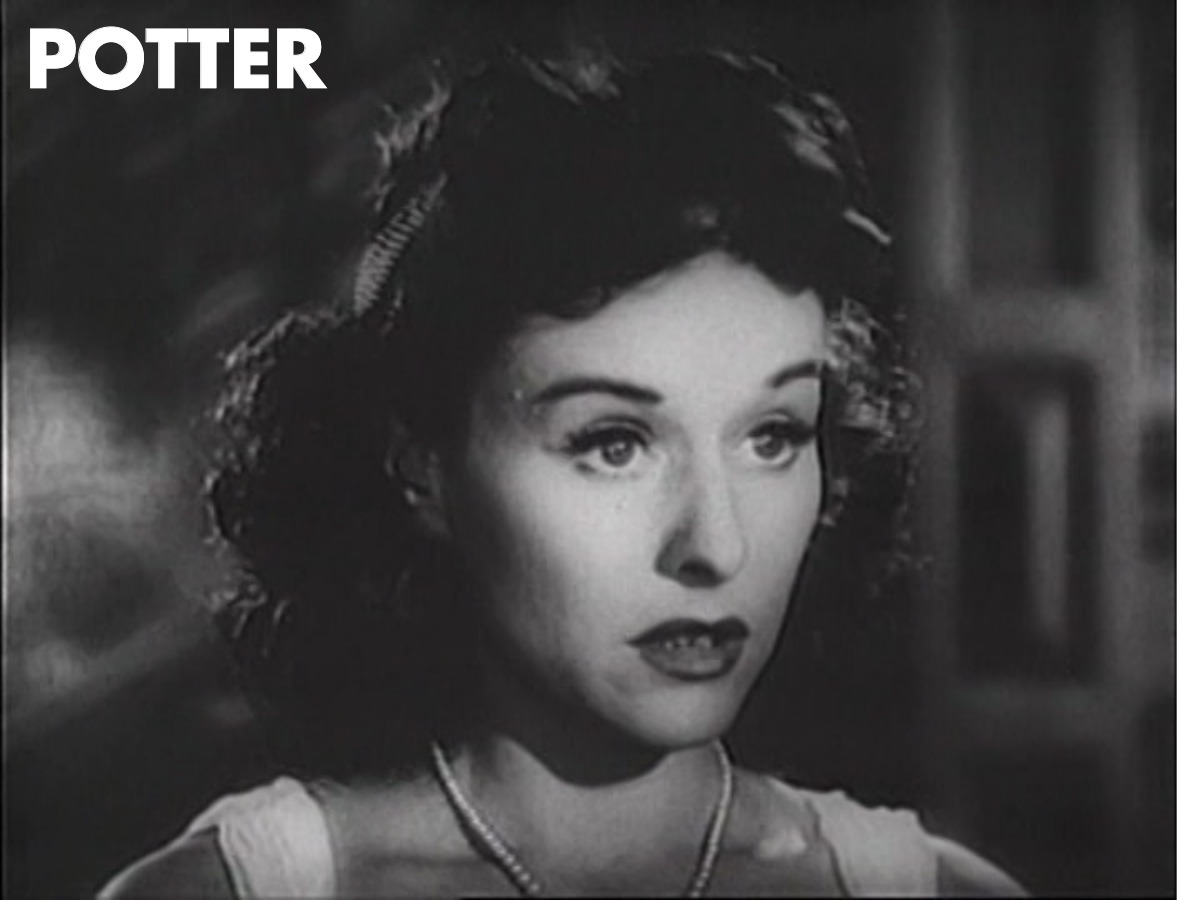
Anyway, this is another public domain movie, but this one has star power:

And as usual with these things, it hasn’t been restored at all, so it looks pretty awful. And the audio is bad, too.

Still! Astaire!

And he’s as diffidently charming as ever, but this is an oddly low-budget low-effort movie.

Huh:

In a 1968 interview, Astaire described this effort as “the worst film I ever made.” Astaire admitted that he was attracted to the film by the opportunity to “dance-conduct this real swingin’ outfit”. In an interview shortly before his death, Shaw admitted this film put him off acting.

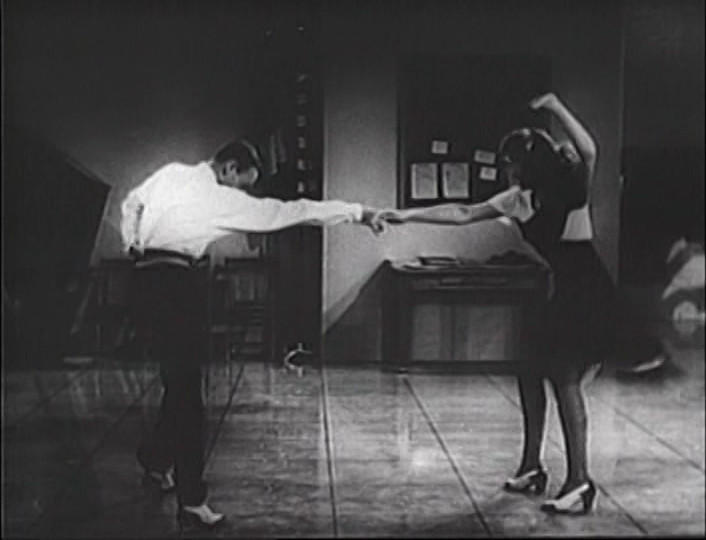
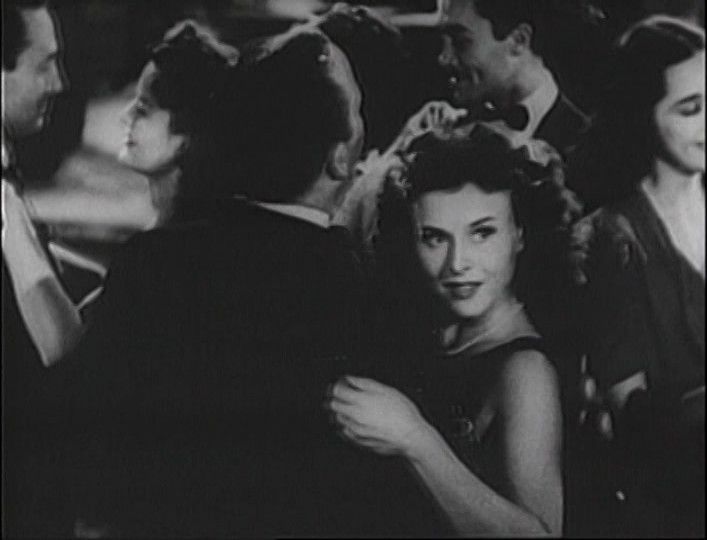
It does have a couple of nice dance scenes, but the rest is just like there. That’s a convoluted plot that’s not very interesting, and there’s so much dialogue, all aiming for “witty” and landing at “oh lahd”.

What’s the antonym of “scintillating”? That’s what this is.

Perhaps I would have enjoyed this more if it had been restored, and I see that it’s recently had a better re-release. But I’m never going to watch this again.

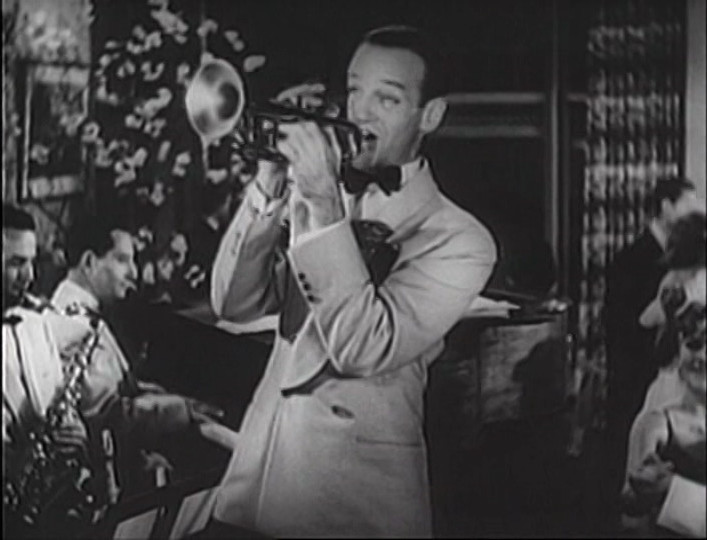
I did laugh out loud at the score sabotage scene. Toooooooooot!

Ma nuit chez Maud

Ma nuit chez Maud. Éric Rohmer. 1969.

I learned something shocking about Rohmer the other day: He’s a Christian! I really didn’t get that vibe from his movies at all, but of course, I’ve mostly seen his 80s and 90s stuff.

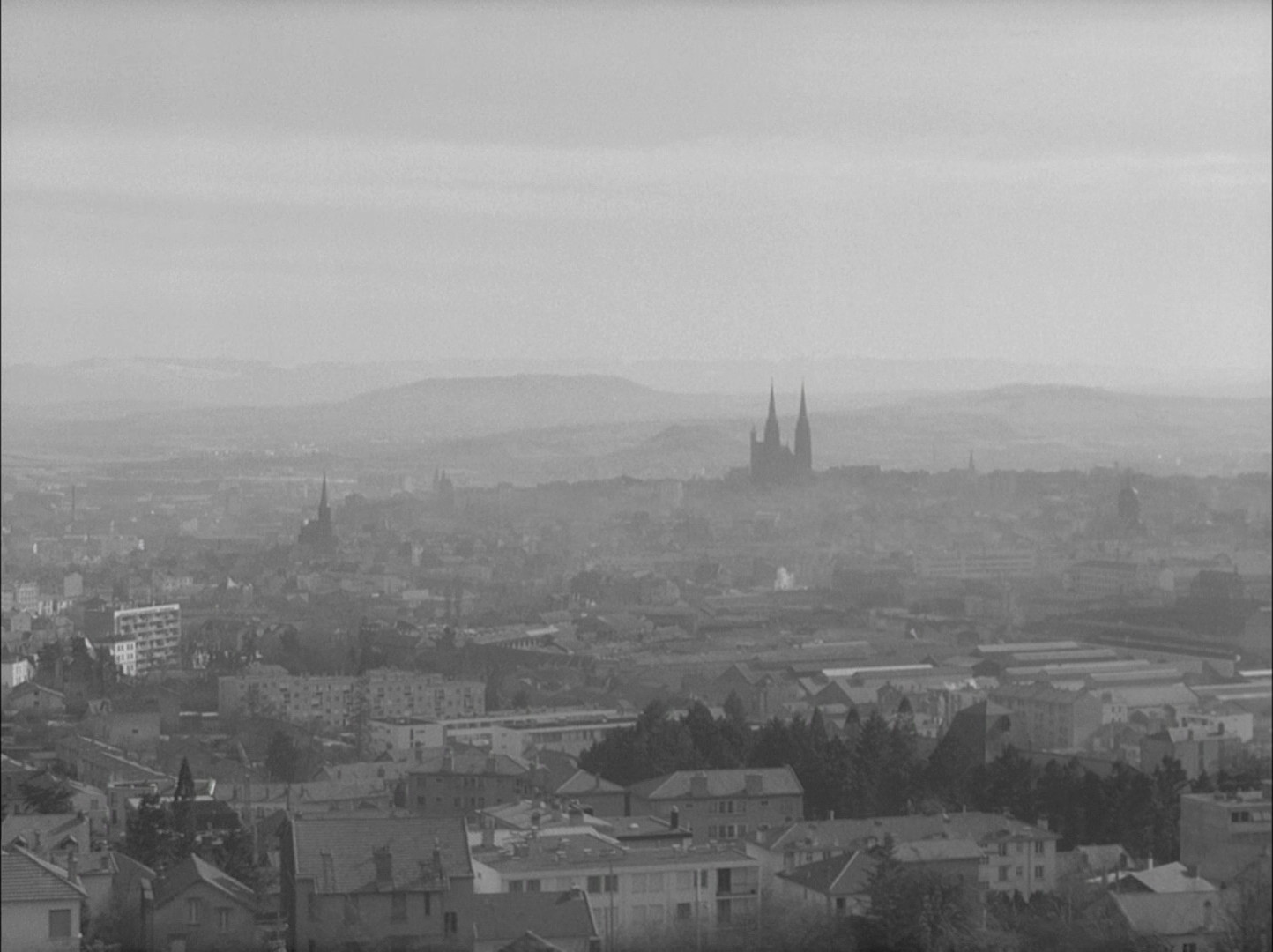
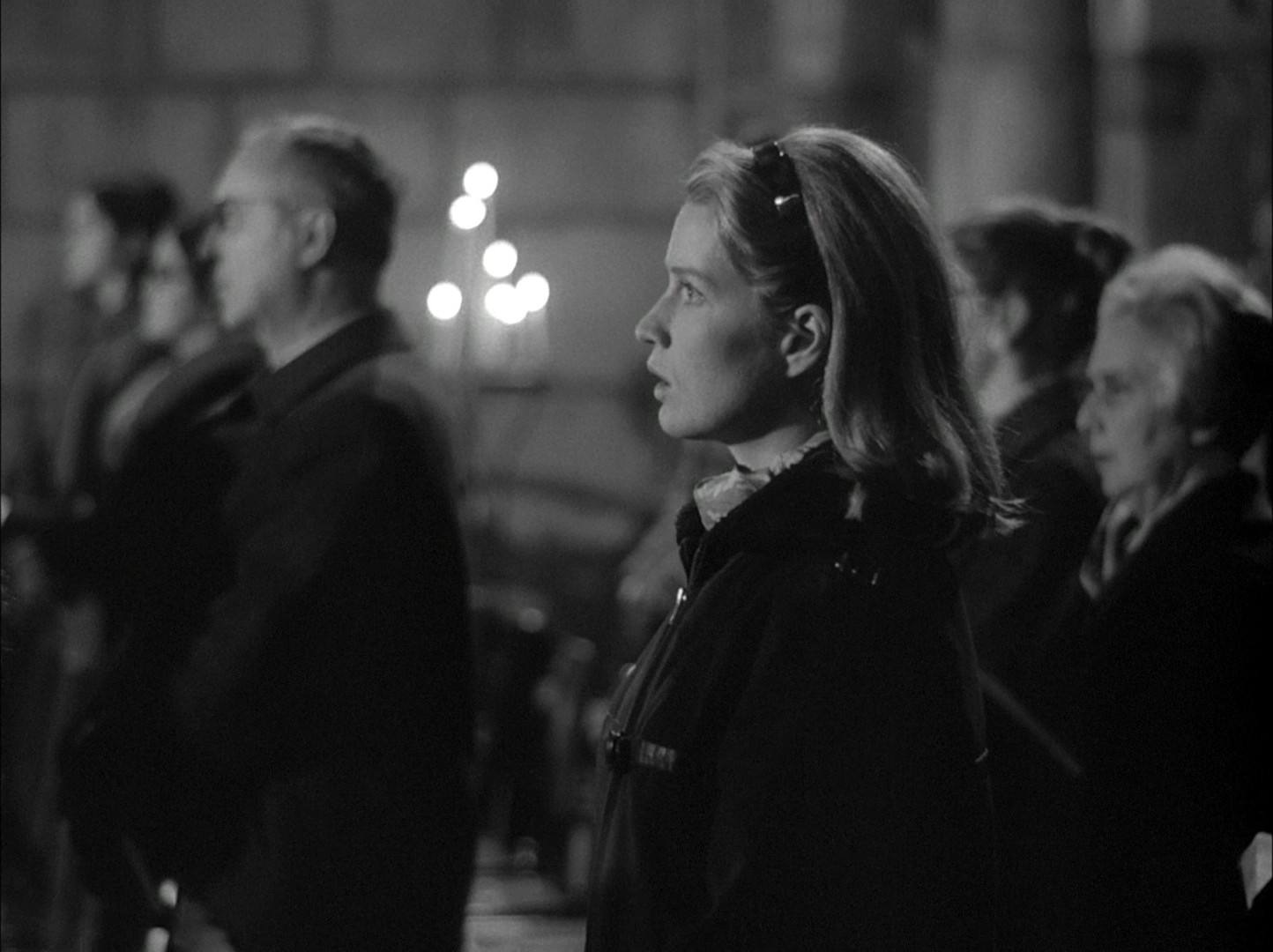
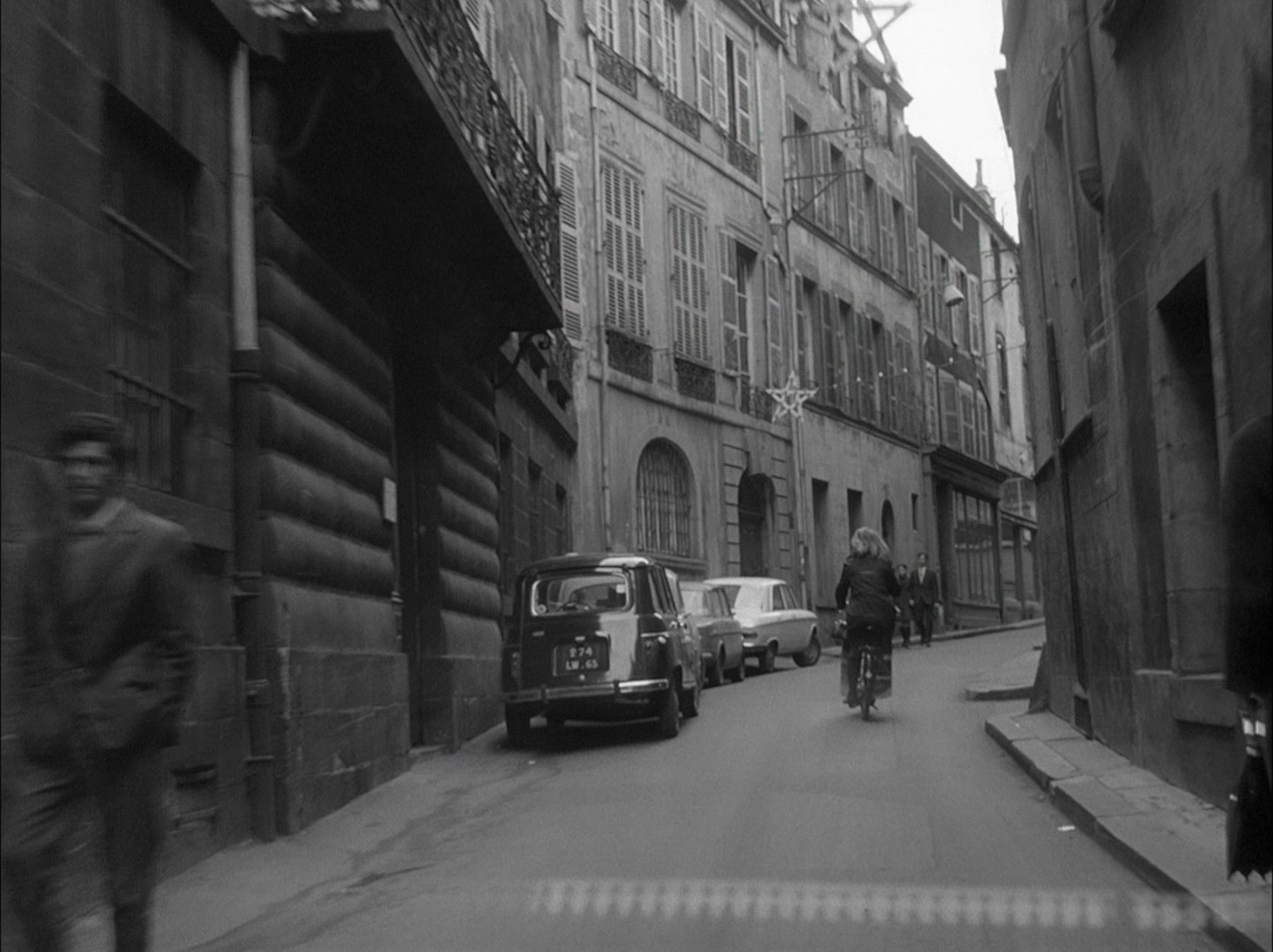
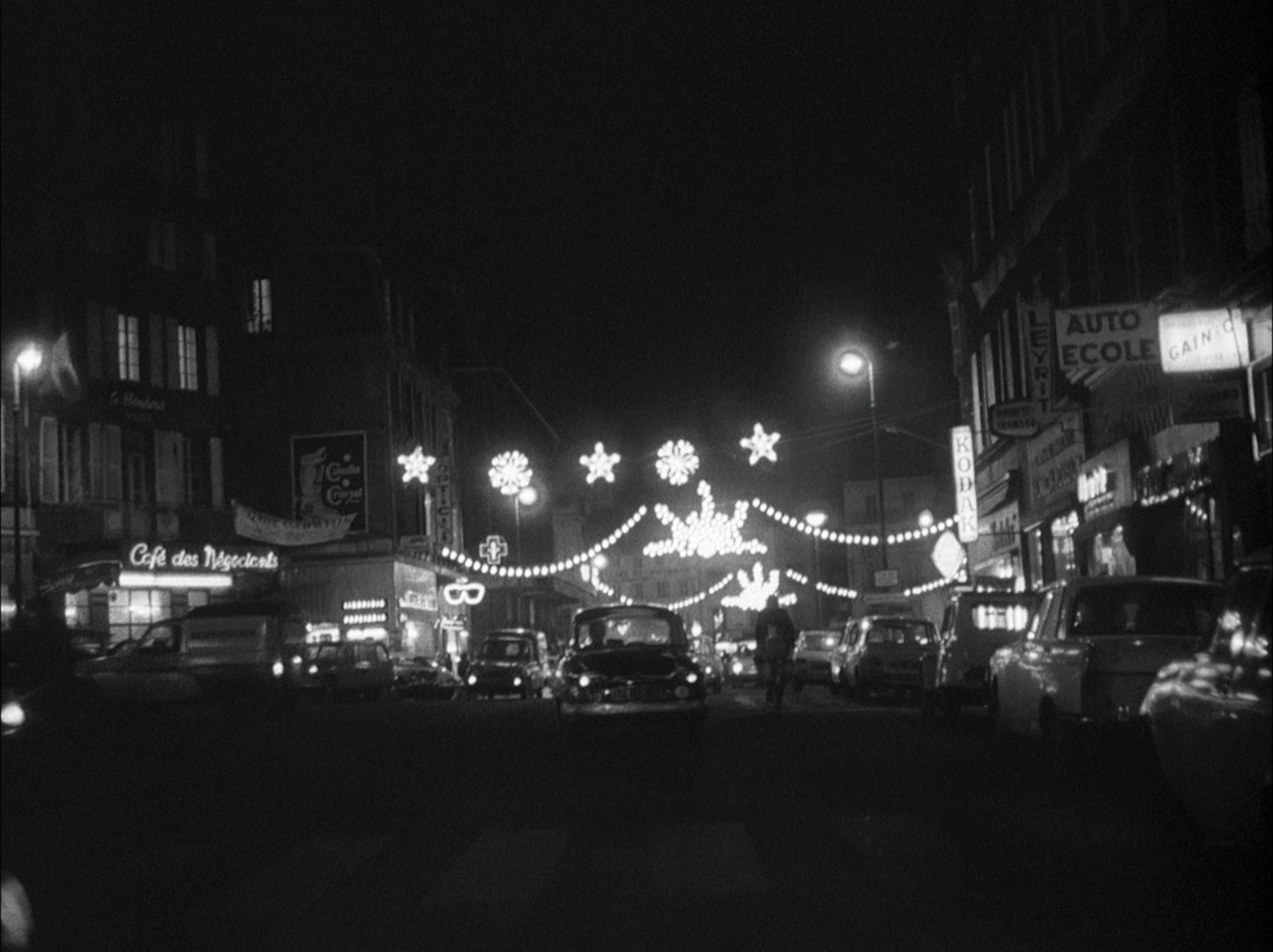
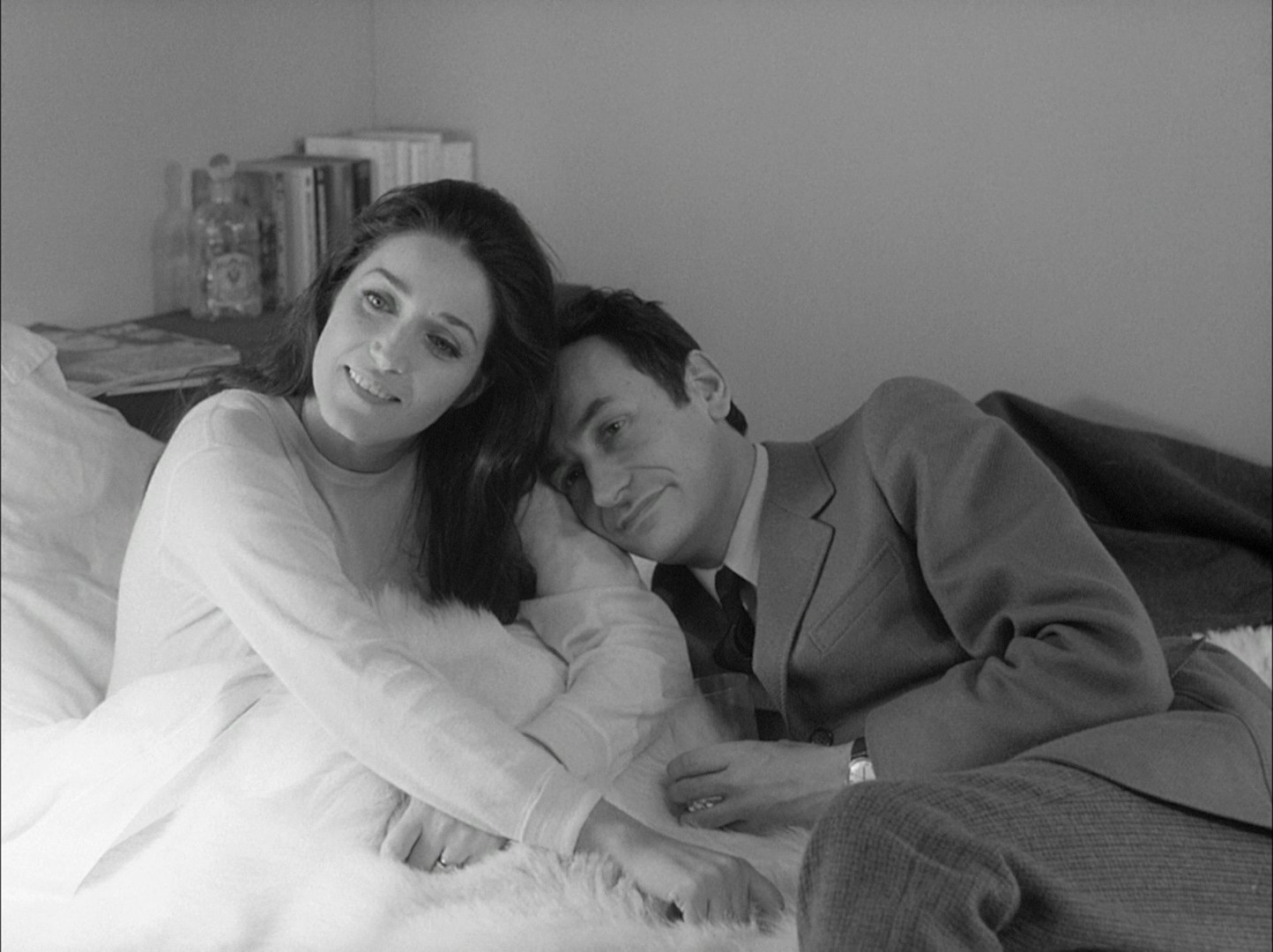
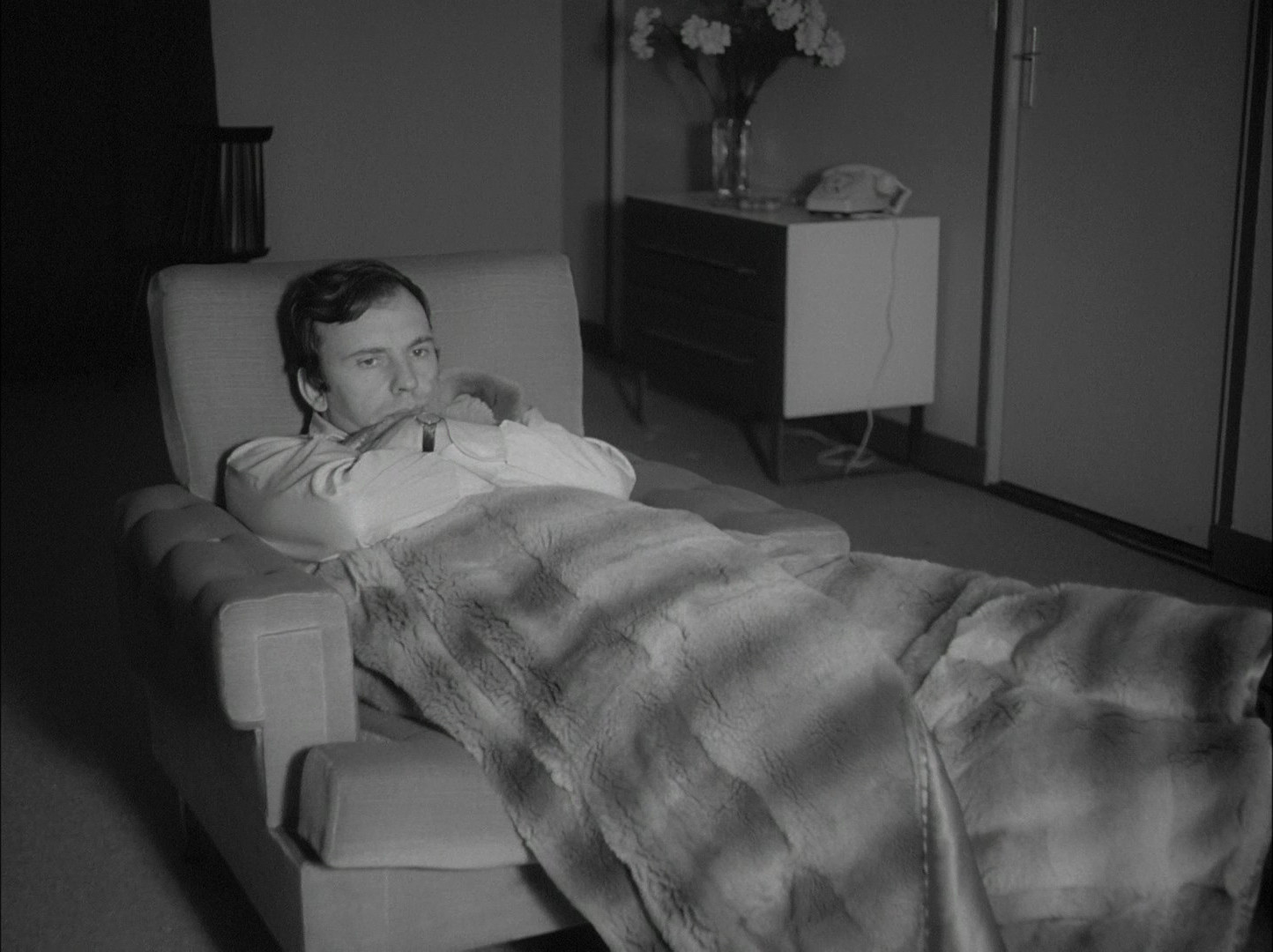
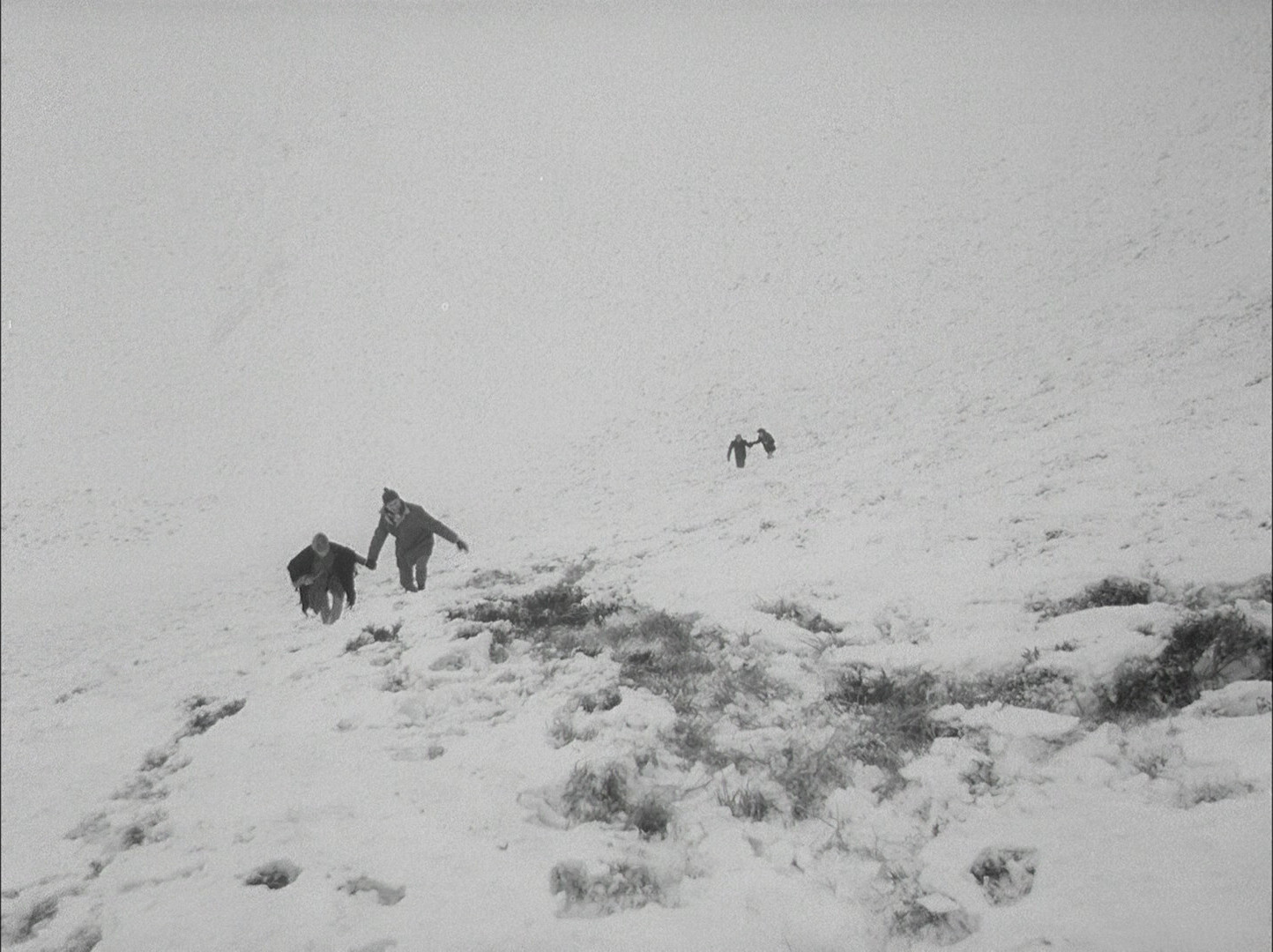
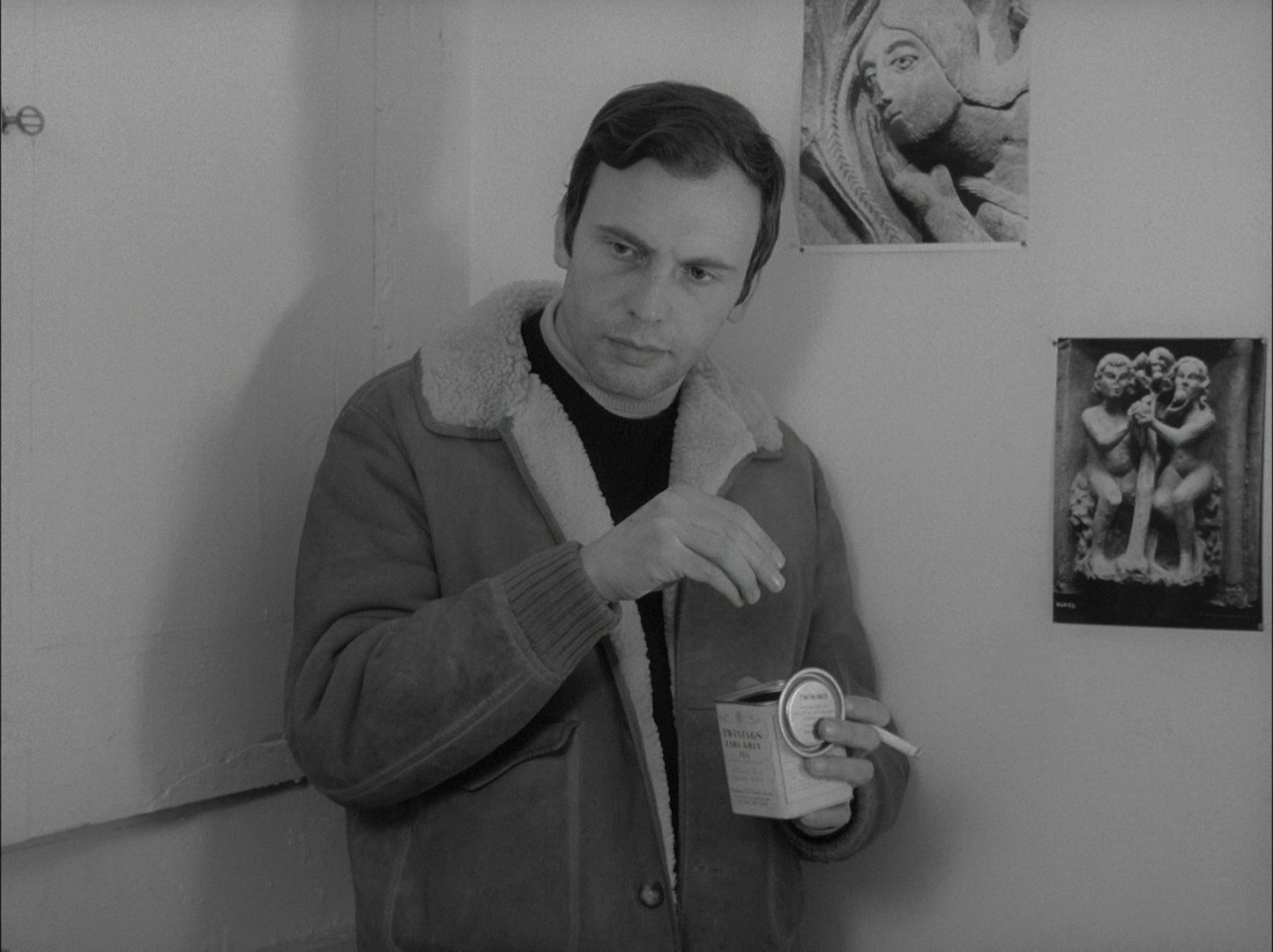
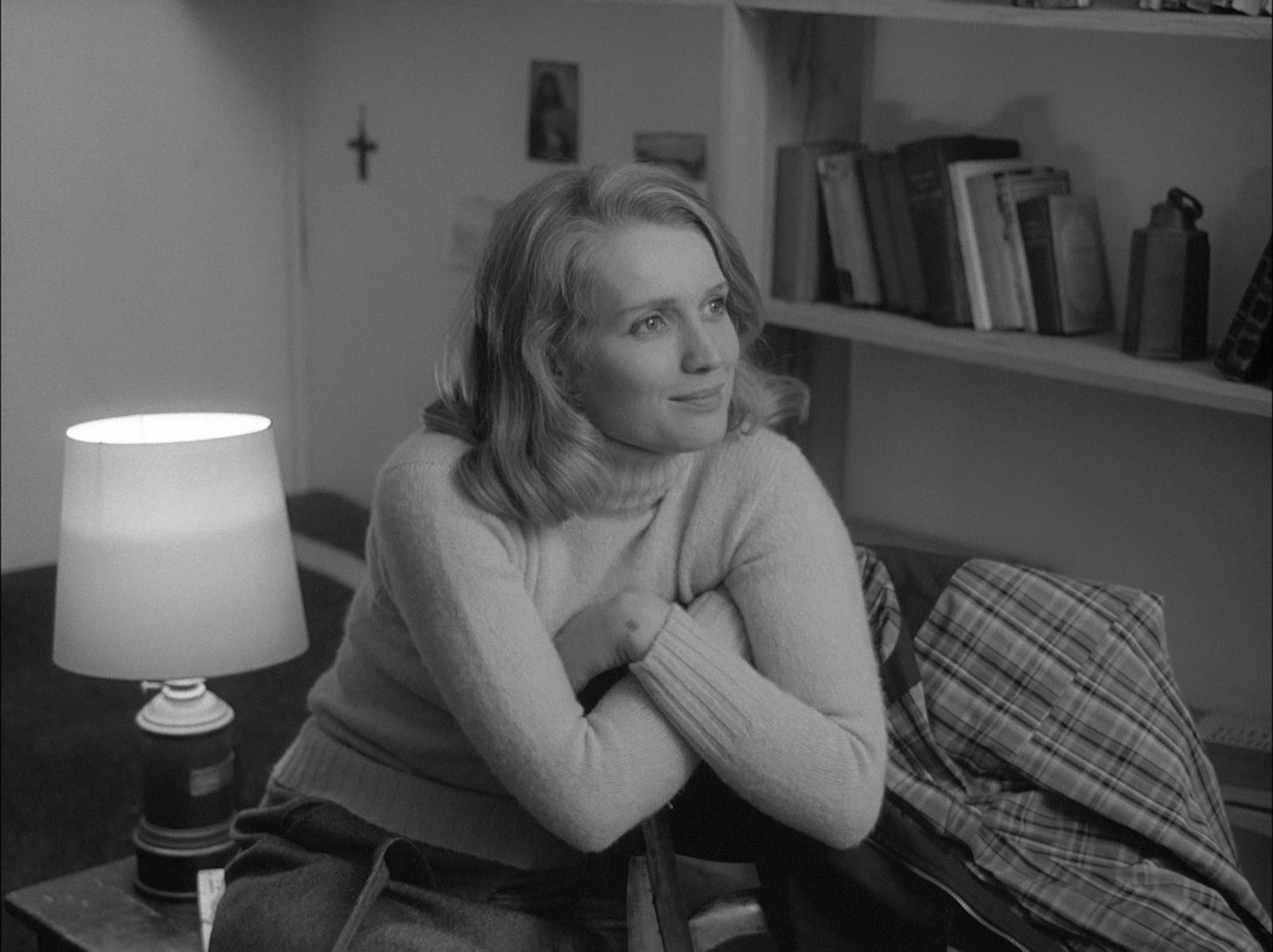
This movie has a much more scripted feeling than I’m used to from Rohmer. The dialogue zips and zings in a quite unnatural way. (I don’t mean that as a criticism.) But as usual, it looks really nice: Some of the shots are downright beautiful. And also as usual, the movie is almost all people talking to each other about like stuff and things.

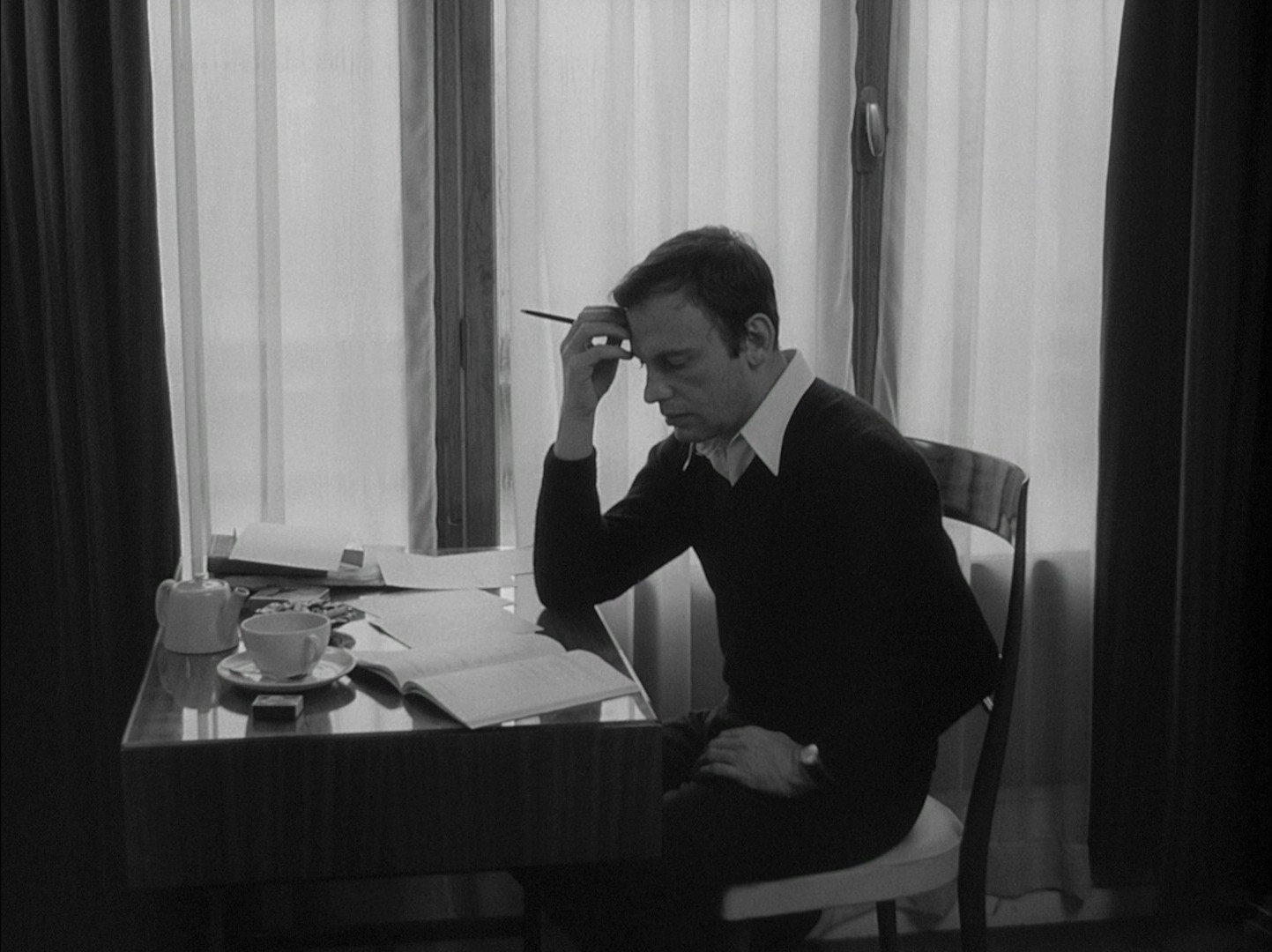
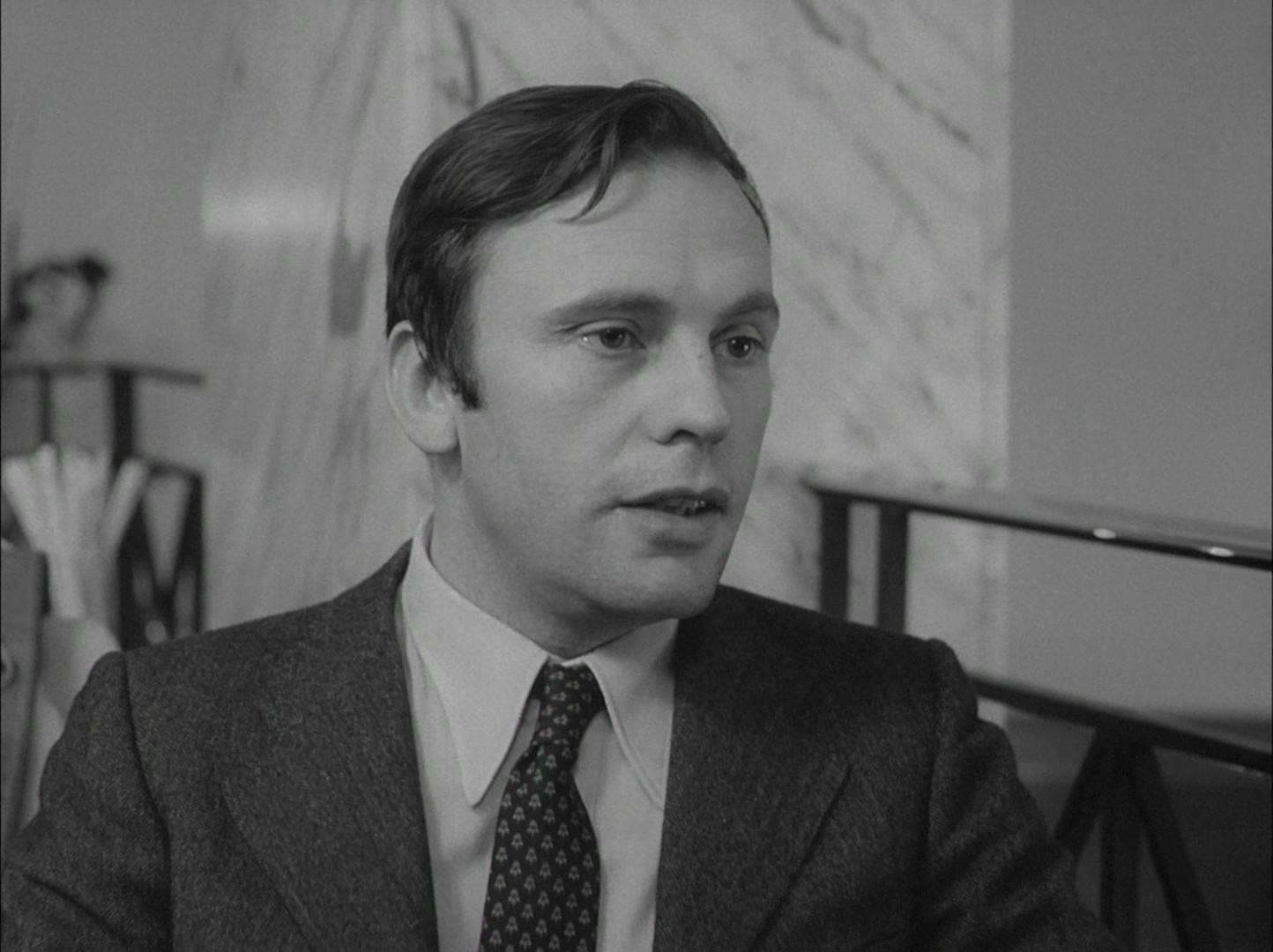
It’s a fascinating movie, but it has one huge problem: The guy who plays the main character. Which is… Jean-Louis Trintignant. OK, he’s hot shit (he played Georges in Amour), but he just seemed dead here. Or not interested.

[time passes]

OK, now I changed my mind. He has a kind of understated awkwardness that’s interesting.

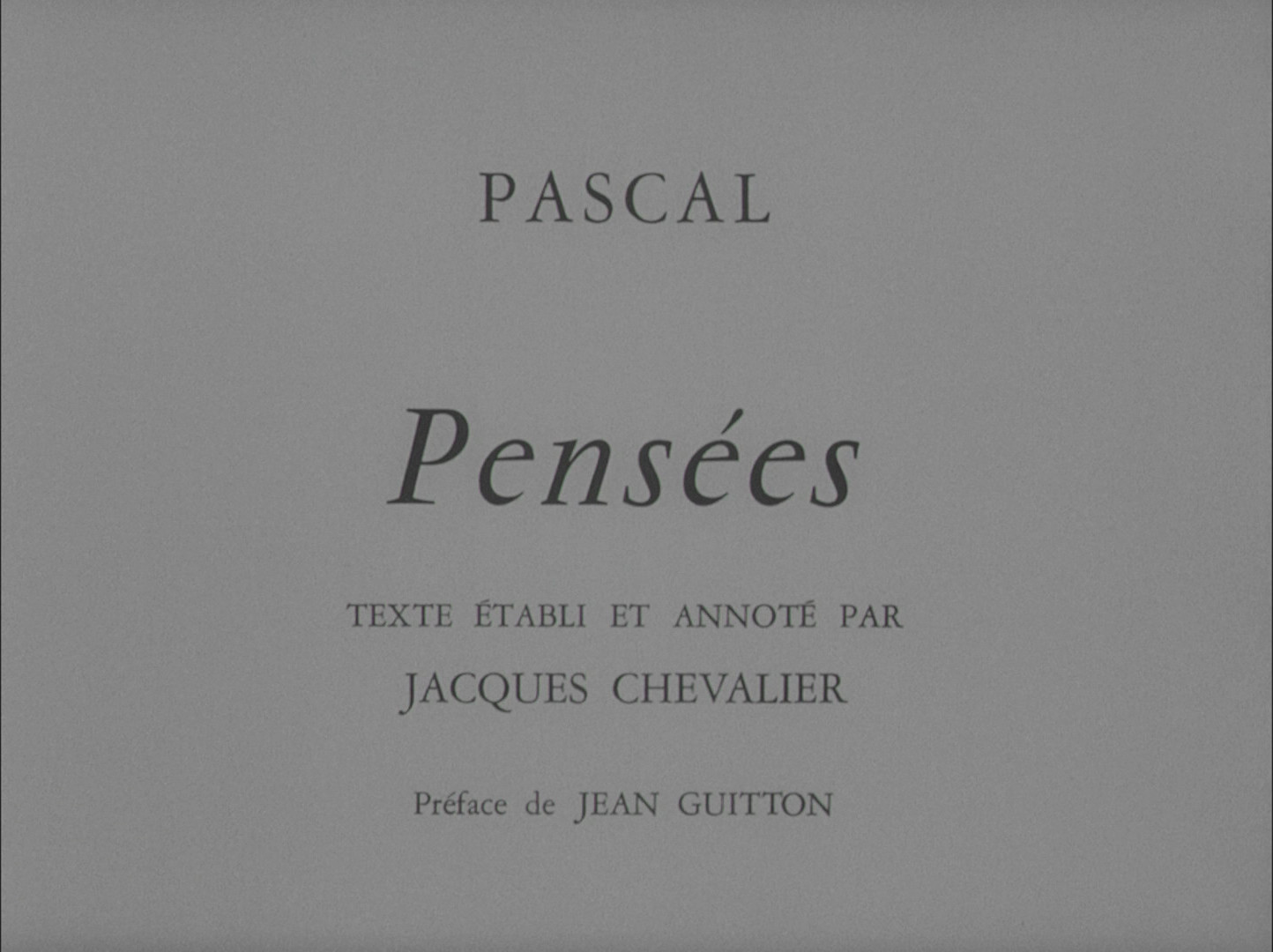
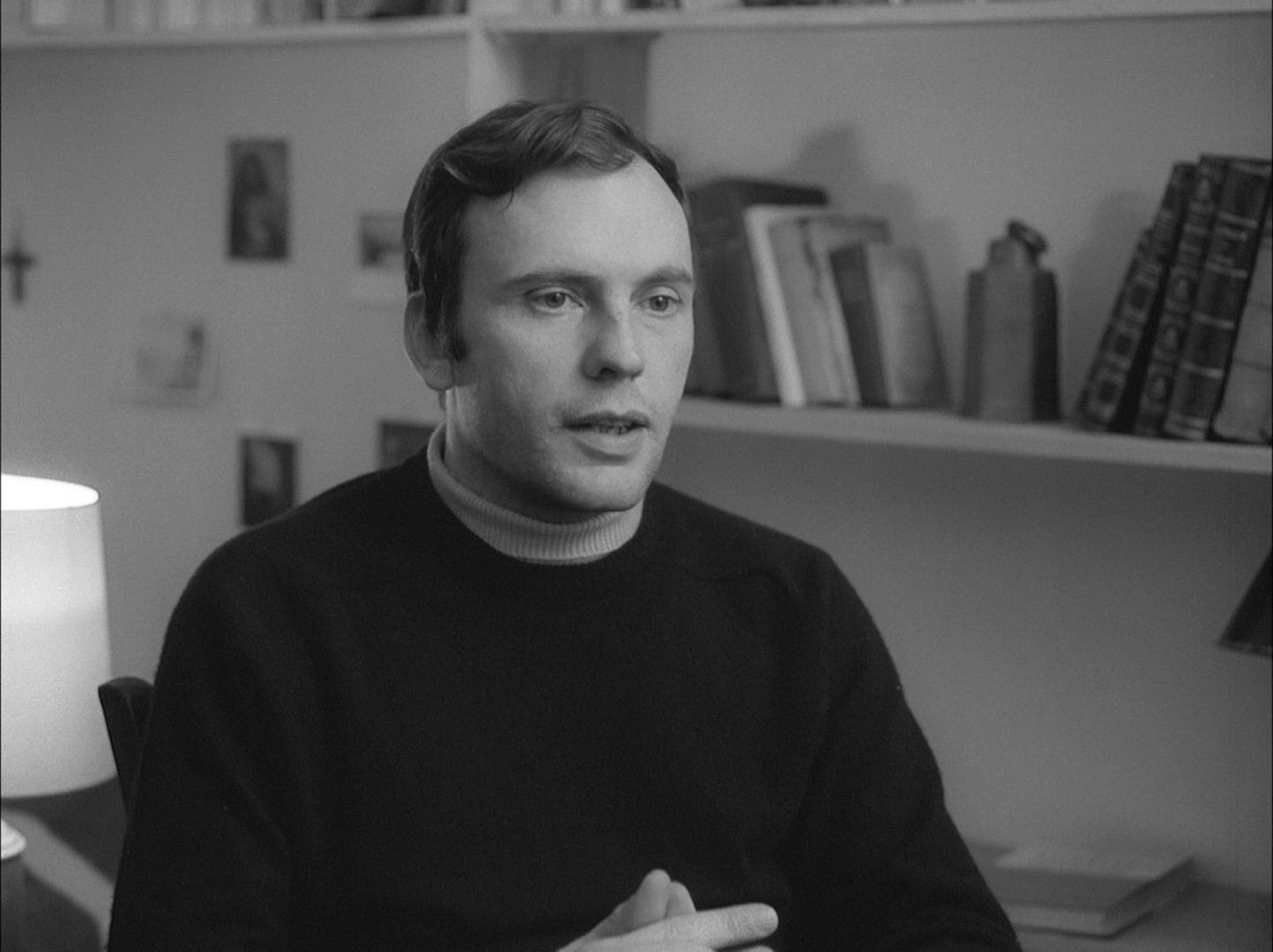
Perhaps this looks is a bit too on the nose? With the white collar and the black shirt? I mean, the movie’s about Catholic philosophy or something.

It’s a very clockwork movie. I mean, it doesn’t have much of a plot, and the subtext is made explicit in the main character being interested in somehow computing the likelihood of things happening to people. And then everything dovetails all too nicely into one neat bundle. But it was signalled so early on that when it happened (in the very final scene of the movie) I was more “finally!” then “whoooa!”

I mean, it’s all so neatly tied up that it feels a bit like cheating.

If this is the sort of movie Rohmer made early in his career, then I totally understand his dialling back the plot elements in his later movies.