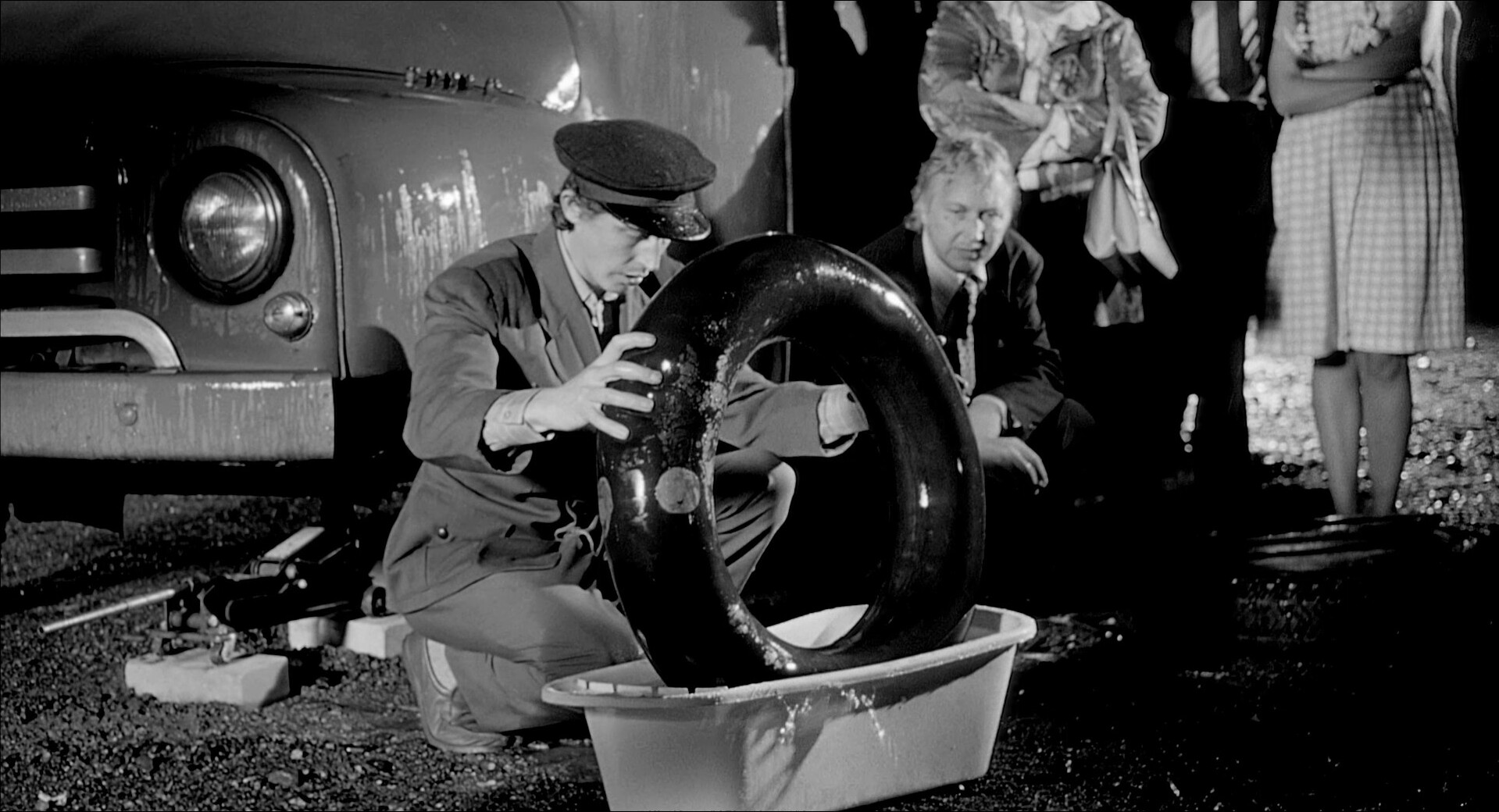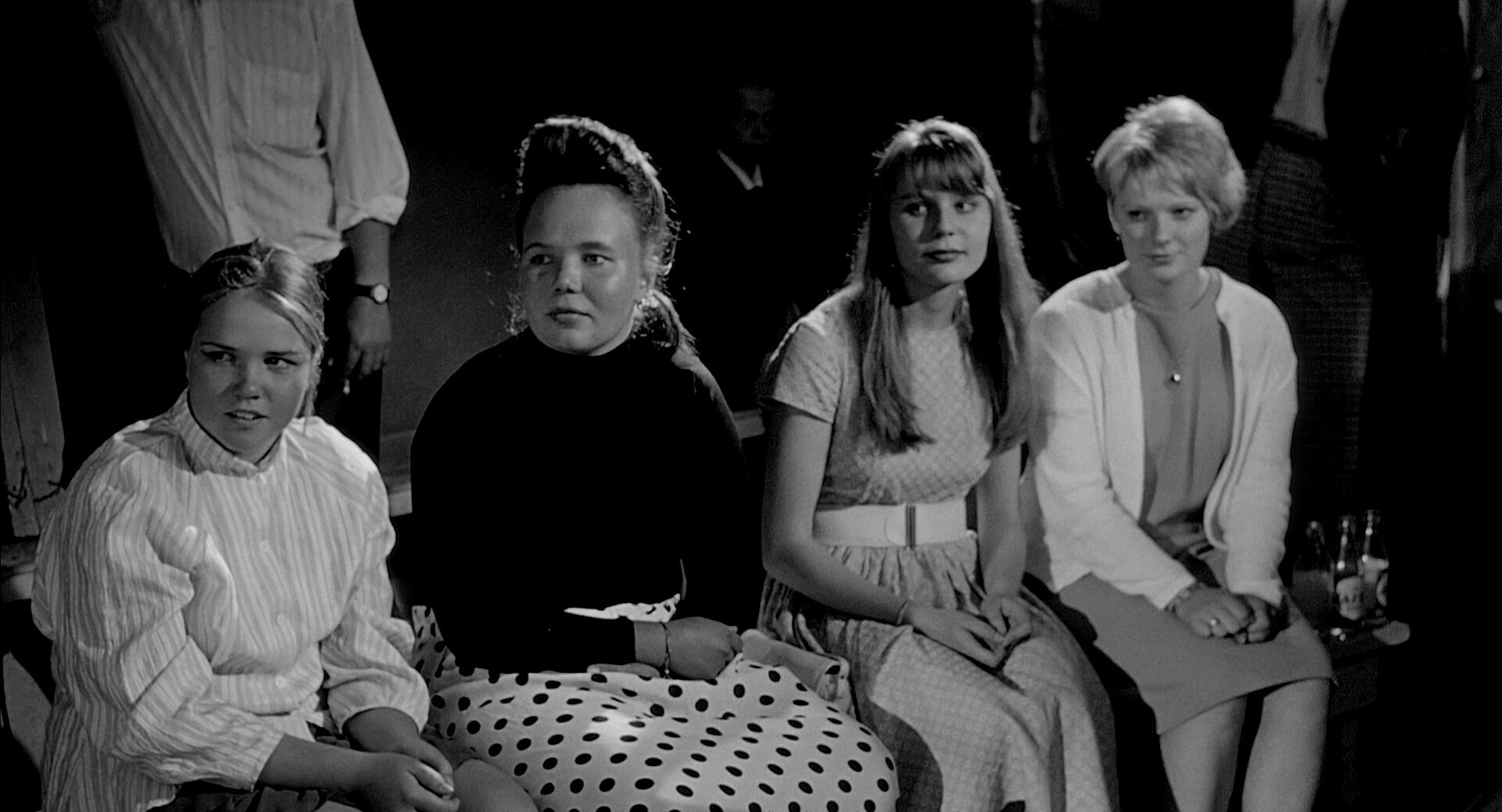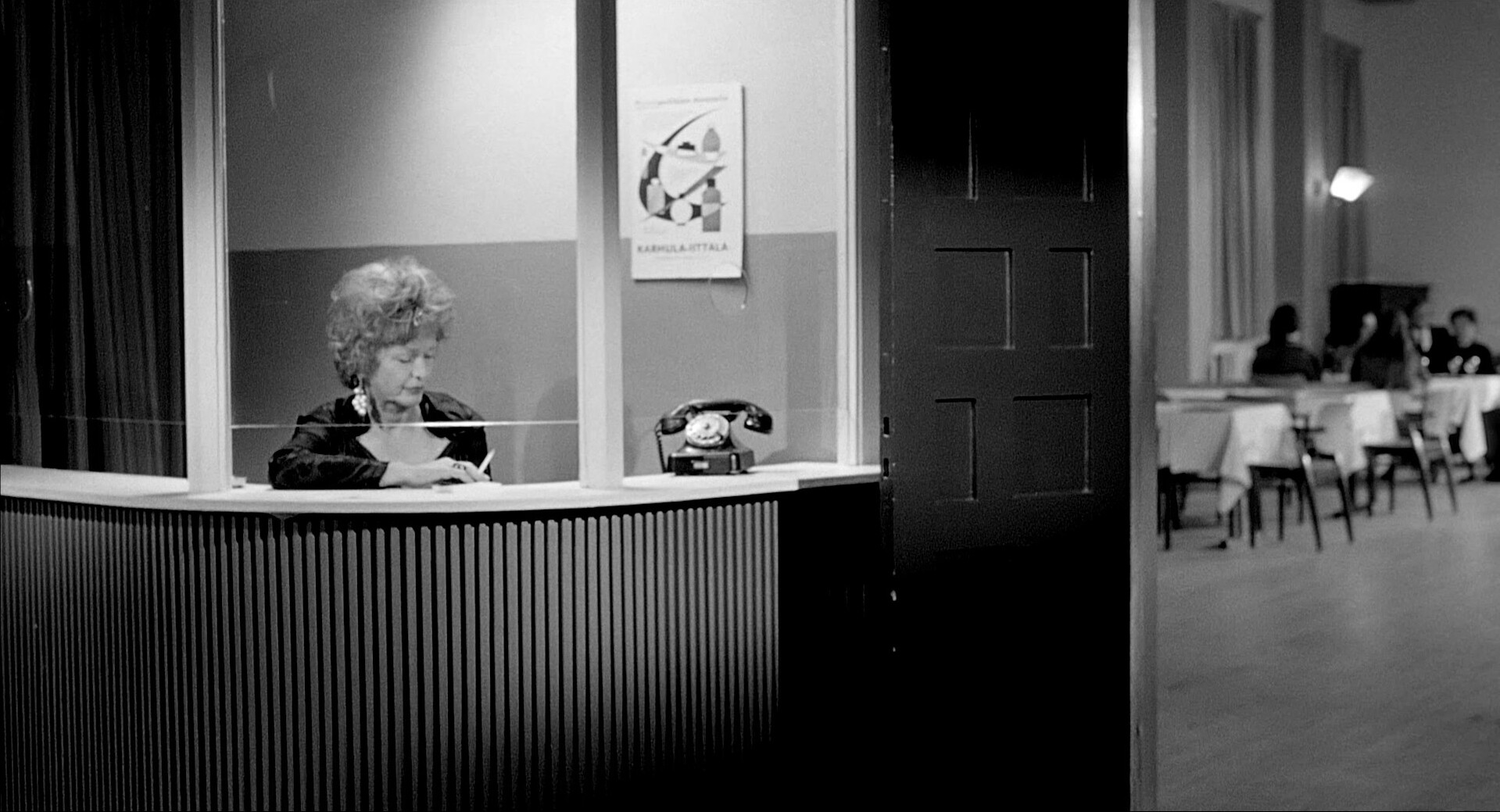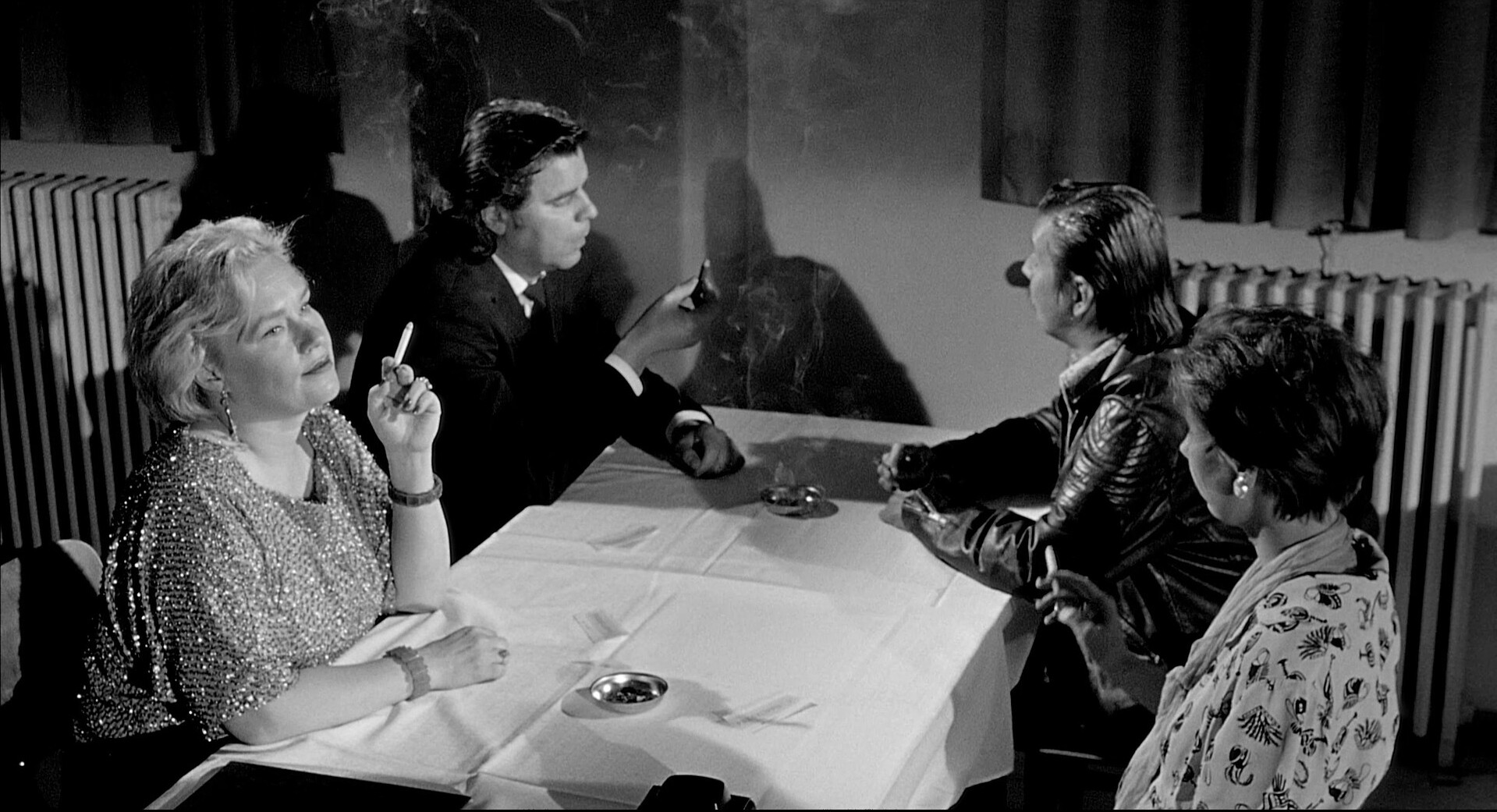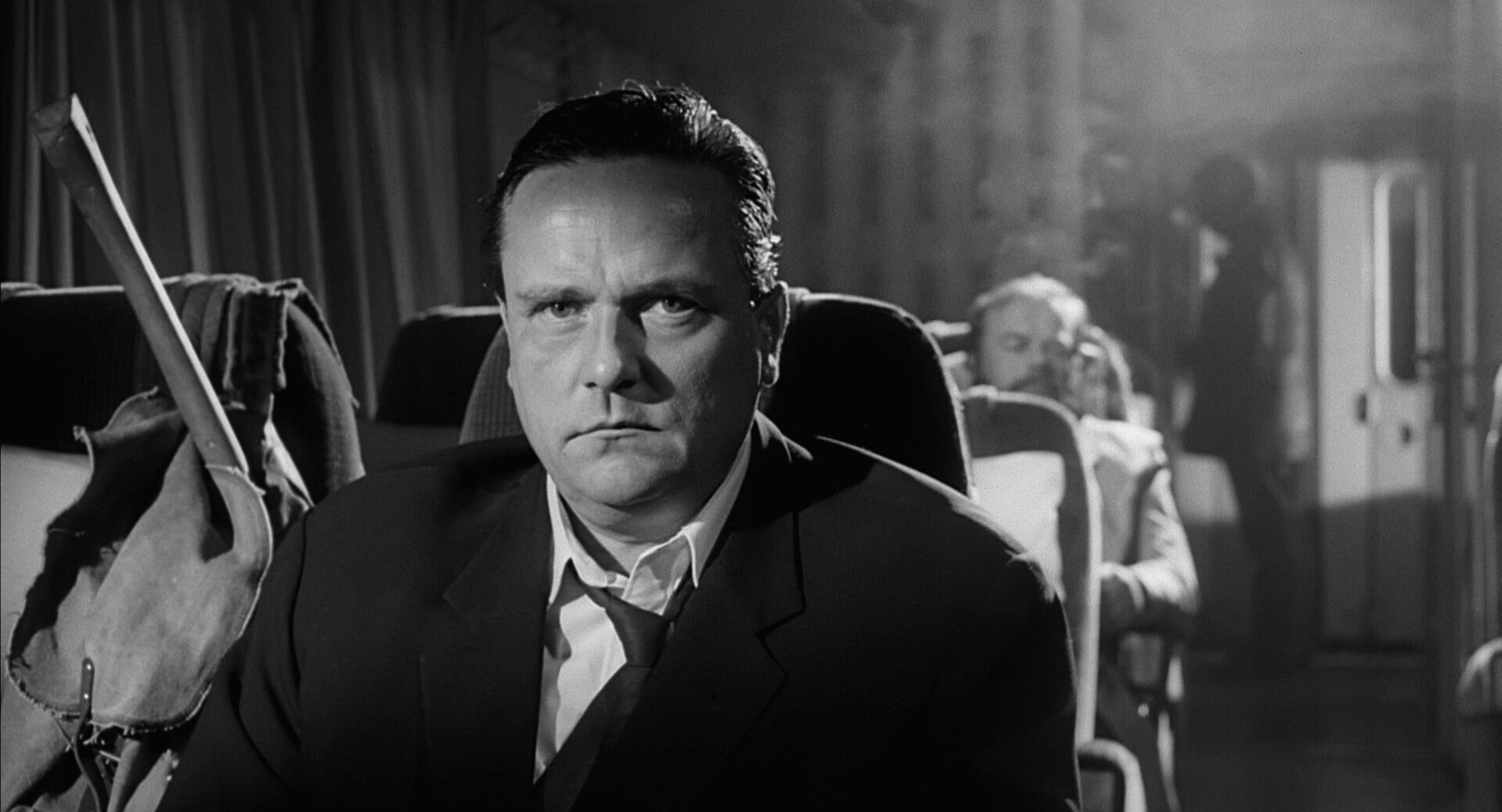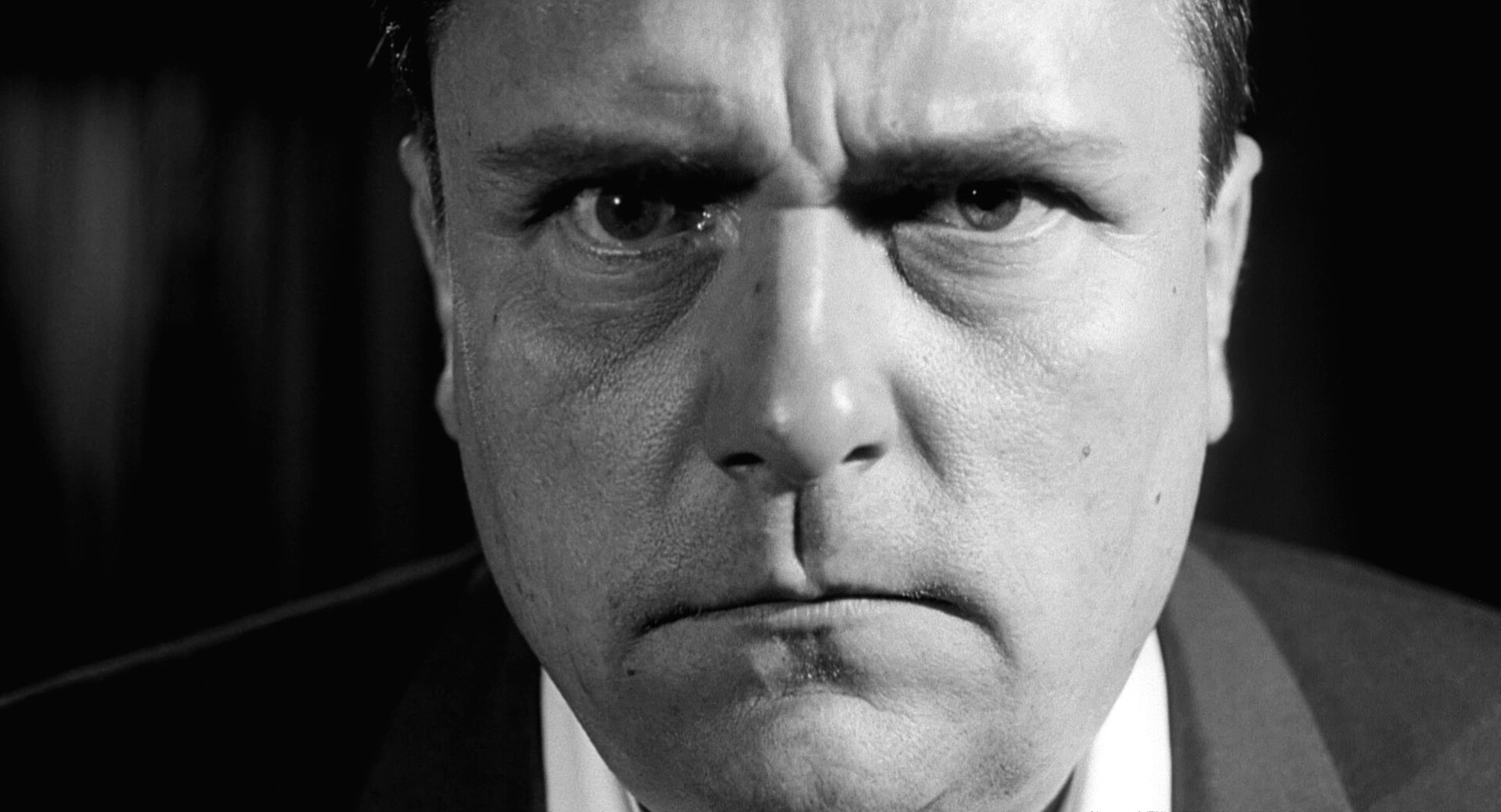
Torn Curtain

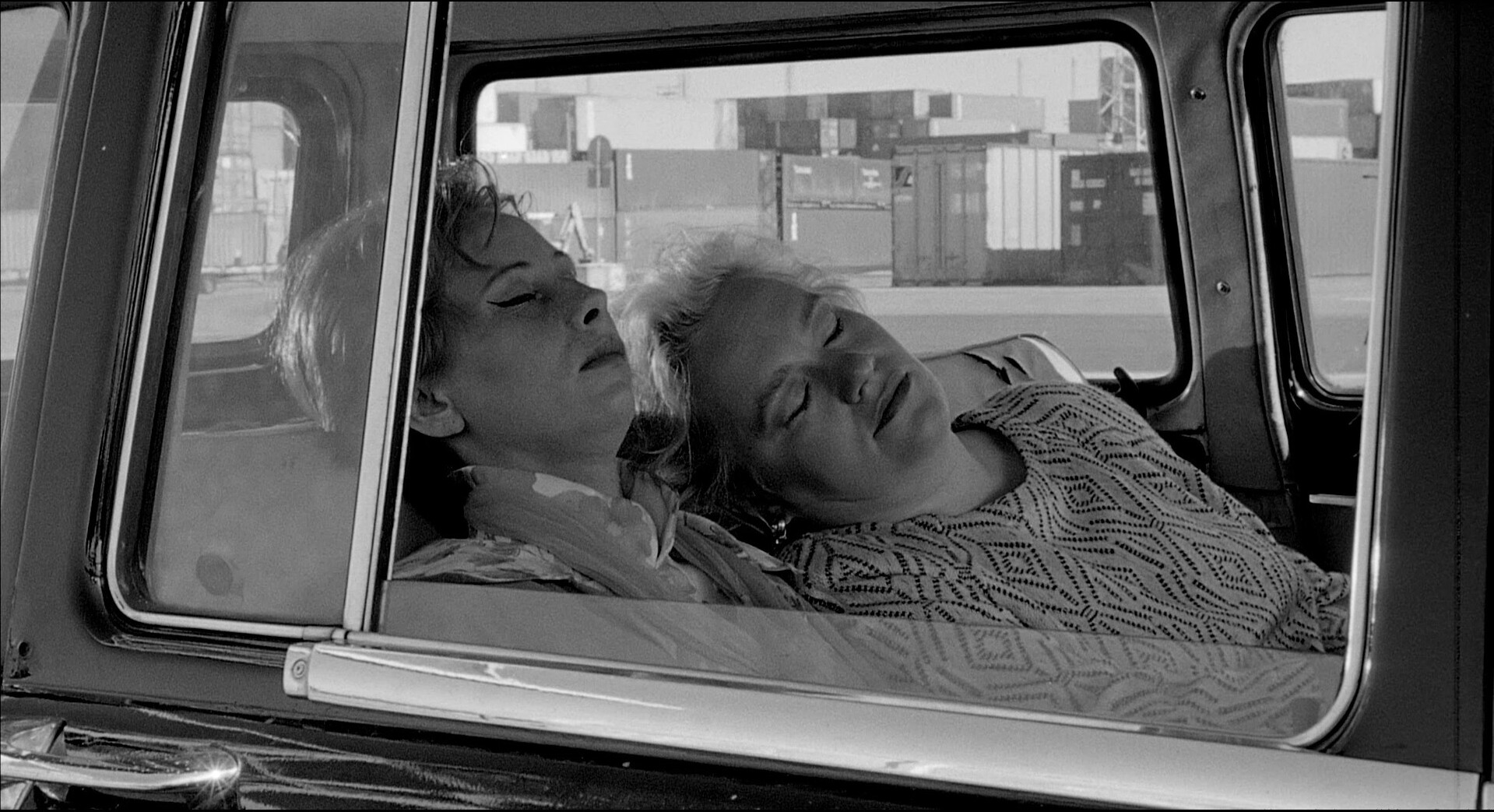
Torn Curtain. Alfred Hitchcock. 1966. ⚂

[twenty minutes pass]

OH! I thought this was the movie with the Dali dream sequence? I was thinking… “torn curtain to conscience” or something… but that’s Spellbound! Gah! I always expect Spellbound!

I must see it again sometime.

So this really is an espionage thriller?

*resets brain*

[twenty minutes pass]

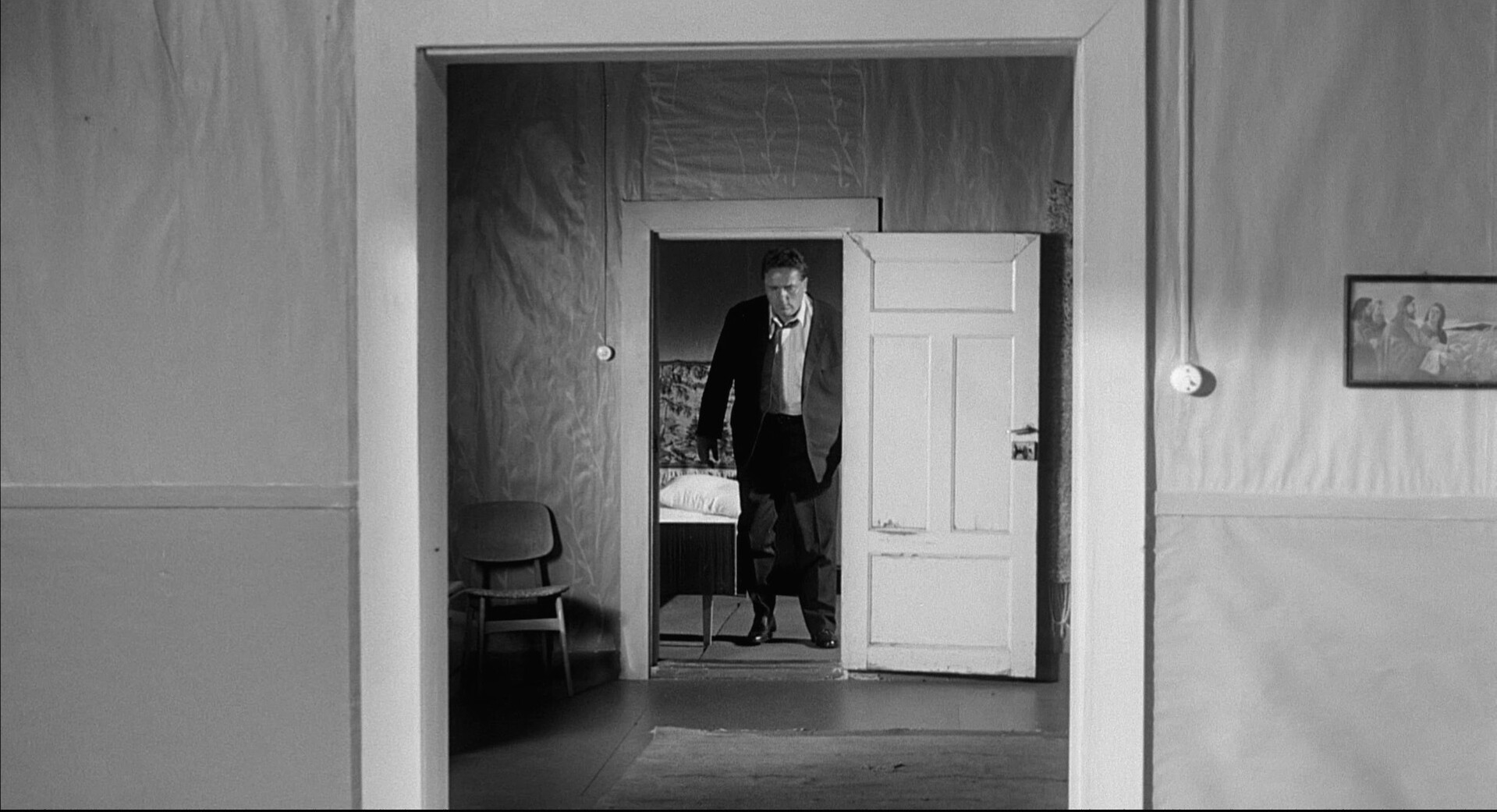
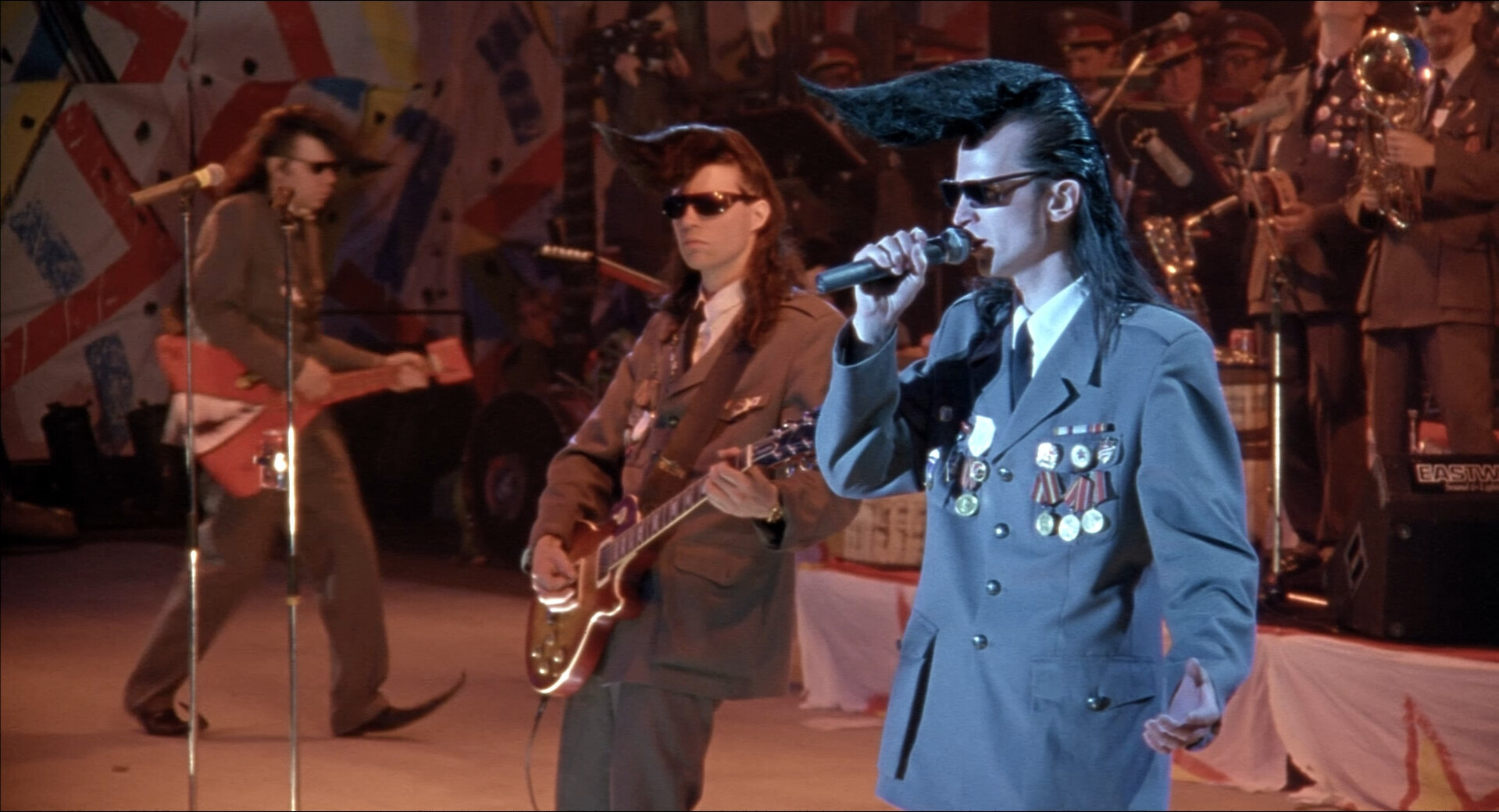
If this had been made two decades ago, I’d say the museum set was all CGI. But er it can’t be? It’s just so odd.

[five minutes pass]

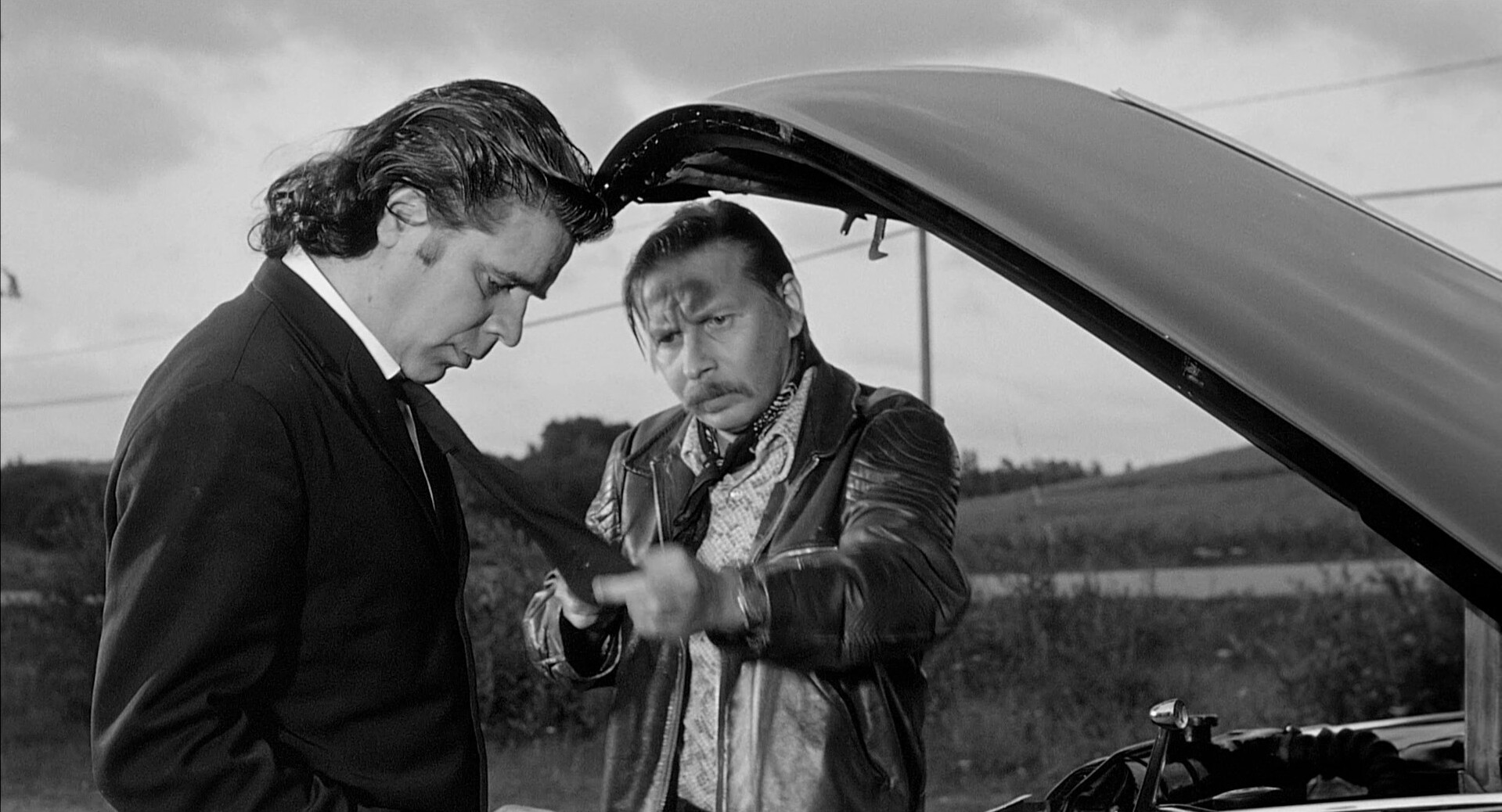
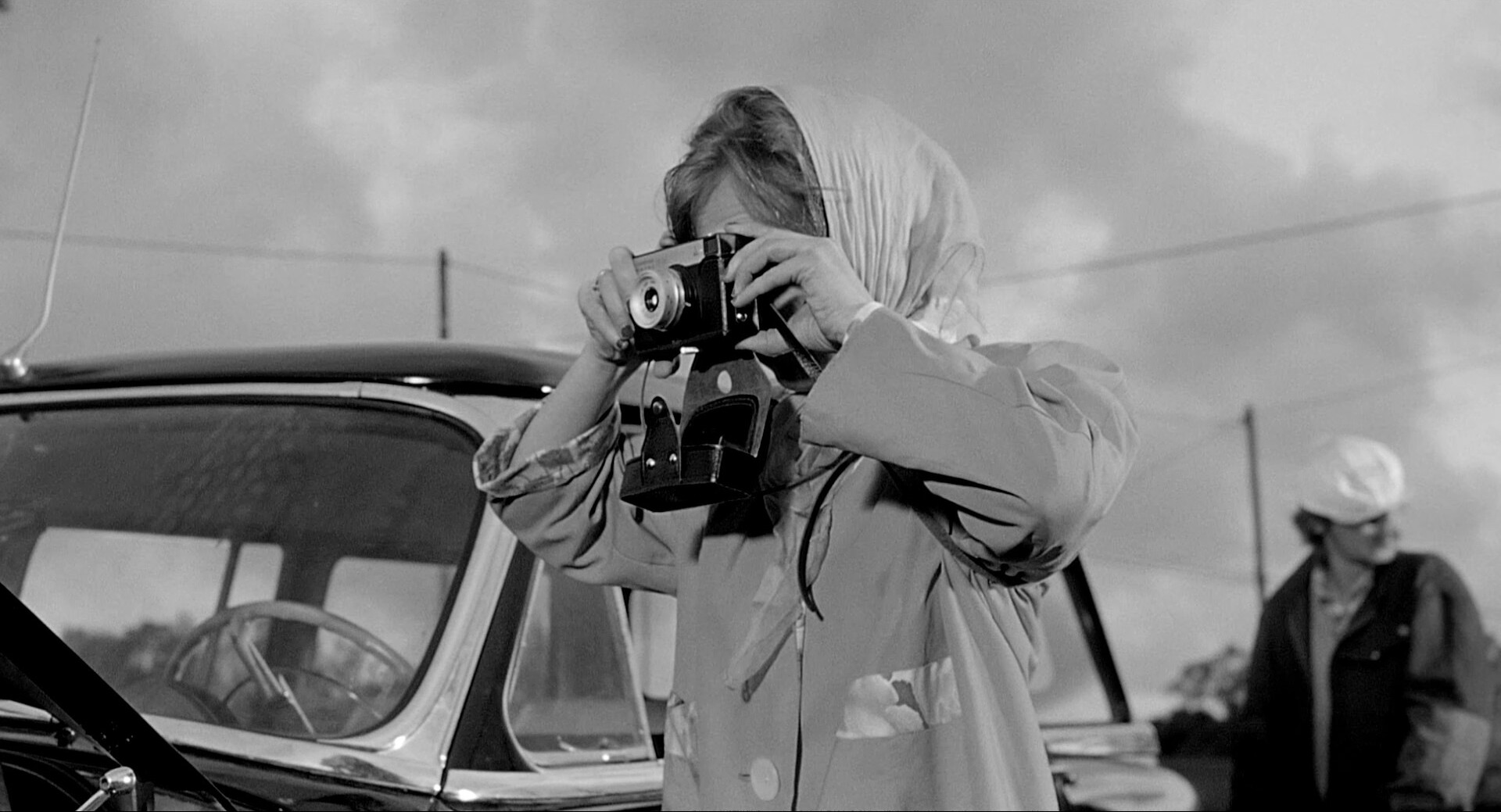
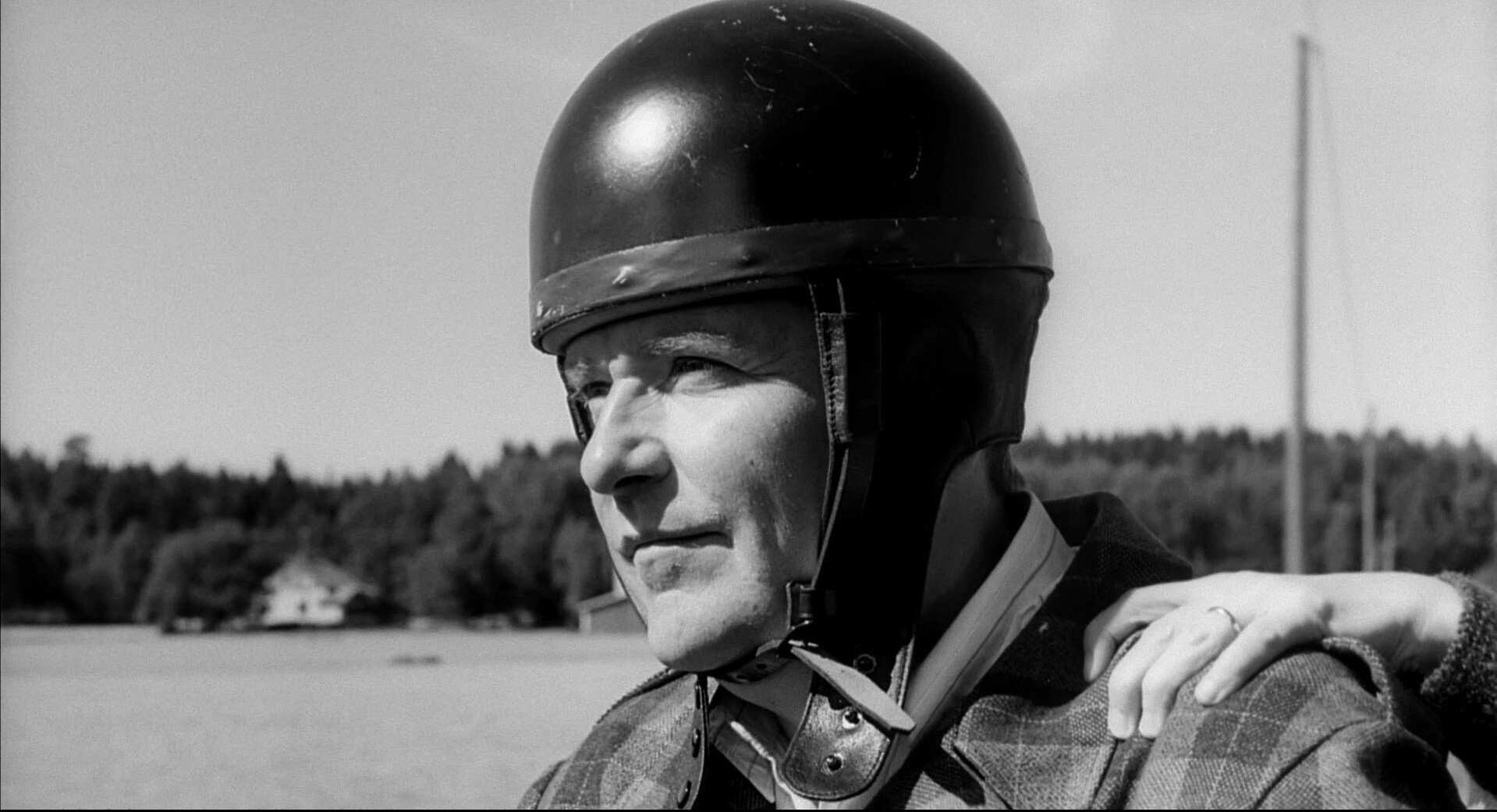
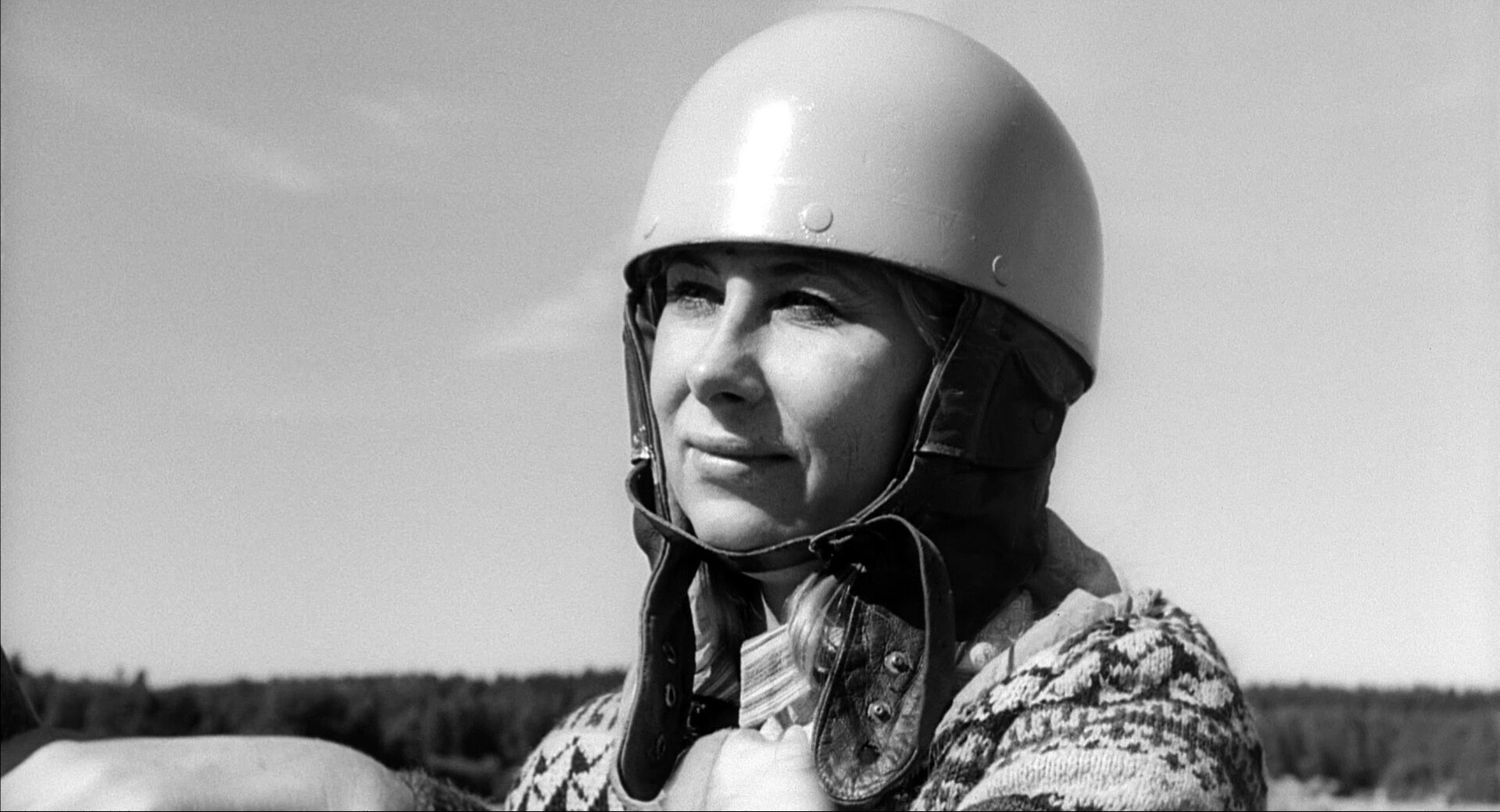
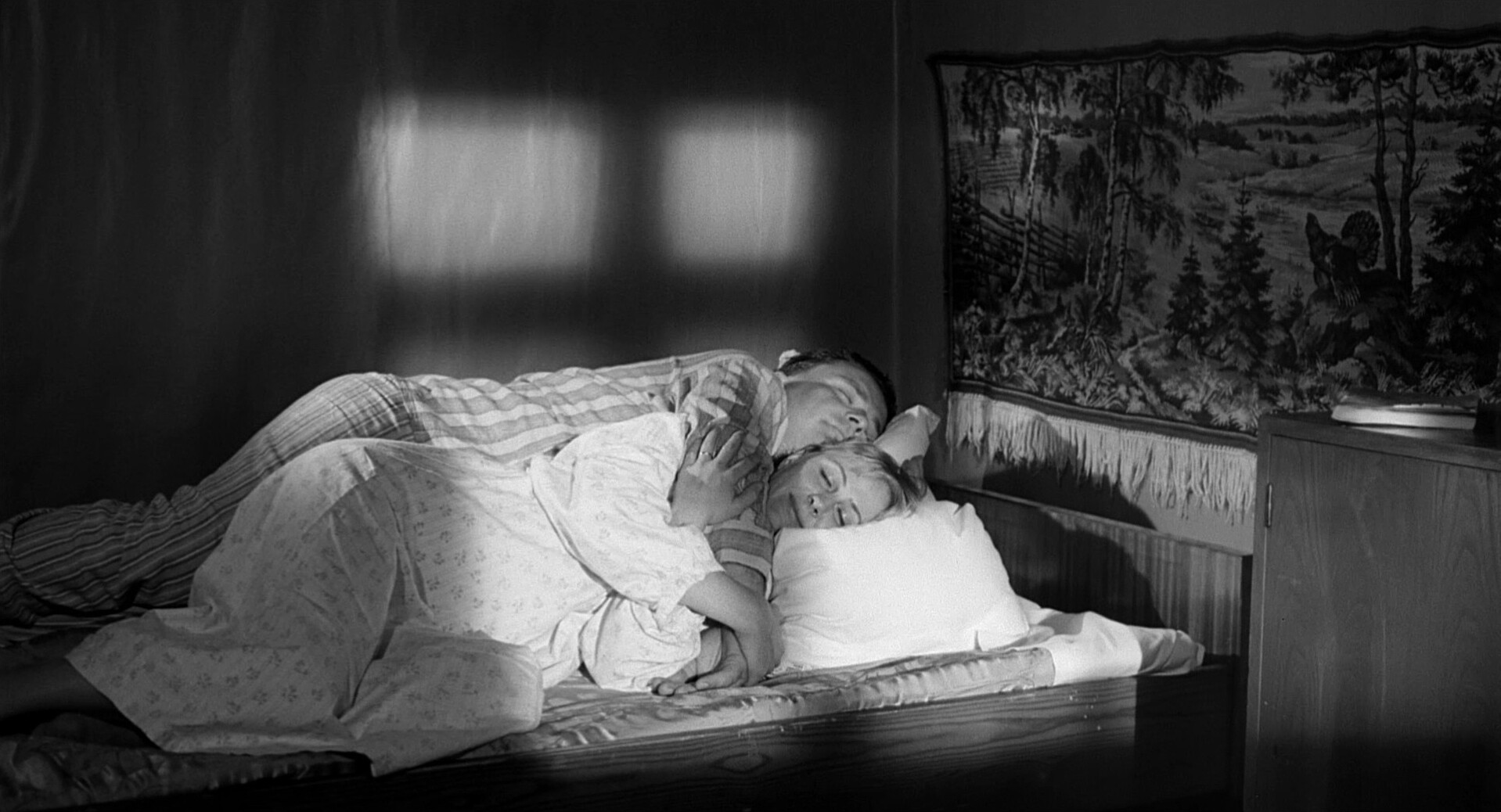
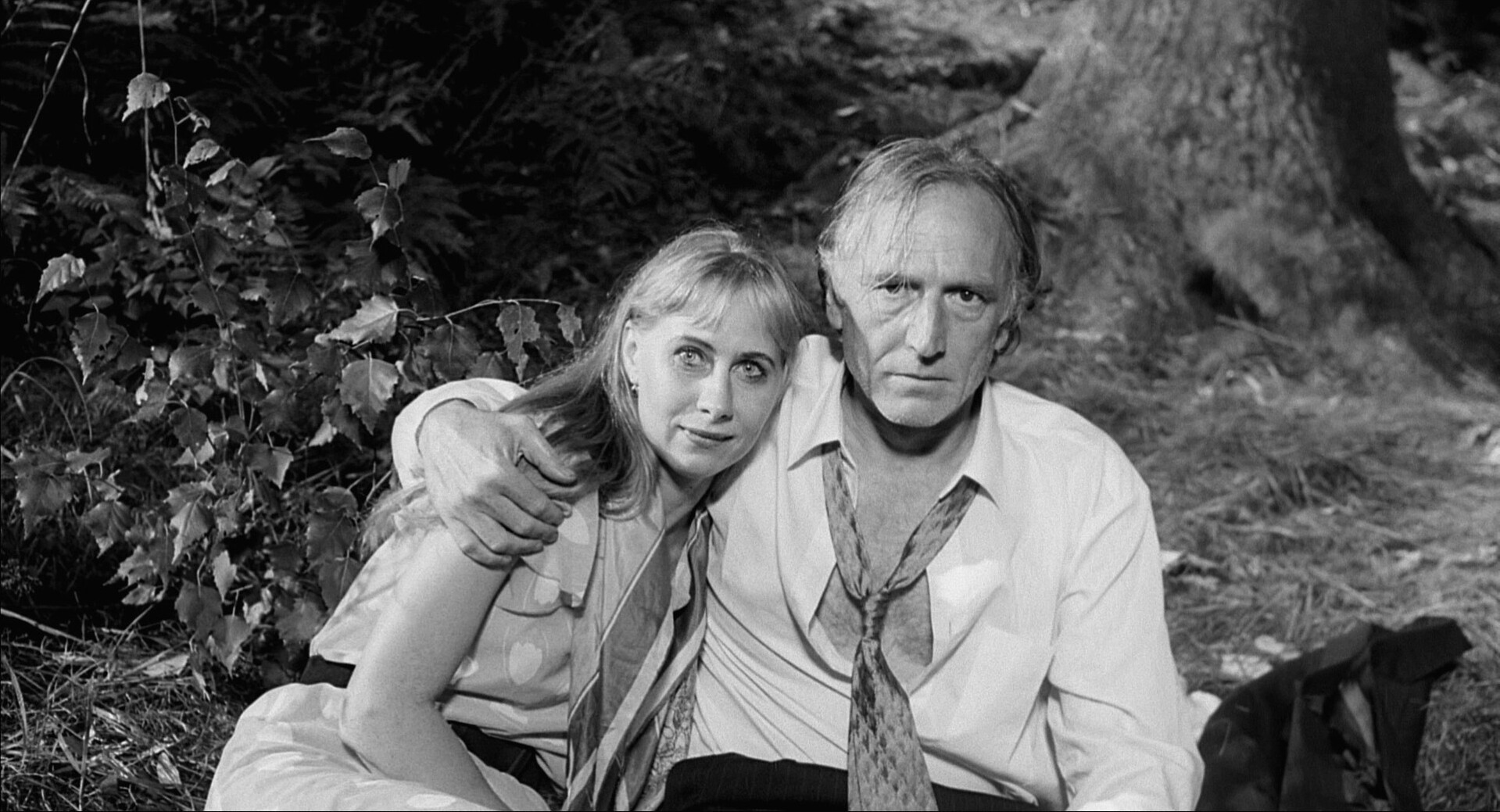
It’s just strange how … ungood this movie is. I mean, it has some great Hitchcock touches here and there, and the plot (a guy pretending to defect to get some science secrets) is fine. But it just isn’t exciting. Is the problem Paul Newman? He seems pretty checked out, and he can be pretty intense. Julie Andrews? Yes, she’s sleepwalking through this movie.

It just seems to go on and on, with one kinda-not-bad shot after another, but nothing ever seems to connect.

[ten minutes pass]

Oh! I’ve seen this before! Nothing really seemed familiar until the slo-mo German killing scene, which I totally did remember. I must have seen this as a teenager?

Was that the scene that made Hitch do this movie? Because it’s totally something he’d want to do — all those technical challenges…

[fifty minutes pass]

Why is this movie so long? The movie seems so uninspired that I’m wondering whether Hitch just went “eh, I can’t be bothered looking at the edits” and they kept all the filmed scenes because they were too scared to do anything else.

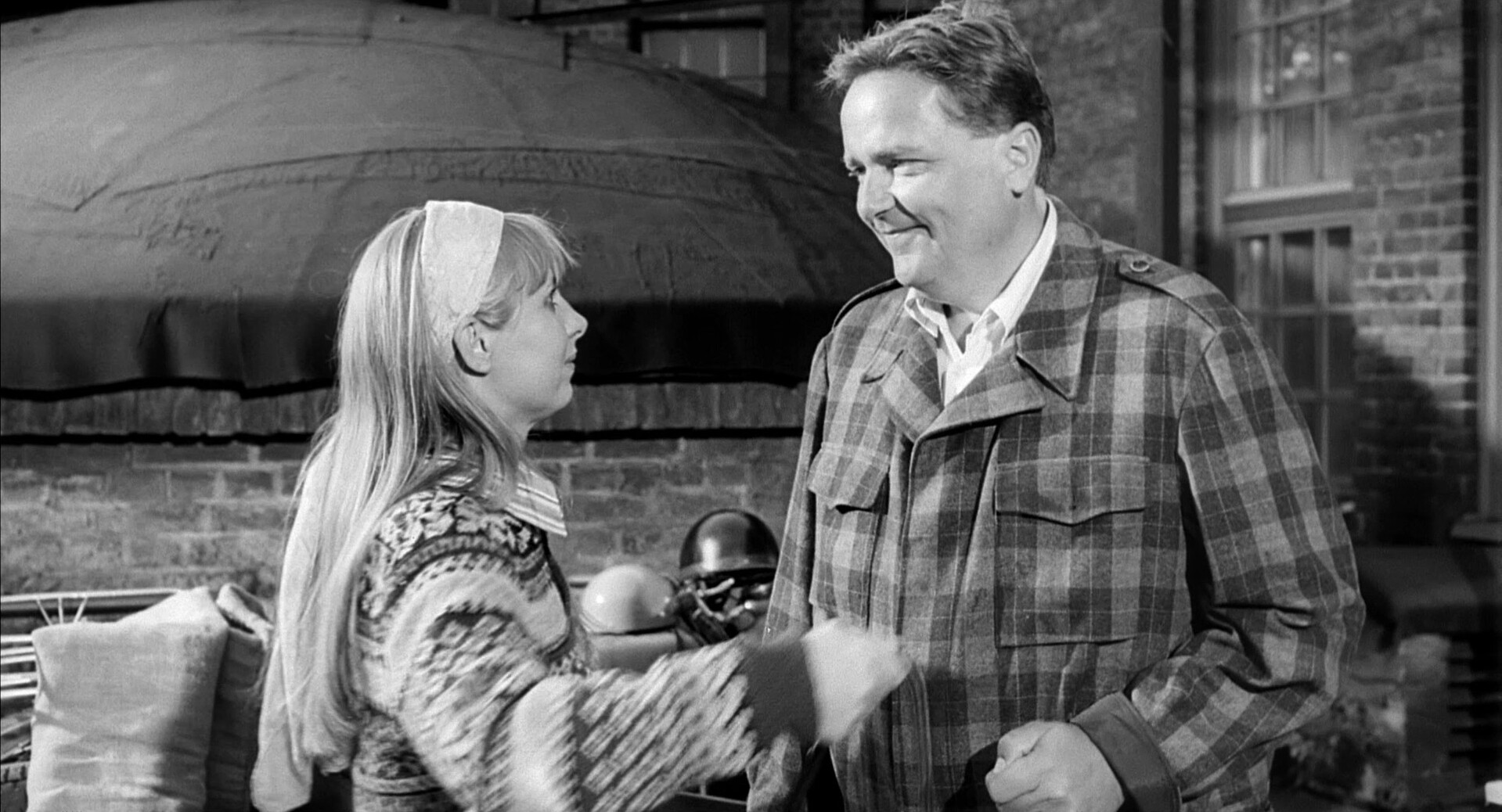
There’s zero chemistry between Paul Newman and Julie Andrews. It’s like a void… I keep forgetting that they’re supposed to be lovers.

Ooooh. That would have been awesome:

Hitchcock had to compromise in his casting choices. Initially, he wanted Eva Marie Saint, the blonde star of North by Northwest, for the female lead. Hitchcock also spoke in 1965 to Cary Grant about appearing in the film, only to learn that Grant intended to make just one more film and then retire.

Yeah, I can see how that would be annoying:

Universal Pictures executives insisted on famous stars being cast for the leads. Paul Newman and Julie Andrews were imposed on Hitchcock by Lew Wasserman, the studio executive, rather than being his real choices. The director felt that the stars were ill-suited to their roles, while their salaries of $750,000 took a big part of the film’s $5 million budget.

Oh, now everything makes sense:

As she was much in demand, Andrews was only available for a short period of time, and that meant that the production of the film was rushed, although Hitchcock was not yet satisfied with the script.

Chin infection!??!:

The shooting schedule lasted three months, including a two-week hiatus while Paul Newman recuperated from a chin infection.

This may well be the best Wikipedia article ever:

When Newman, a Method actor, consulted Hitchcock about his character’s motivations, the director replied: “motivation is your salary.”

[the end]

Well… there’s some fun shenanigans at the end, but it… it just doesn’t work? Sure, it’s Hitchcock — there’s a bunch of scenes here that are exciting. I can just imagine how great it would have been with Eva Marie Saint and Cary Grant…

Now I’m watching the bonus bits on the blu ray: Hitch had reservations about the scripts, and sent it off to some script doctors who reported back that the basic plot is good (it is), but that the dialogue “is flat as has no sparkle”. Exactly. This could have been so much fun!

But Hitch didn’t have time to revise the script due to Andrews’ tight schedule.

*sigh*

The guy doing the narration on the bonus bits is easy to hate, though. “Good stories are structured in three acts.” Fuck you, asshole. Nothing has fucked up movie making as the idea of the three act structure, which has become rote and repugnant.

Where Eagles Dare

Where Eagles Dare. Brian G. Hutton. 1968. ⚃

I’m pretty sure I saw this as a child? But I’m rewatching it now not out of an interest in seeing it again, really, but because I’m going to be reading Geoff Dyer’s book about it.

So I thought it would make sense to familiarise myself with it again, even if it’ll take longer to watch the movie than to read this slim book.

[two minutes pass]

Oh! Clint Eastwood! I’d forgotten that he was in this… I thought it was an all-British movie…

[twenty minutes pass]

Oh, that’s why that book is called what it’s called.

[twenty minutes pass]

The Gestapo guy looks so weird that I was wondering whether they’d put some silly putty on his face to sculpt his lower lip. But no:

That’s really what he looks like.

Anyway… this is an oddly old-fashioned movie for 1968. The makeup and hair styles (especially on the women) look very 1968 indeed, but the pacing and acting style of everybody (except Eastwood) is very 50s.

So it’s a throwback of sorts.

But I don’t mind that, really. I don’t even mind the long, slow scenes of plot development and moving everybody into position… it’s well made and easy on the eyes.

That is, there’s nothing annoying here.

On the other hand, it’s hard to get excited about this. It’s all very… professional? Yeah, I guess that’s the word to use.

[an hour passes or something]

The plot twists are really fun. I didn’t remember that super-twisty scene before I saw it, but as I was watching it my brain was going “yes and then… and then… and…” So that was the scene that had been embedded in my brain since I was a child.

And also the scene where they were jumping between those cable cars in the sky… The rest rings no bells.

Anyway, I’m wondering now more than before why Dyer wrote a book about this movie. His Zona book (about Stalker, which made me rewatch that movie, too) was based on a really amazing well masterpiece. This is a solid, good war movie, but… Is it going to be more like Richard Ayoade’s book on View from the Top?

Probably not, but I’m definitely intrigued.

[the end]

The exciting scenes are so exciting that it’s easy to forget that there’s a bunch of scenes here that are really tired. It’s not a case of the movie being too long — it kinda isn’t? But it’s not really… a totally successful movie.

One thing I do really love about the movie is the quiet competence of all the characters. No histrionics or banter, just… good at what they’re doing. There’s so much to like about this movie that I’m sad I don’t like it more as a whole.

Je tu il elle

Je tu il elle. Chantal Akerman. 1974. ⚃

[thirty minutes pass]

“OK, I need somebody to be naked in front of the camera for most of the movie… OK, I’ll just do it myself.”

Said no male director ever.

So this is just Akerman herself in a room. With a camera. It’s hypnotic. On the other hand, I’m really drunk, so I don’t really knwo.

Know.
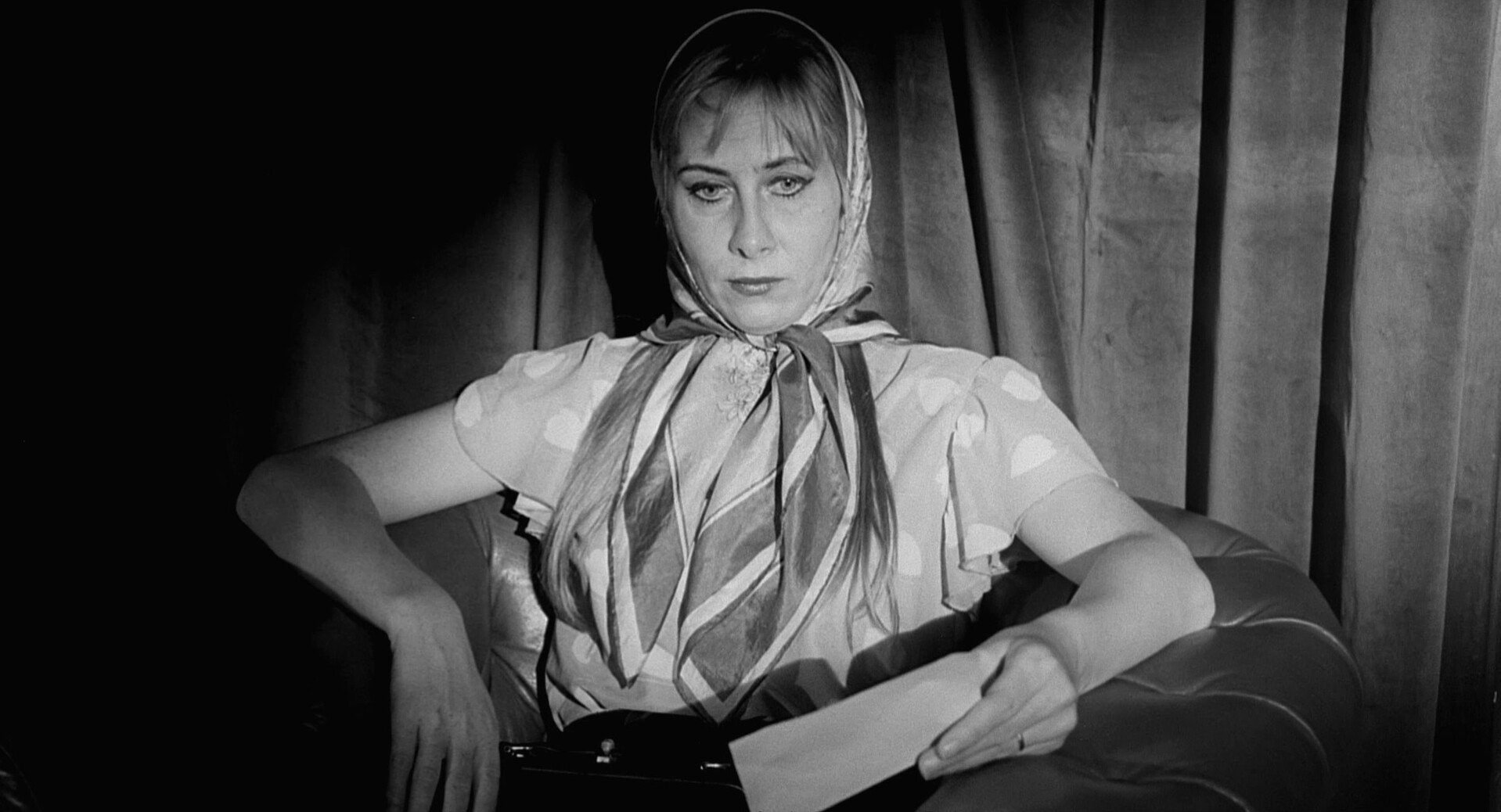
The most shocking thing here is that mattress without any bedding. I mean, I’m horrified!!!1!
[ten minutes pass]

But when we leave that room, the tension of the movie just seems to go poof. The truck driver just doesn’t seem to be that interesting… Which is just weird.

I think there’s some unresolved class issues going on here.

[ten minutes pass]

The first half is fascinating, but the middle part is excruciating. The guy is saying nothing interesting, and the shots reflect that. And it’s so… fake… the truck driver is moving the wheel around like he’s on a dodgem ride. And he talks like… he’s an actor, which he is. Everything he does reads fake, from driving to peeing (taking a tenth of the time it really does).

If this movie had just been Akerman on a mattress, it’d have been 1000x better.

But the last bit is good.