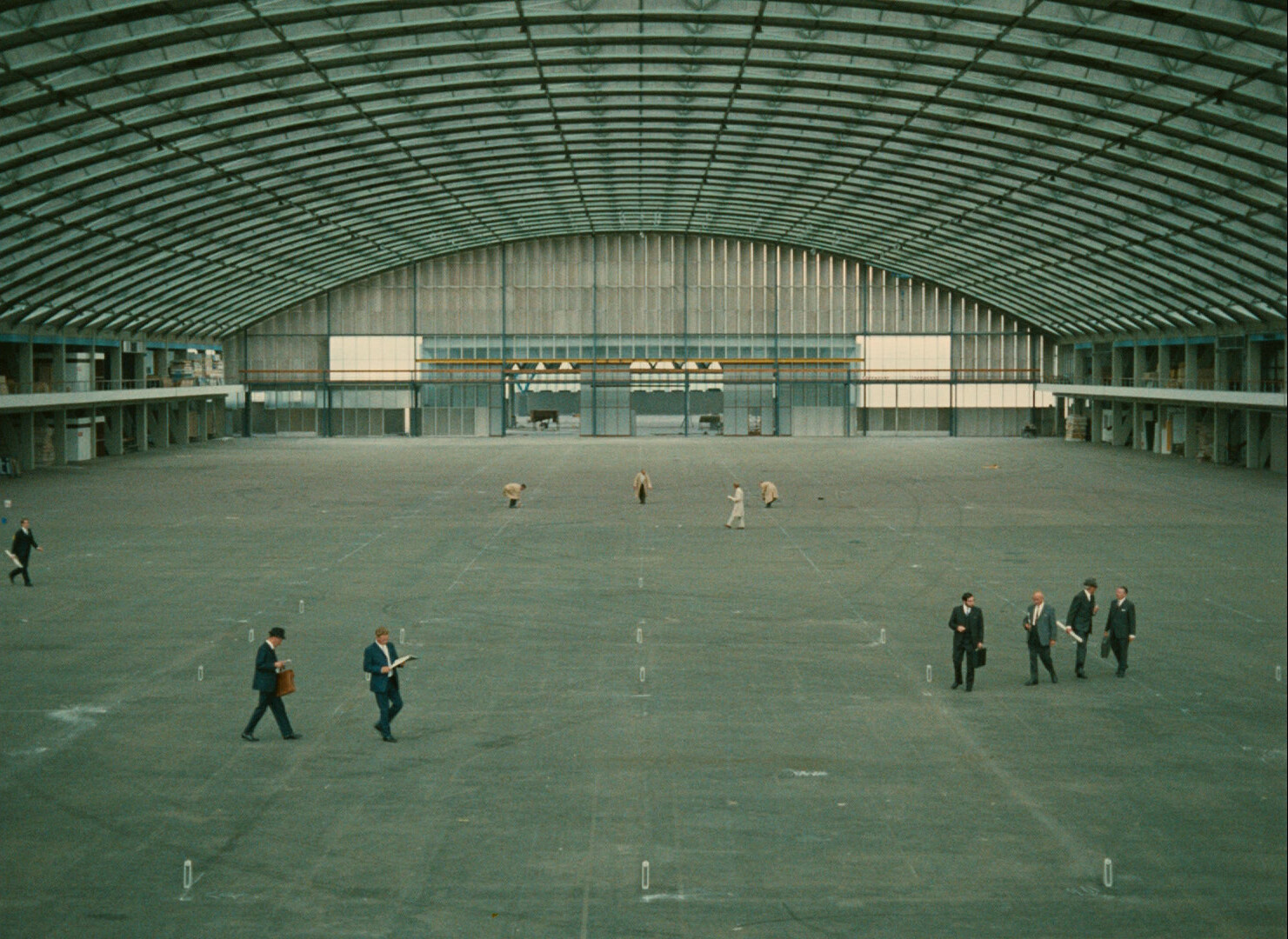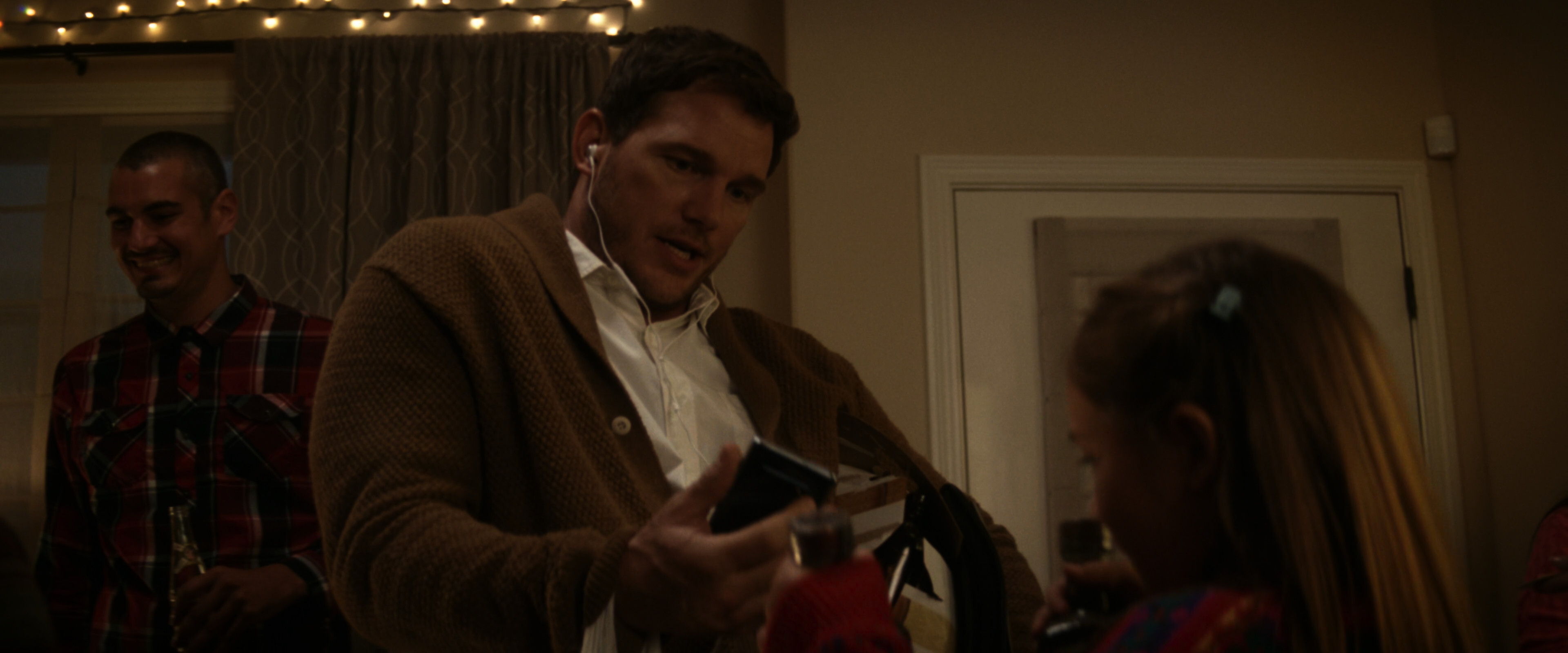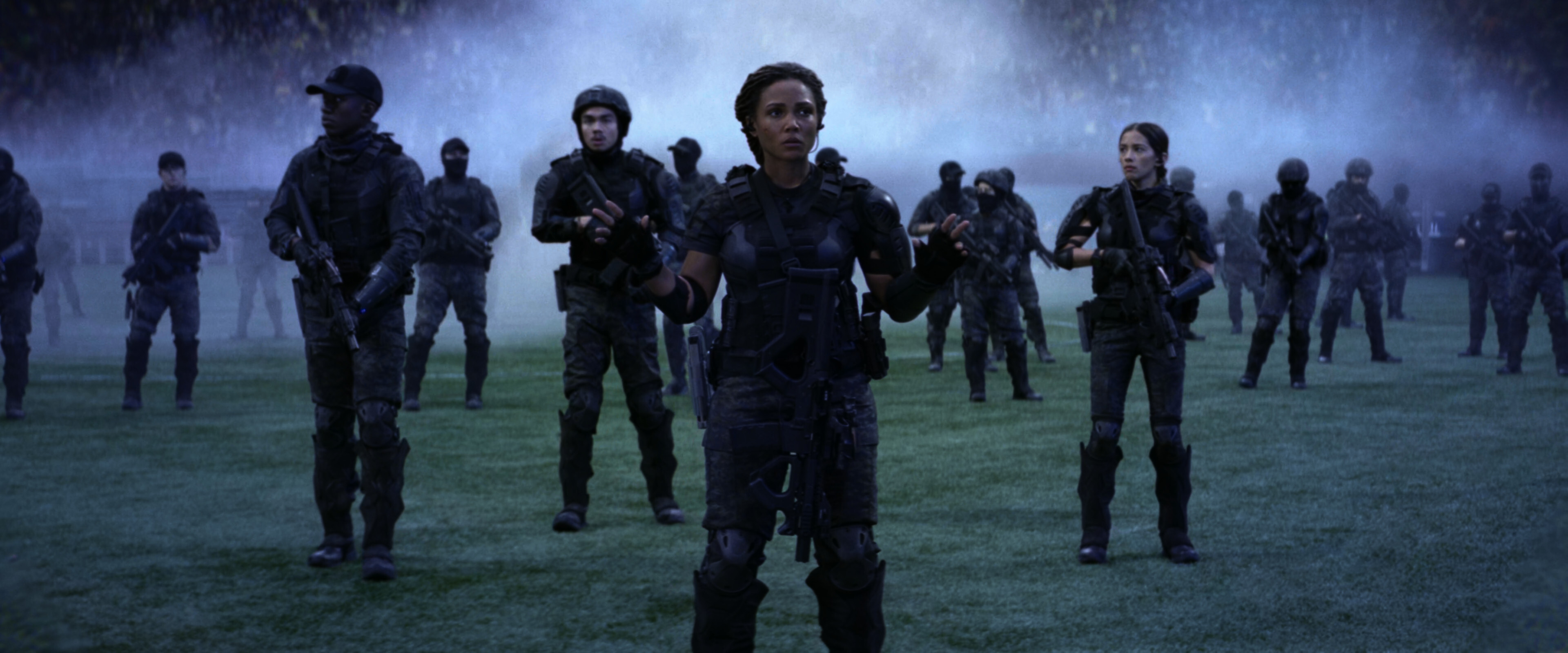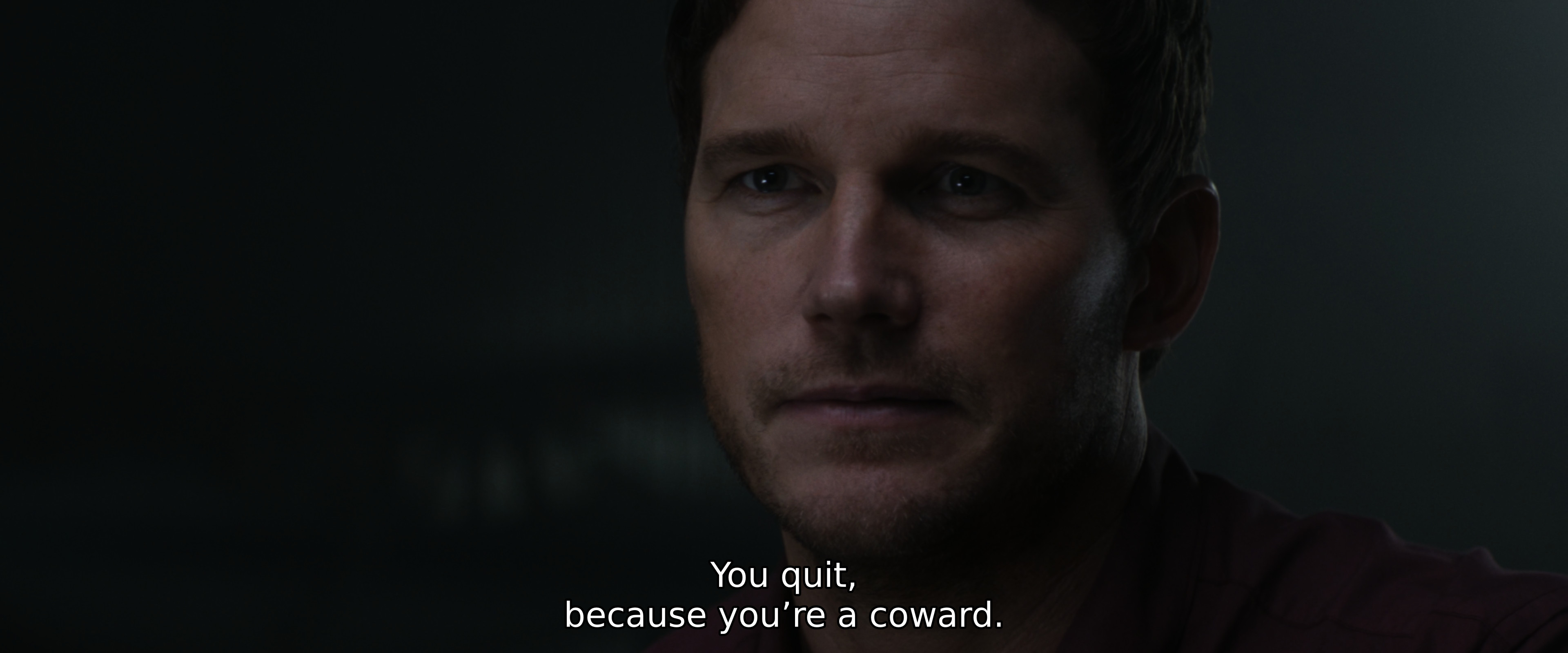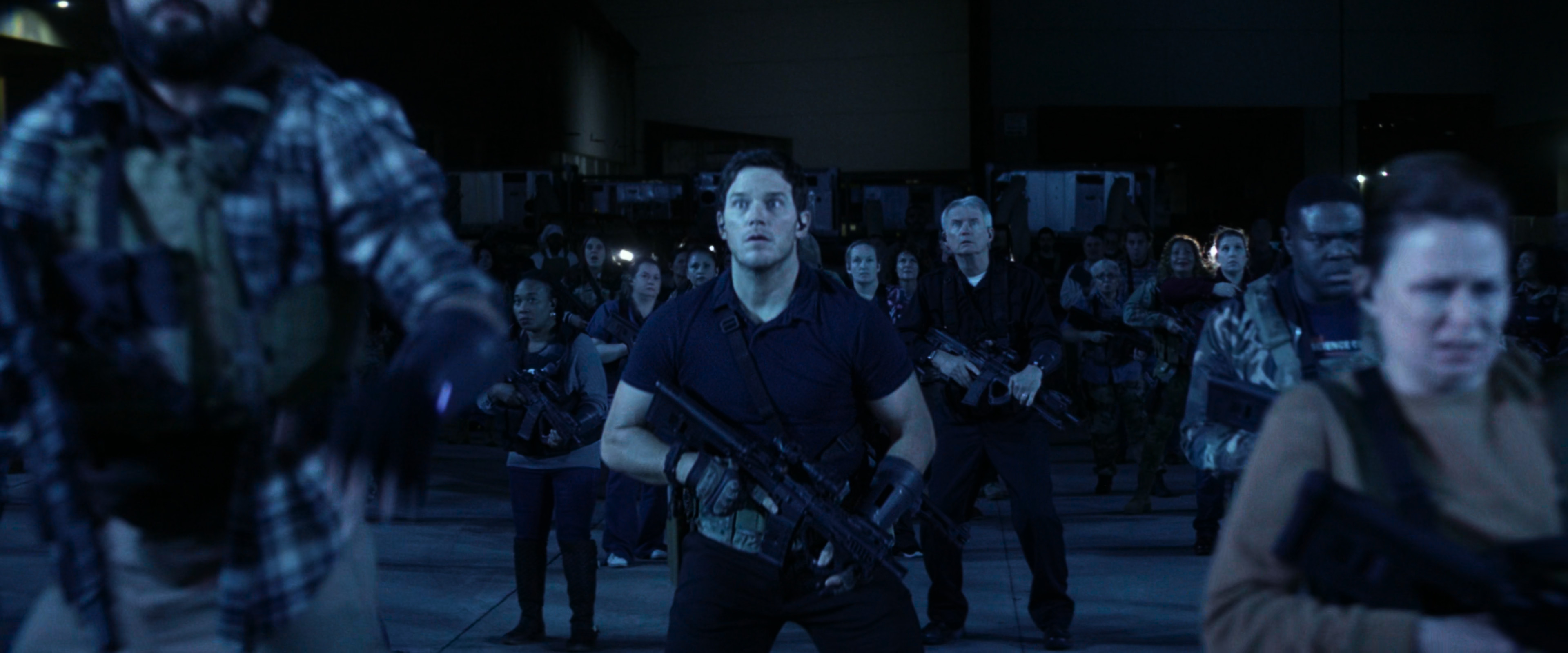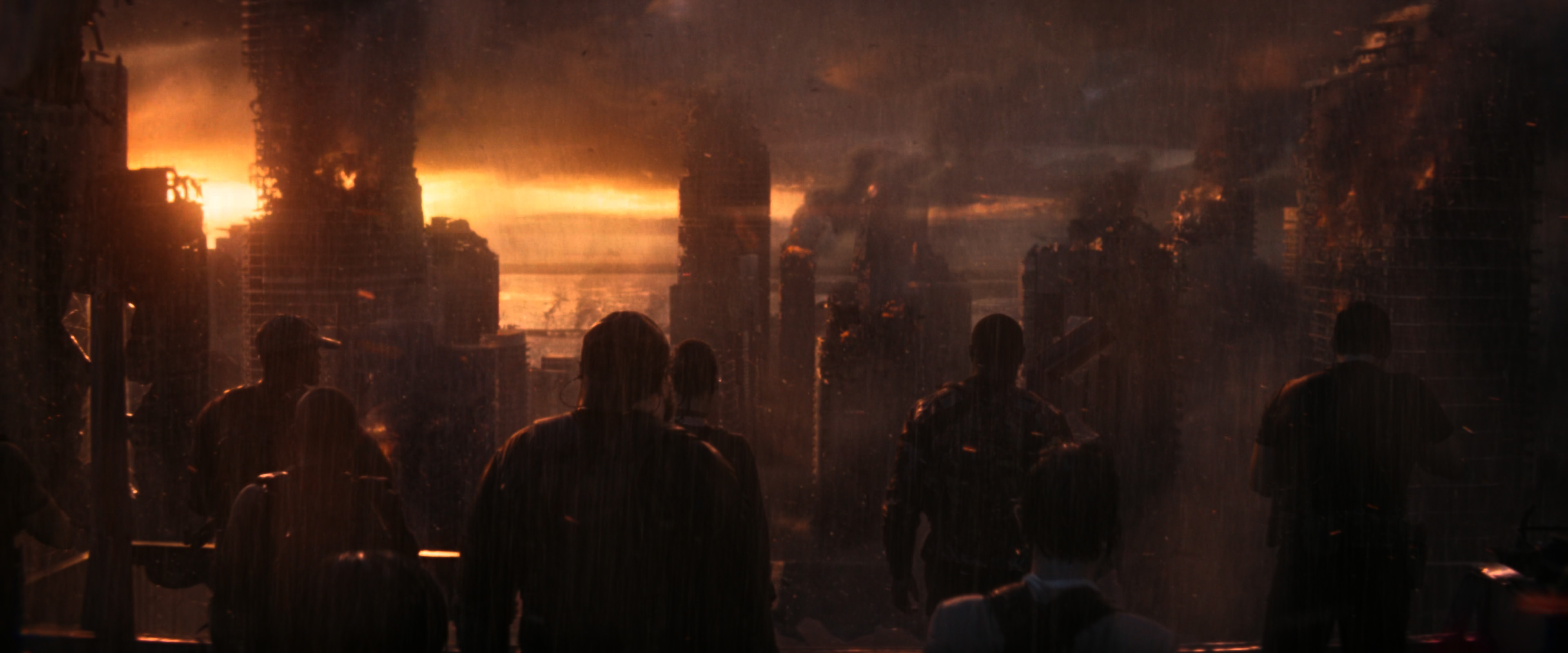
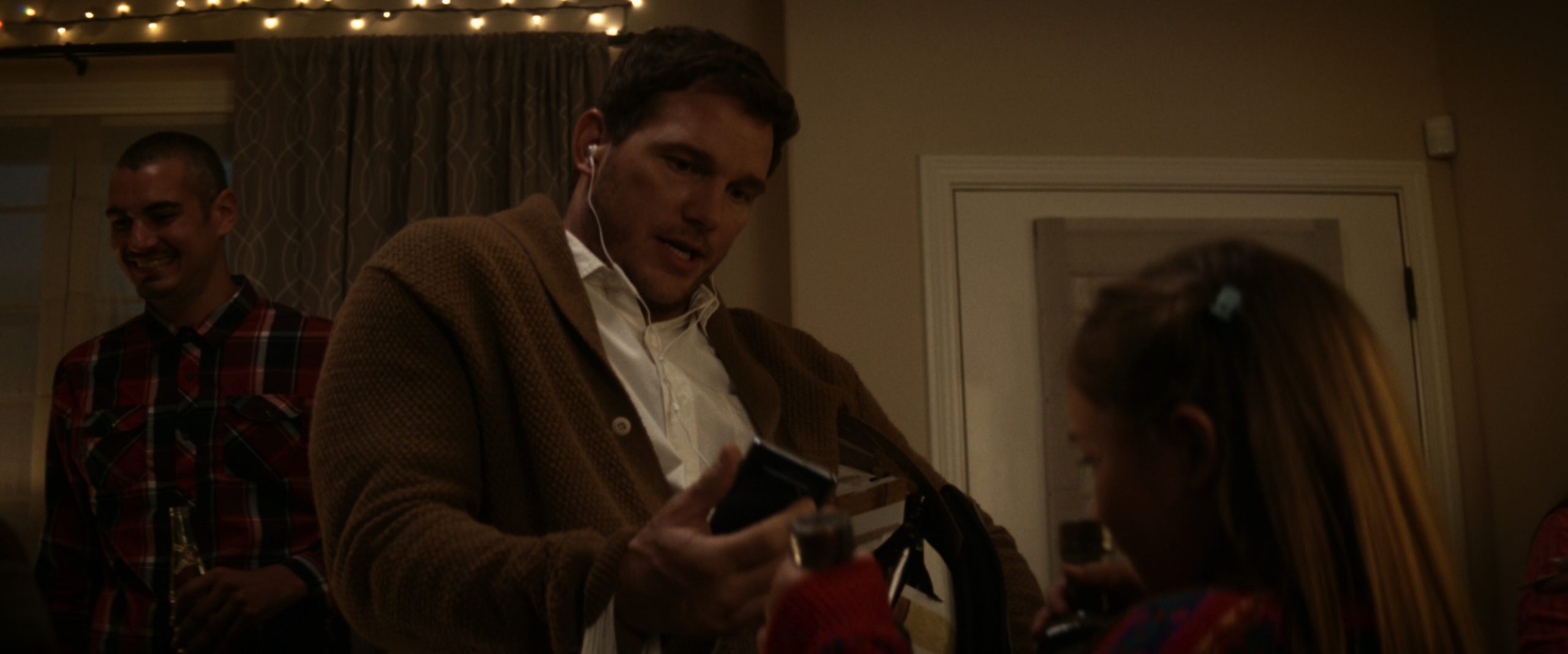
Hehe! So hipster. They’re using The Waitresses’ Christmas Wrapping song for the party music at the Xmas party. As if any of these people are hip enough. This movie is so unrealistic!
[youtube https://www.youtube.com/watch?v=nud2TQNahaU]
Ze forever!
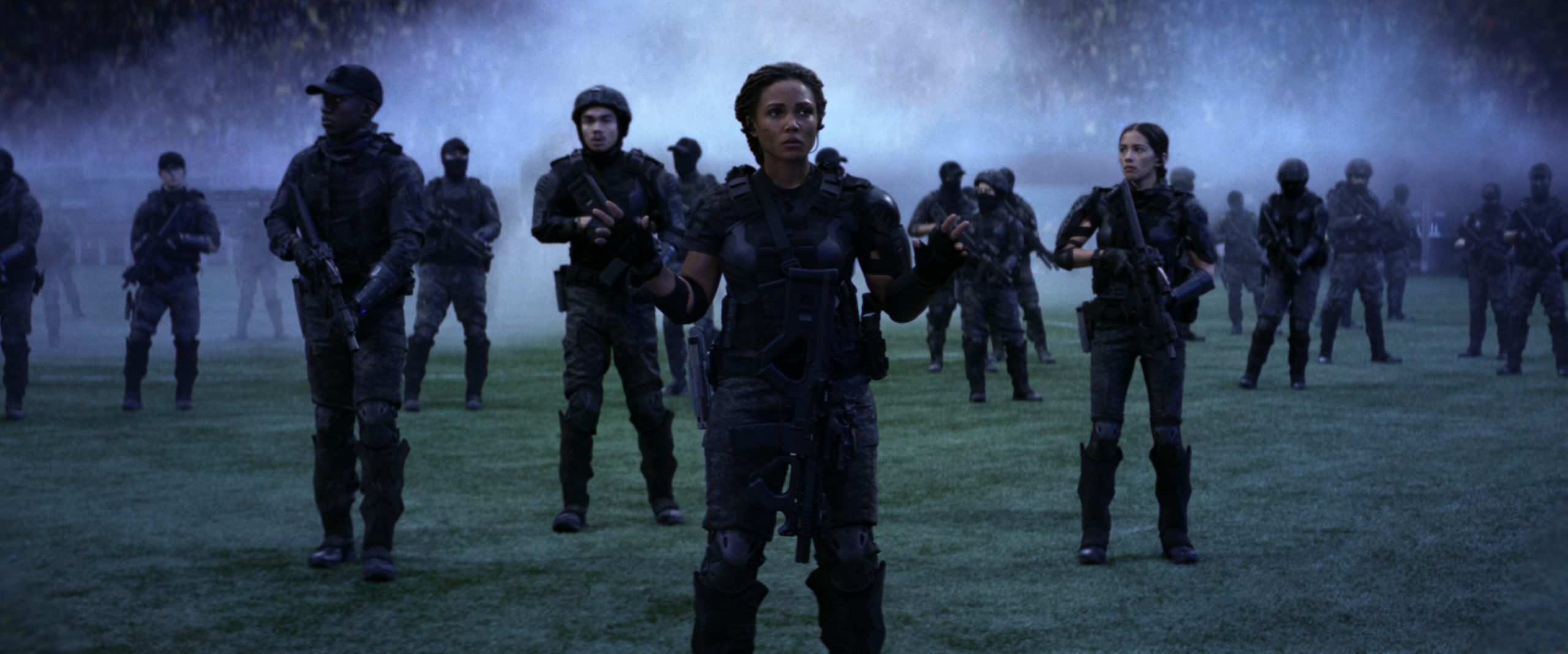
Wow. This is really kinda stupid?
But that’s fine!
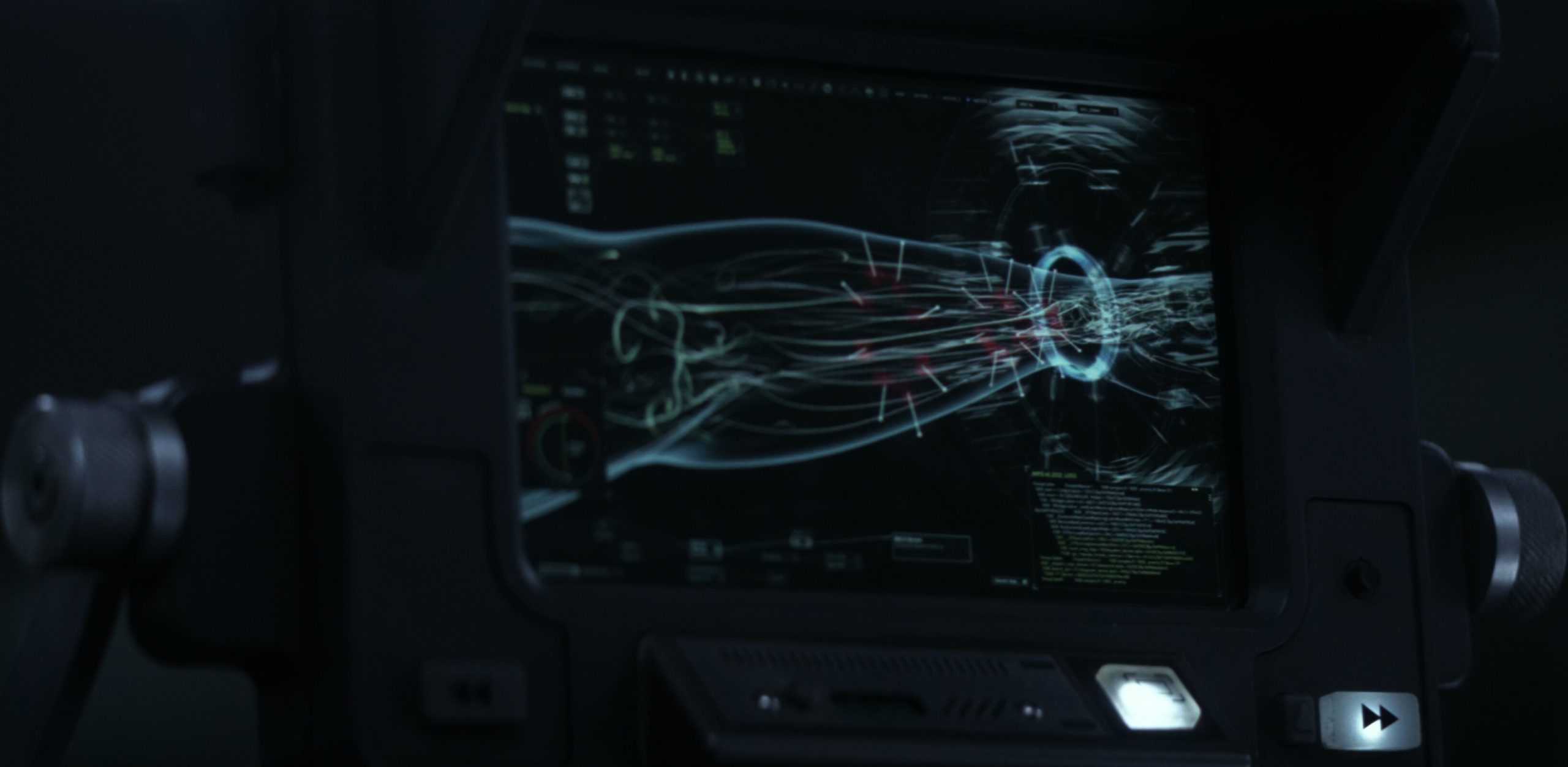
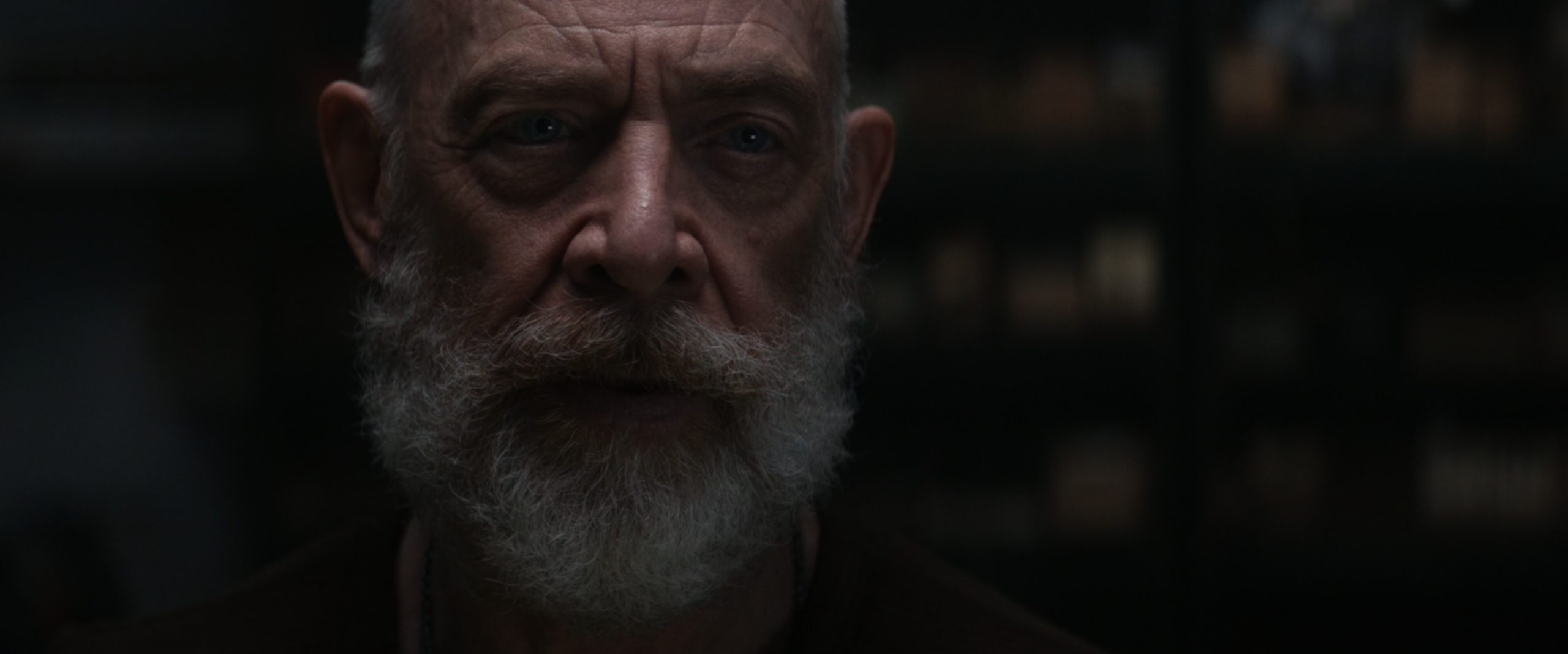
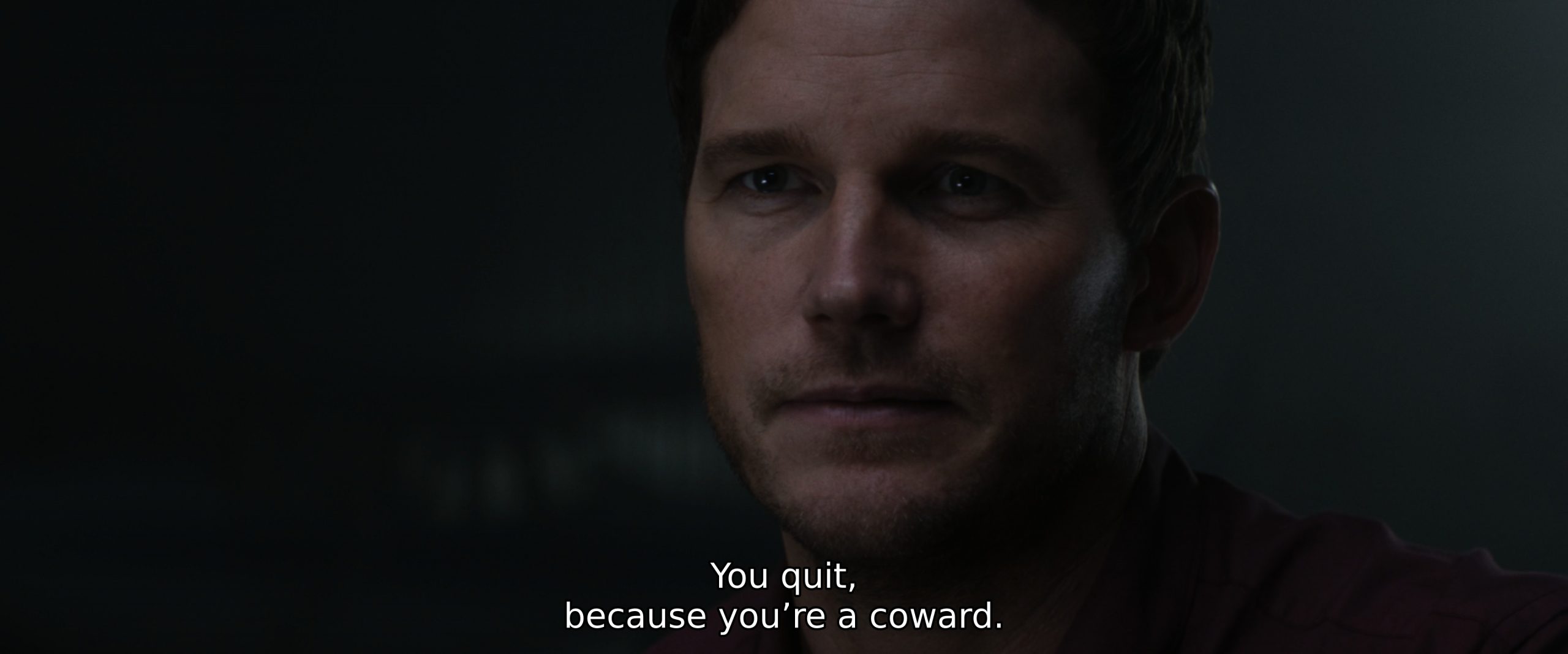
Daddy issues!? Already!? They usually save that for the second act when they’re padding out the movie before the CGI starts again in the third act. But here it is on the fucking first act!?
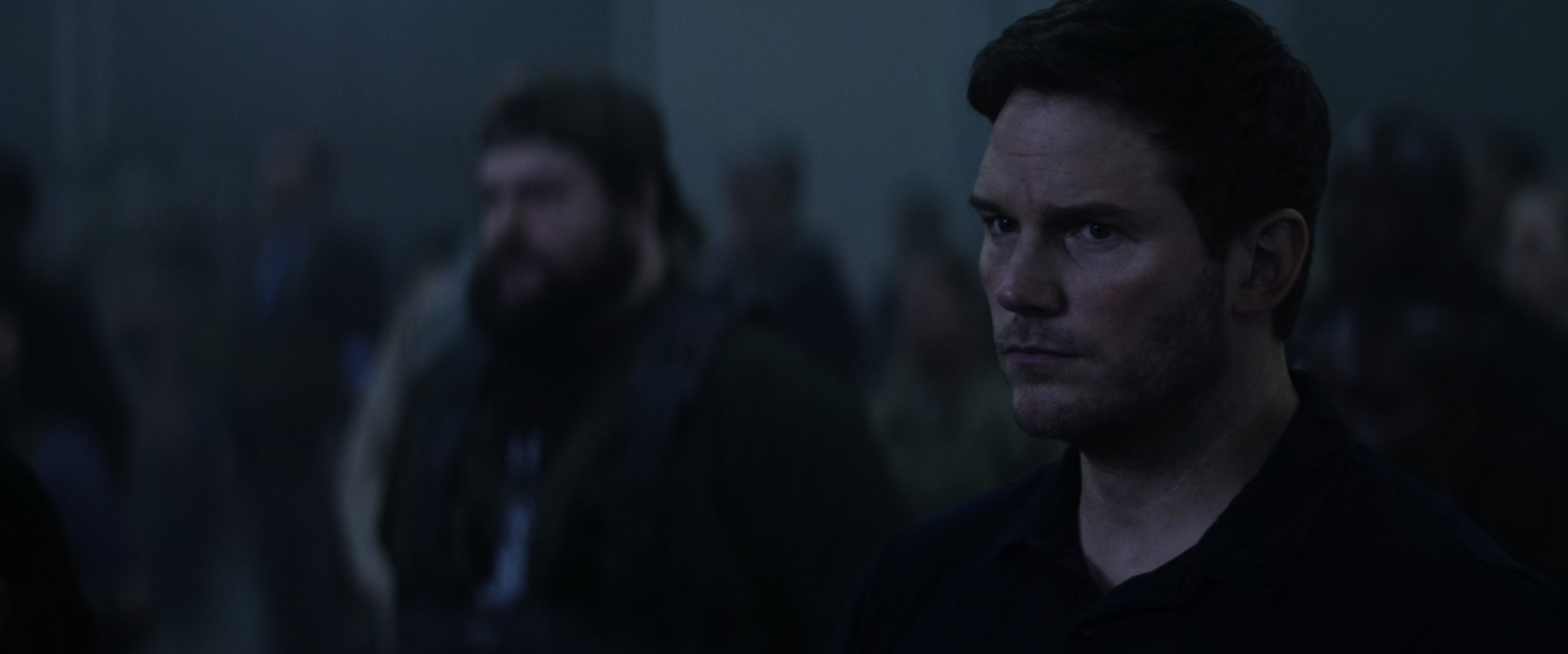
This is … boring. I expected that this would be very stupid, but it’s just tedious?
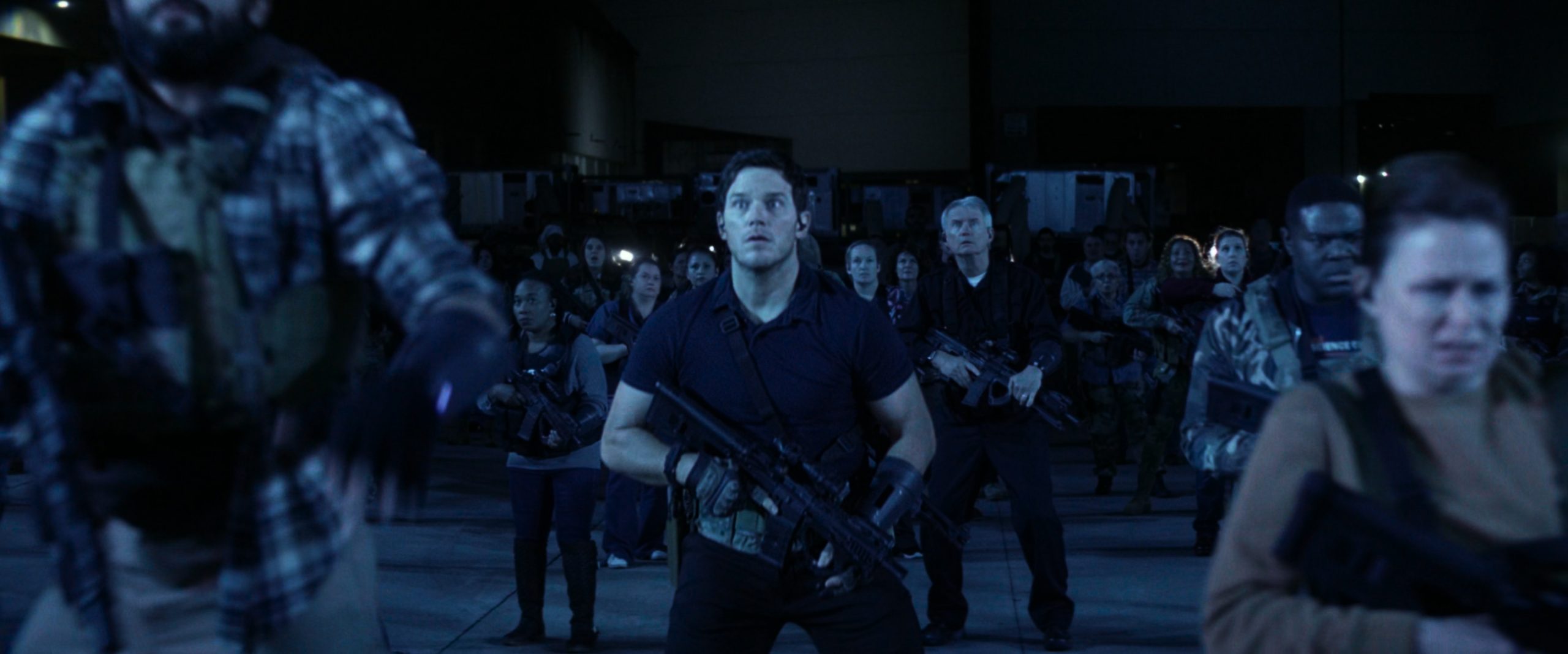
Wow. It took 35 minutes of exposition and “character building” (i.e. “you’re not my father, you weren’t there for me when I grew up”) for the movie to finally start.
Well, I hope it starts now. I could be in for another half hour of alien daddy issues, I guess?
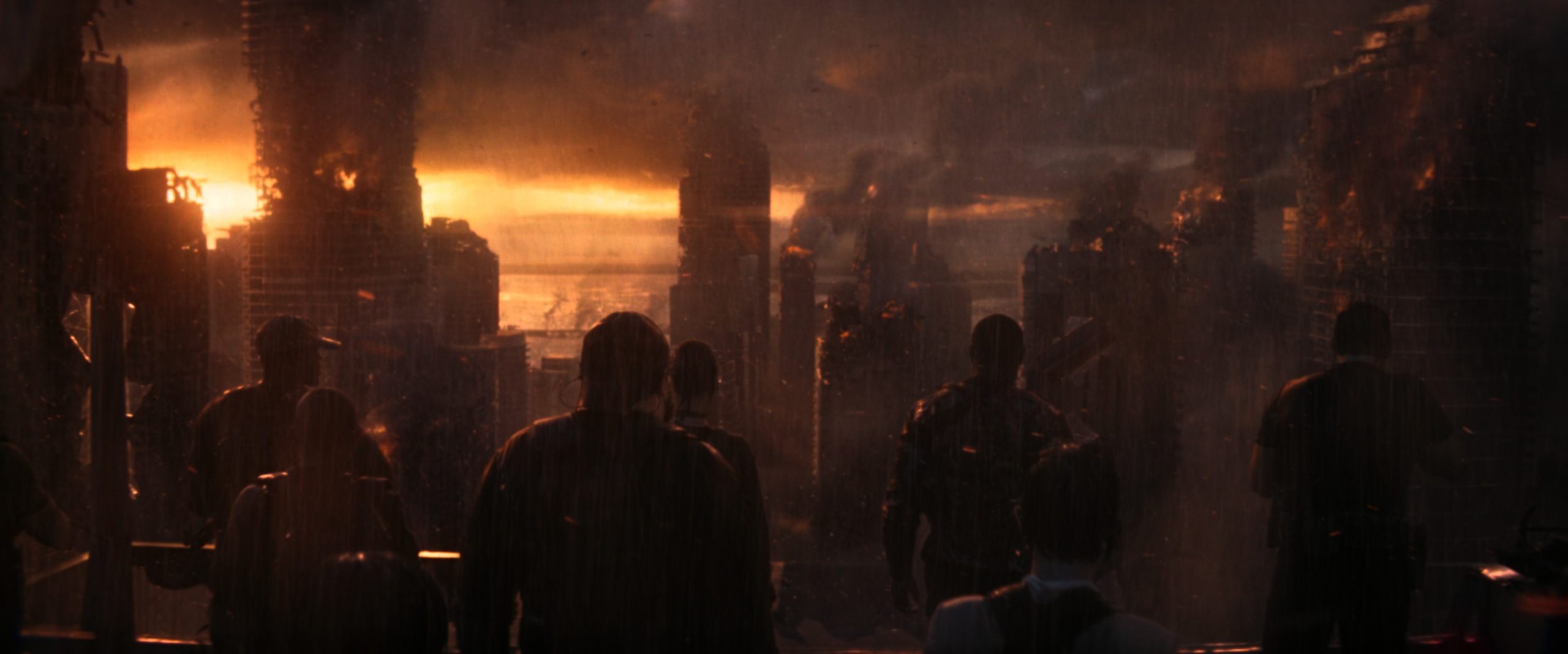
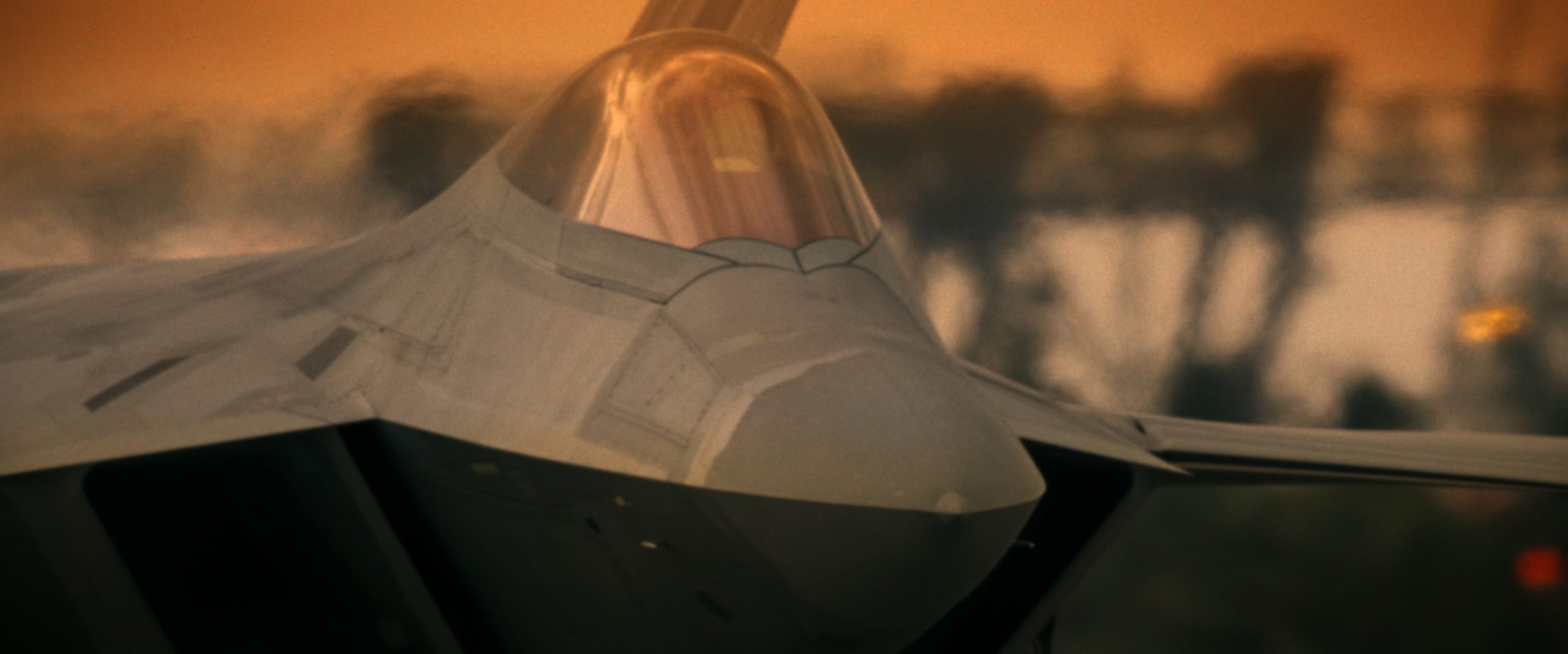
OK… I guess… it kinda started? It’s still boring, but at least there’s some plot happening.
It’s just kinda badly made?

There’s none of that on the screen so far. Perhaps Chris Pratt was half that budget? The director’s only previous movie was apparently The Lego Batman Movie?
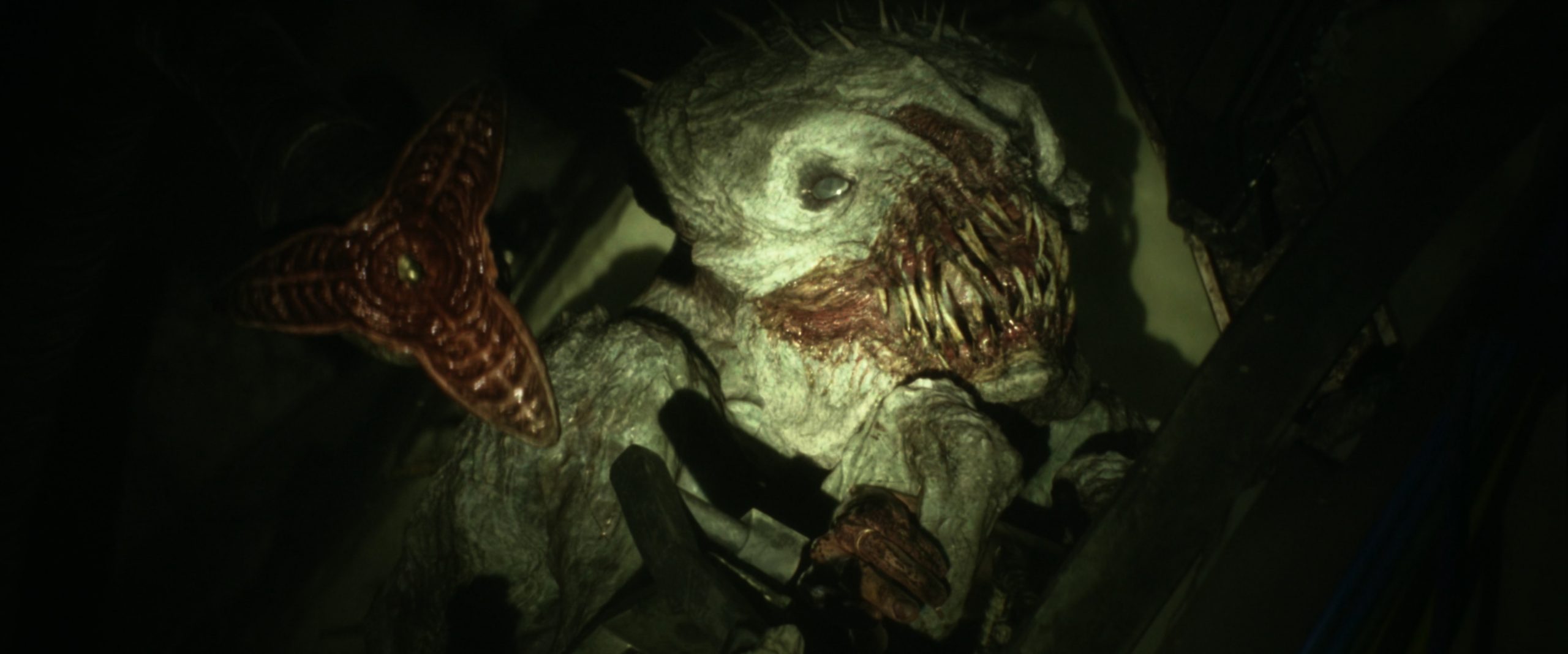
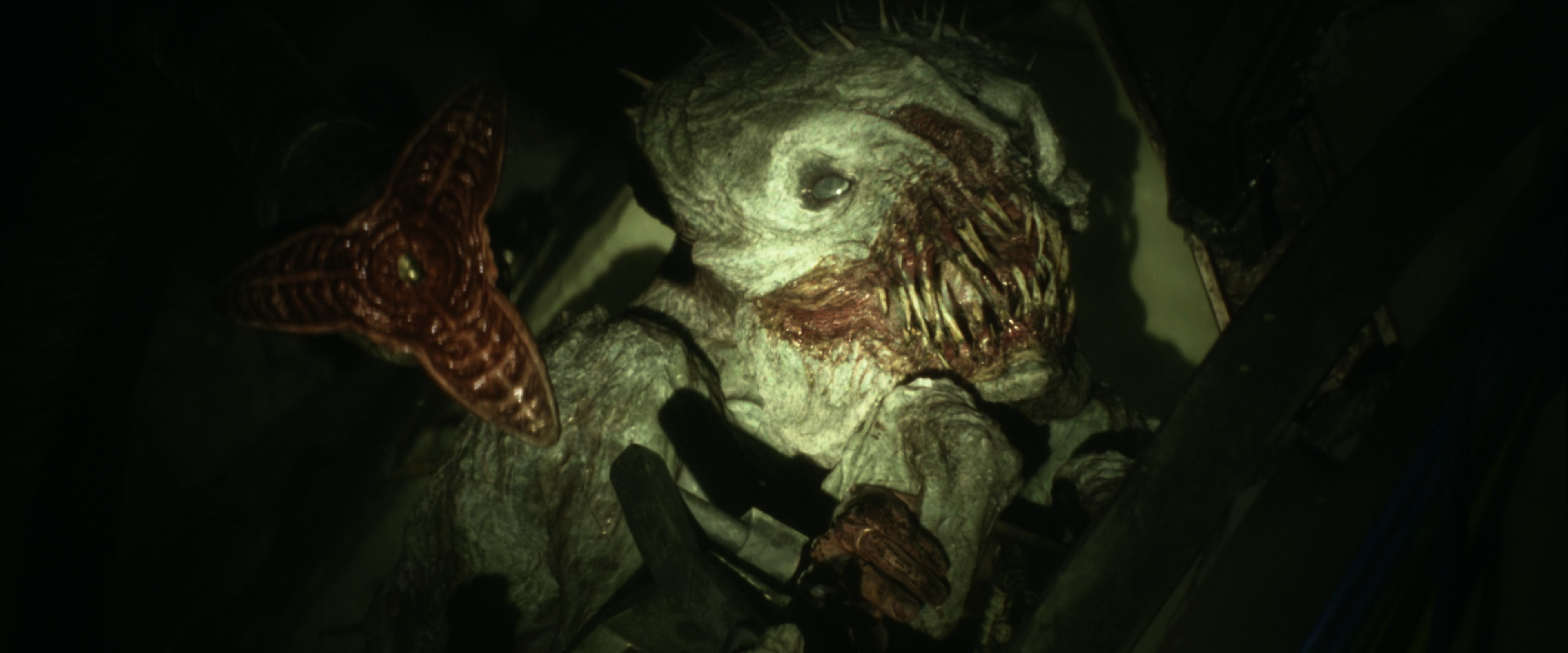
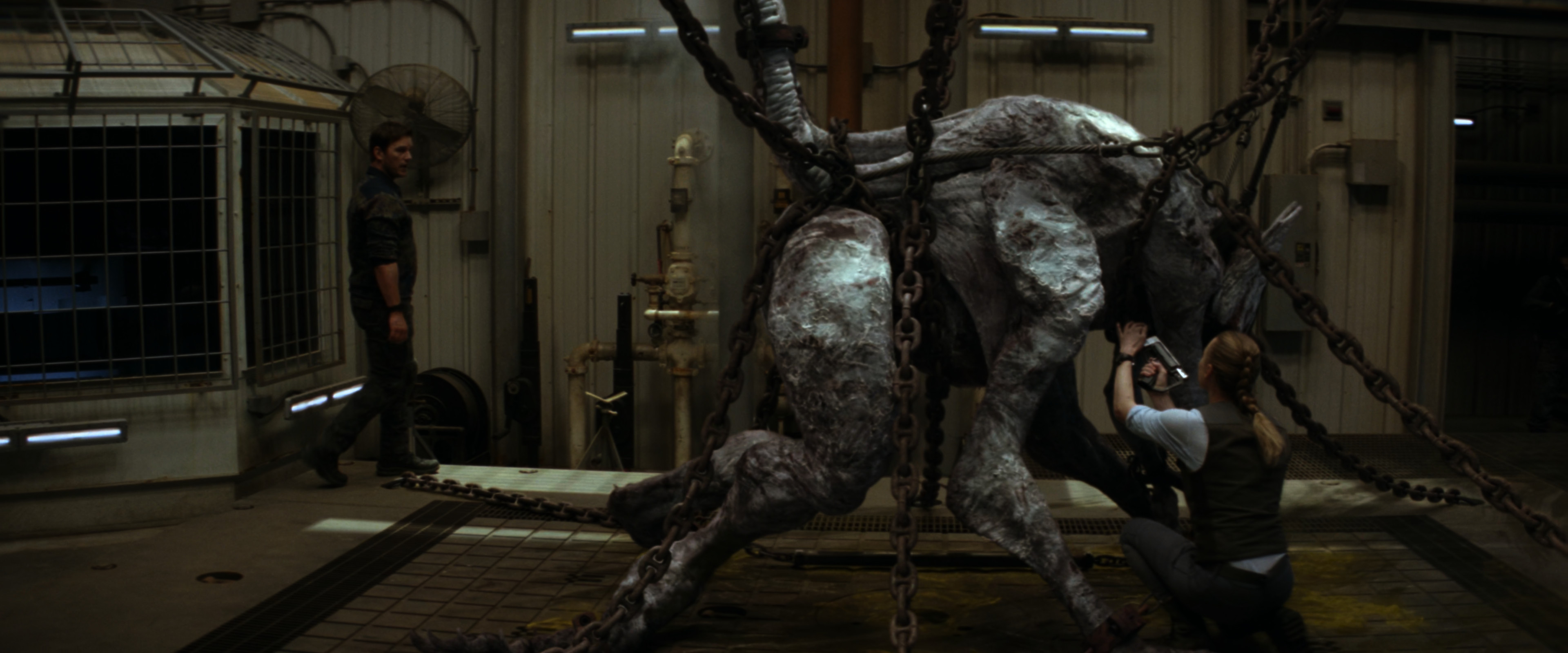
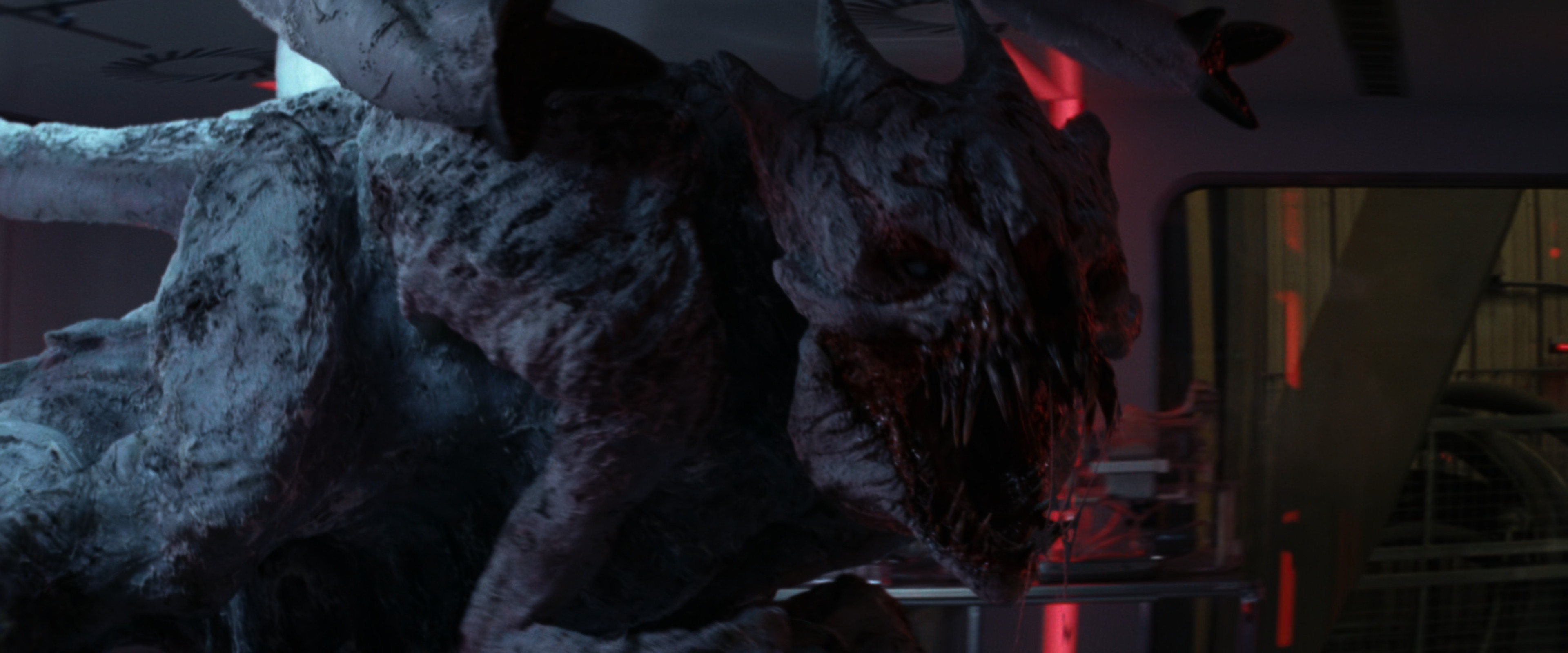
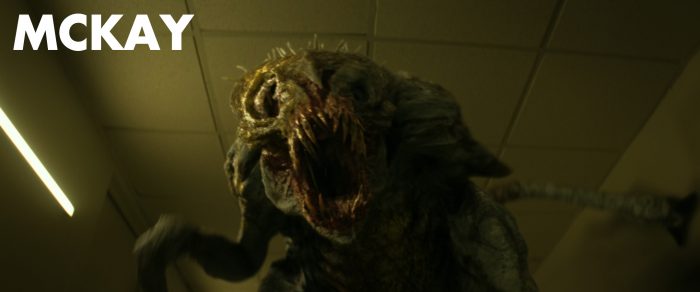
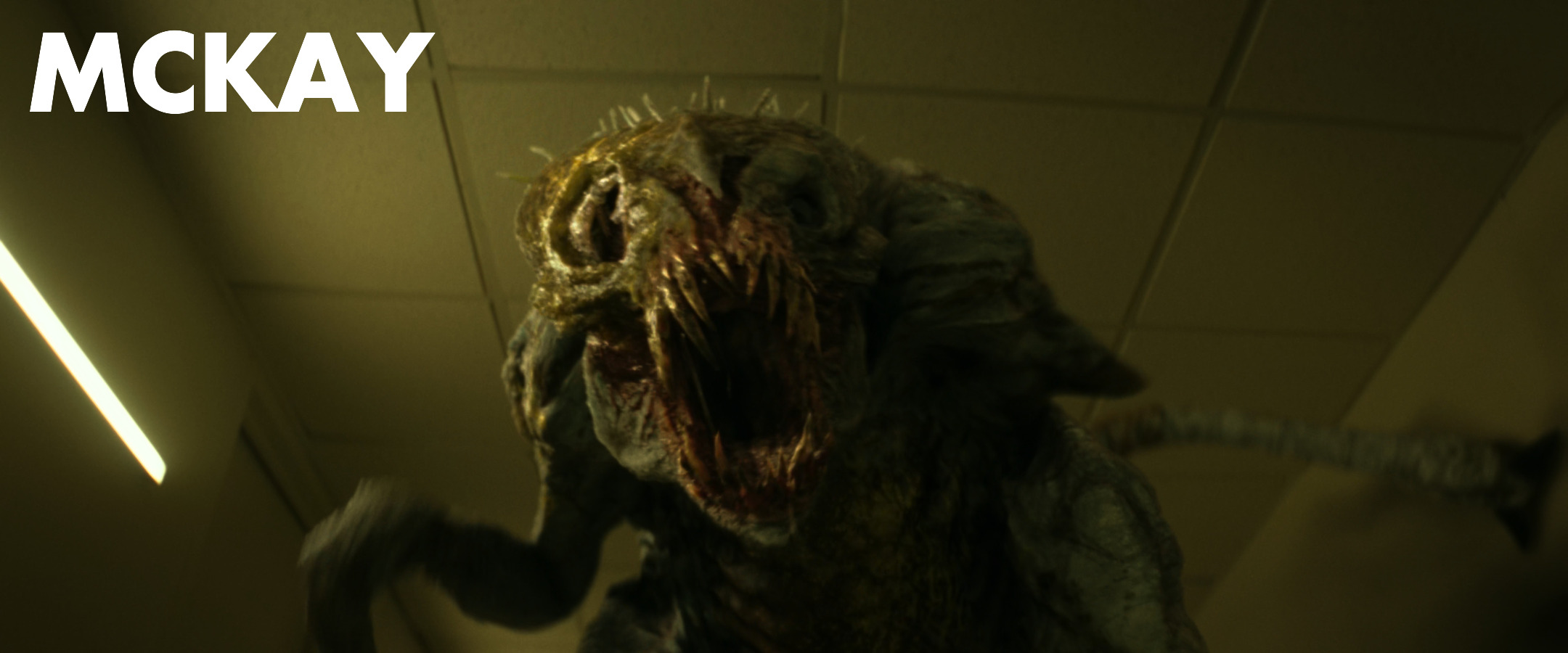
OK, that’s a nice monster.
Boo!
But, like, couldn’t Future Humans have come up with guns that are slightly more efficient than… those… put-put things people from “our time” are using?
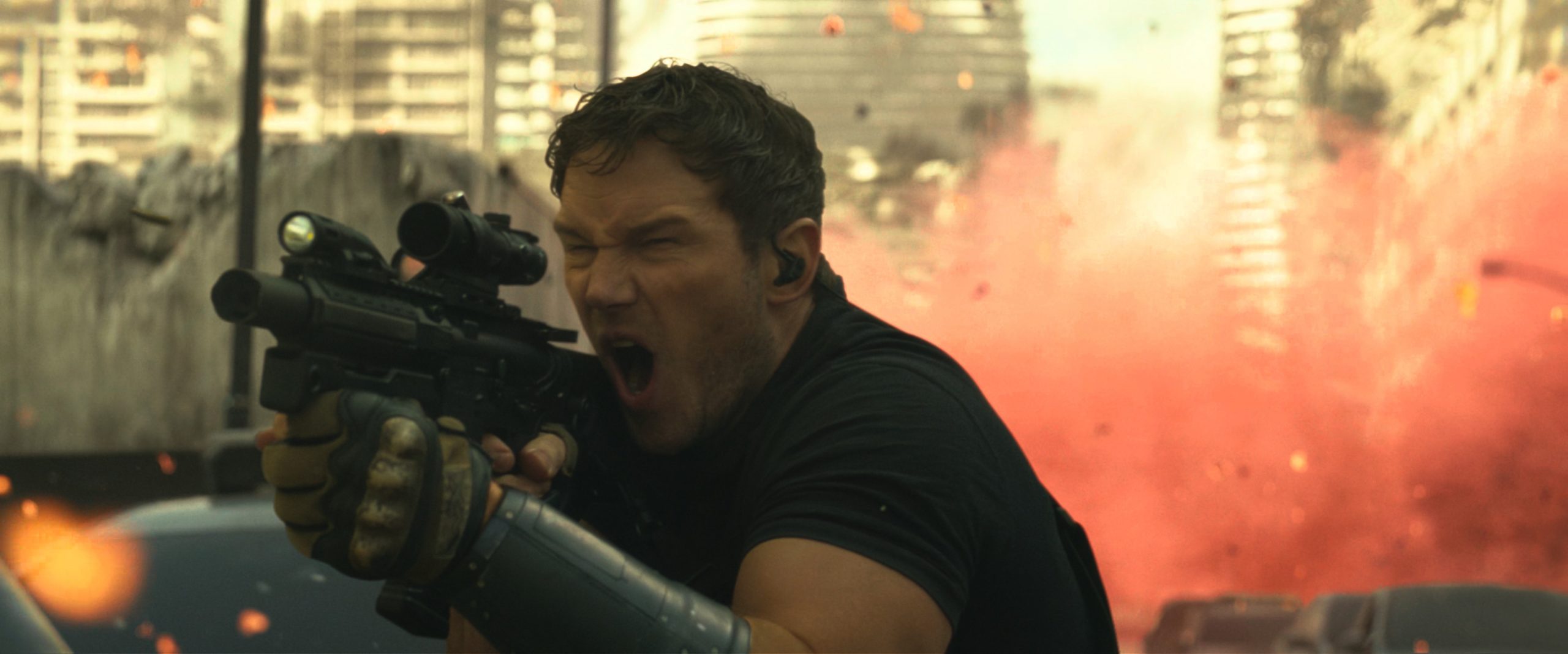
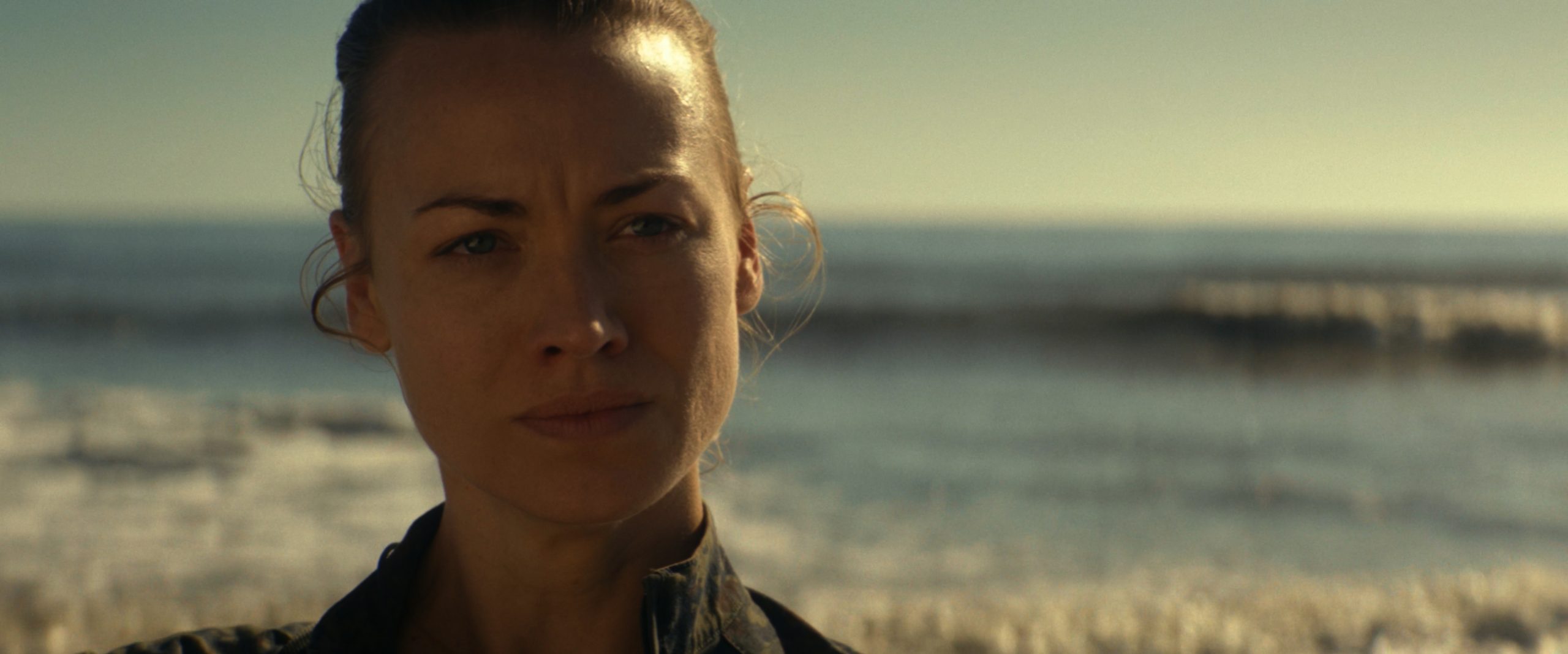
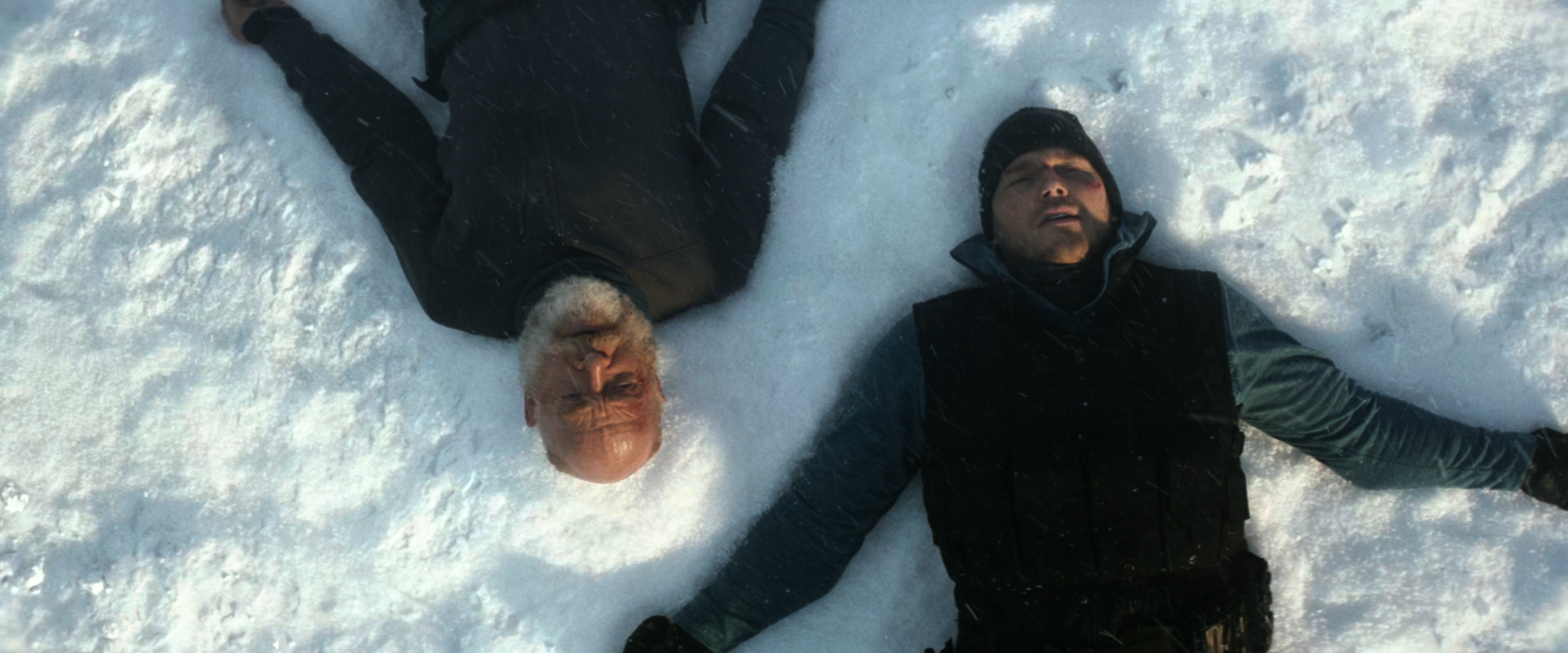
Ah, right! This is the second act Daddy Issue scene. The first one was just a fake-out to make us think we wouldn’t have to do this scene in the middle of the movie, too. Fooled us!
(He wasn’t there for her when she grew up.)
Character: Developed.
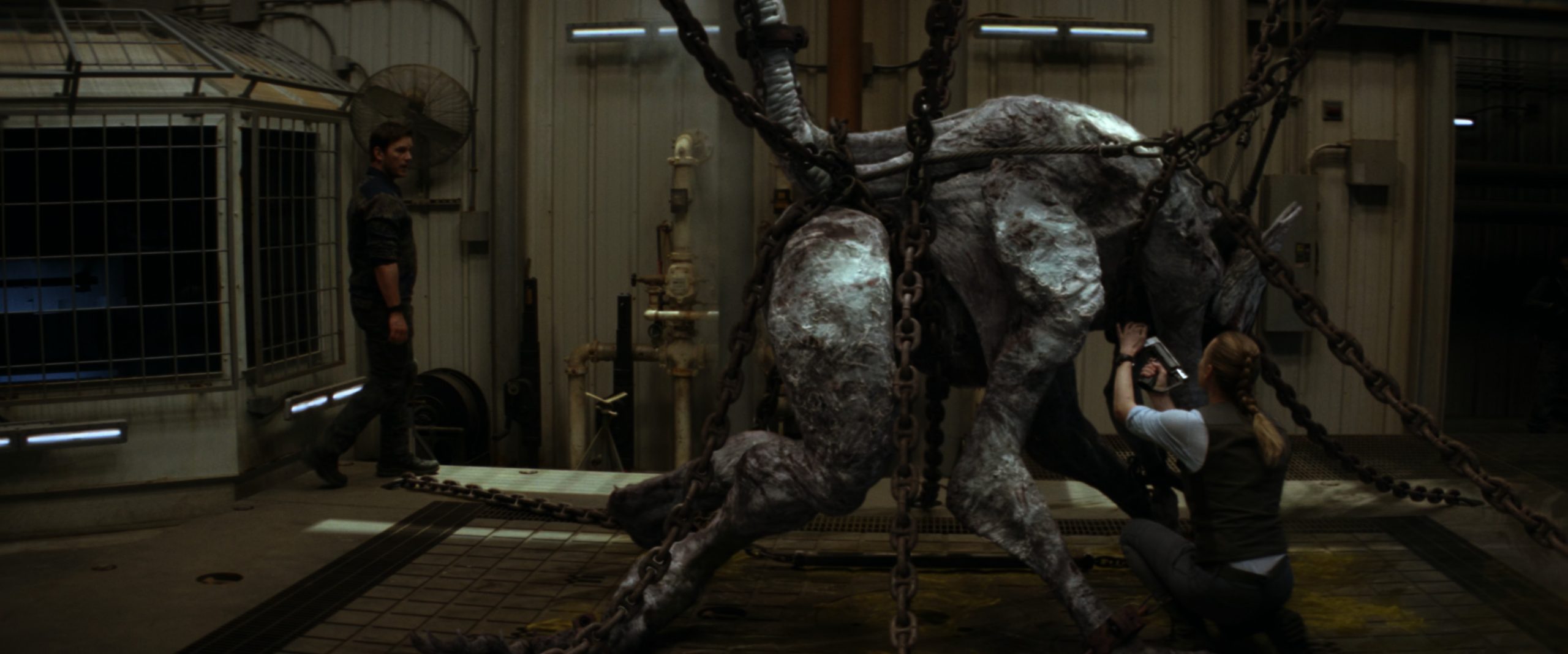
Man, this is stupid. Guess what happens next! Yes, I’m guessing the same thing.
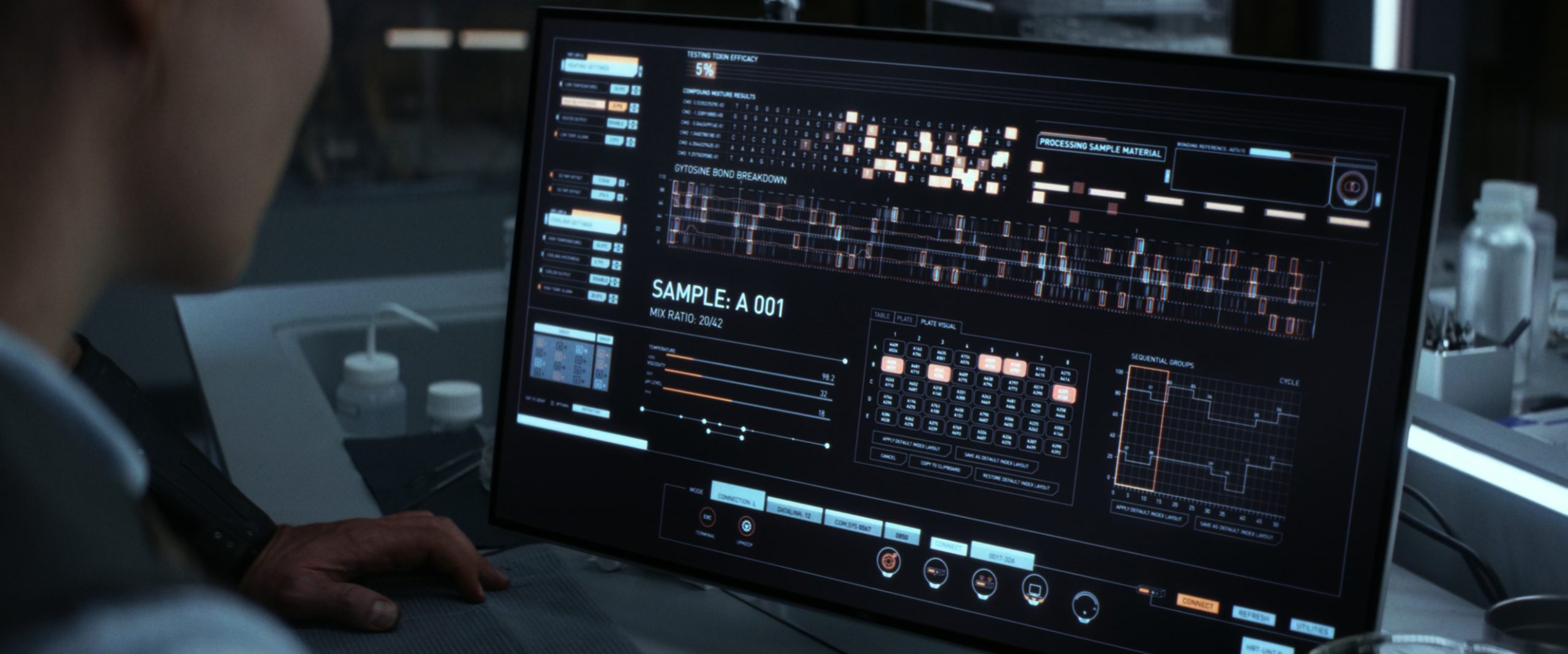
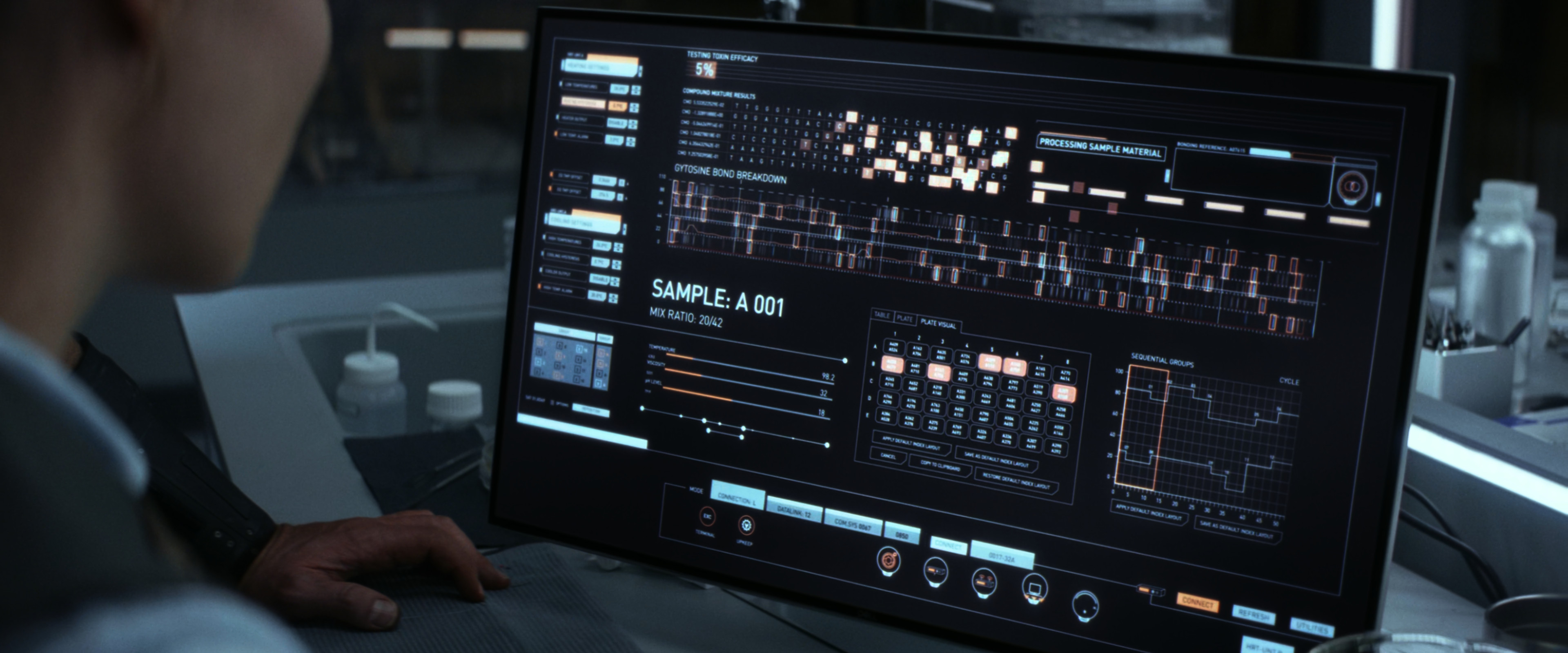
Science!
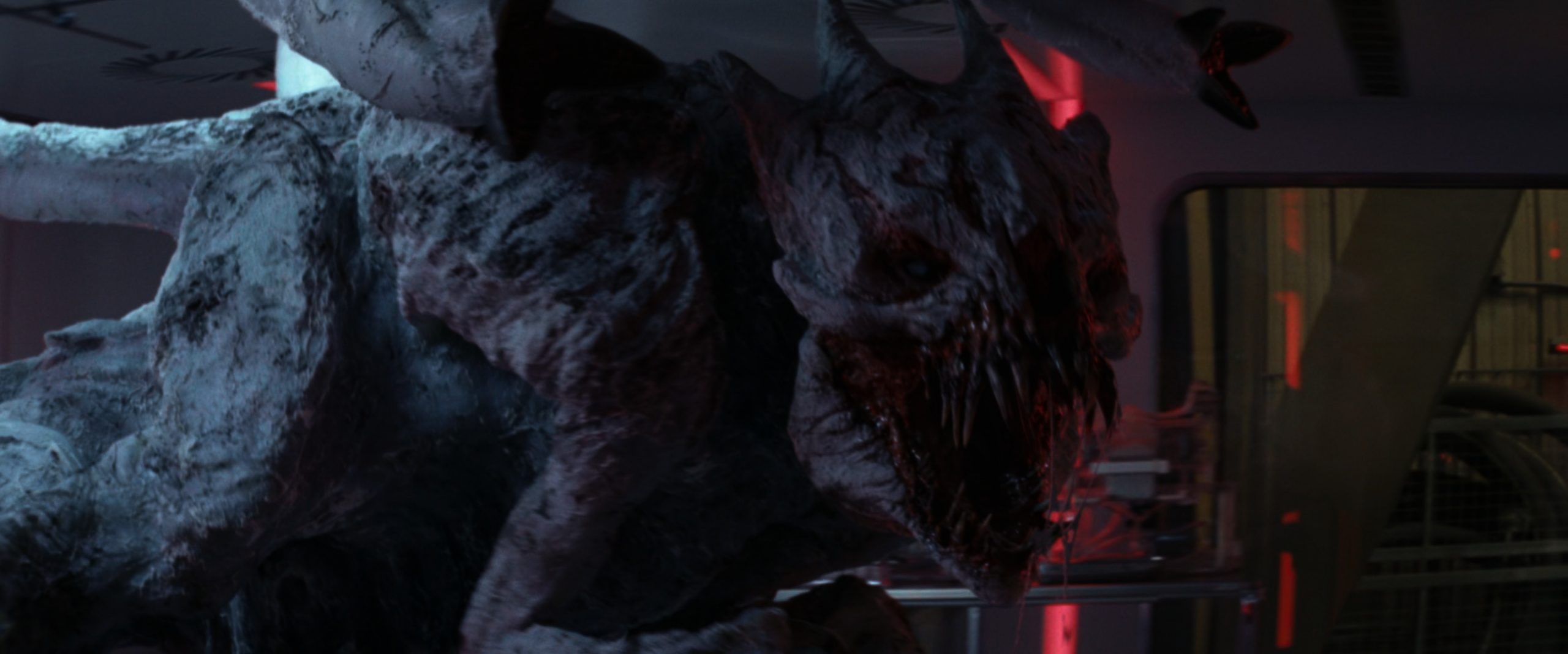
Surprise! You guessed right.
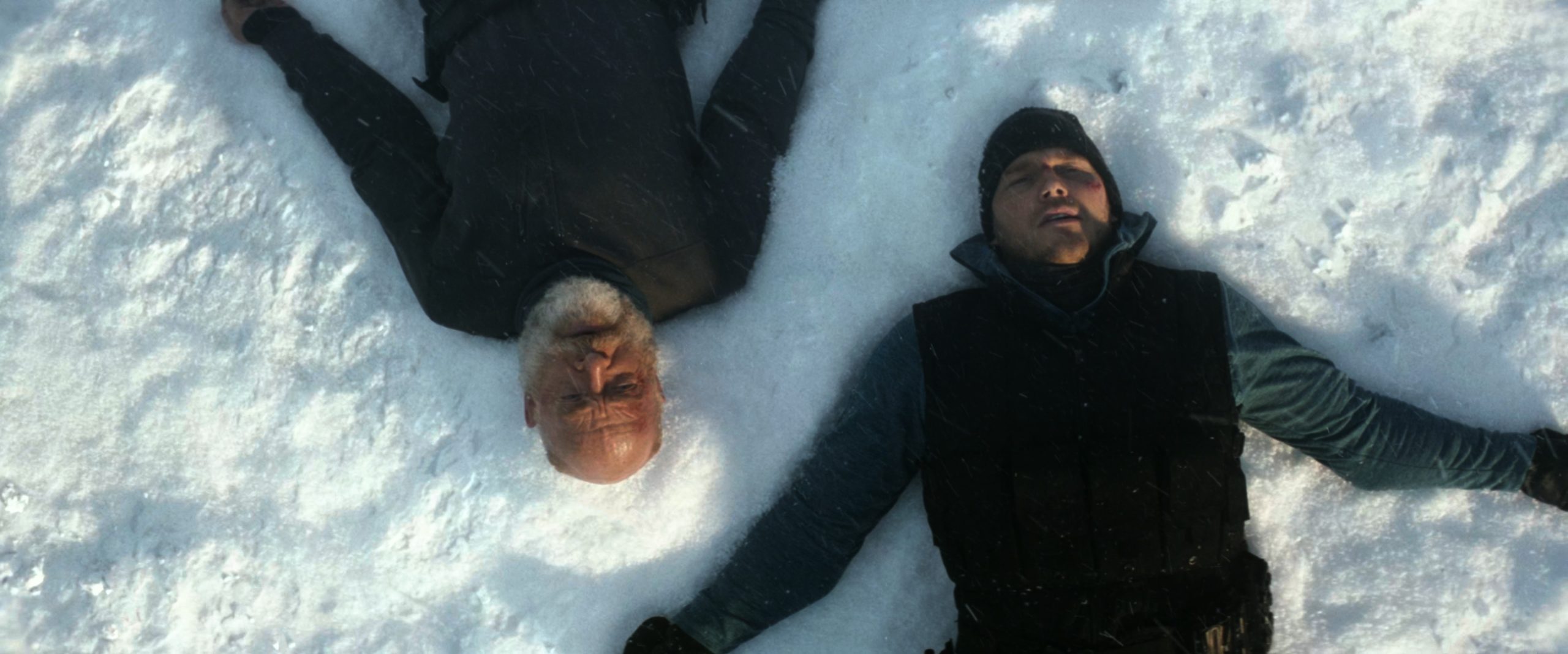
Wow. I mean, I assumed that this wasn’t going to be very clever or anything — It’s Amazon, after all — but this was so … totally brainless? Not even an attempt at even making a sliver of sense, from the micro to the macro?
It’s a horrible, terrible, tedious movie.
But I did like the CGI monsters, so I’ll give it a:
The Tomorrow War. Chris McKay. 2021. ⚁