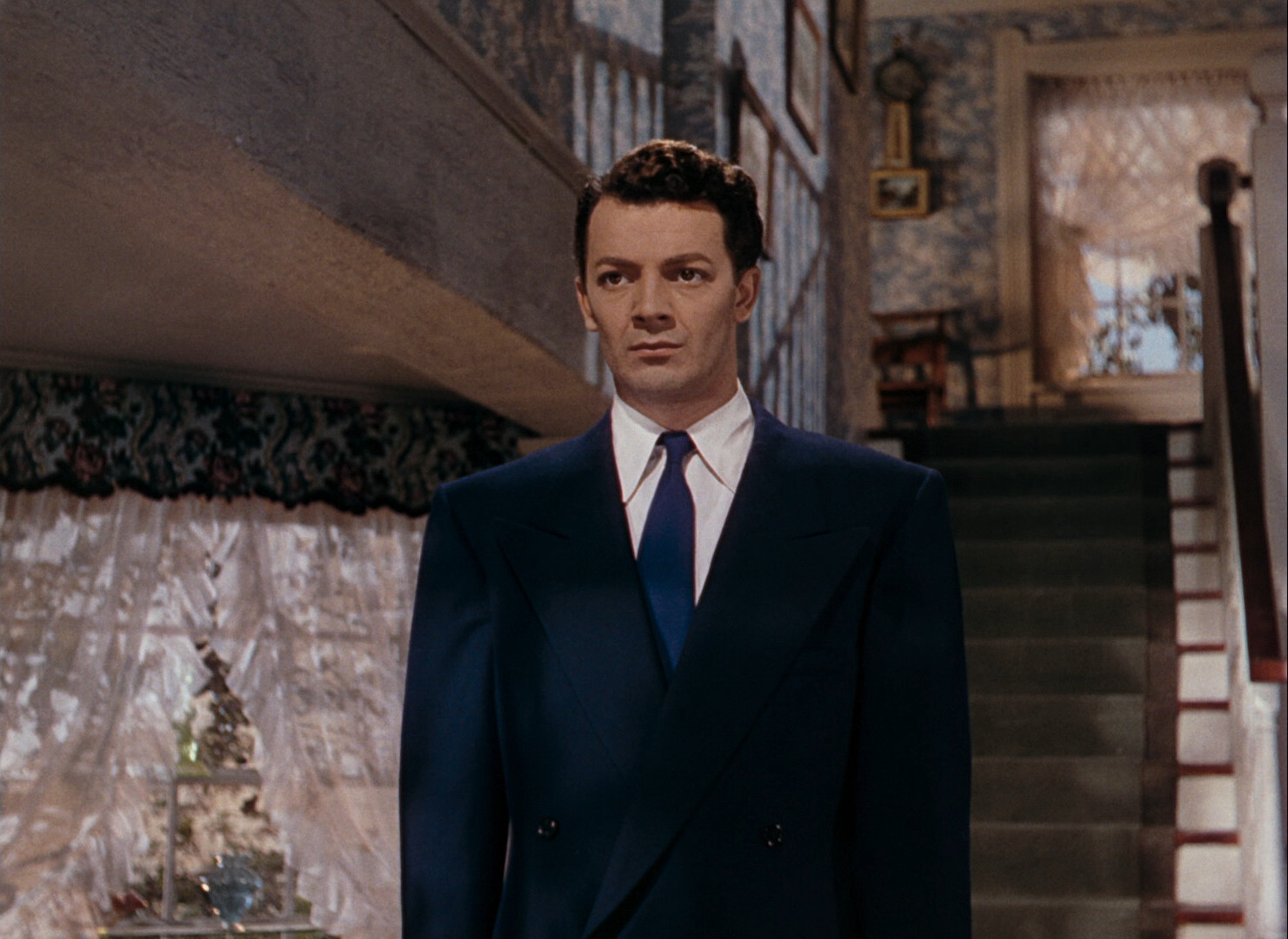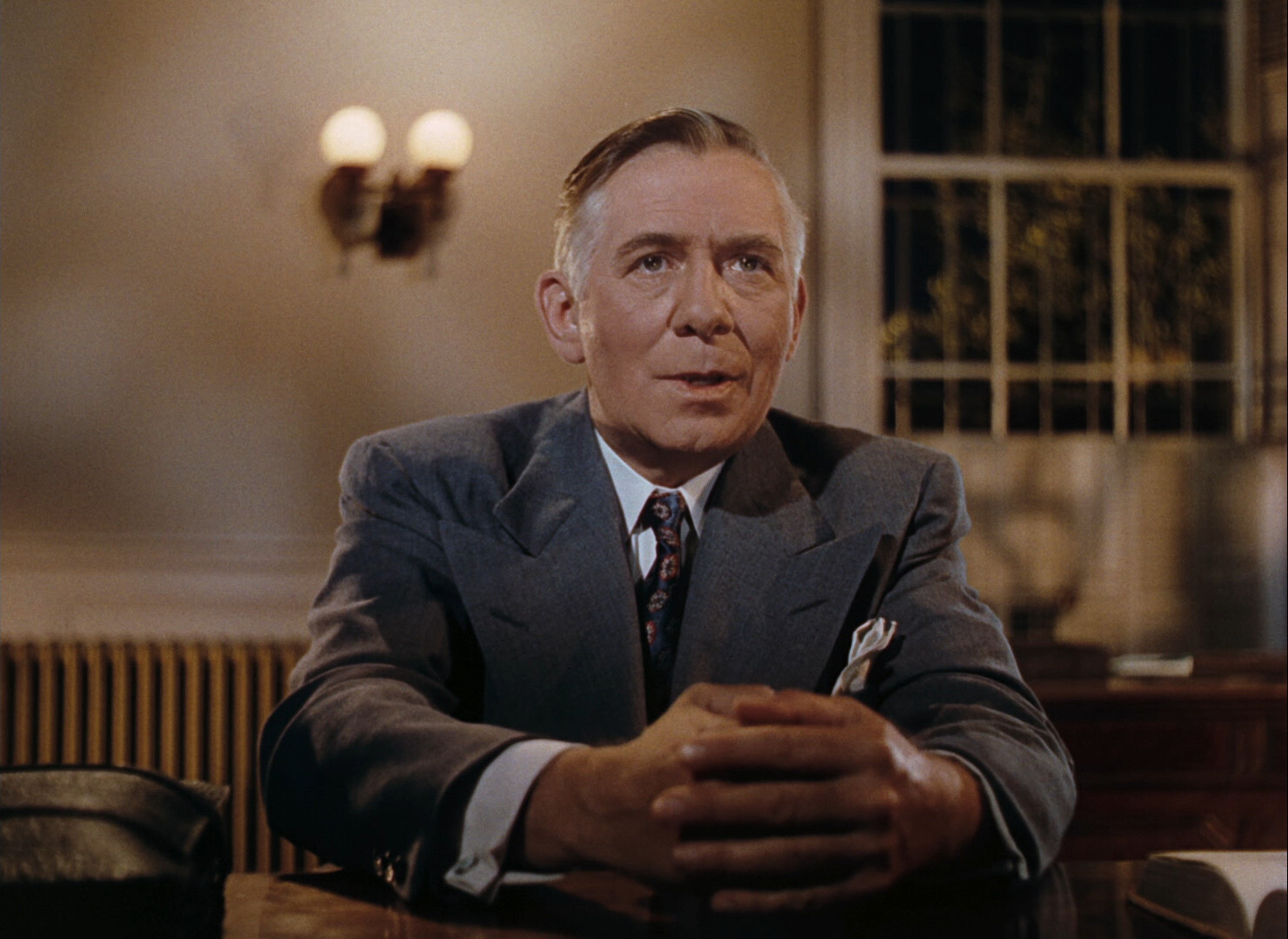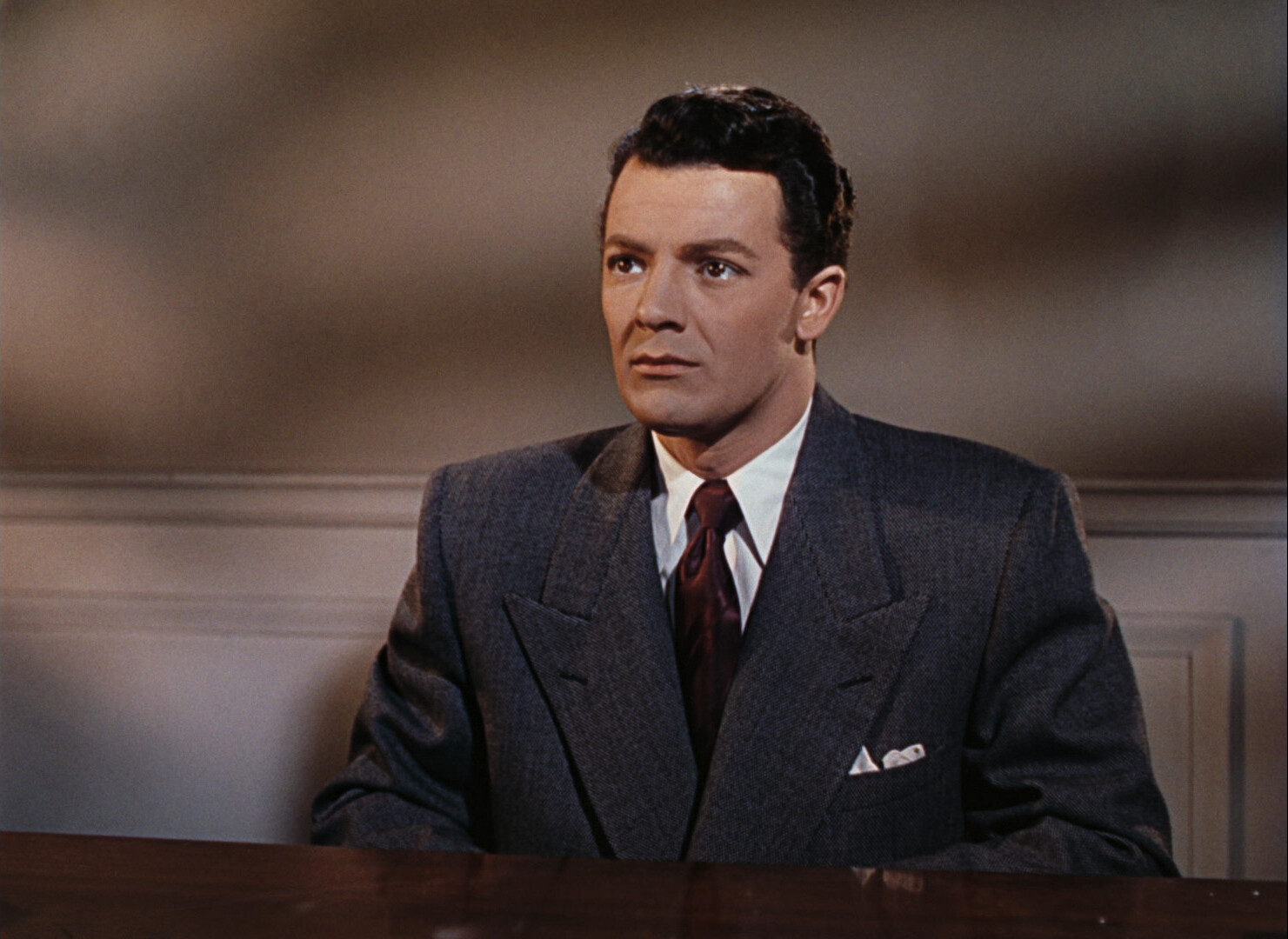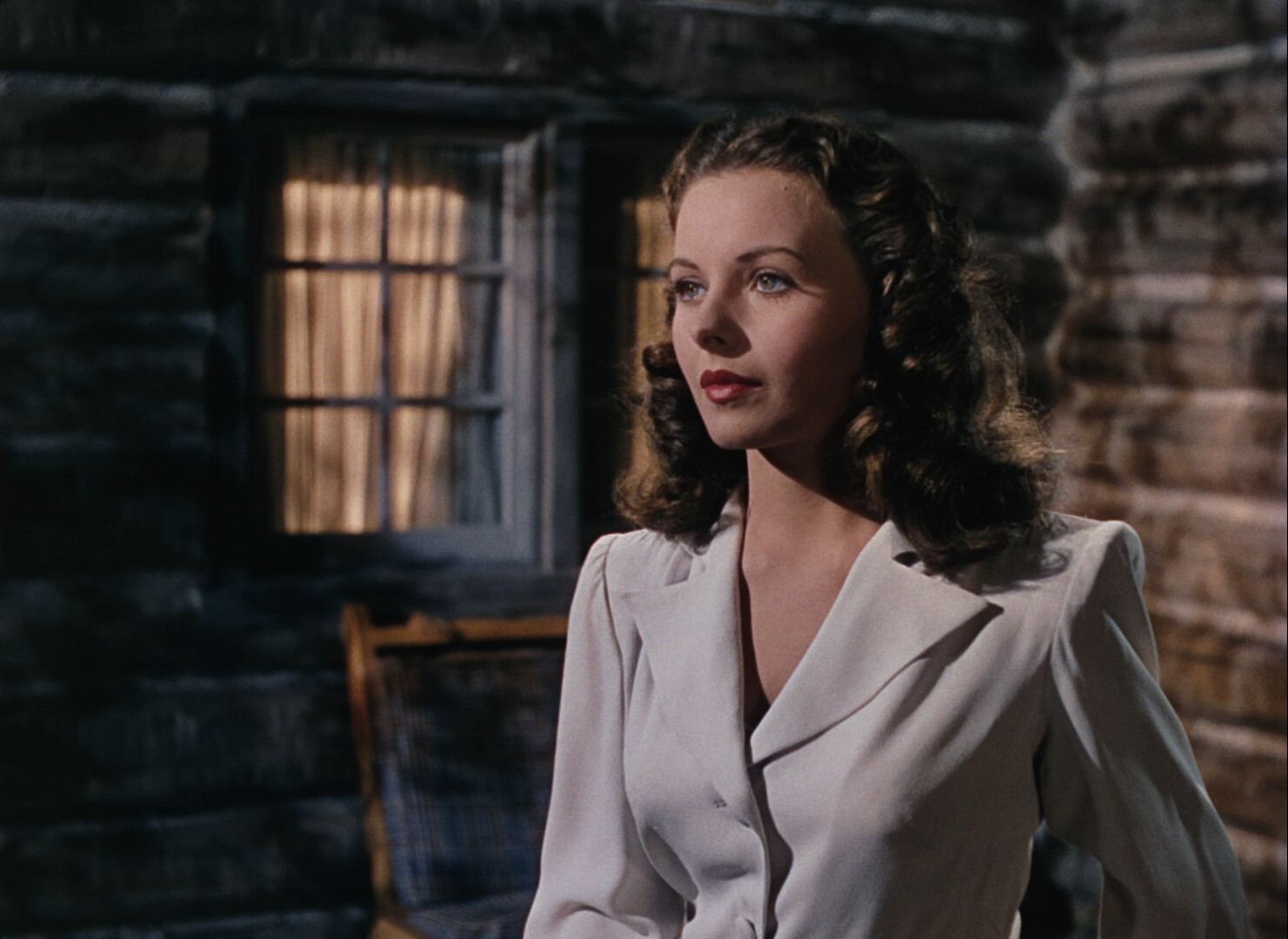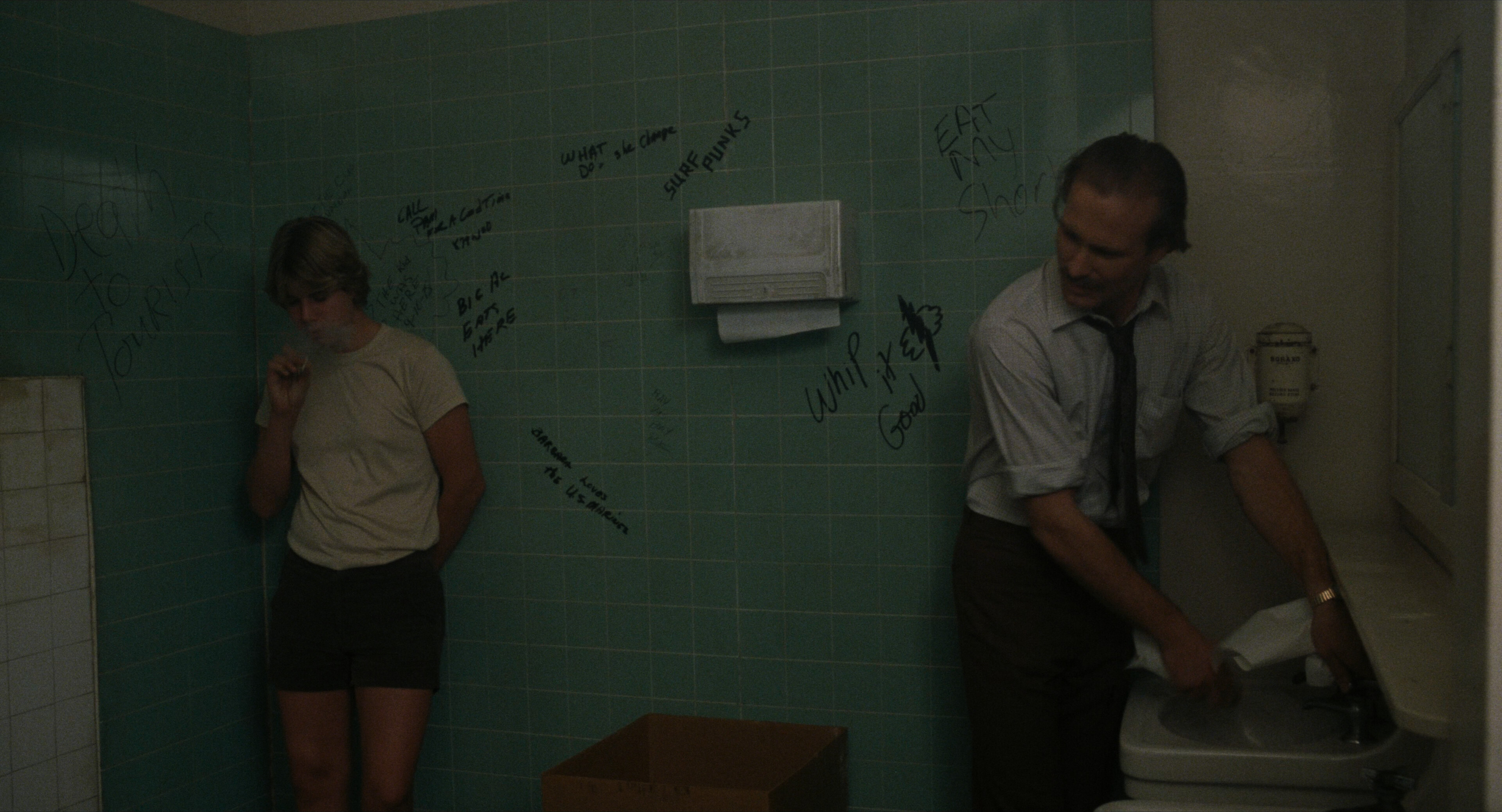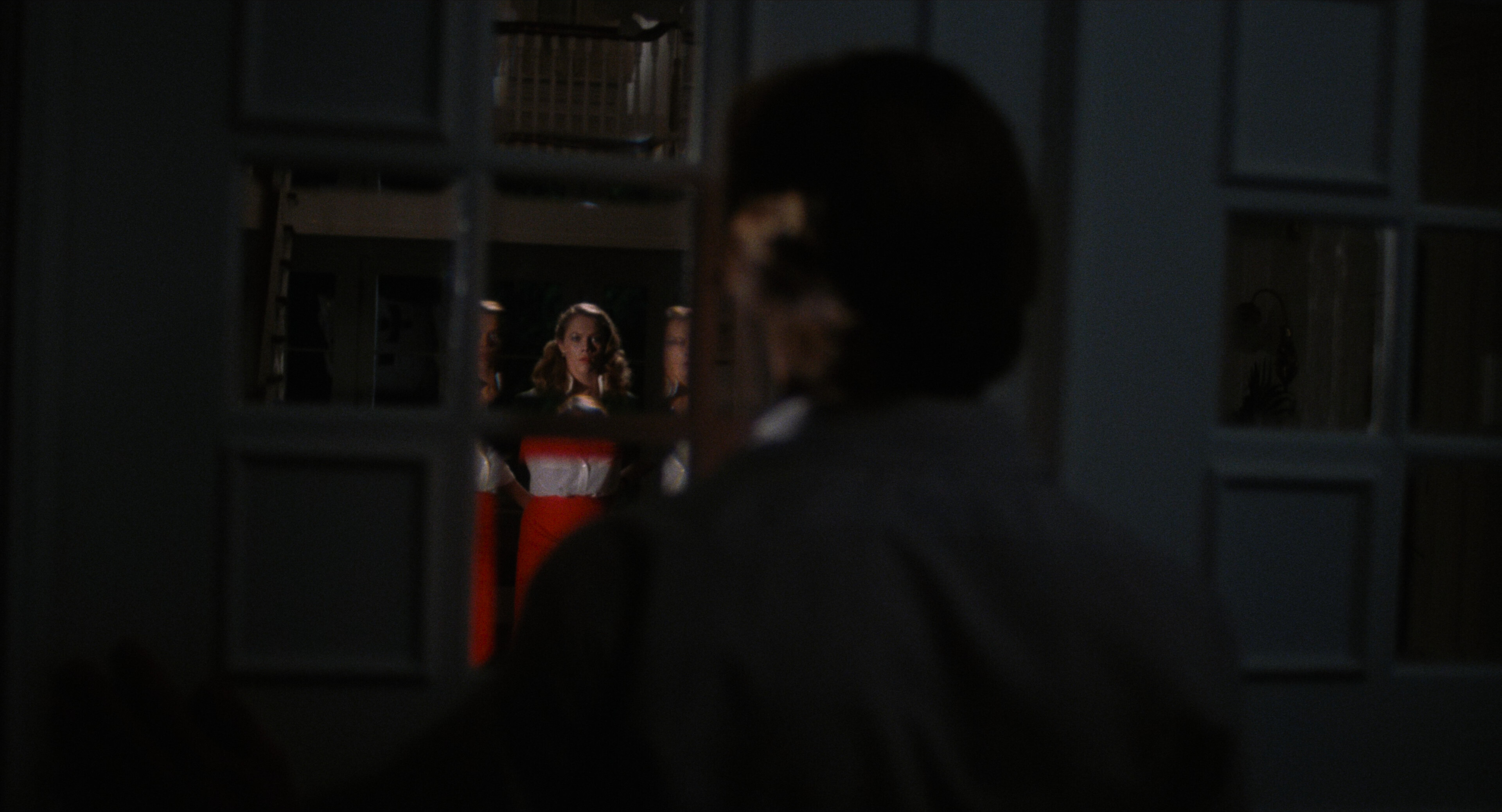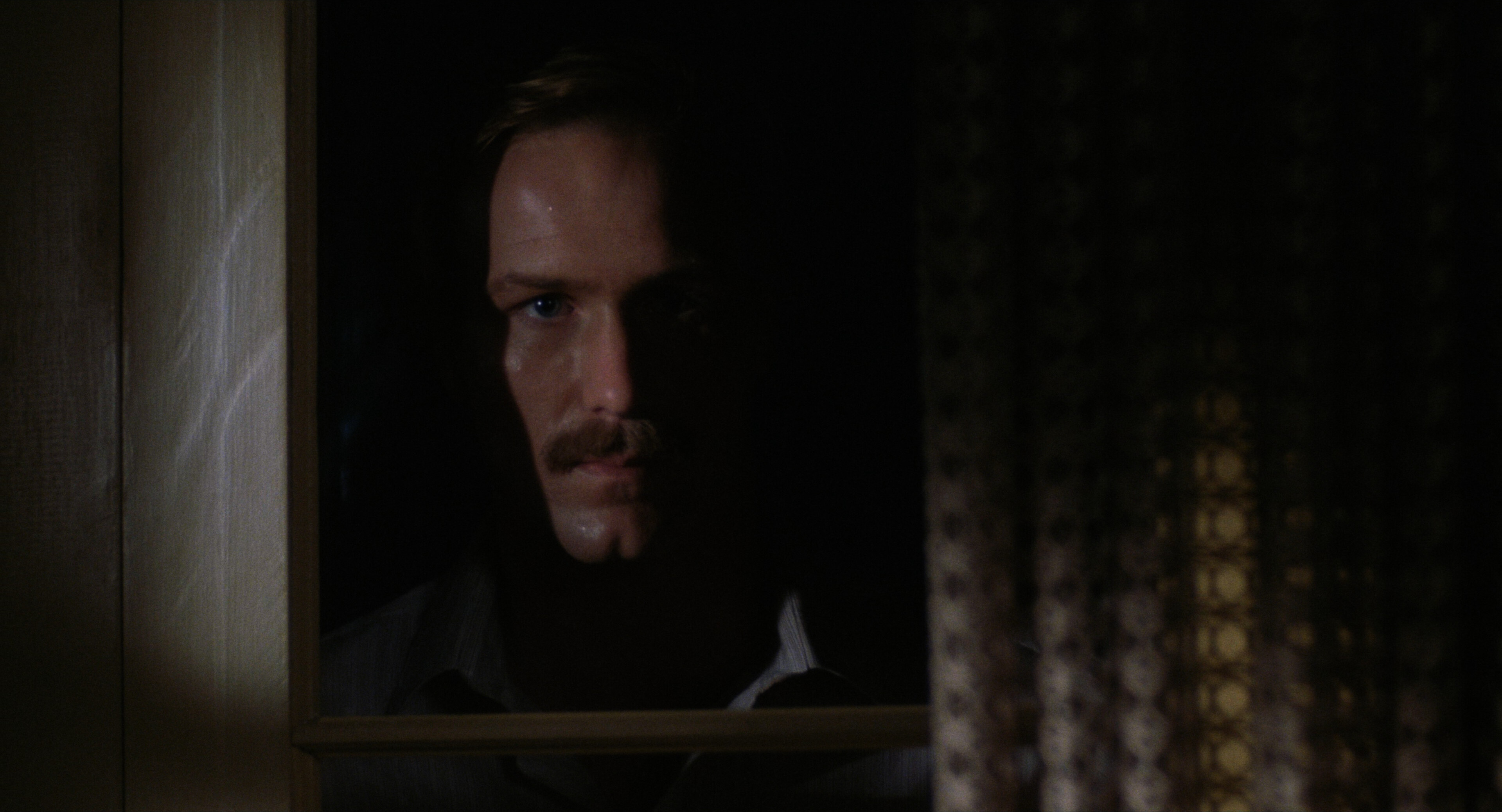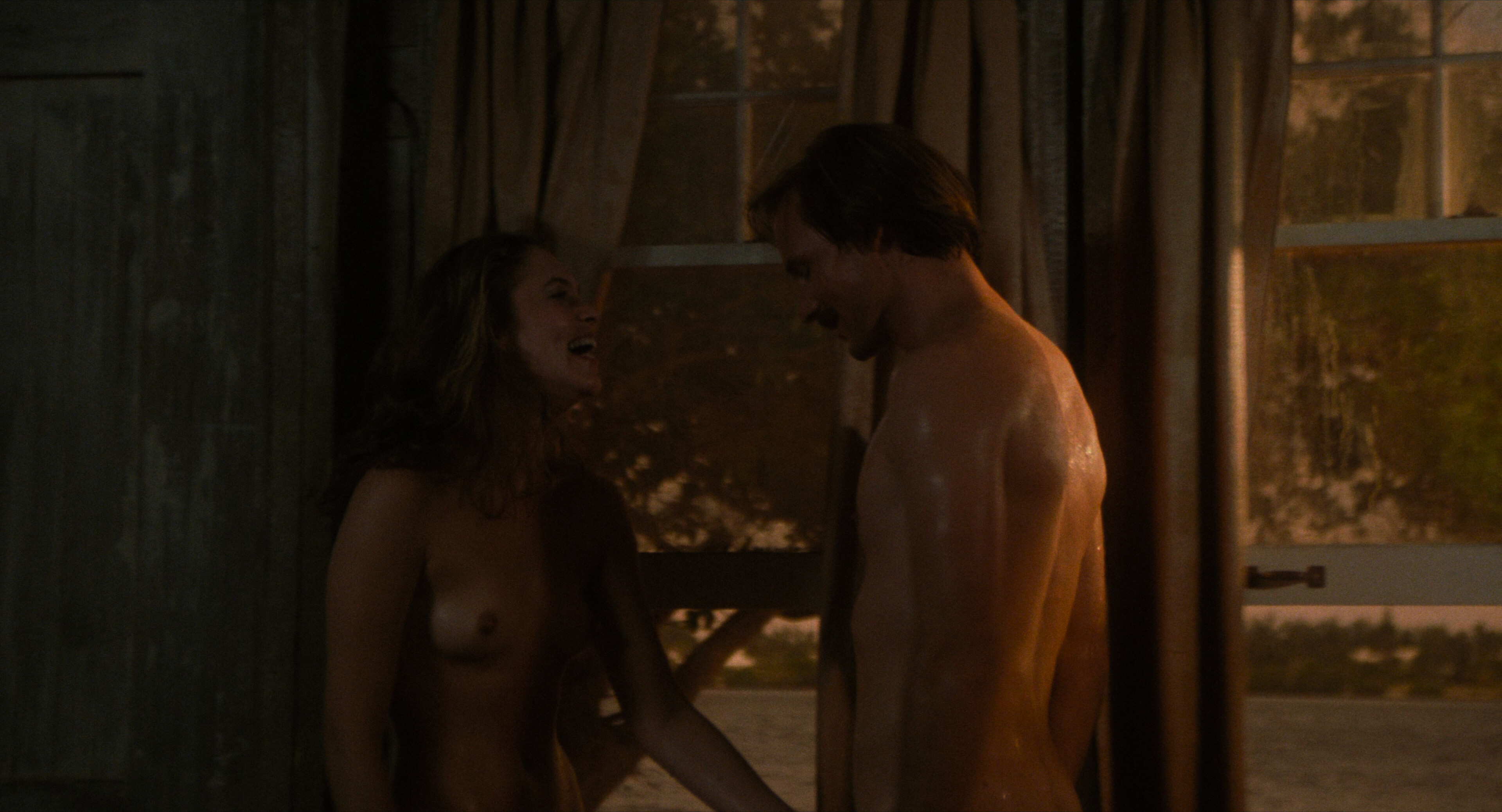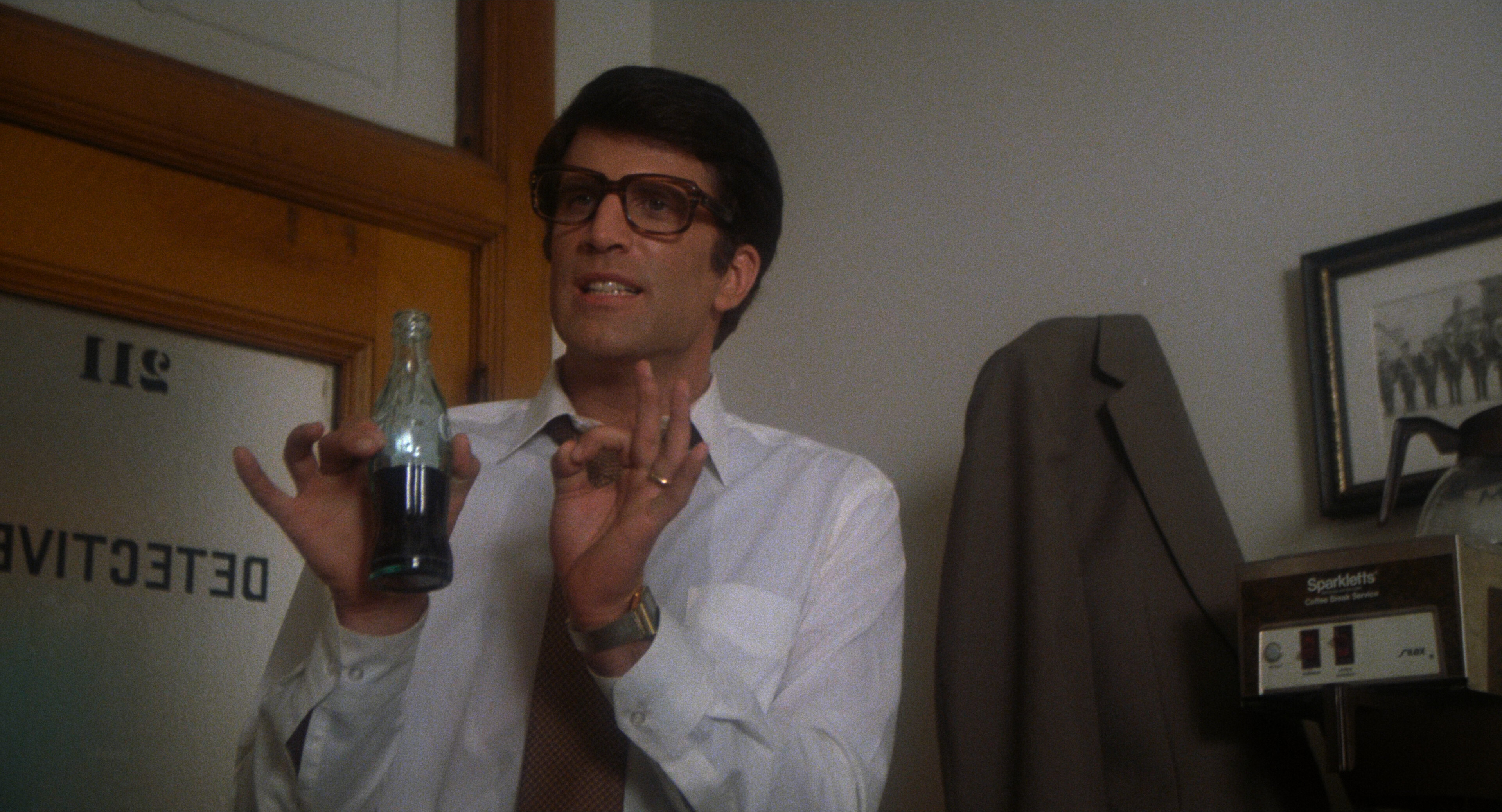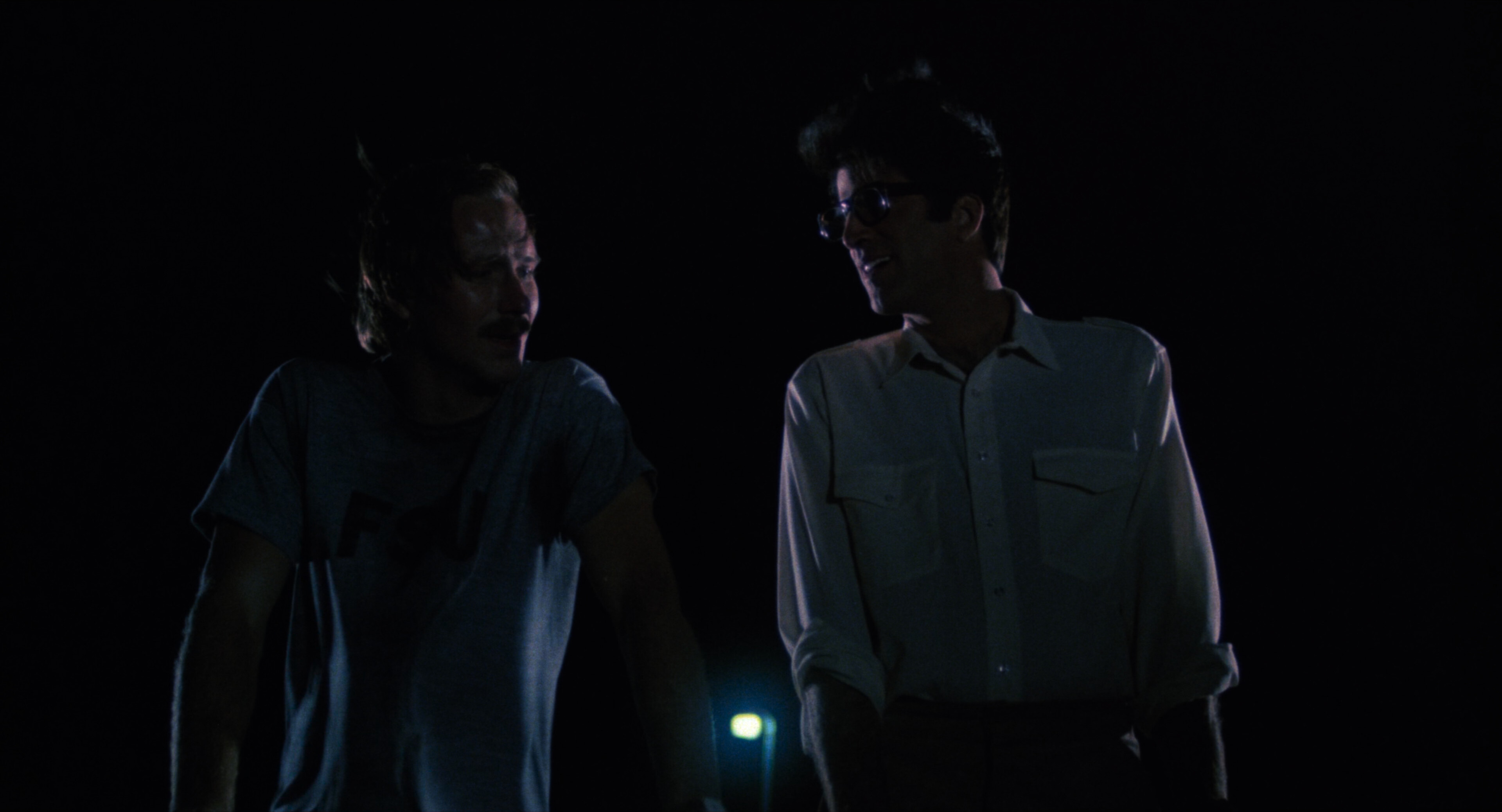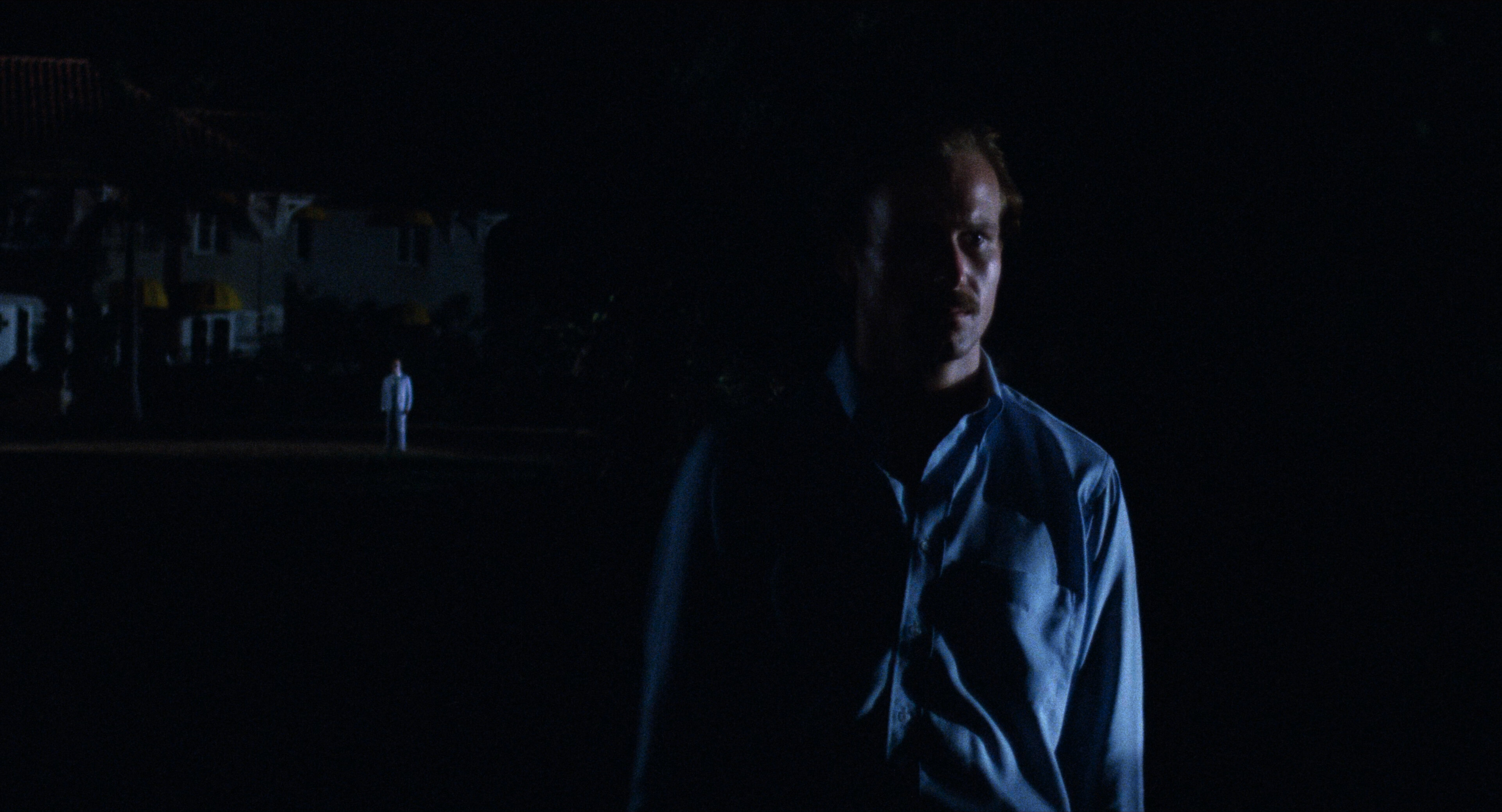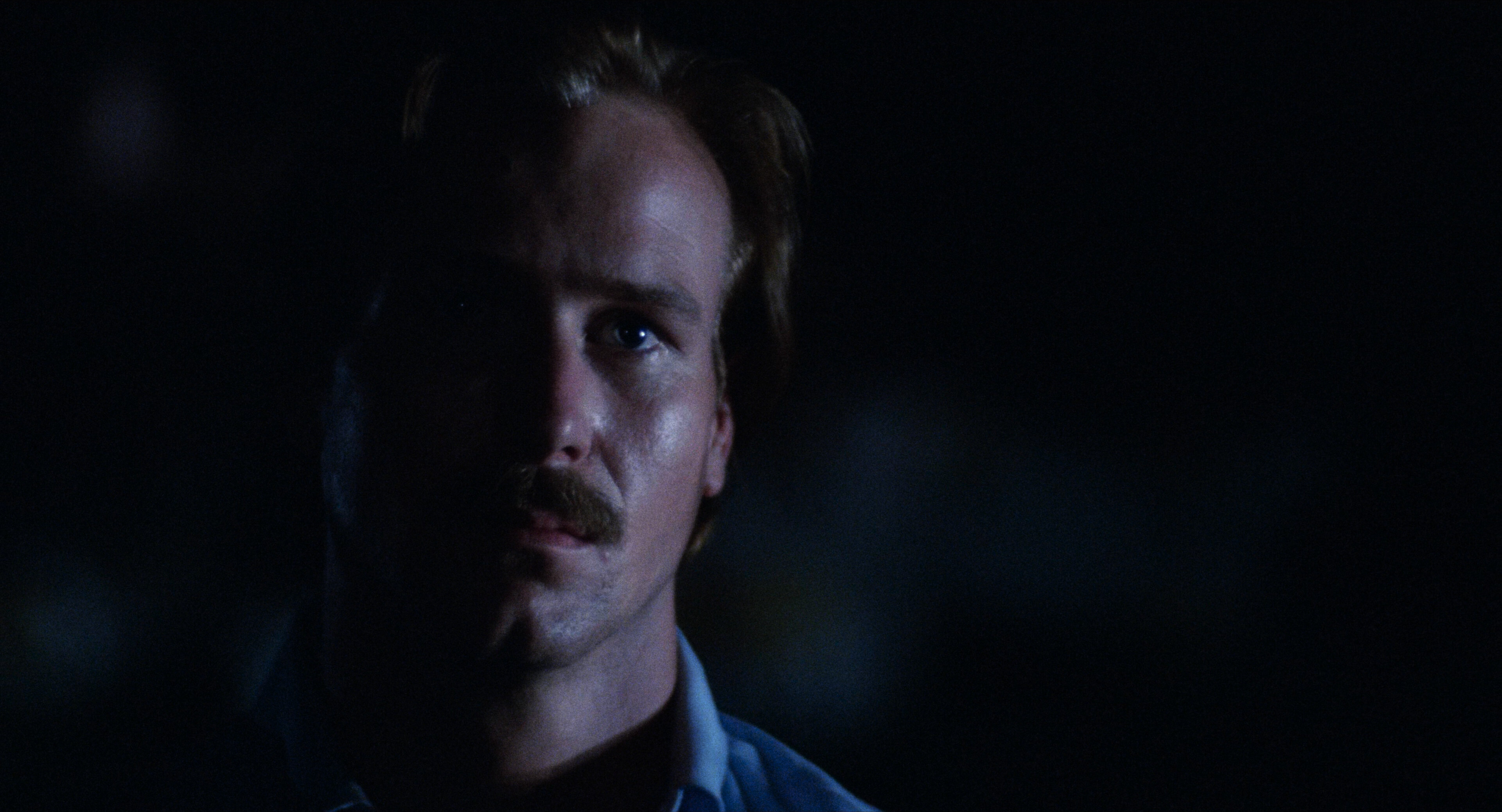
To Live And Die In L. A.

Hey! Don’t they have tailgating laws in L. A.?

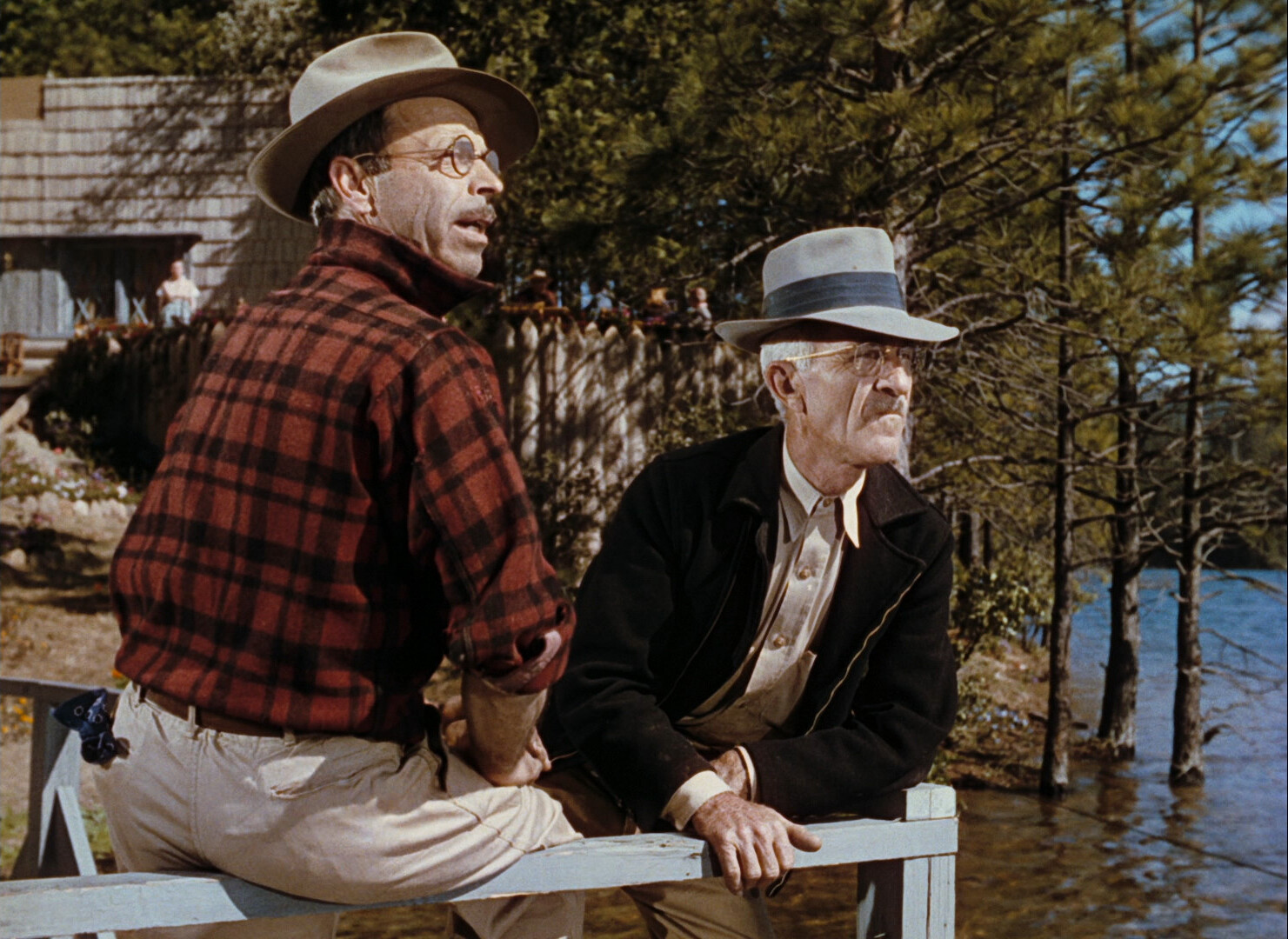
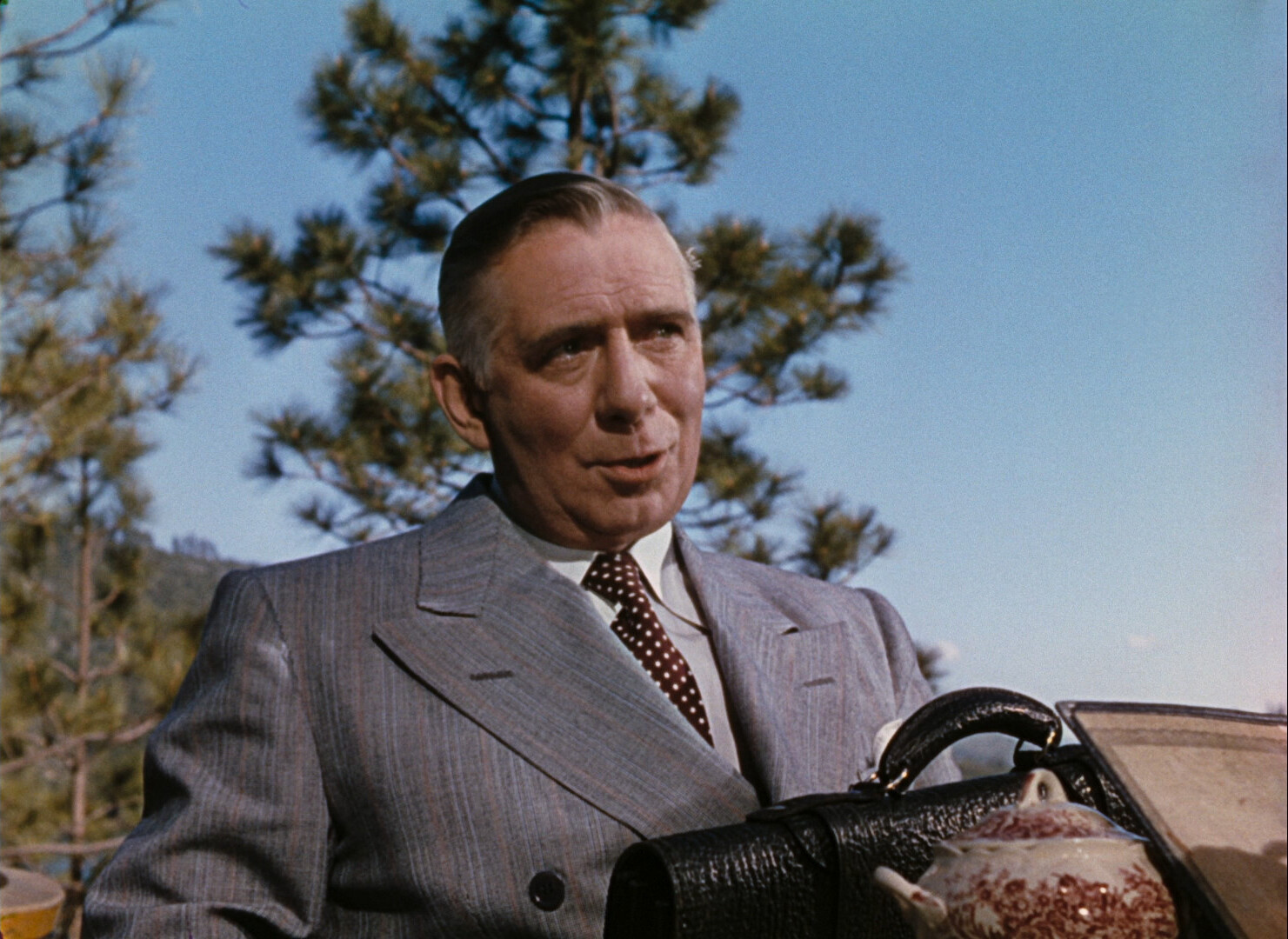
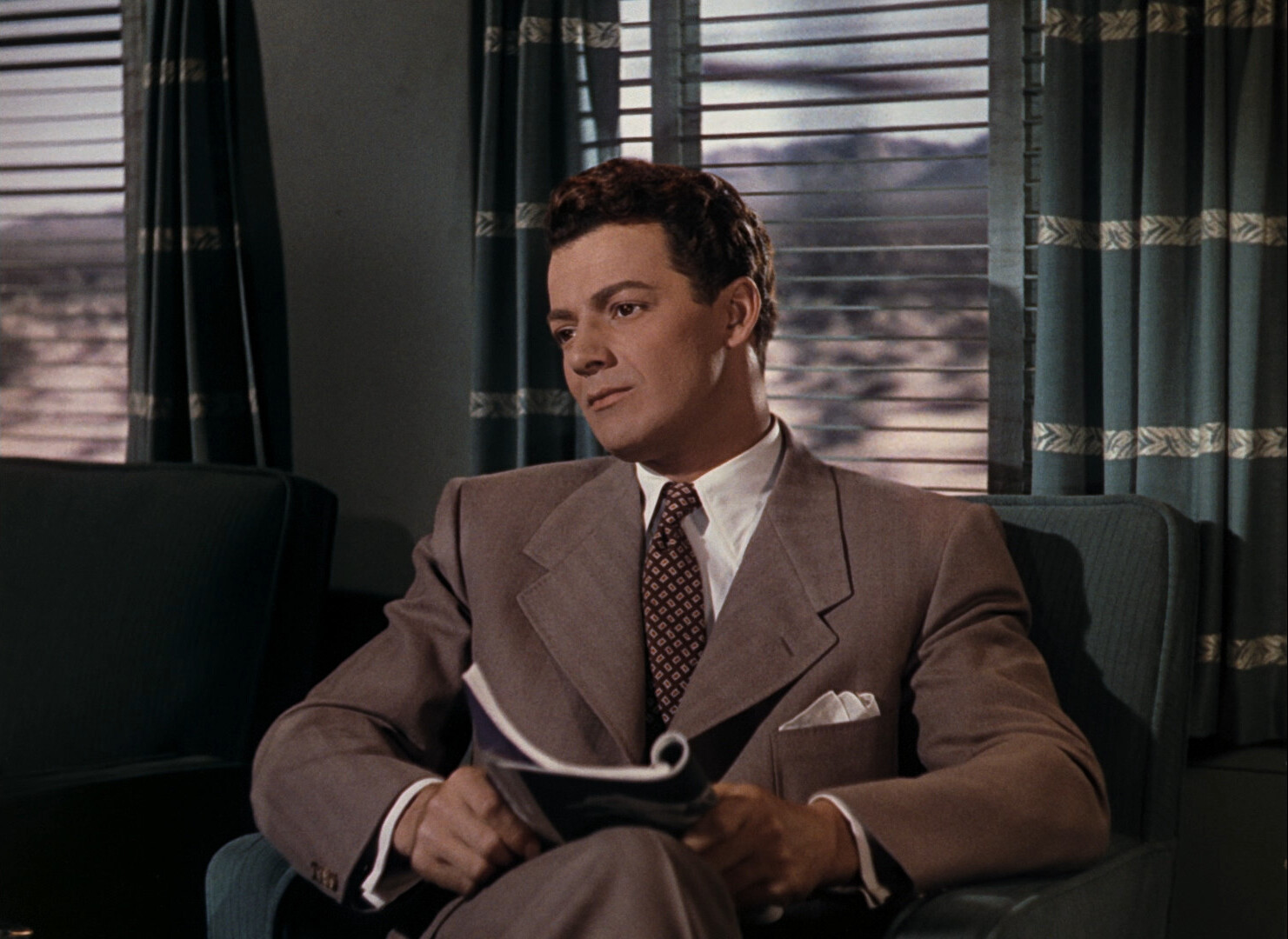
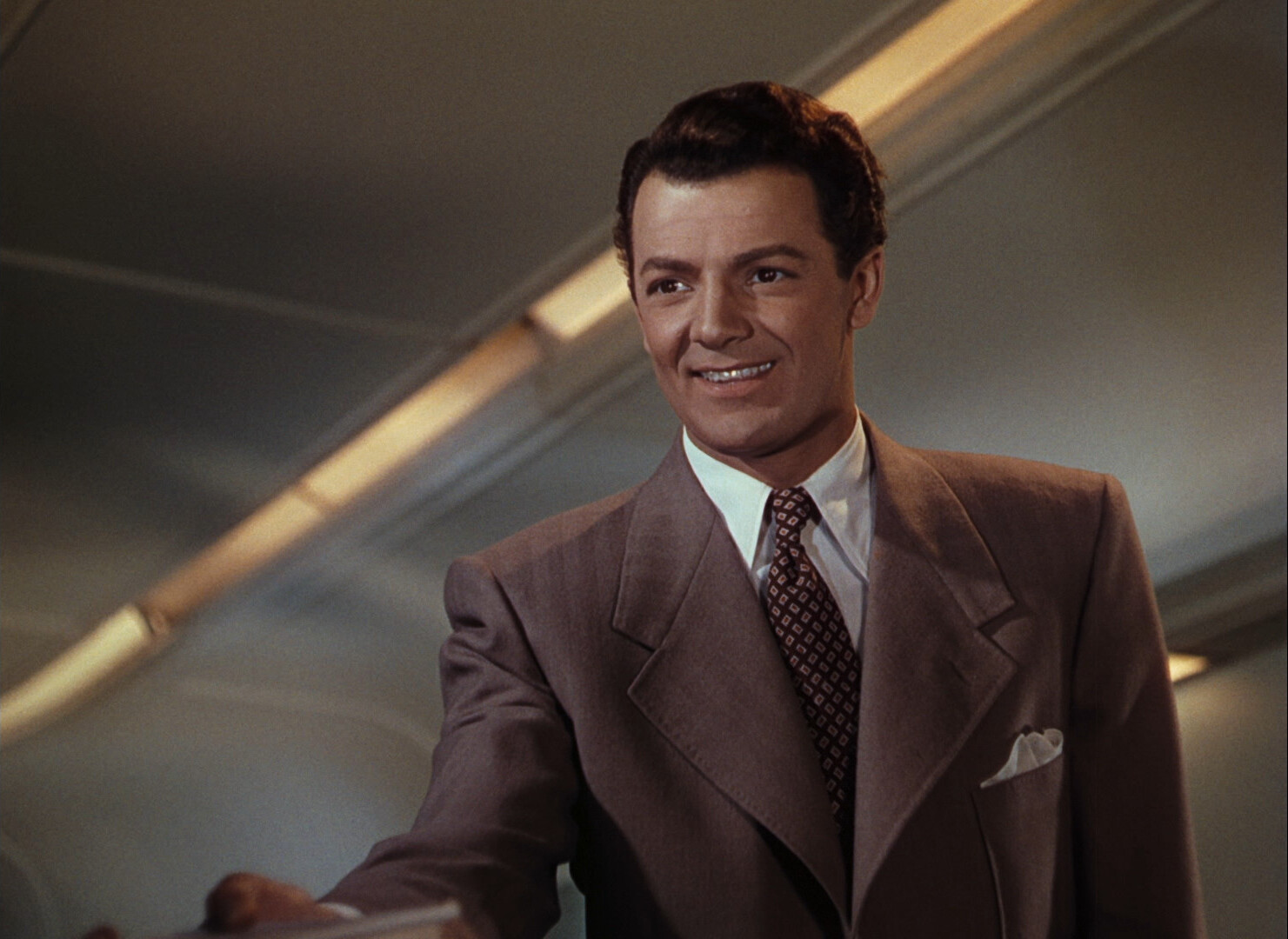
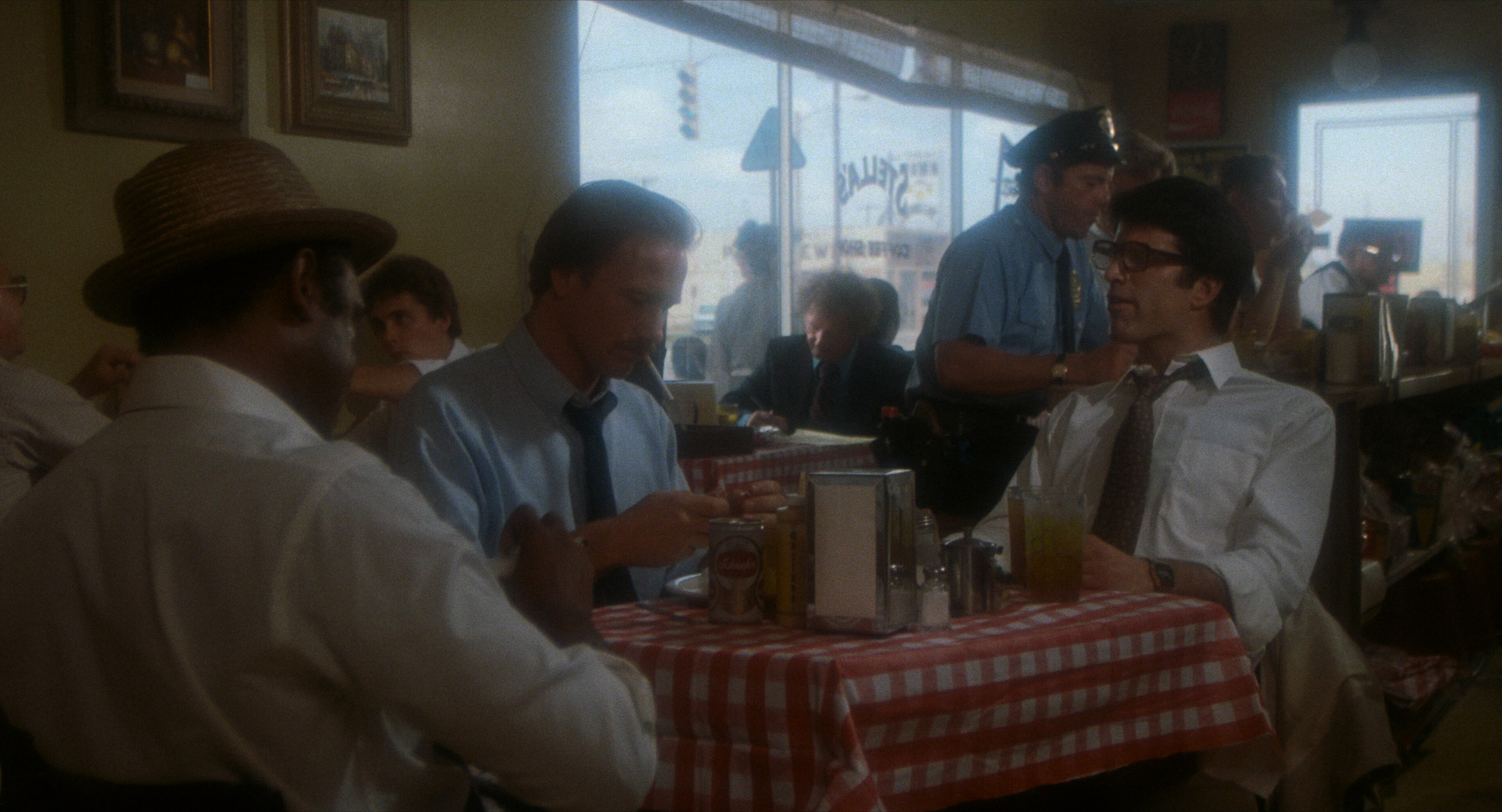
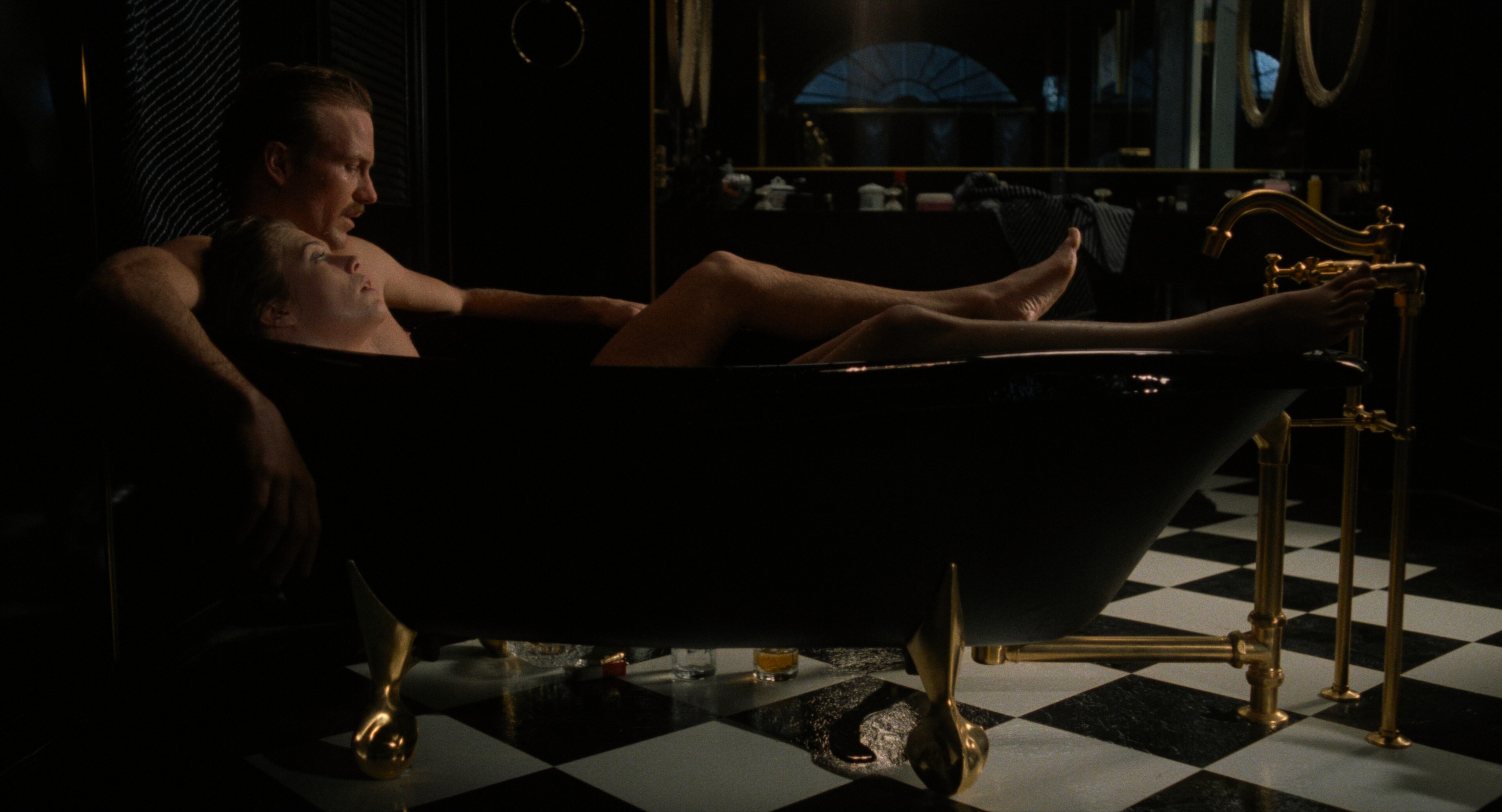
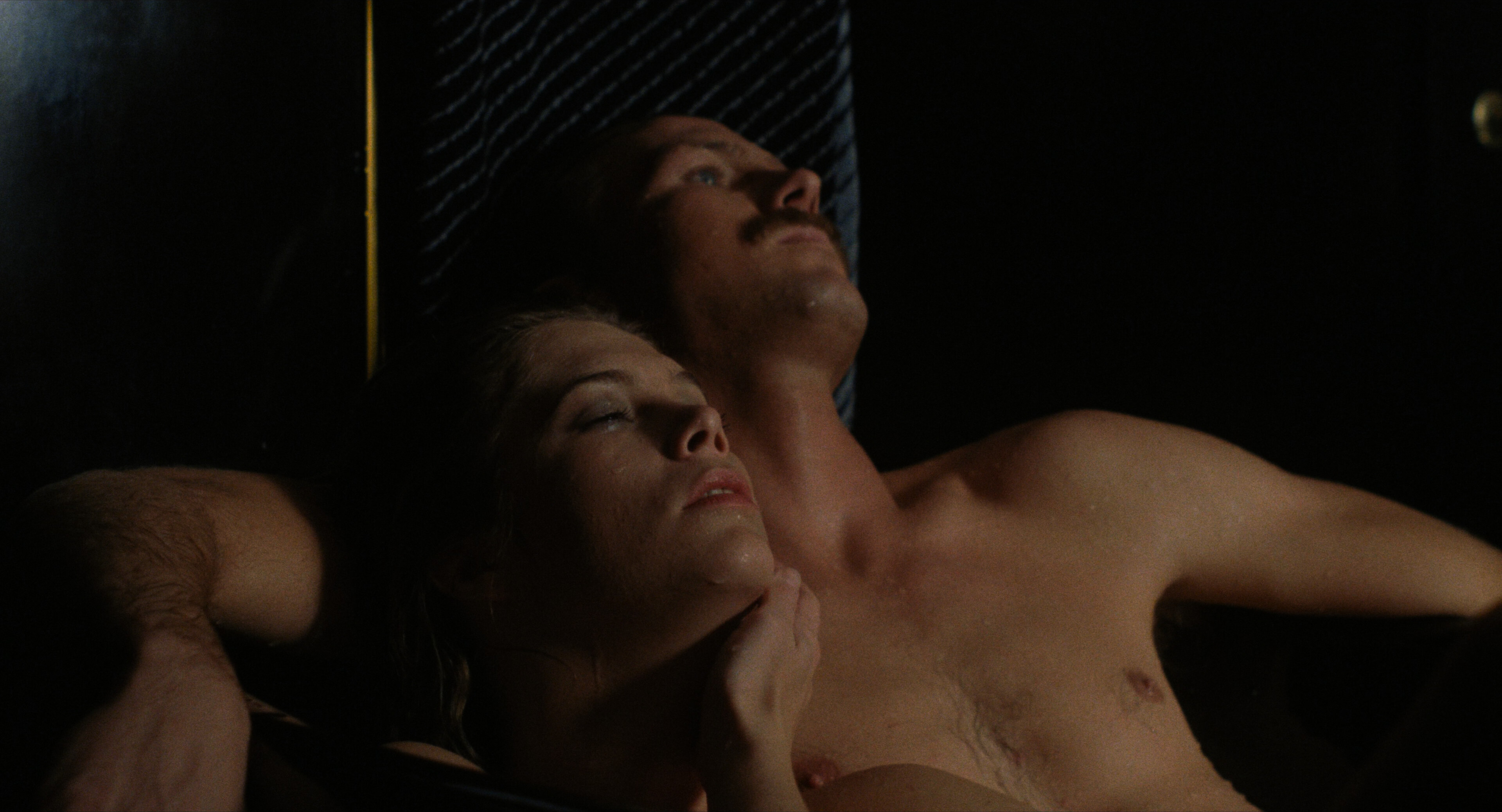
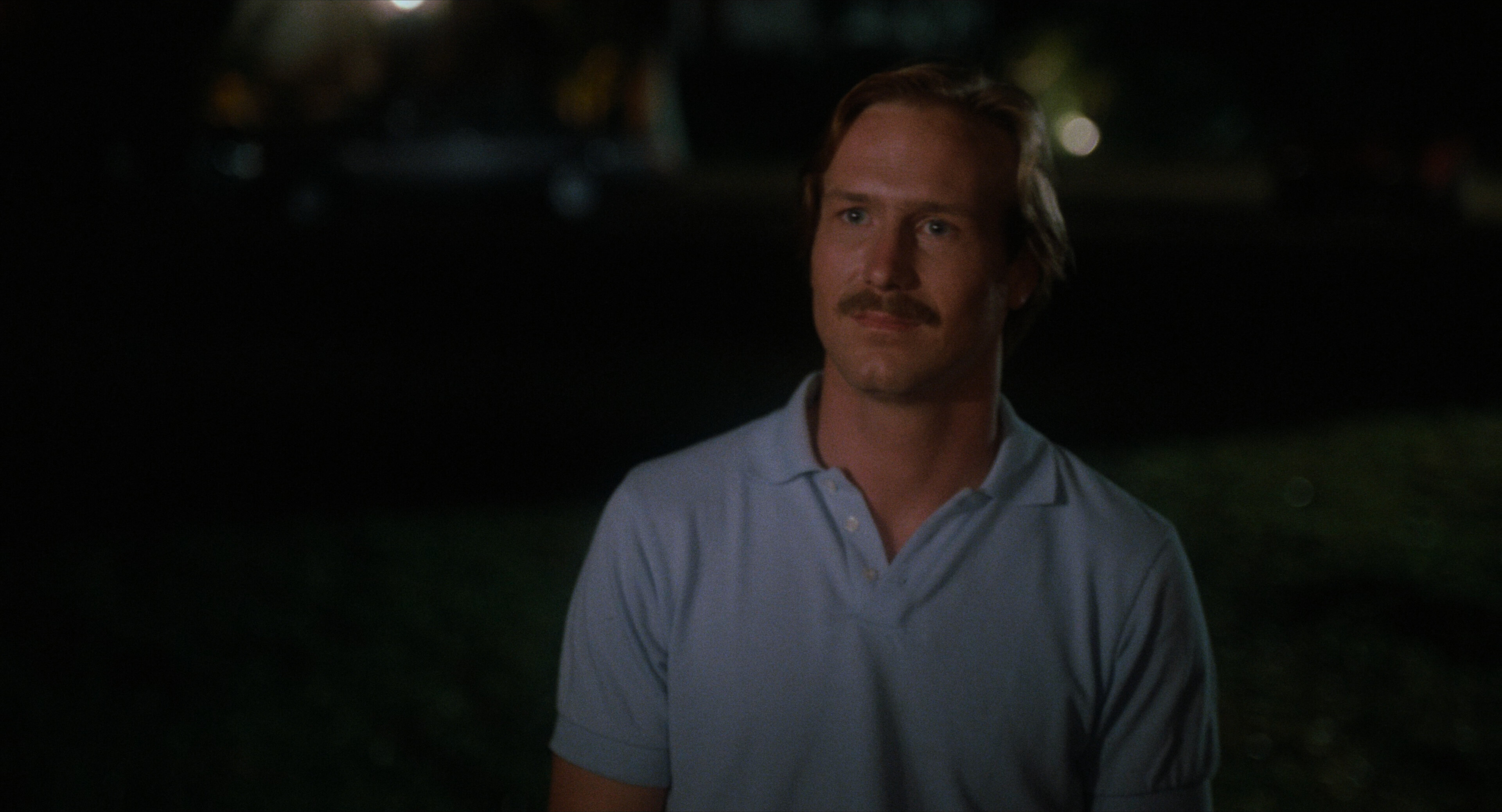
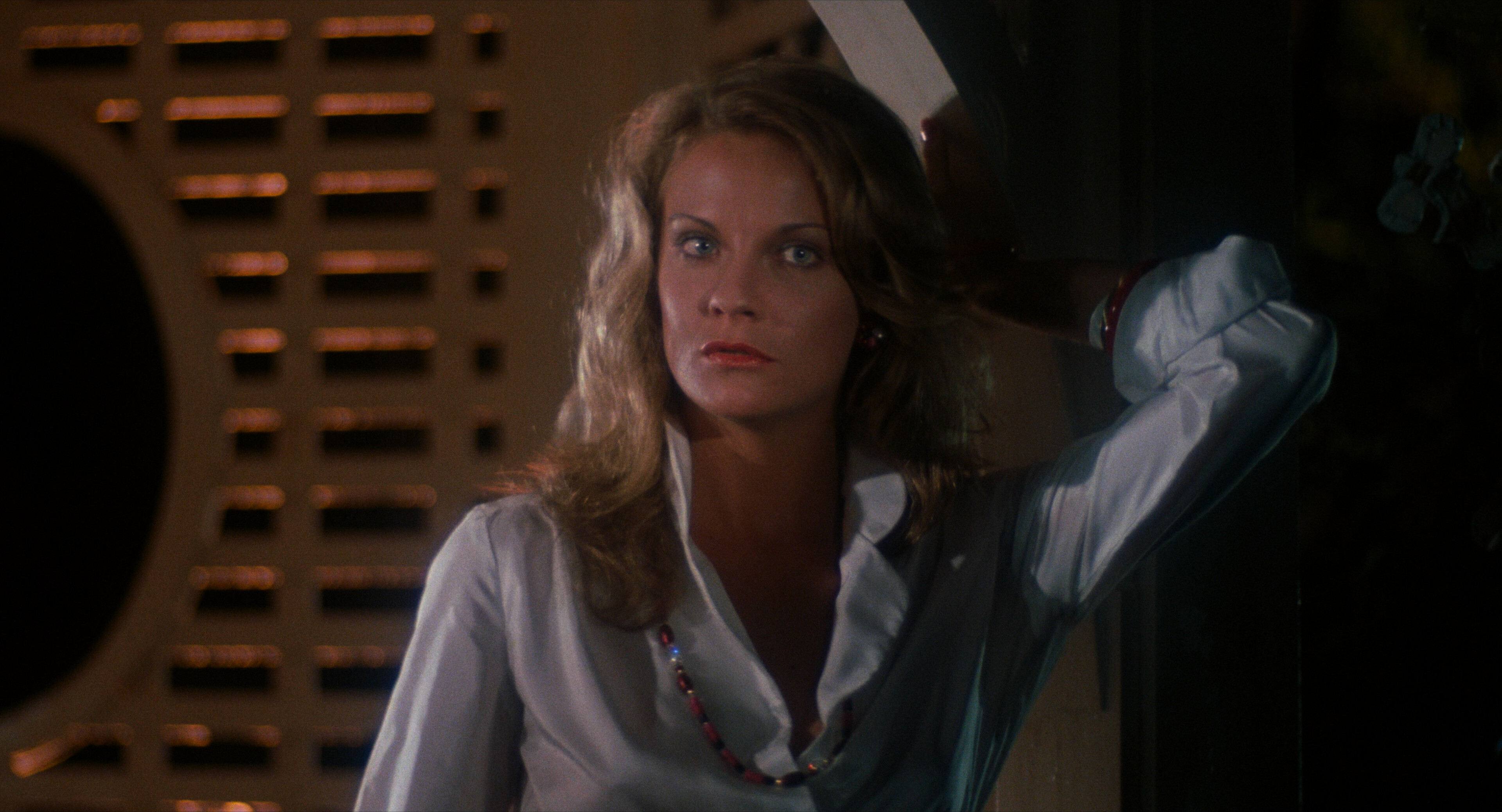
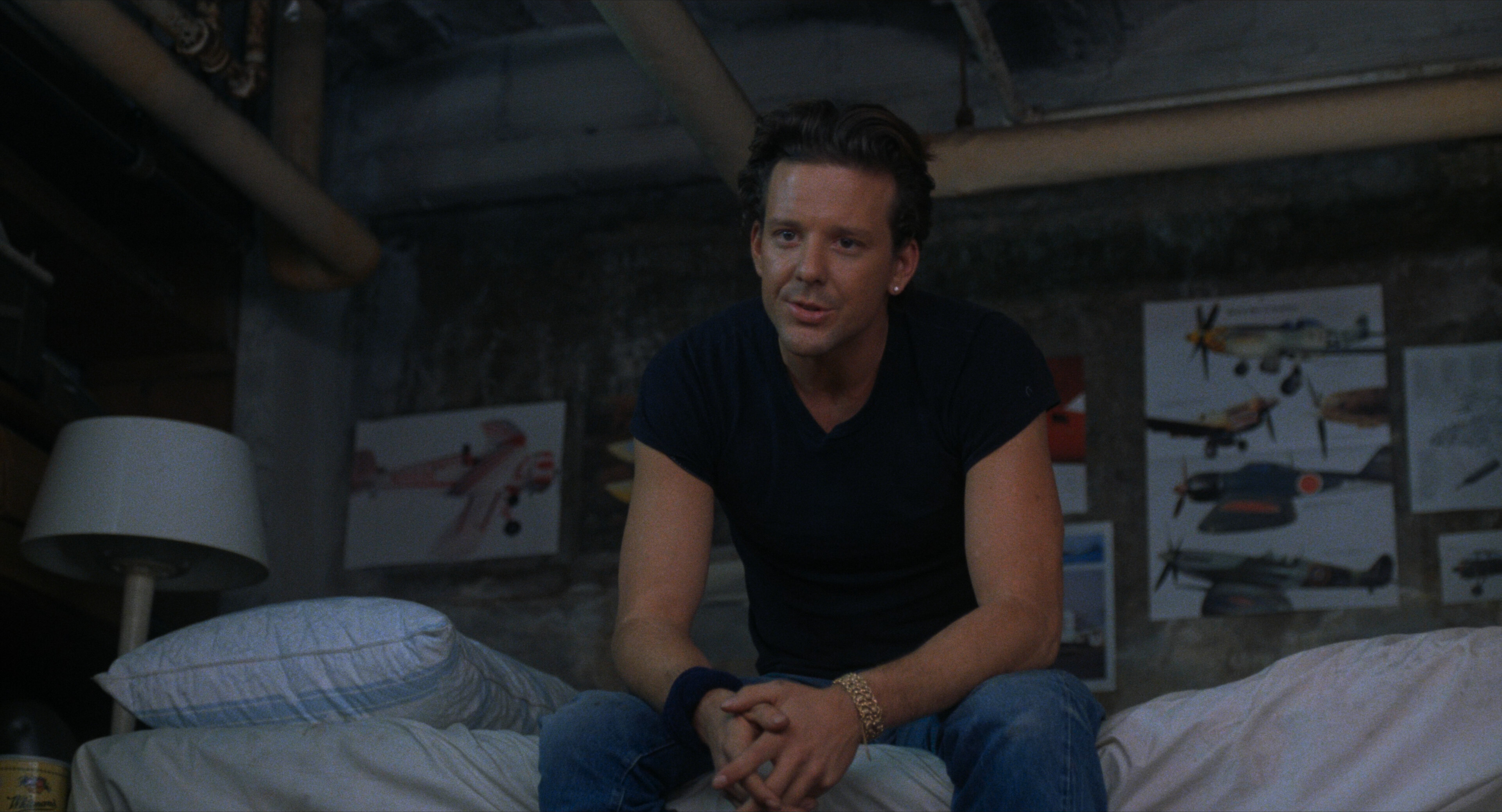
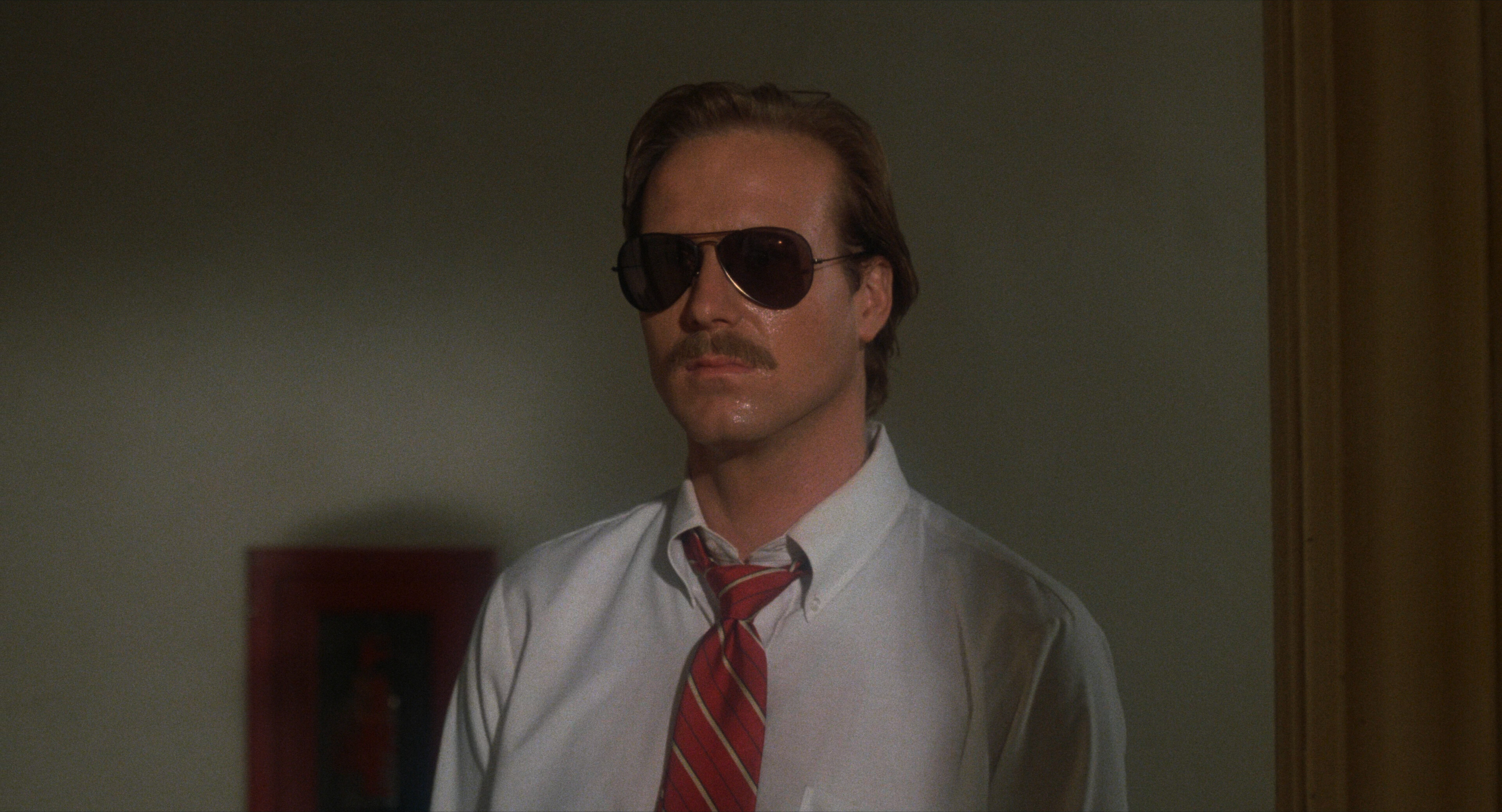
That’s a way to start a movie. I don’t really know Friedkin’s movies that well (beyond the big hits like The Exorcist), but this felt very 1985s fresh, even at a 40 year remove. It starts with the title song playing for two and a half minutes interrupted — it’s an amazing tune, and Friedkin knew it.

Wheee! Those colours!

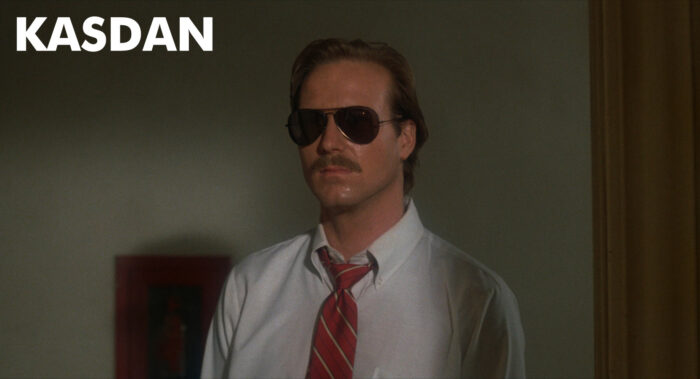
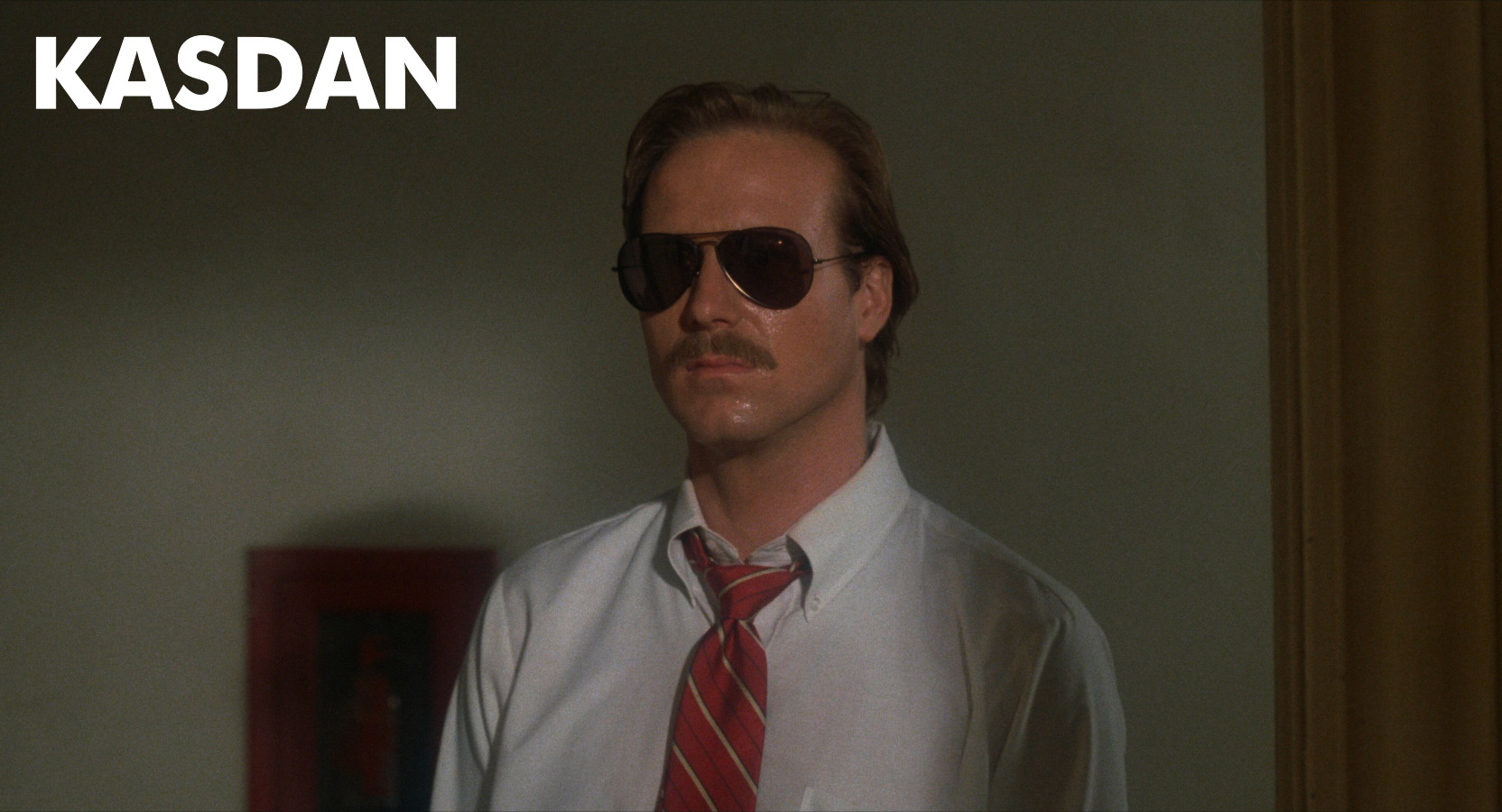
You couldn’t have found a more 1985 colour combination. Or fonts.

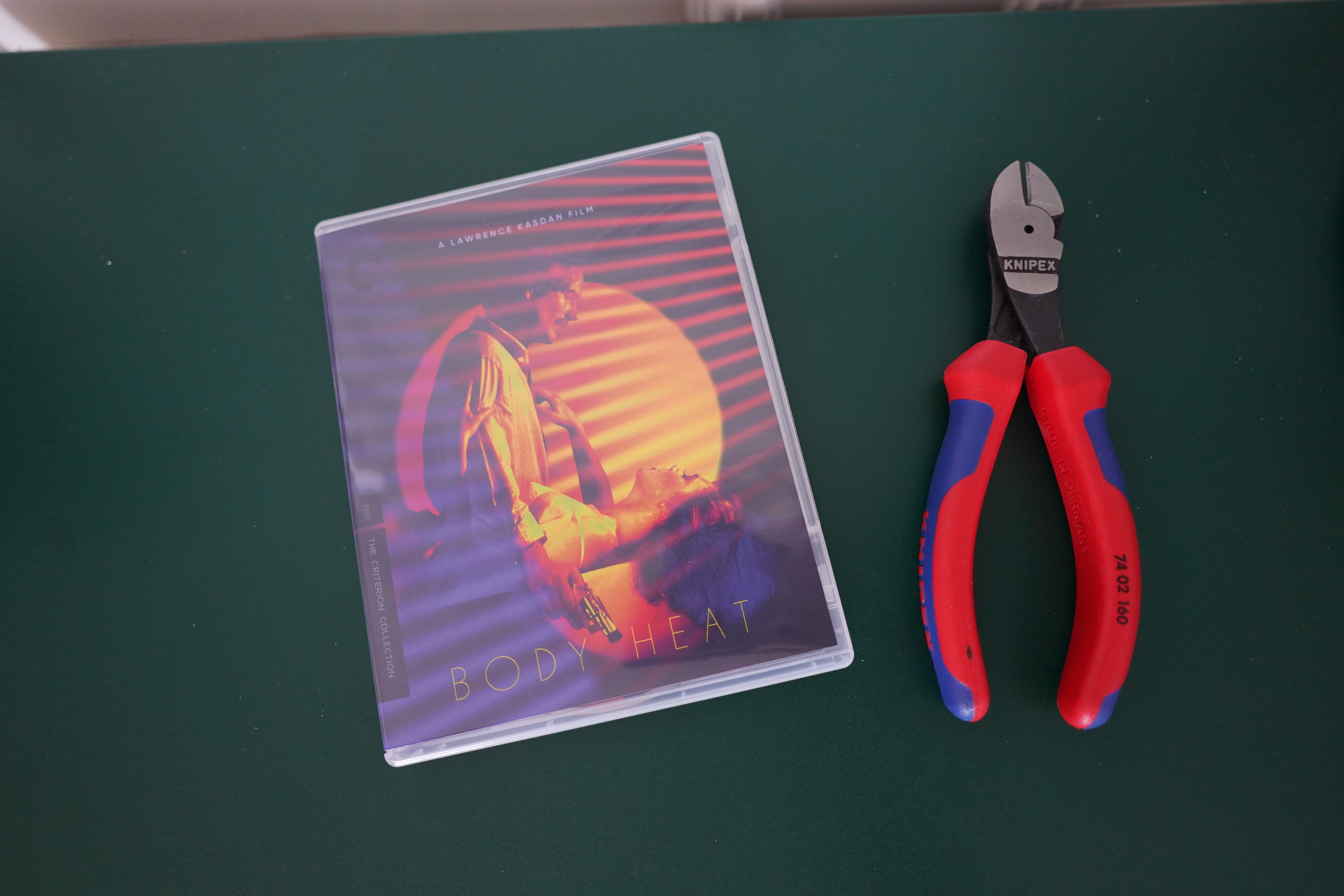
Yeah, OK, this is why I bought this bluray (in 4K even): John Mullaney’s “talk show” this year used To Live And Die In L. A. as the title track, and I just liked it so much that I bought the soundtrack CD for this movie, and I liked the CD so much that I bought the bluray, and now I’m watching it.

Wang Chung - To Live And Die In L.A.

A cop with only three days to go before retirement! Uh-oh!

I loved this money laundering sequence. So nerdy.

Oh darn!

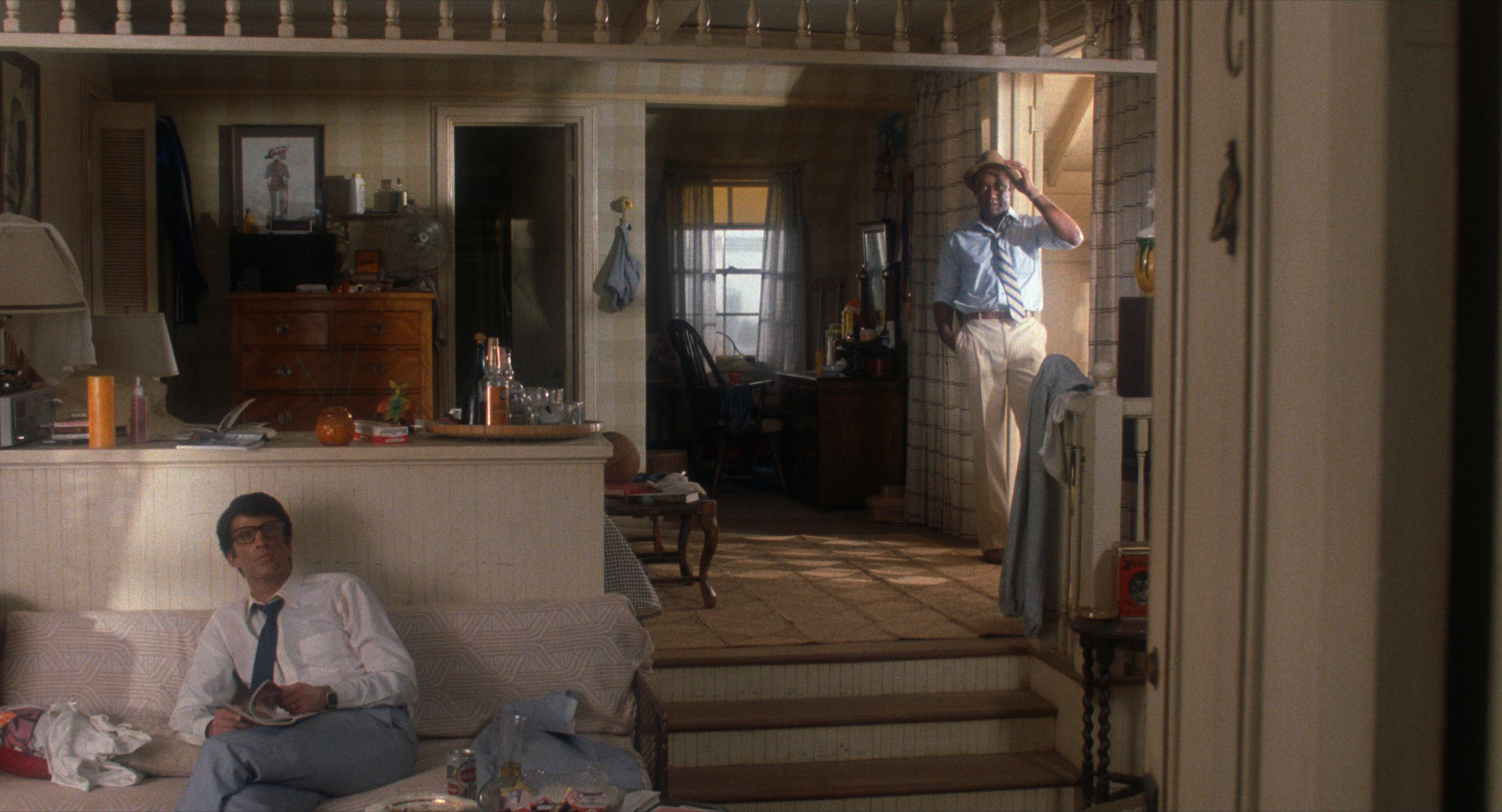
And also — this seems like a totally normal place for a cop to live, doesn’t it? (OK, secret service.)

Having heard the entire movie soundtrack a bunch of times before seeing the movie is weird. Like, every other scene there’s a new background track and my brain is going “oh, I know that thing” and then my brain is like “well, duh, brain”.

It’s such… I don’t want to say “odd movie”. If this was 1985, and I’d rented three movies from the video store, and one was a Golan-Globus movie, one was a Schwarzenegger movie, and one was this, I would have found that totally natural: Yet another vague straight-to-VHS action/drama movie, would have been my thought (as a teenager). (But I’m guessing this never got distribution at all outside of the US, and perhaps it never was on VHS?)

But watching this now, I’m really into this movie. It feels exotic, like a period piece. But I’m also finding Friedkin’s choices sometimes incomprehensible. It’s like “wat”.

Why is there a different font on the clock every time, though?

For a movie that plays with clichés as much as this one does, the plot is genuinely surprising. I really enjoyed watching this, but is it a good movie? Is it brilliant? Is it a work of genius? Is it a cynical spoof of undercover cop/heist movies? Is it a disaster? I can totally see the argument for all of these.

Hey! Lesli Linka Glatter directed some Twin Peaks episodes, didn’t she?

OK, now I’m gonna google this movie.

Yeah, that’s what I thought. So it’s got a pretty decent budget, and while it didn’t bomb, it didn’t really many much money either. And it did not get shown anywhere other than the US, apparently.

Heh heh. It’s true, though.

To Live And Die In L. A.. William Friedkin. 1985.

Monkey Business

How meta!

Anyway, this looks a bit… I mean, it’s a DVD, because it hasn’t been released on bluray, which is odd in itself, because:

Howard Hawks/Cary Grant/Ginger Rogers/Marilyn Monroe! And no bluray!? Did the prints get lost so they can’t do a 2K release? Is it in the public domain?

But once it gets started for real, it looks pretty good — it was just the pre title sequence that looked like it was nineteenth generation.

Oh, is Hawks trying to do a new Bringing Up Baby? Cary Grant is doing another absent-minded professor, and there’s another wild animal (this time it’s a chimpanzee)…

That’s an impressive ape.

So the gag in this movie is that the Cary Grant character is experimenting with a youth serum. When he took it, he became reckless, but fun. When she took it, she became a total nightmare, which is unfair to Ginger Rogers, who’s fantastic at doing outrageous comedy — but she doesn’t really get much of a chance with this script.

It’s a funny movie. But it also feels so… misguided? It’s like they went “OK, we have Grant and Rogers. We don’t have to write a script”. Instead just the sheer idea of having them behave first like teenagers, and then like ten-year-olds would be enough to carry the movie. And it almost is! It’s funny, because these two actors are amazing at what they do.

But compare it with Bringing Up Baby… It had so much funny repartee, and a script with lots of interesting bits. This is just lazy. I mean, on the writers’ part. So the bits when Grant and Rogers aren’t whooping it up, it just sits there.

Monkey Business. Howard Hawks. 1952.

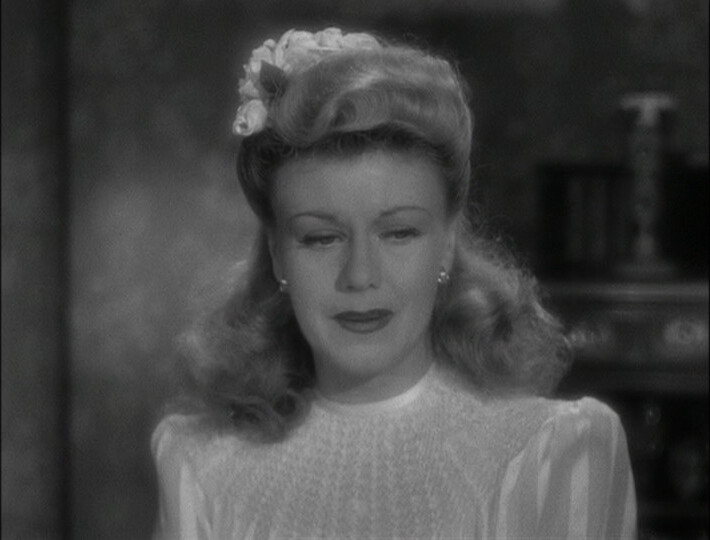
Roxie Hart

Even as early 40s screwball comedies go, this is very… odd. I mean, it’s very, very funny, but it’s more a broad satire than a comedy, but it’s not at all clear what the target of the satire is (beyond the press and celebrity trials). It seems like any scene here could be a political point being made, but it could also just be random silliness.

One thing that could explain it is if this is based on a kooky stage show — it’s set in a very limited number of locations, and it’s got that frantic rhythm…

And then of course Ginger Rogers does a little tap number all of a sudden.


I didn’t quite know what to make of this movie at the start. But as it went along, I just thought it was absolutely brilliant. It’s way ahead of its time — it feels more like a 70s British satire than a 40s comedy. It’s so… relentless. But so much funnier than those 70s satires.

Ooooh:

A film adaptation of a 1926 play Chicago by Maurine Dallas Watkins, a journalist who found inspiration in two real-life Chicago trials (Beulah Annan and Belva Gaertner) she had covered for the press.

I’ve never seen Chicago!

But… (spoilers) in this version she wasn’t guilty.

Flagg is right that it isn’t perfect, but it’s just so funny. All those little bits… And Ginger Rogers is amazing.

Roxie Hart. William A. Wellman. 1942.