Jacquot de Nantes

Jacquot de Nantes. Agnès Varda. 1991.

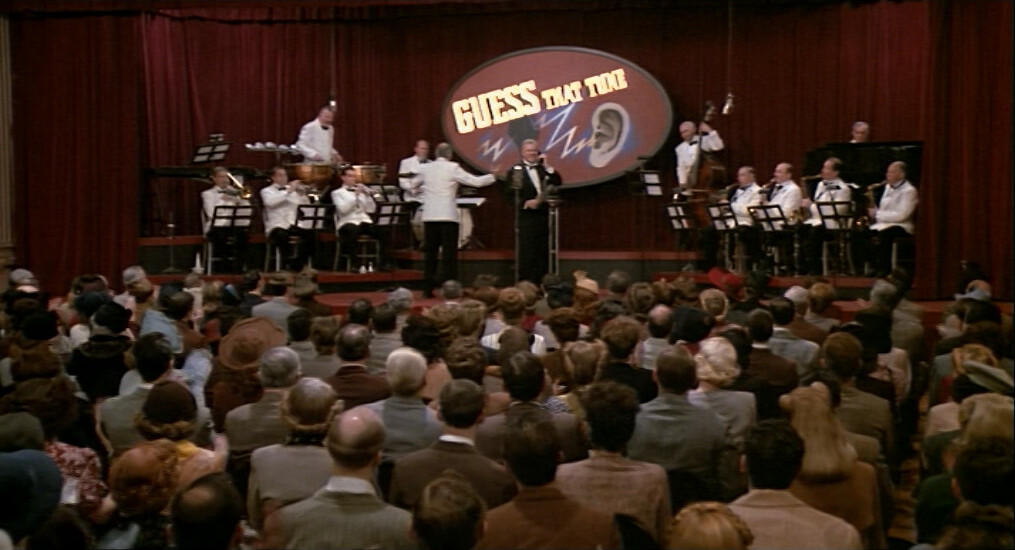
I just watched the super-nostalgic Radio Days… and here’s an even more nostalgic movie.

It’s about Jacques Demy, Varda’s husband. Demy is a director, too, but I haven’t seen a single one of his movies, I think? So I just bought a box set, because I thought I should fix that. I mean, if he was married to Varda, he’s probably pretty good. She’s got good taste.

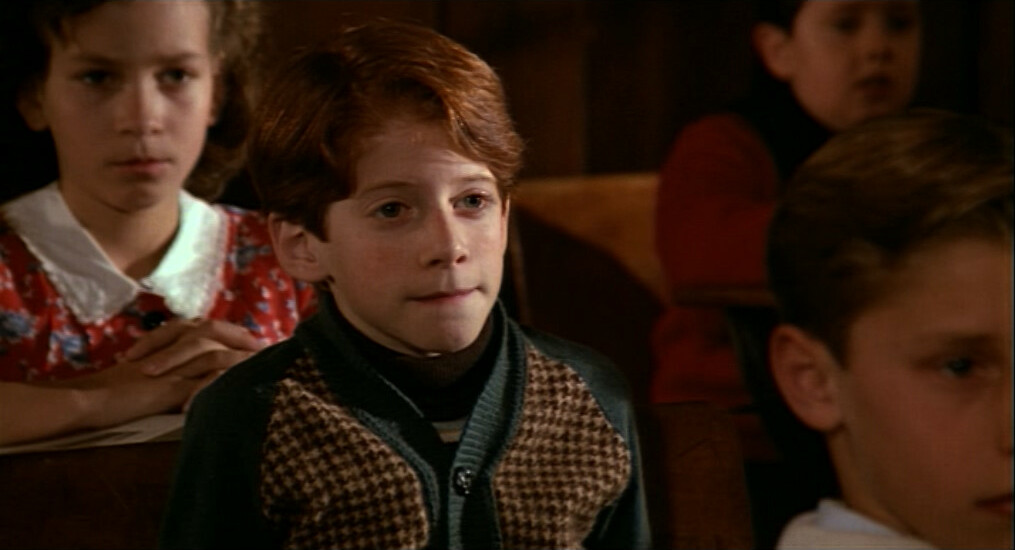
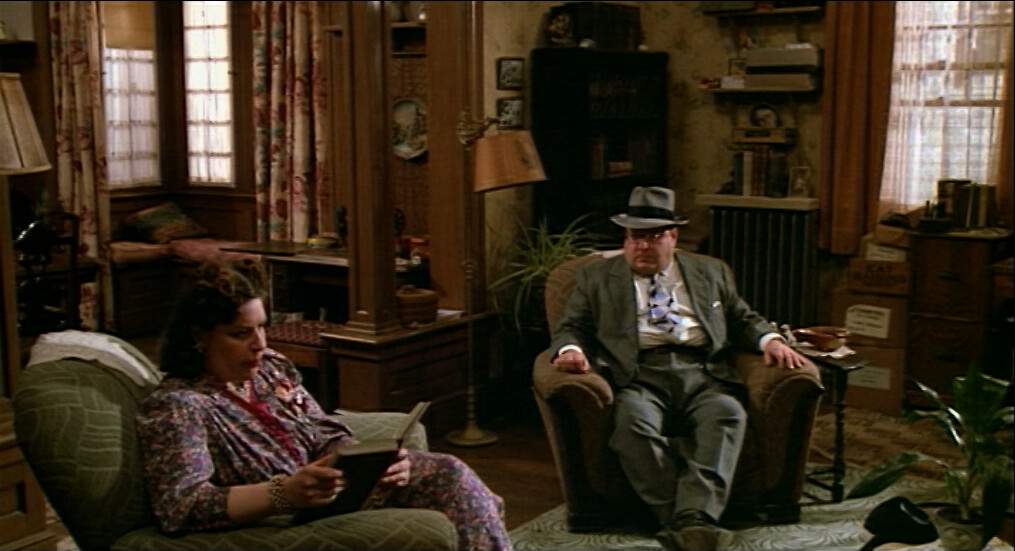
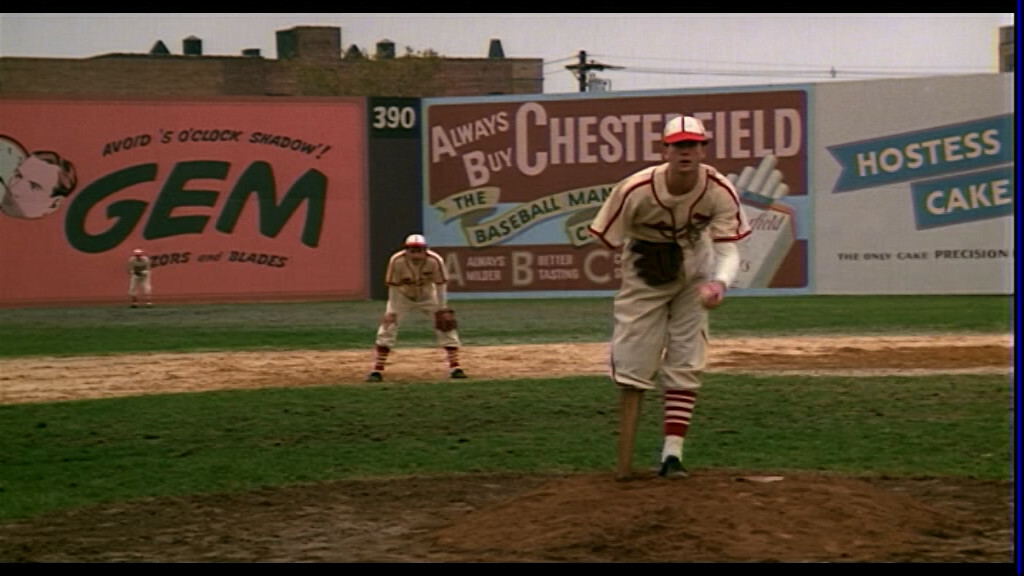
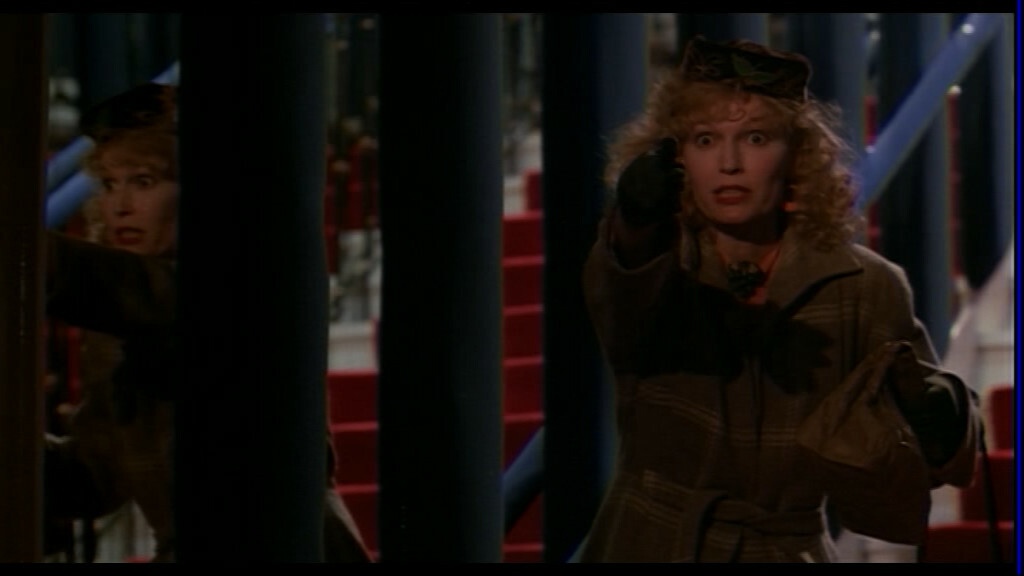
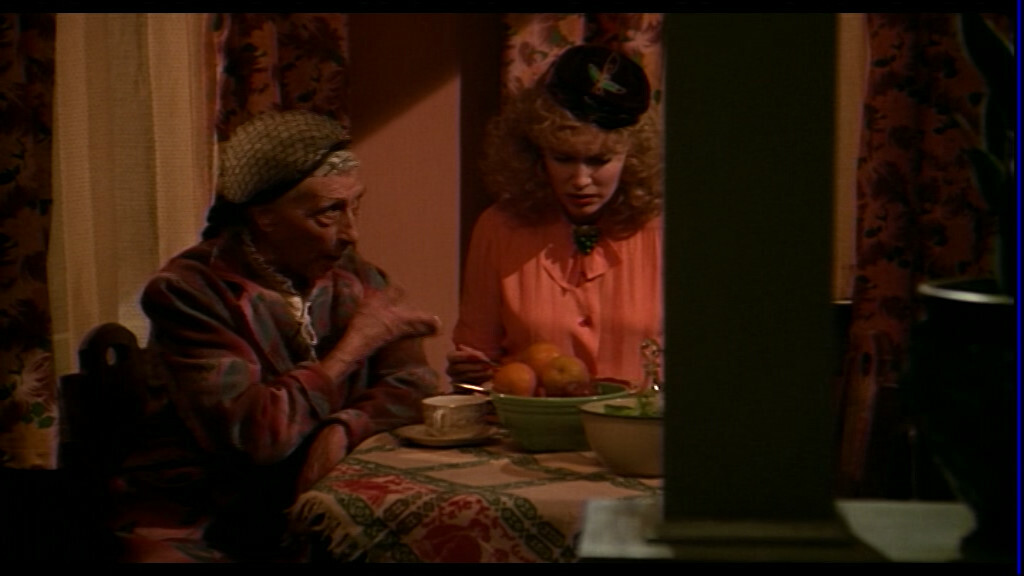
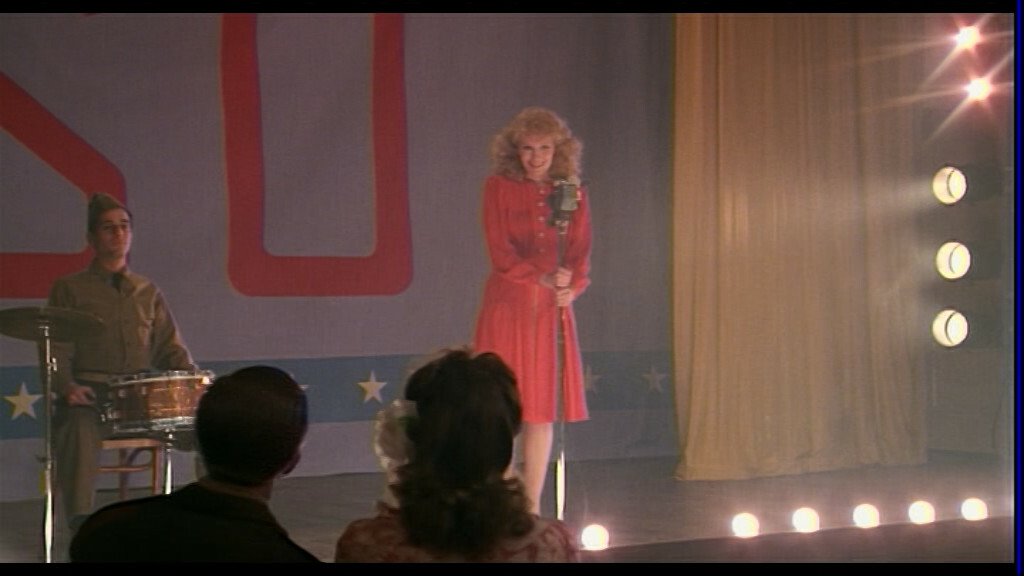
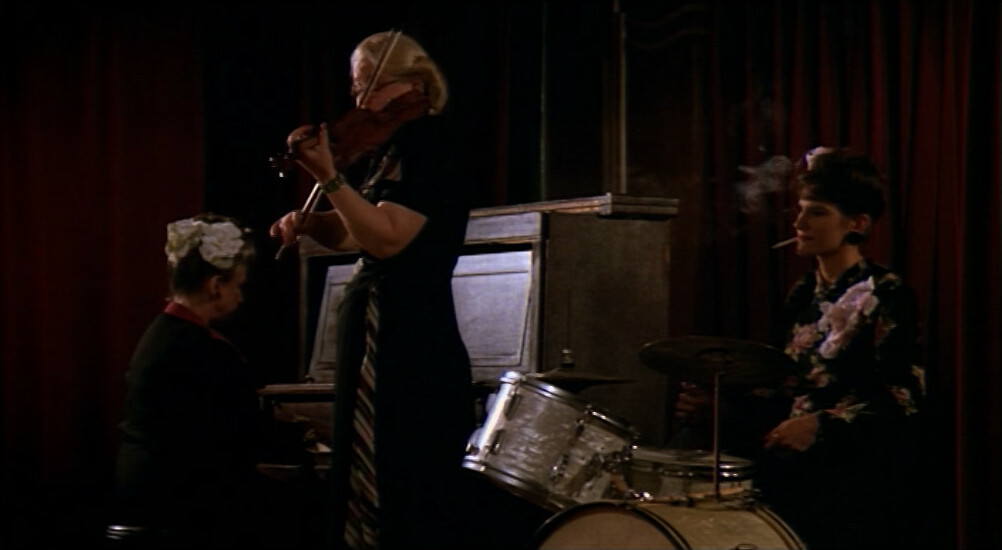
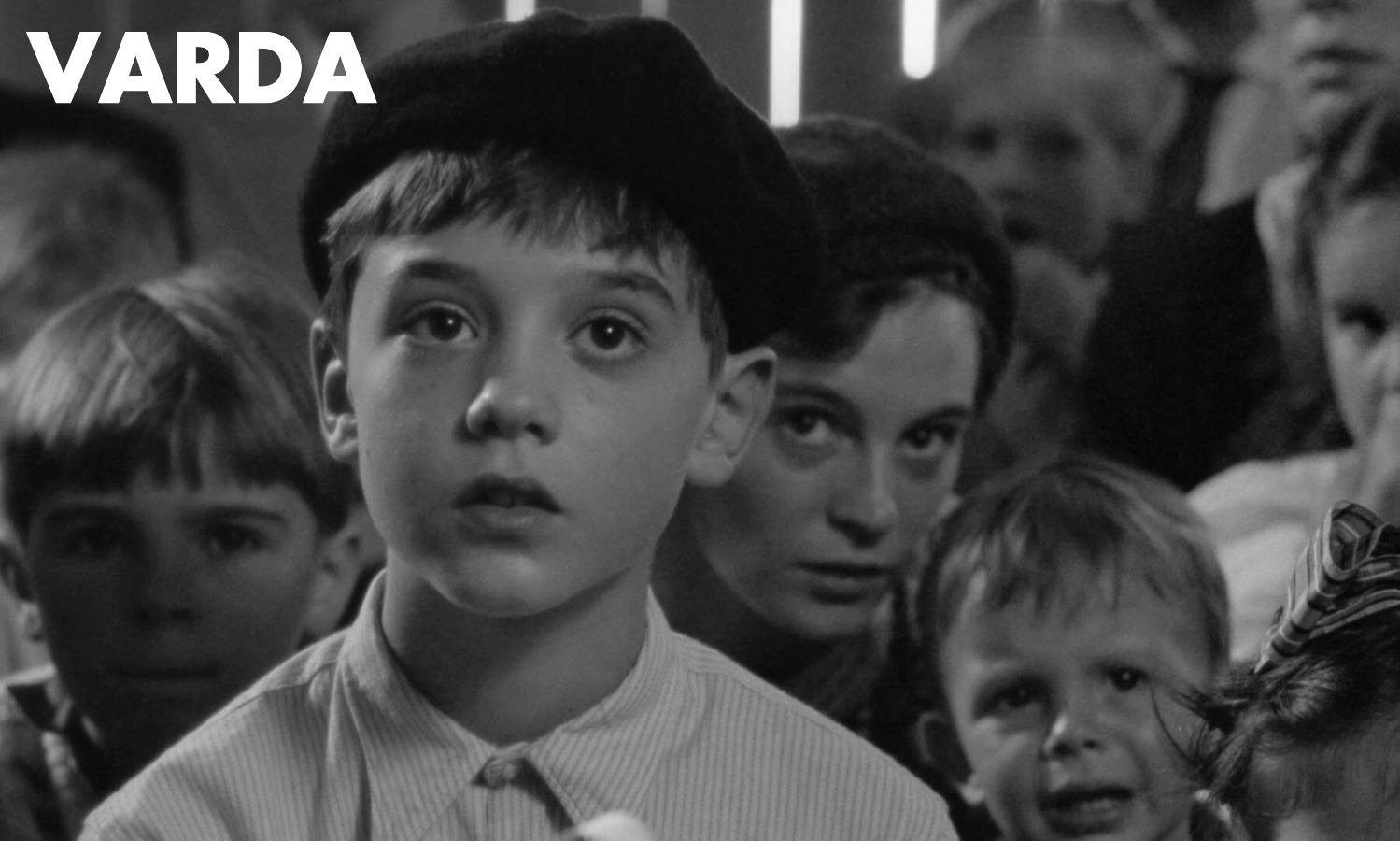
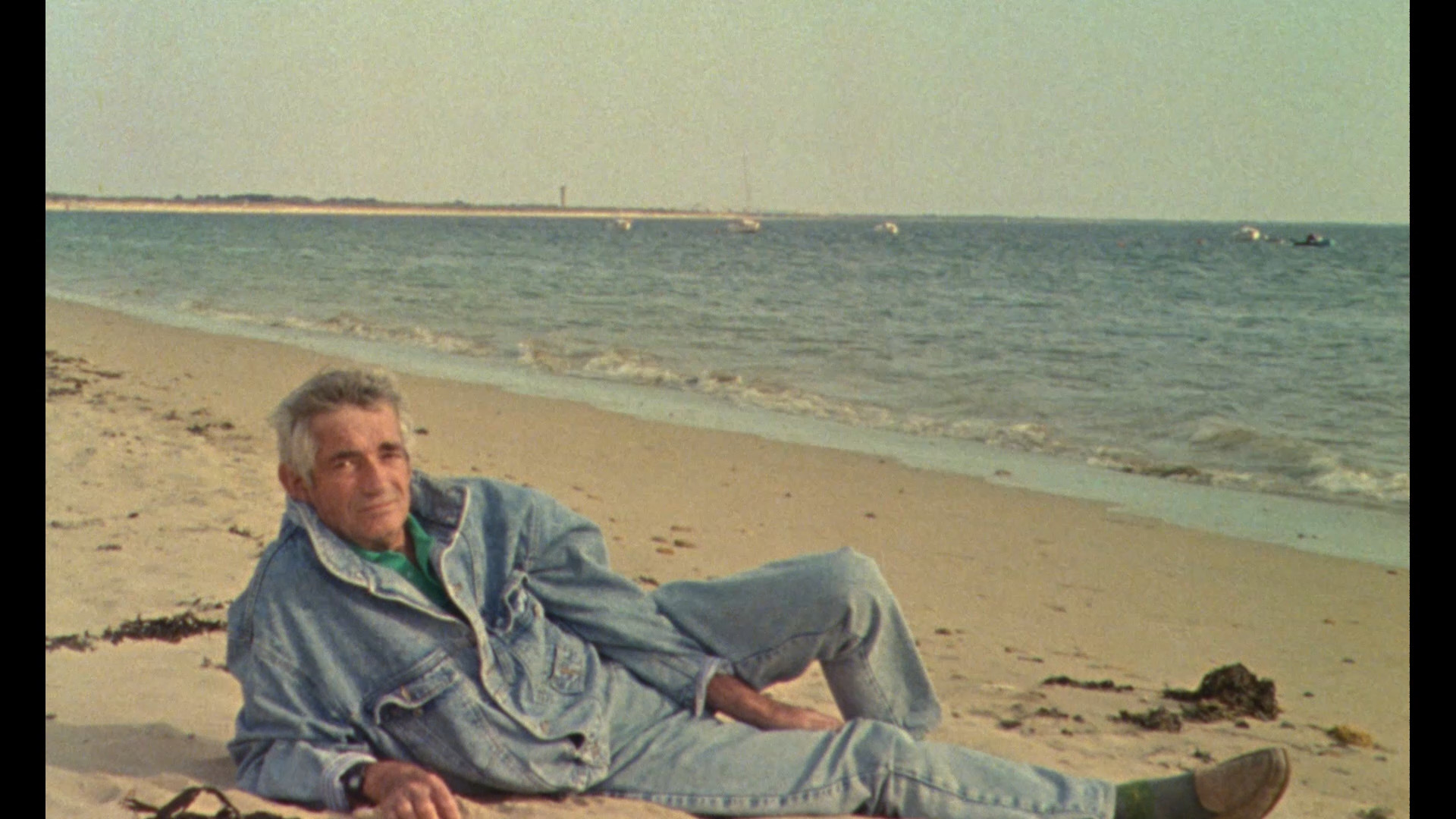
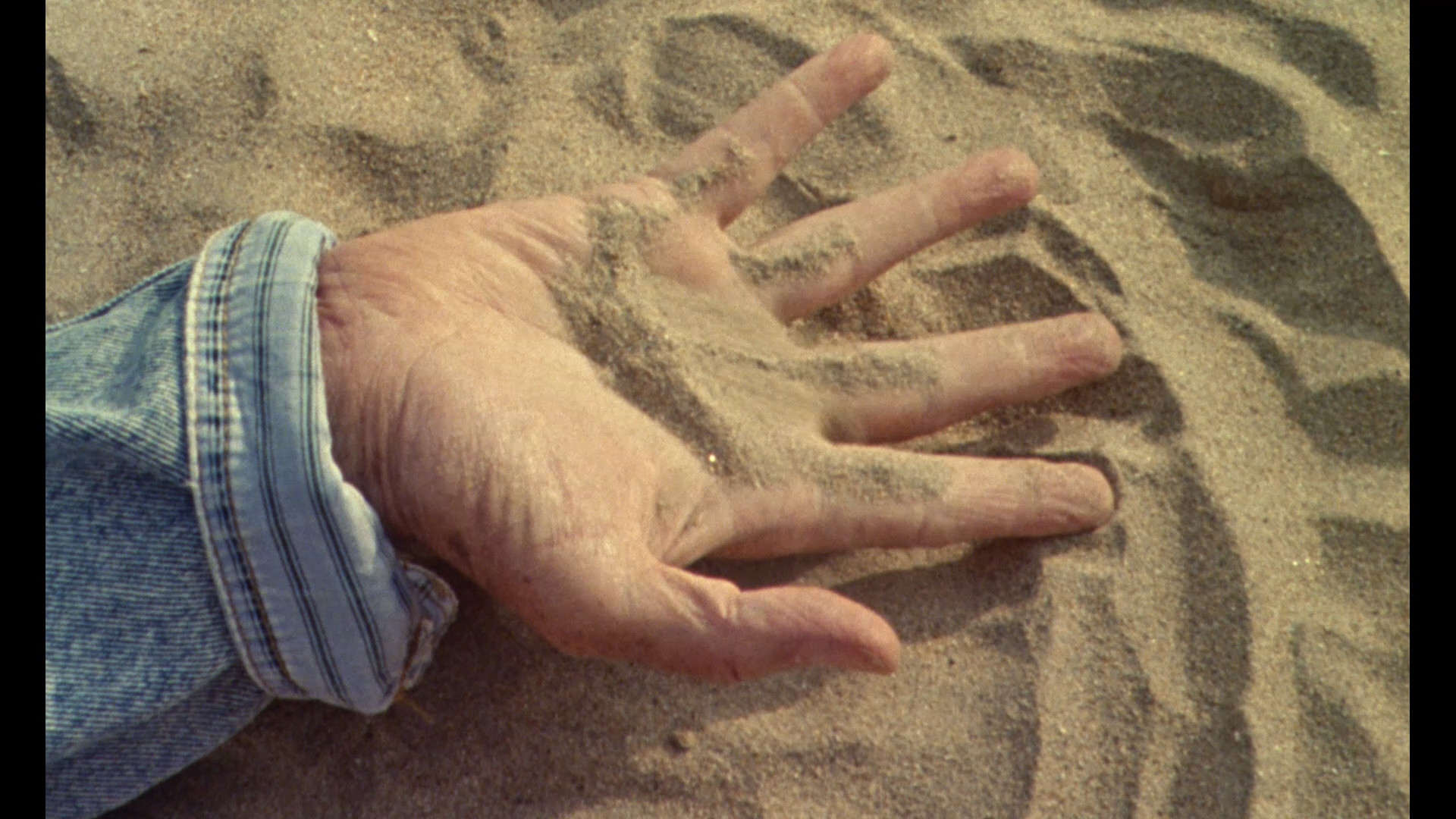
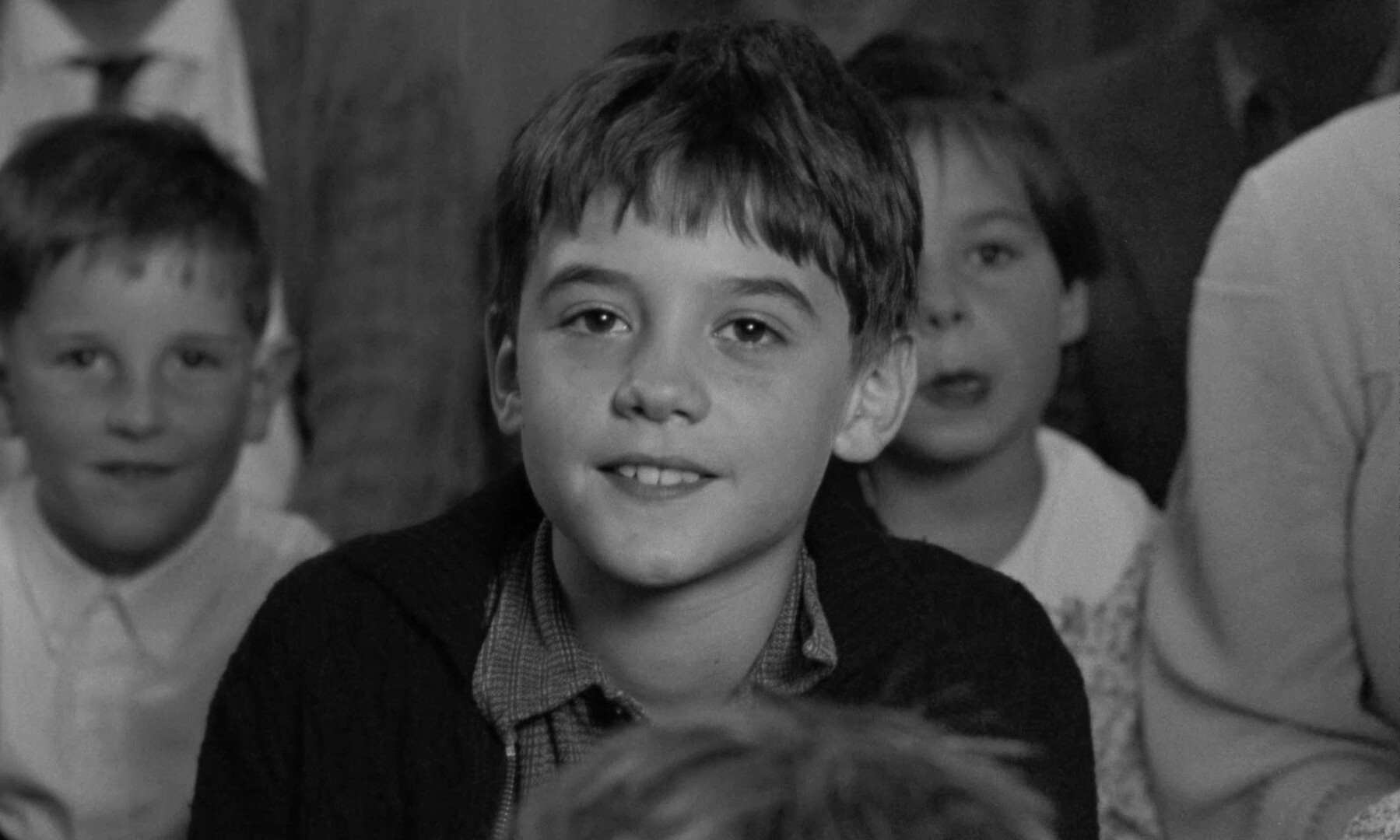
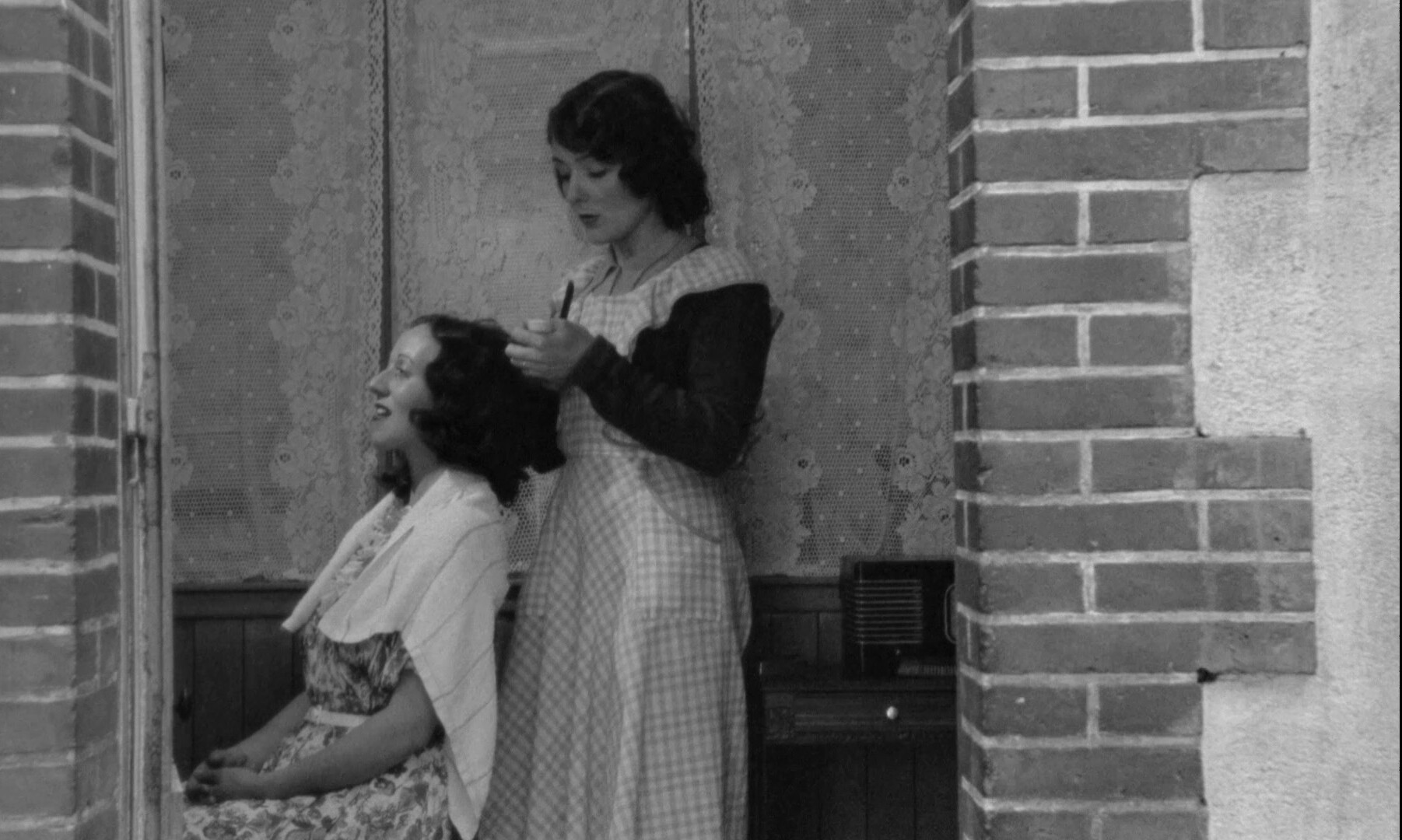
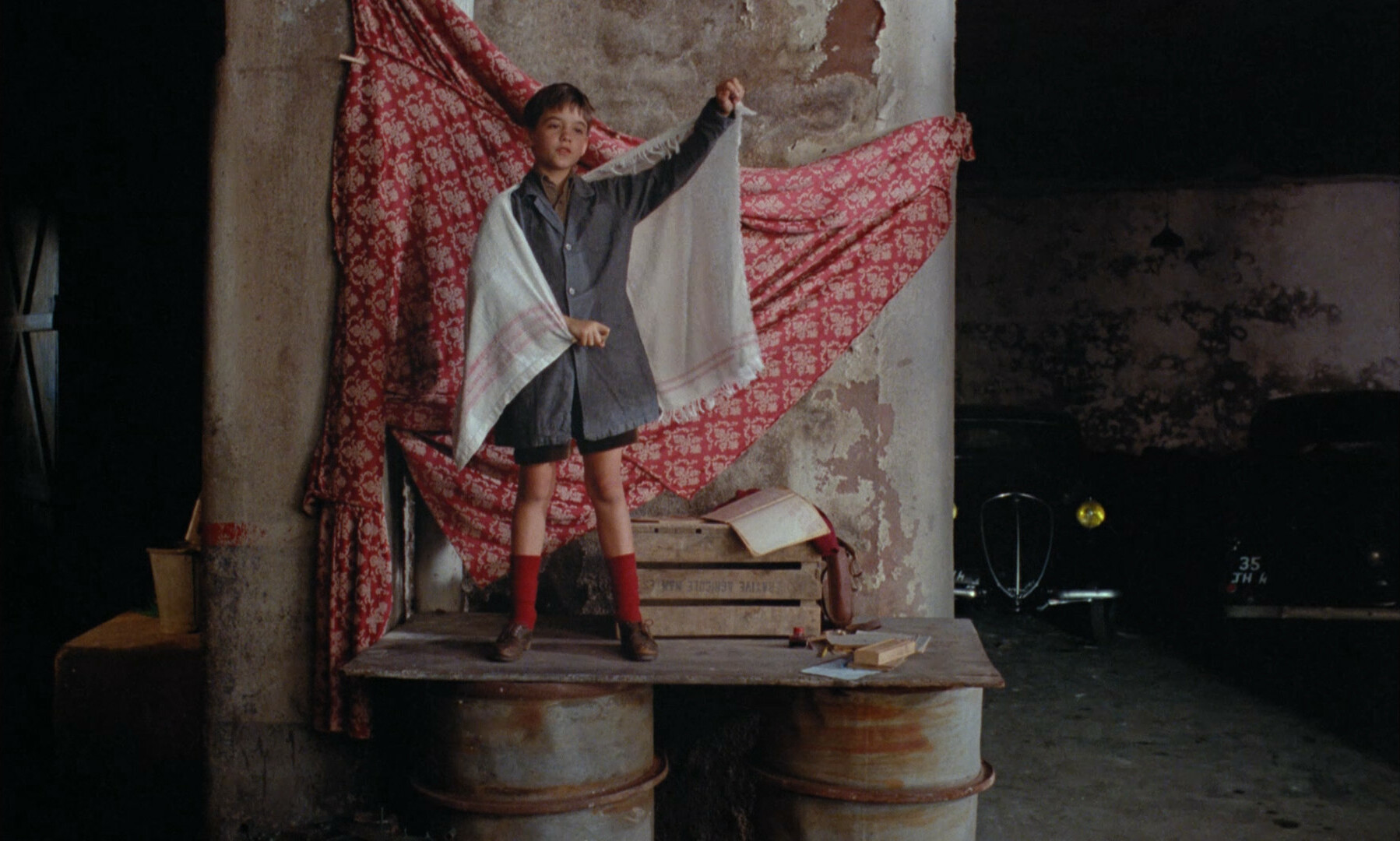
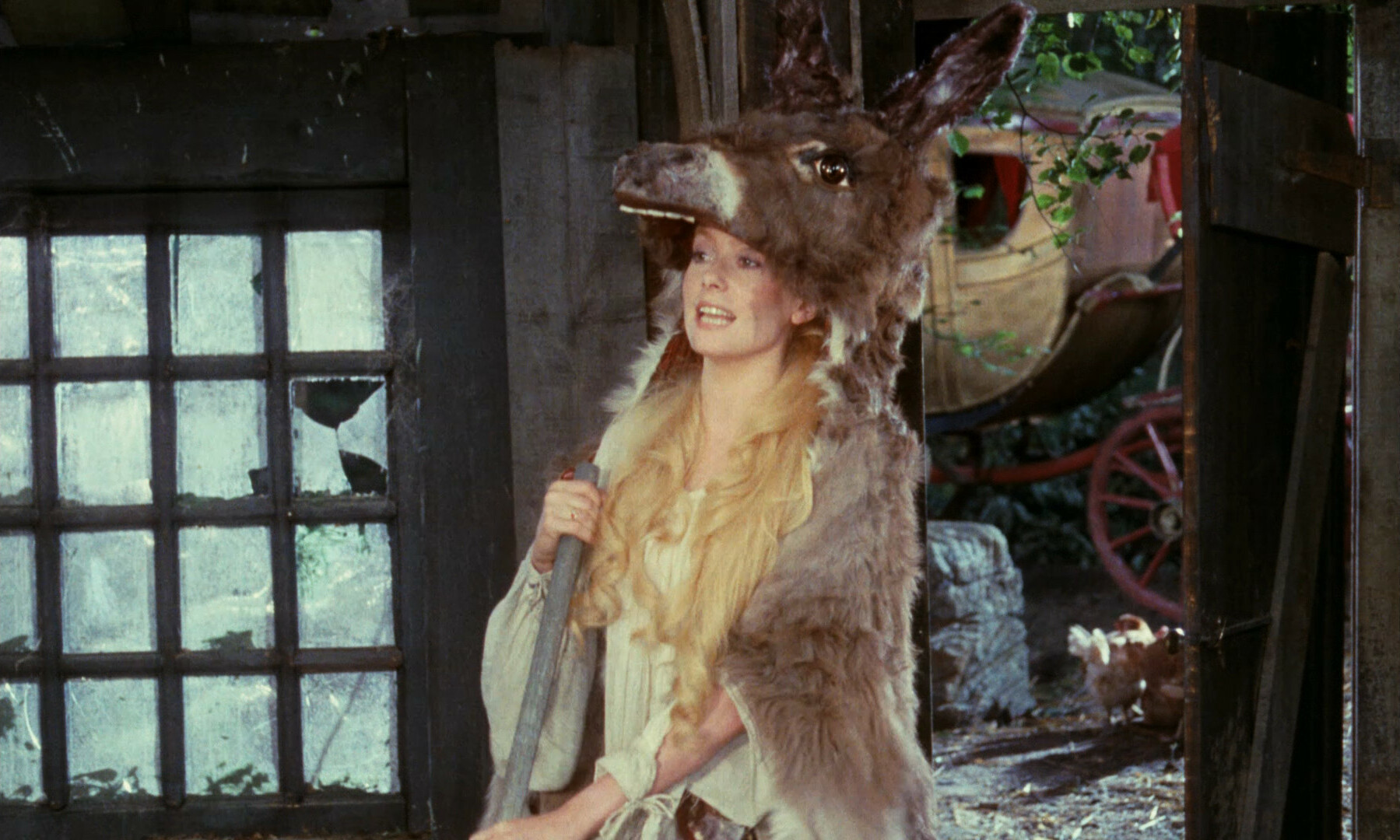
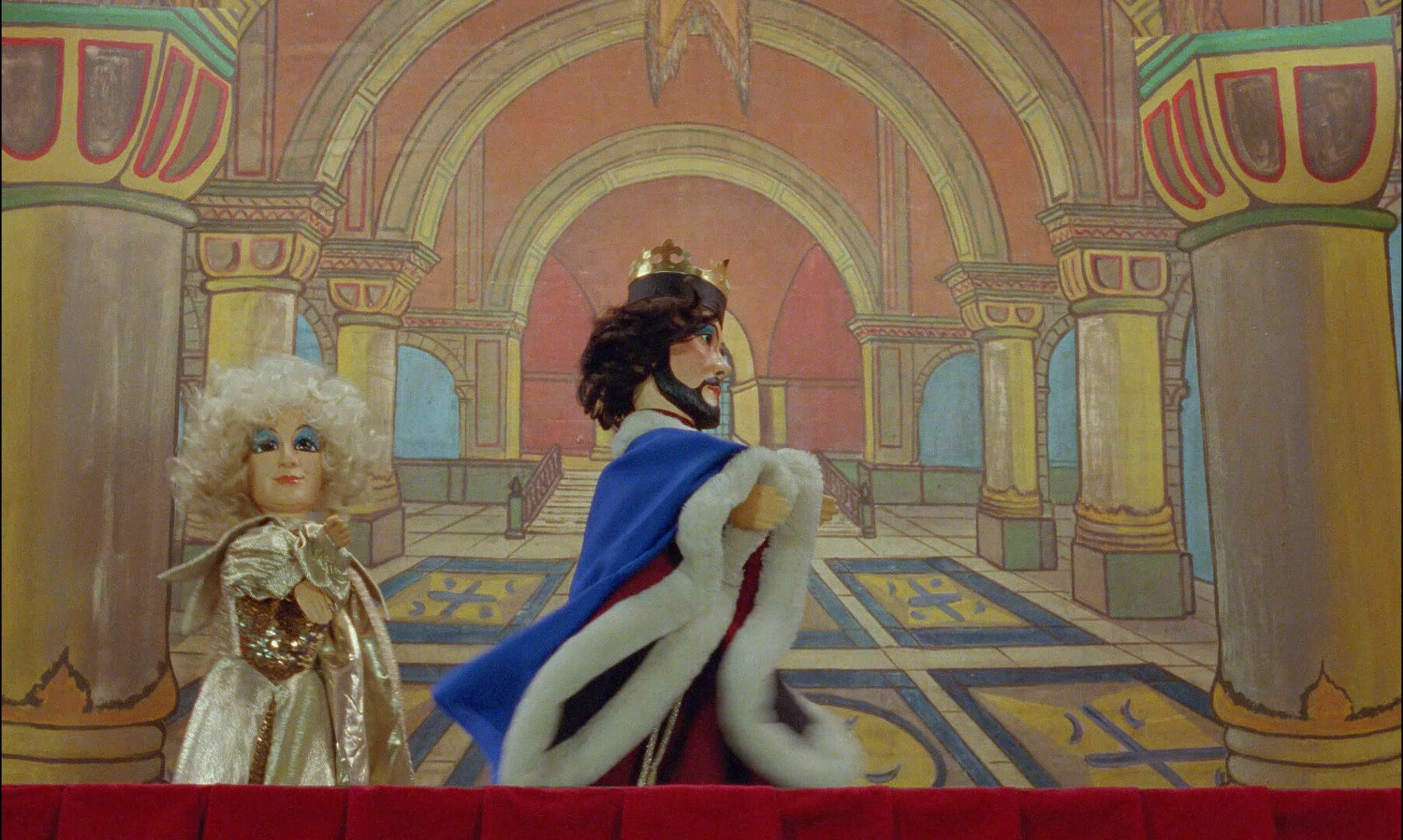
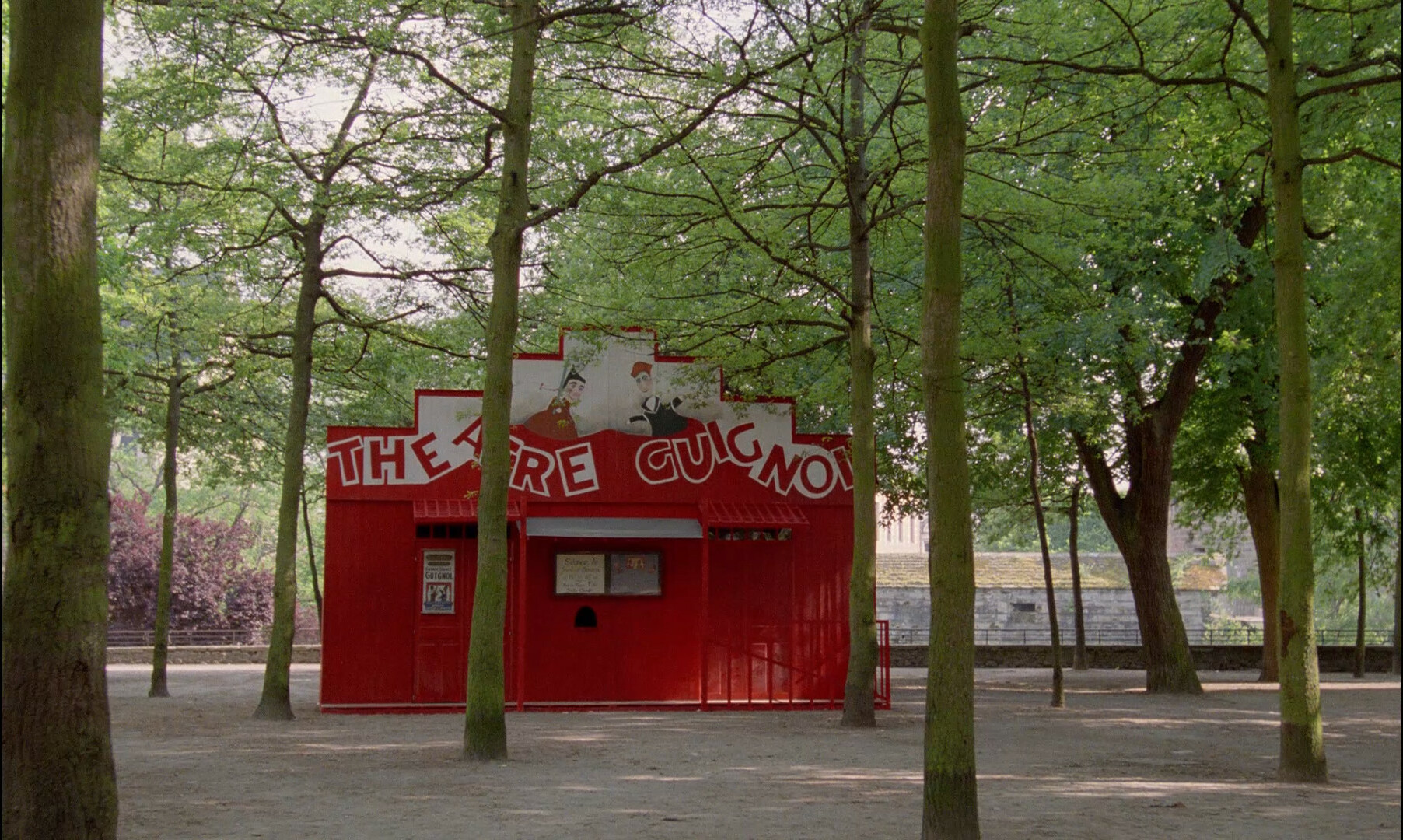
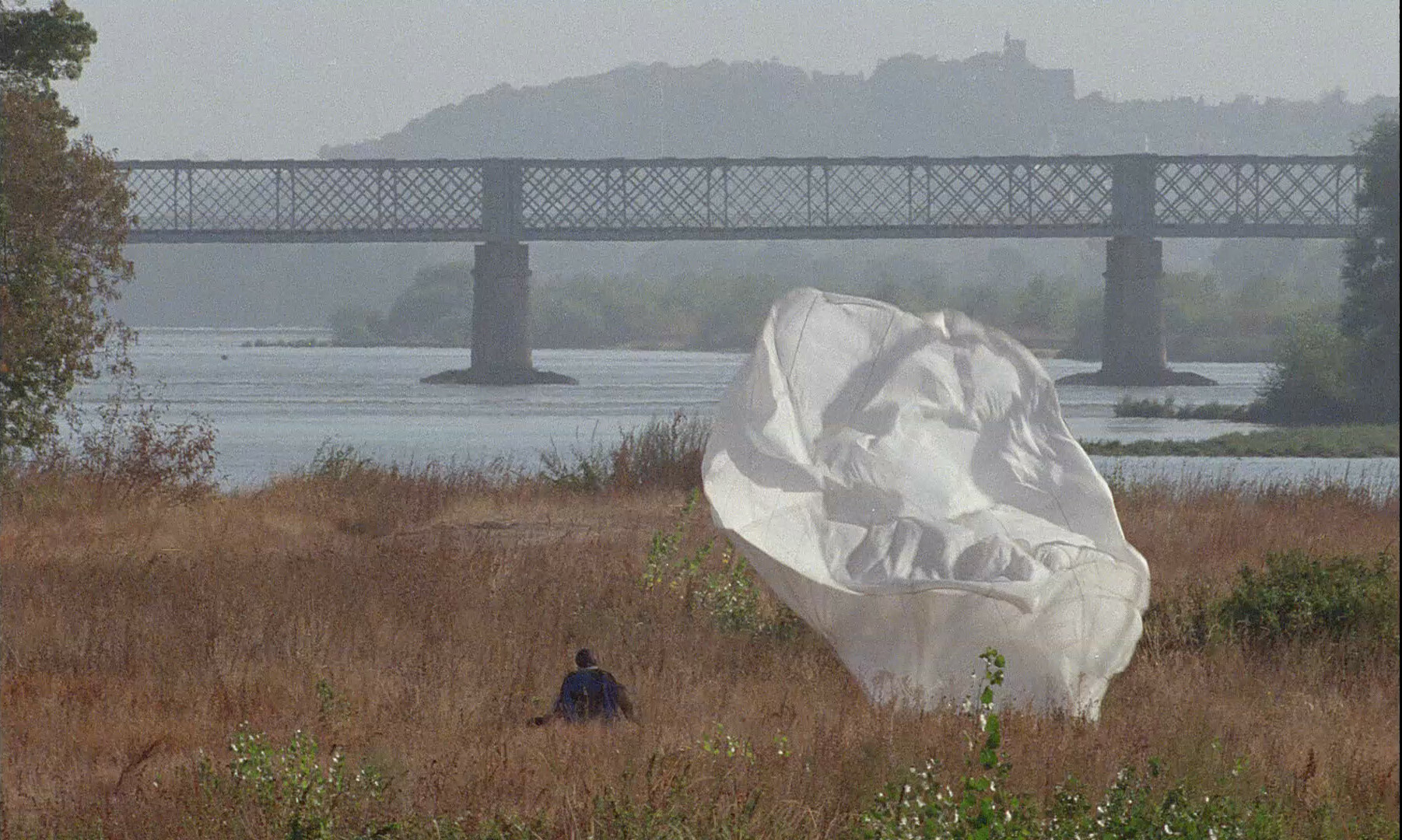
Varda inserts what I guess to be clips from Demy’s movies illustrating how his childhood was reflected in his movies (I’m guessing!), and the cheekily does this by
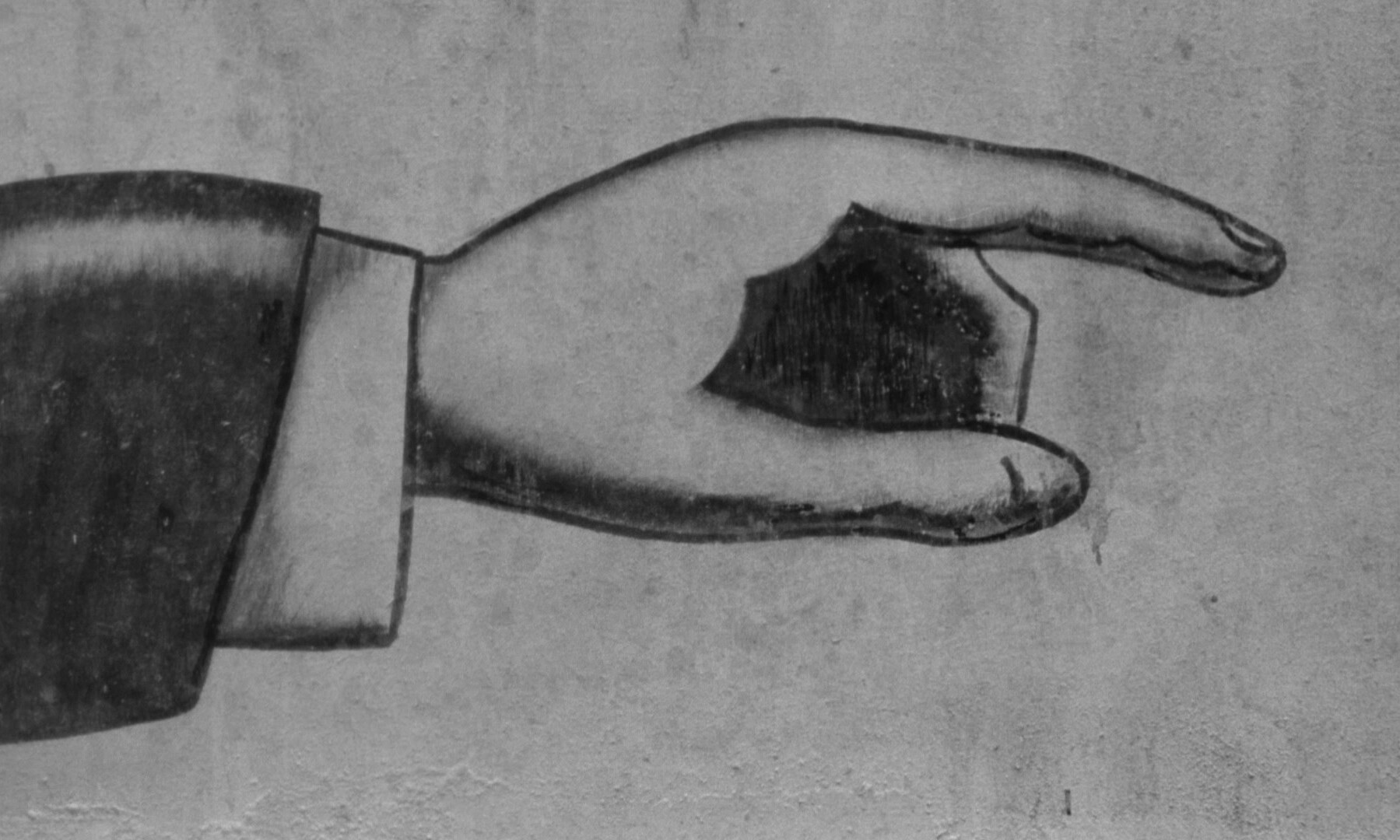
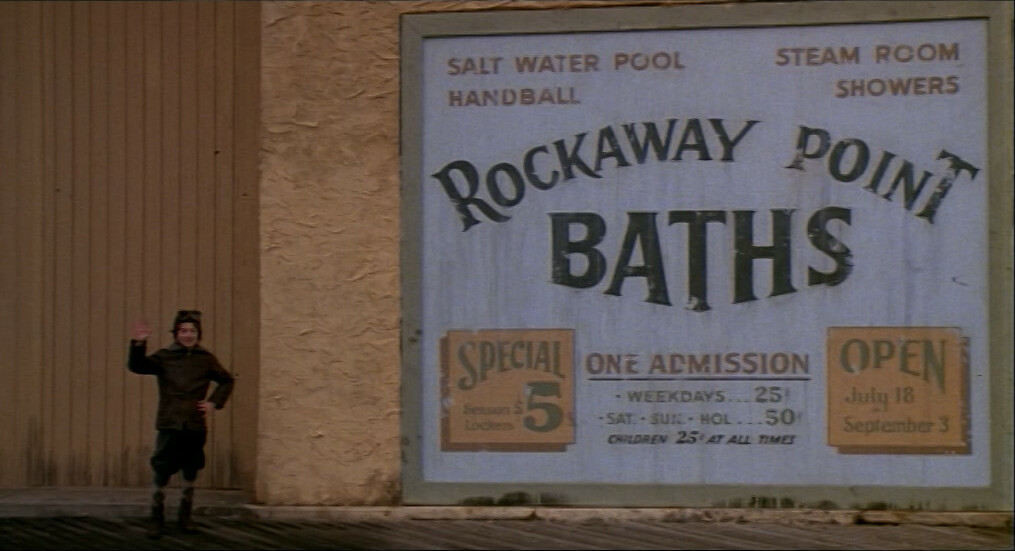
blinking these hands
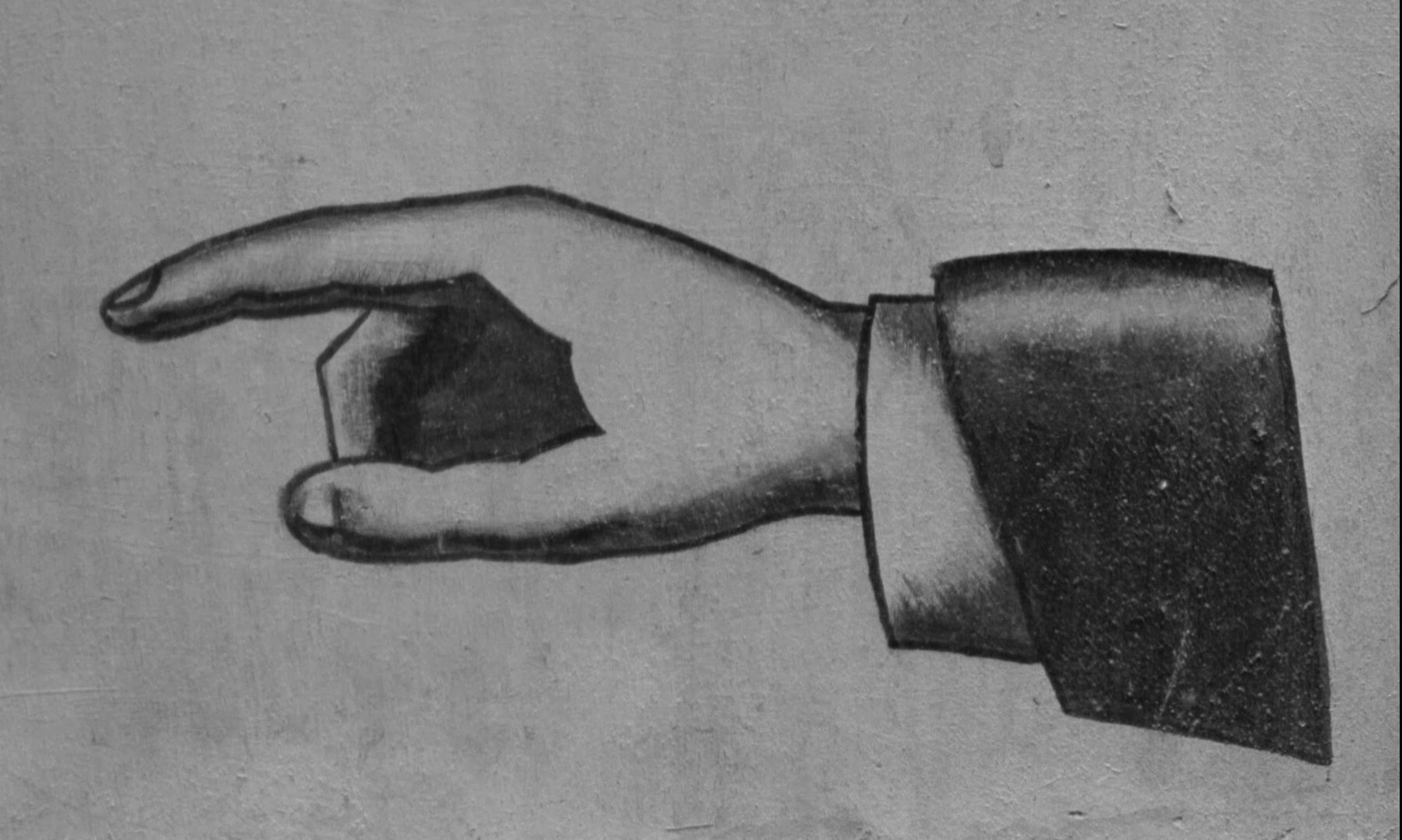
at us. It’s great!

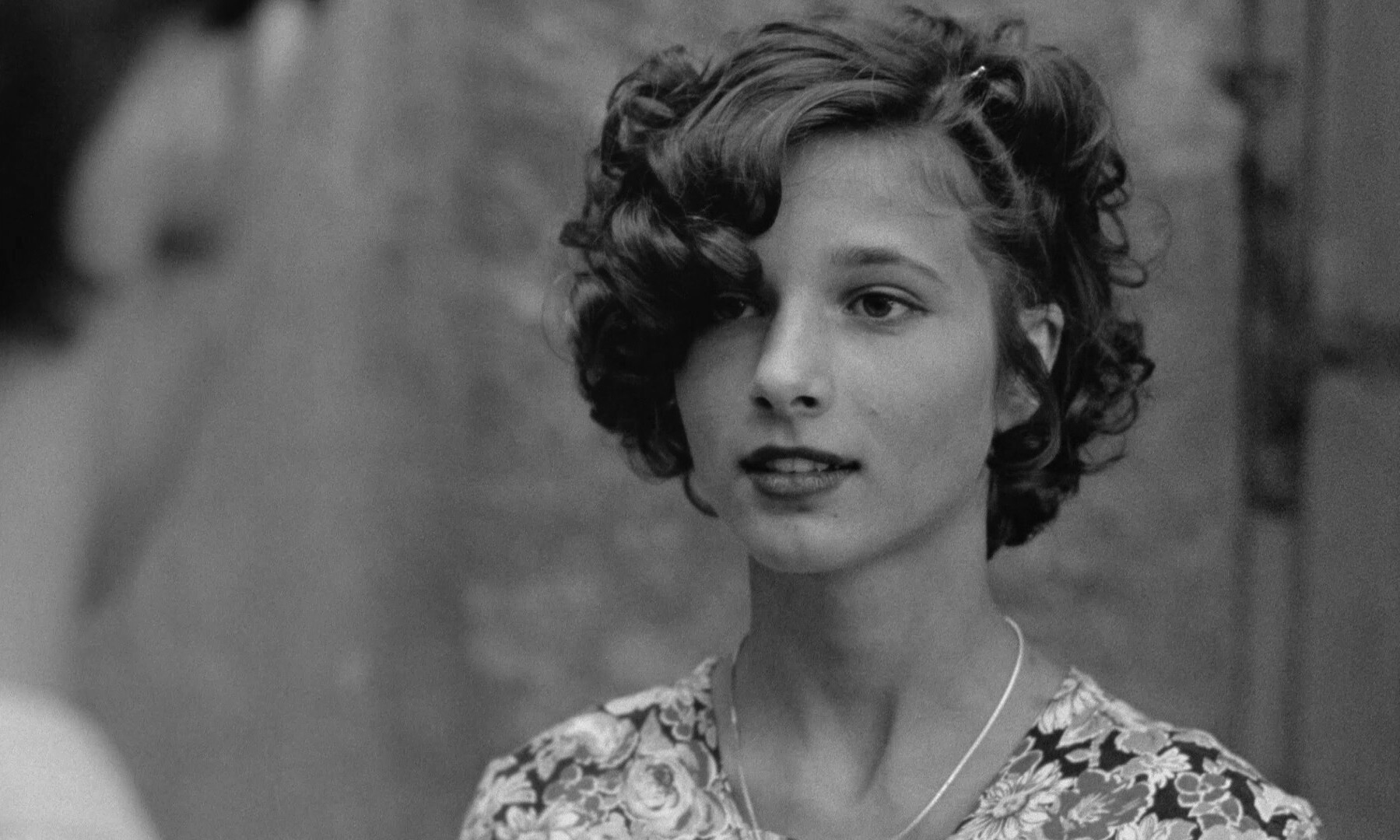
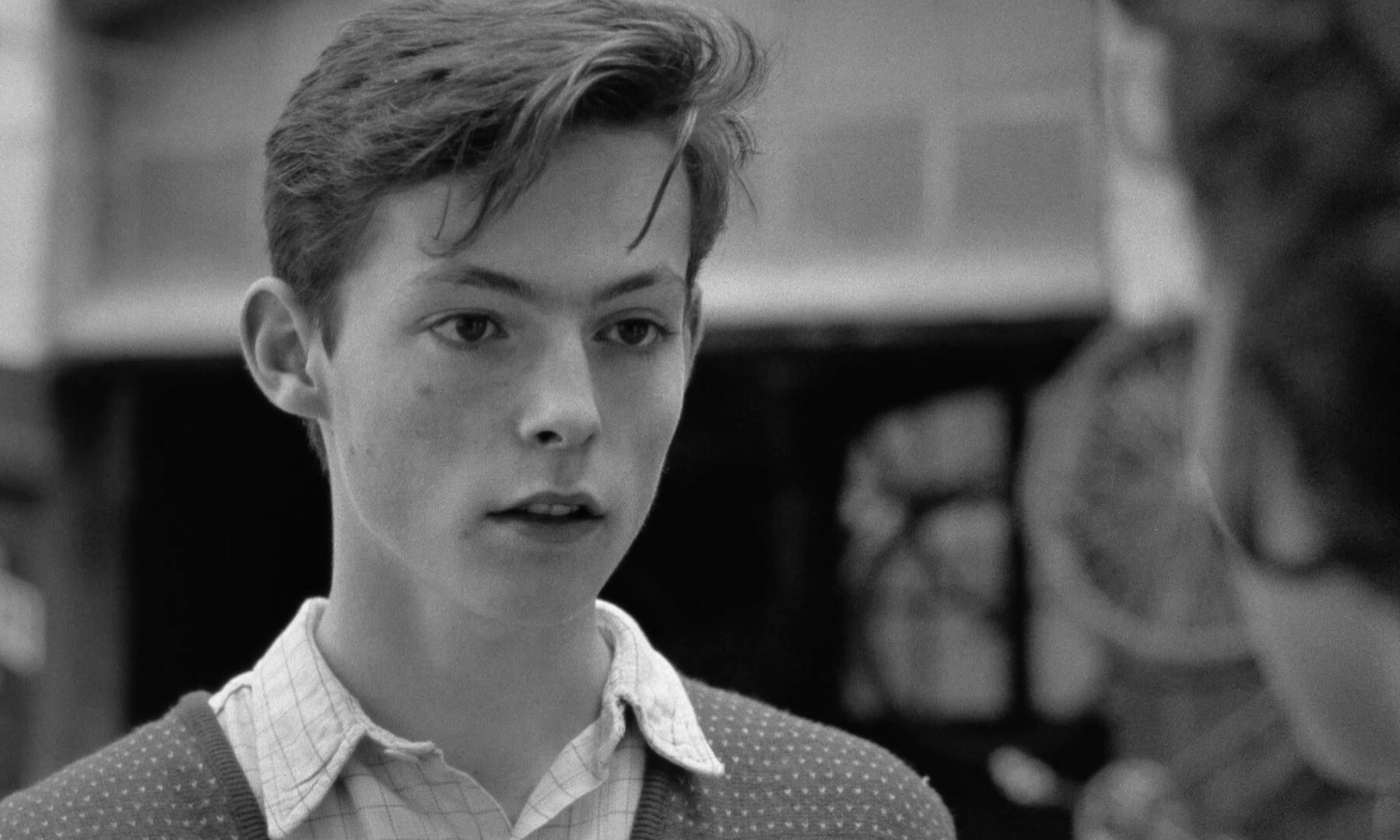
I do feel that gets less interesting as time passes. It goes from being a really cute reminisce about childhood and stuff to being very specifically about Demy becoming a director, and that’s not as interesting. It goes from personal to private.

It half brilliant and half kinda boring.
Radio Days

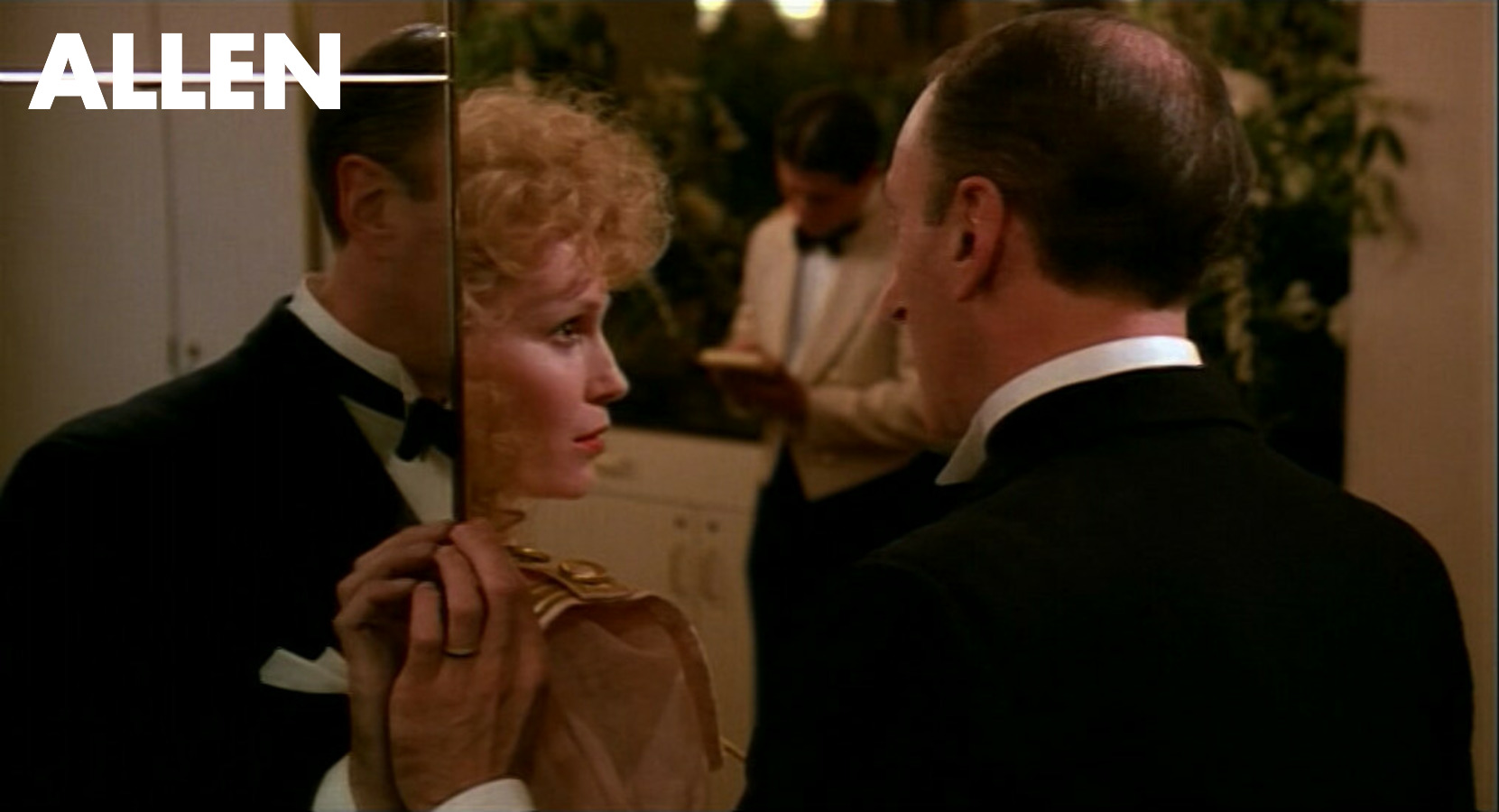
Radio Days. Woody Allen. 1987.

Rewatching all these Woody Allen movies, I’ve generally felt somewhat disappointed: None of them were as good as I remembered from when I was a teenager.

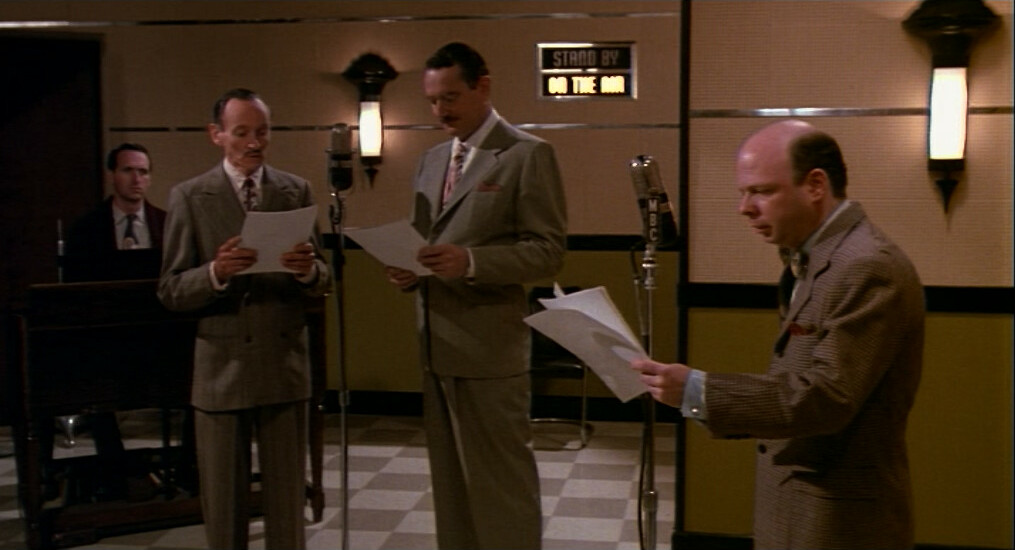
This one I do remember not liking very much… but I don’t understand why now. It’s so cute! OK, the gags aren’t as absurd as in his 70s movies, but they’re funny.

And you can’t but help enjoy the vicarious nostalgia on display here. The actors are having a good time, the look is right, and it’s got the right digressive structure for this sort of thing.

It’s an unassuming little delight, I think.

Check and Double Check

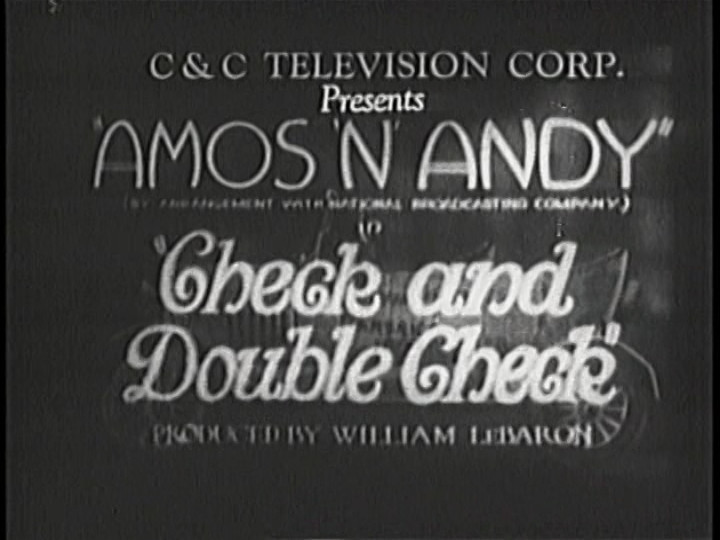
Check and Double Check. Melville W. Brown. 1930.

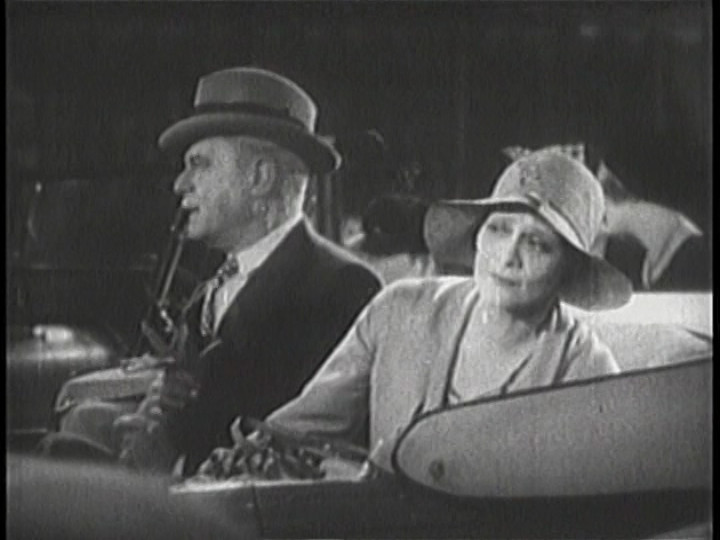
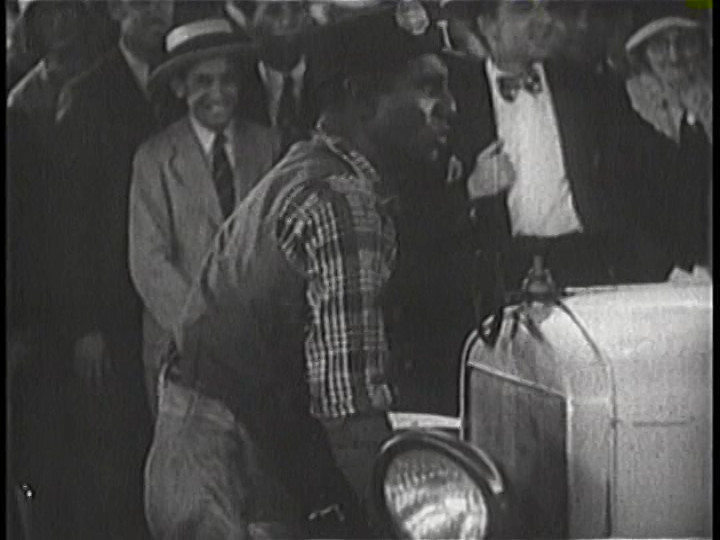
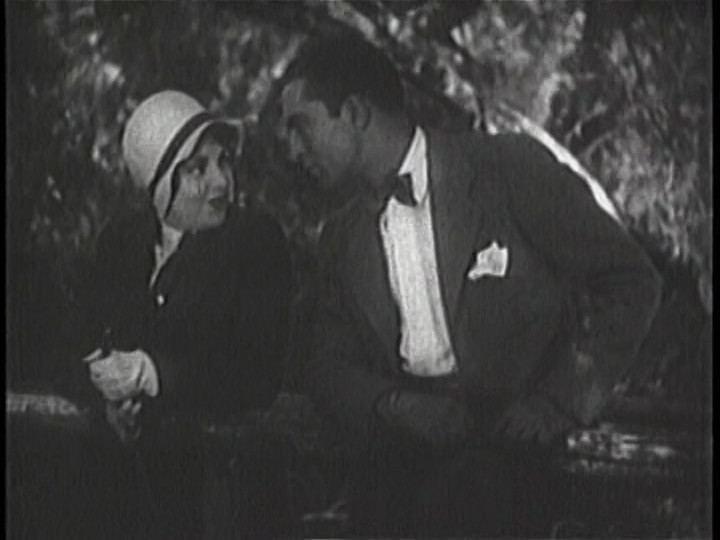
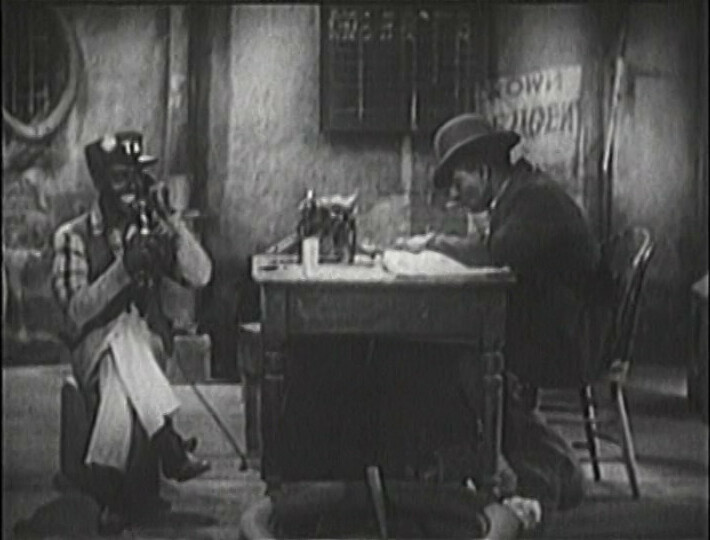
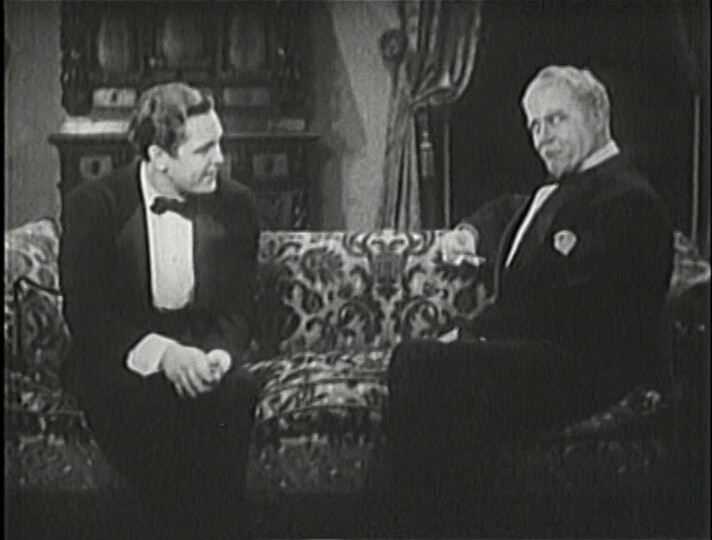
Yet another movie from the public domain DVD box. So this is an Amos’n’Andy movie? The only thing I know about them is that bit from that Public Enemy song you know.

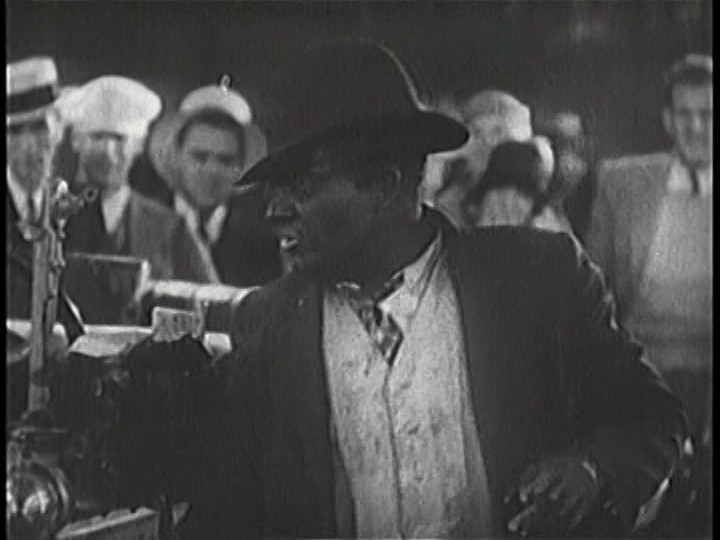
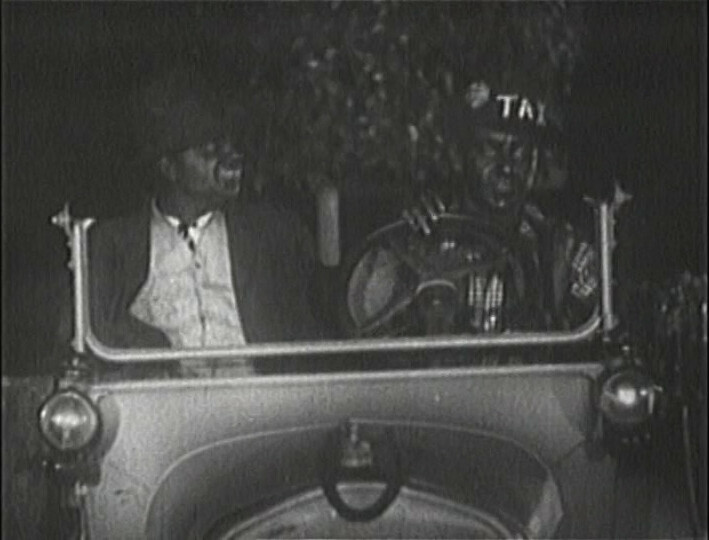
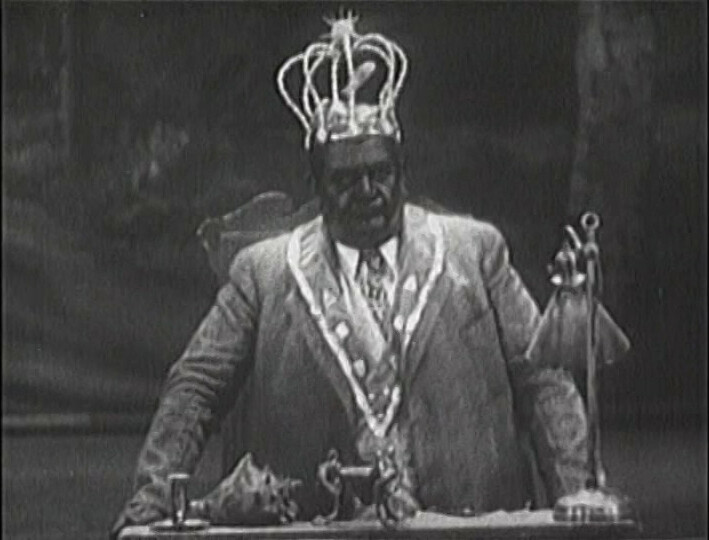
I guess I was surprised to see that the main characters are white actors in blackface? The other surprising thing is just how lame the humour is. The jokes are few and far between. And weak.

Oh geeze:

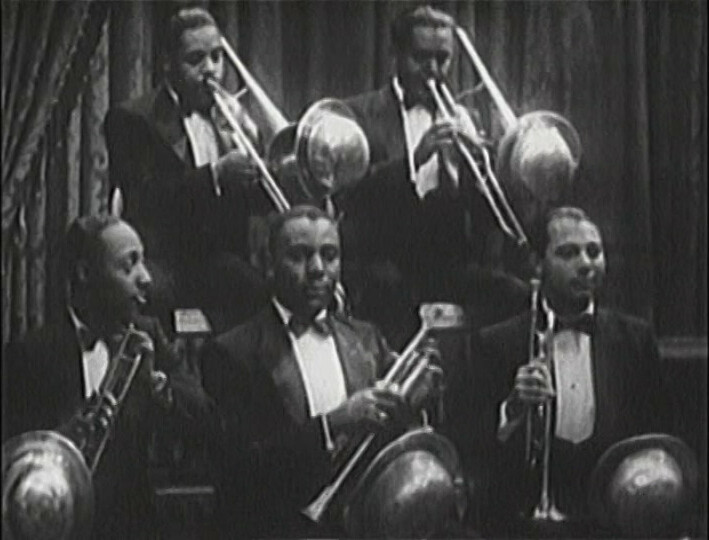
The director did not want to give audiences the impression that Ellington’s band was racially integrated, and was worried that two band members were too light skinned. So valve trombonist Juan Tizol, who was Puerto Rican, and clarinetist Barney Bigard, a Creole, wore stage makeup to appear as dark as Amos and Andy on film

Dude.