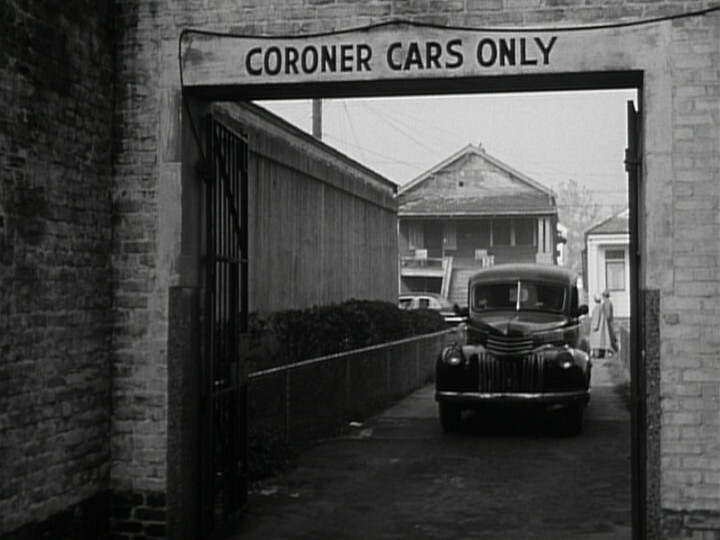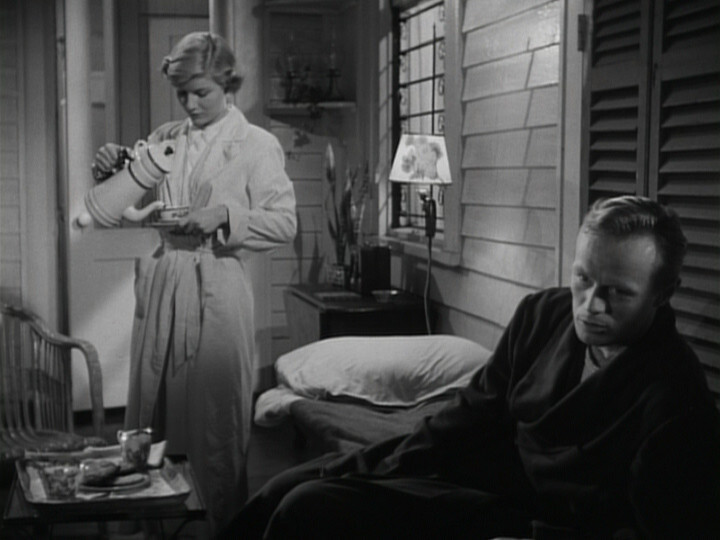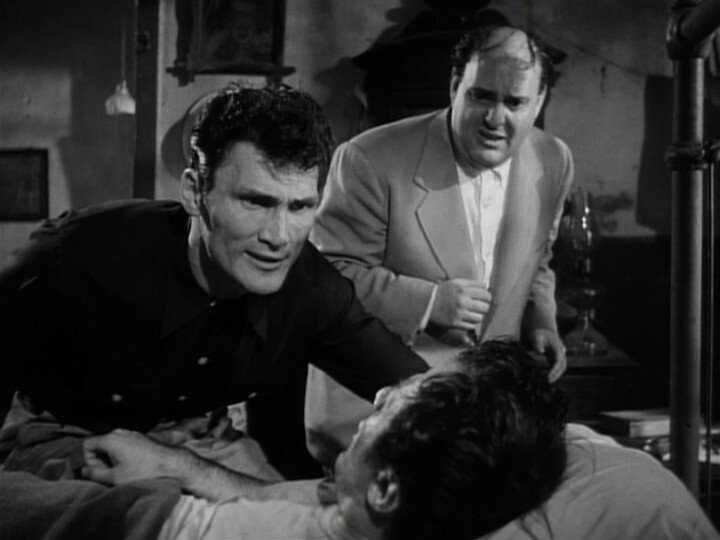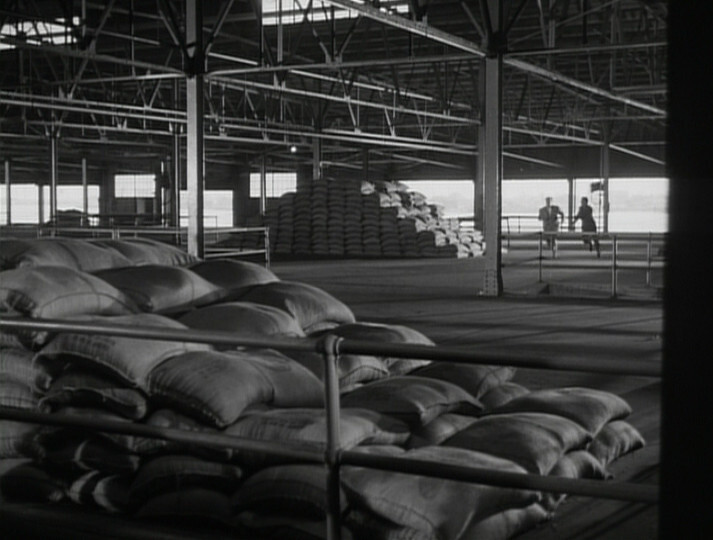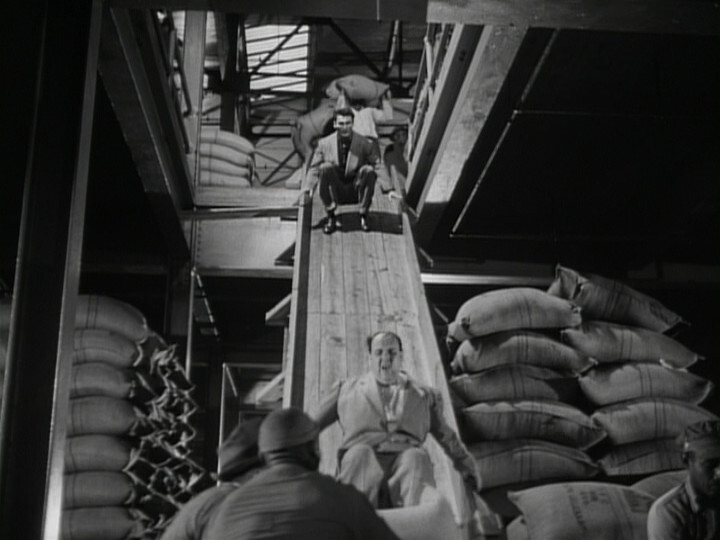
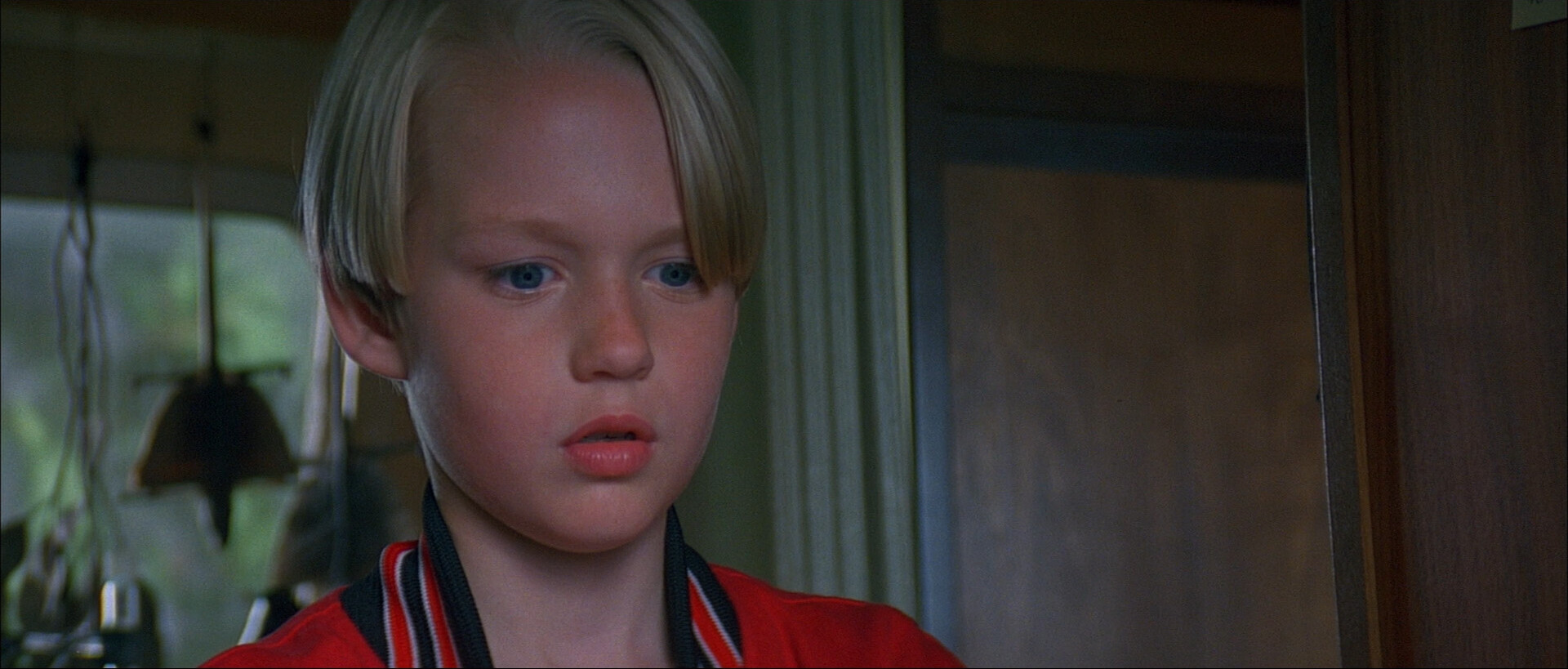
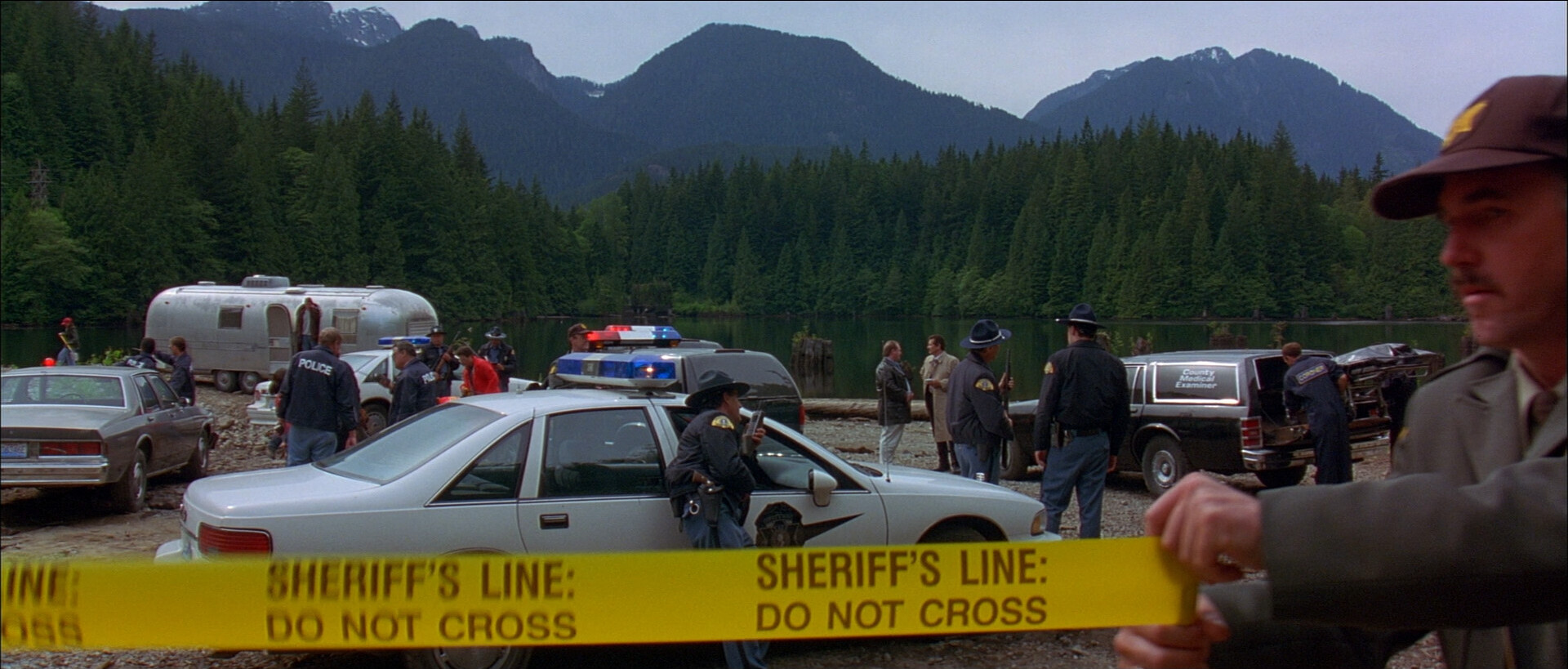

Panic in the Streets

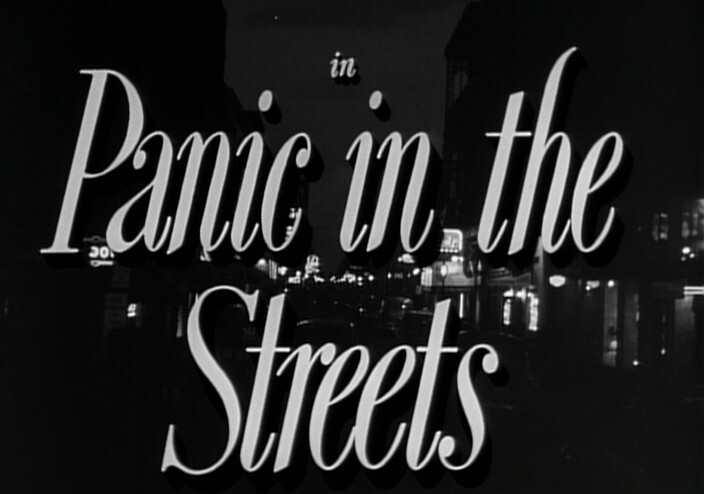
Panic in the Streets. Elia Kazan. 1950.

[fifteen minutes pass]

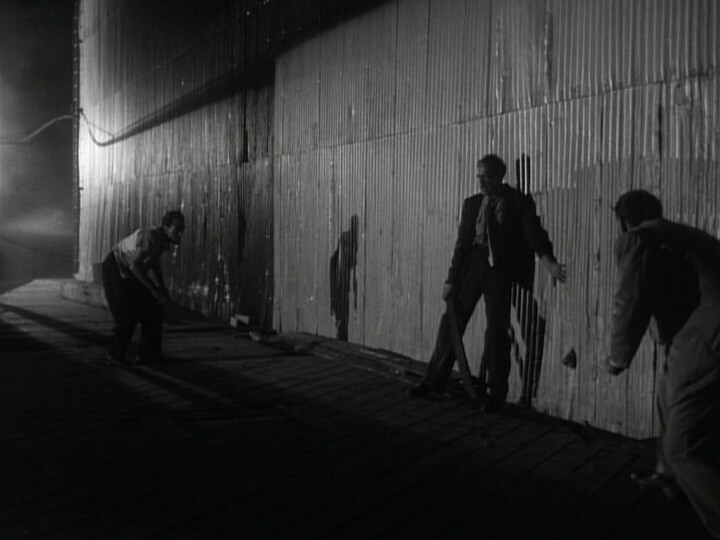
So… is this like a remake of M? But with a plague instead of a child molester?

[an hour passes]

I just have a hard time getting into this, and I’m zoning out all the time. It’s a well-regarded film:

But I’m bored silly. It’s probably just me, and this is probably a really good movie.

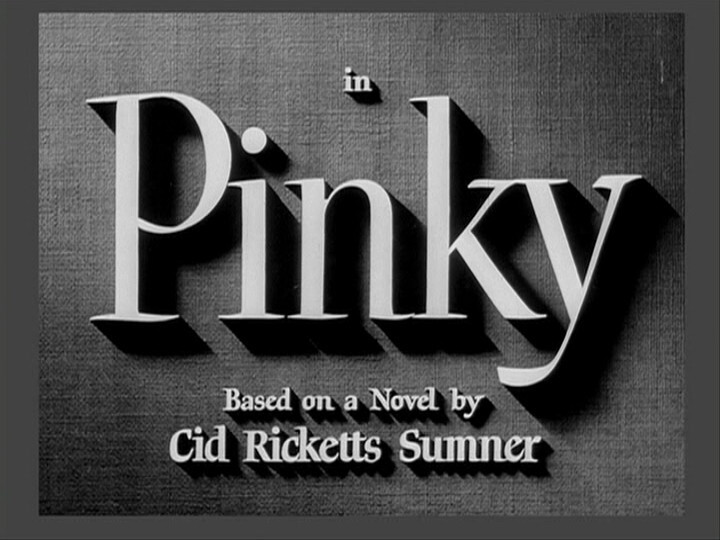
Pinky

Pinky. Elia Kazan. 1949.

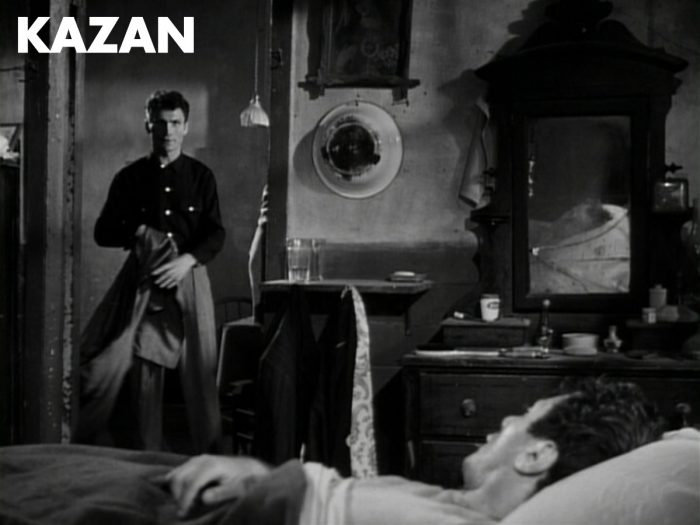
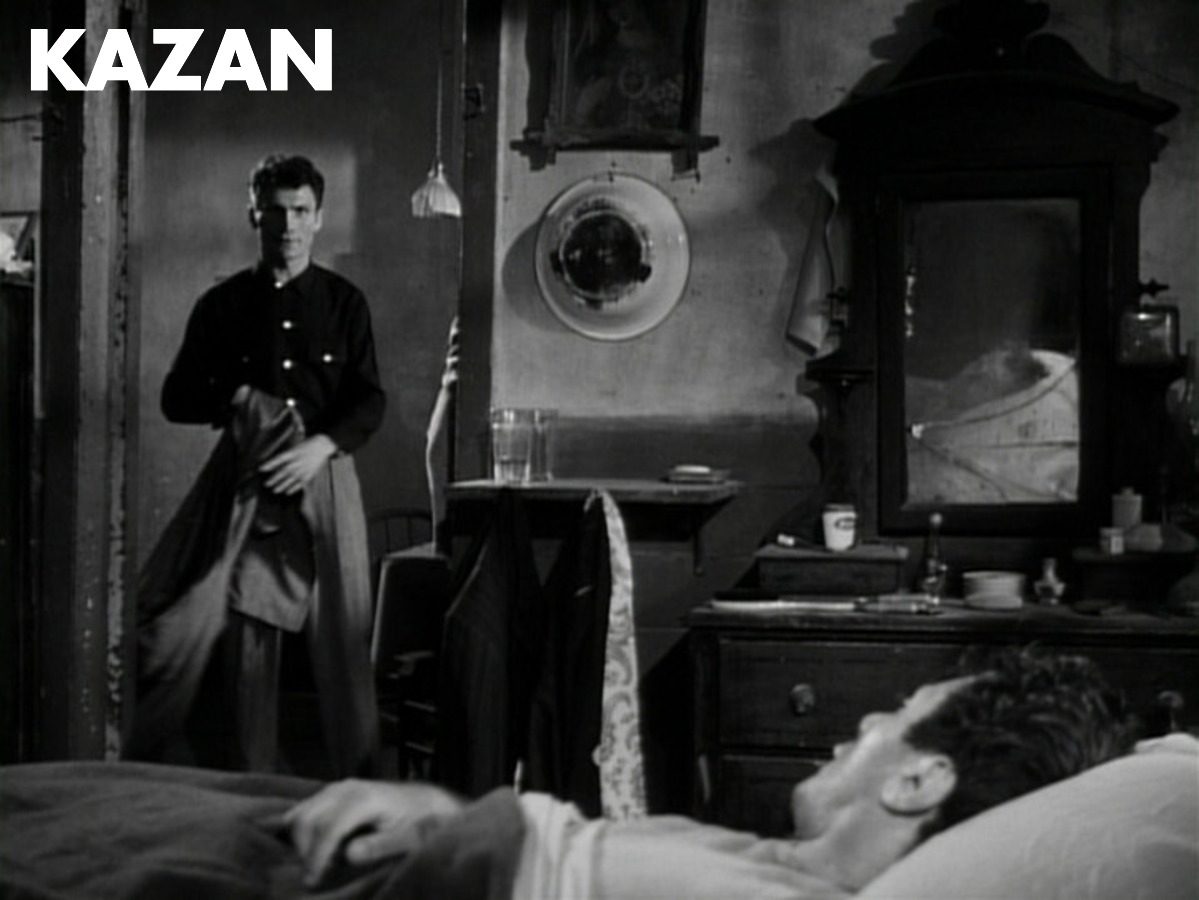
OK, I bought a Kazan box set a couple years ago, but I’ve never made much headway into it because Googling these movies reminded me what a snitch he was, and I think that… subconsciously? … made me less than enthusiastic about watching these movies.

But enough of that! Here we go! A bunch of Kazan! Unless I watch something else instead!

[half an hour passes]

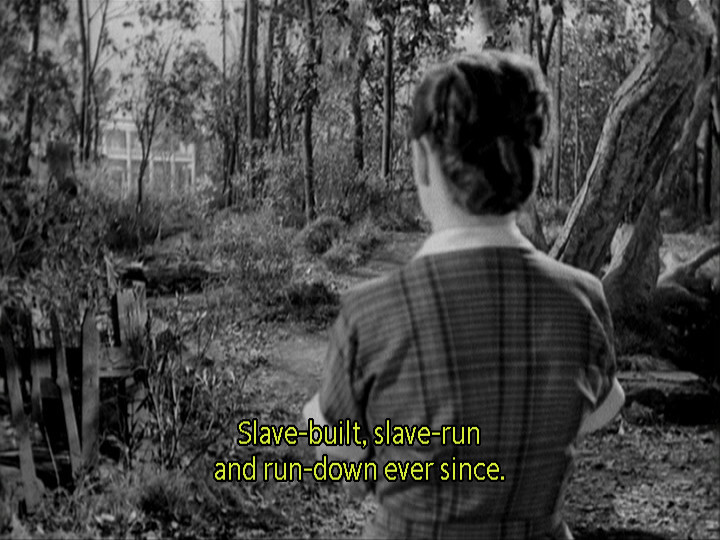
Man, this is a difficult movie to relate to: I have no idea where Kazan is going with this. I think he’s… not an awful person, but… OK, Imitation of Life (by the magnificent Douglas Sirk) was a decade later, but there’s no doubt where he’s going with the plot.

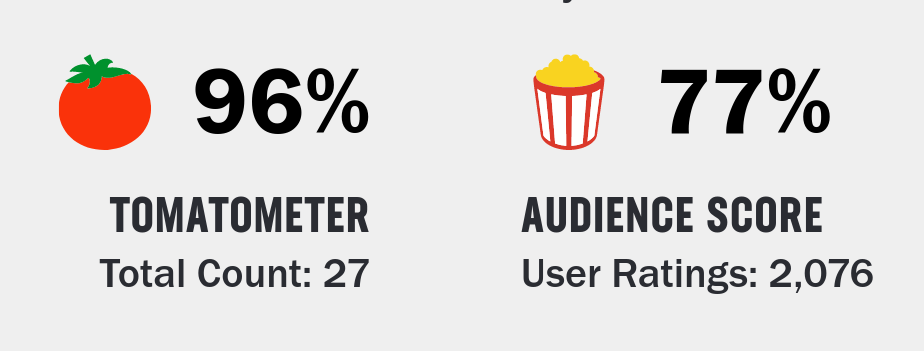
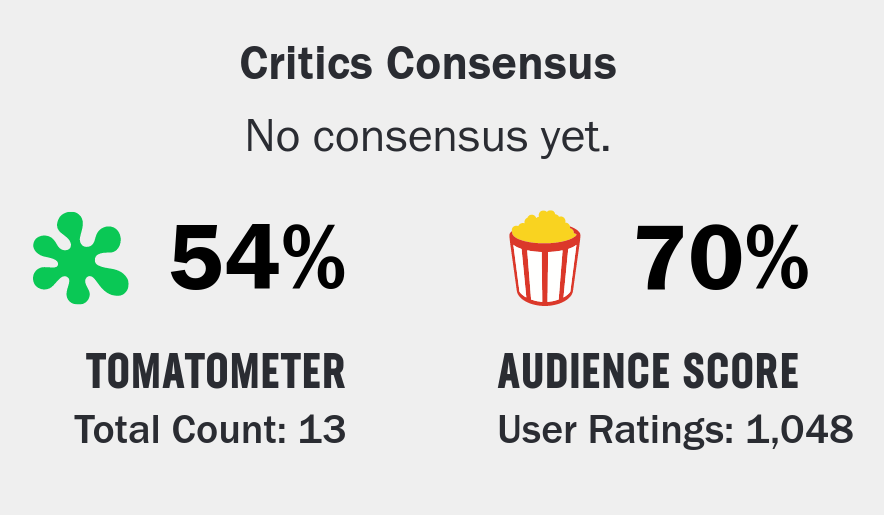
So I paused it here, and:

And the links to the reviews are just as confused as I am. Several of the negative reviews linked from the tomatoes are out-and-out Nazi sites (well, that’s my interpretation of the vocabulary while skimming), and the other ones…

Of the various racial pictures to be presented this year, Pinky gets my vote as being the most phoney.

I’m guessing that from 1949?

So now I’m even more confused. Because I’m sort of thinking that the movie is (inadvertently) racist, but if the Nazis hates it that much, then… Perhaps not?

OK, re-rolling.

[the end]

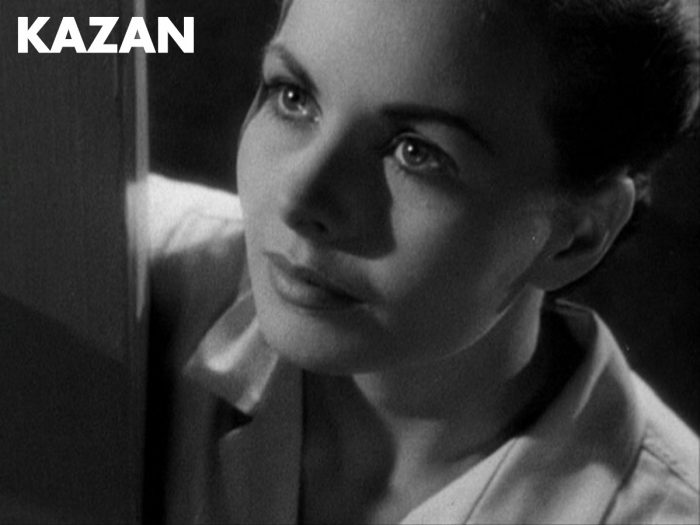
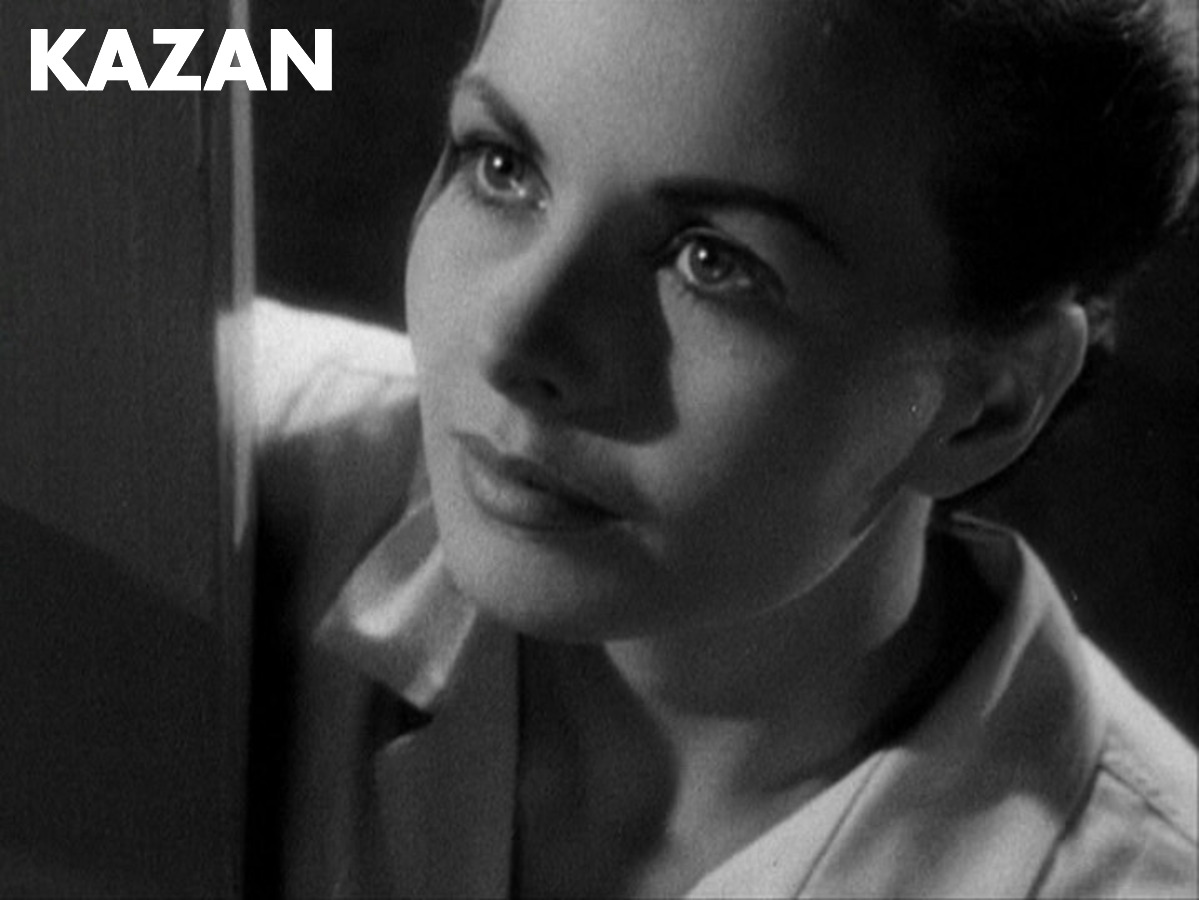
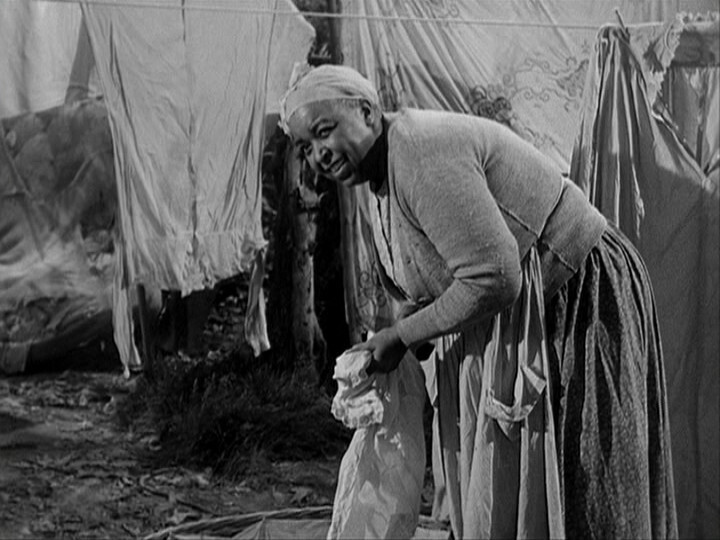
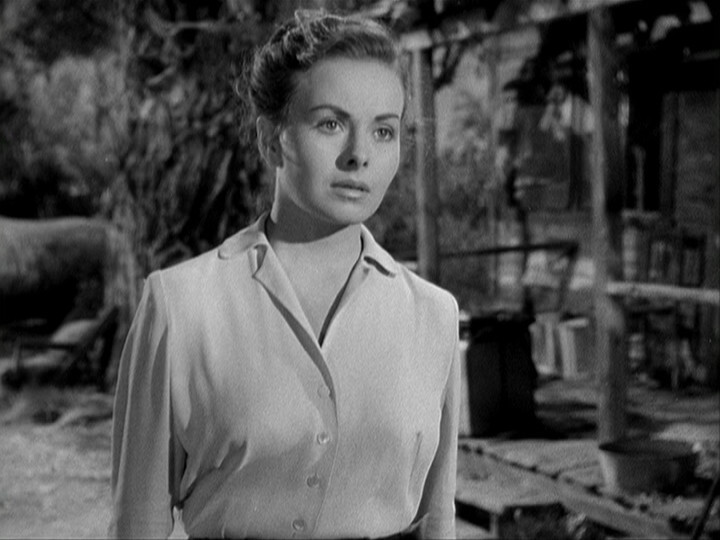
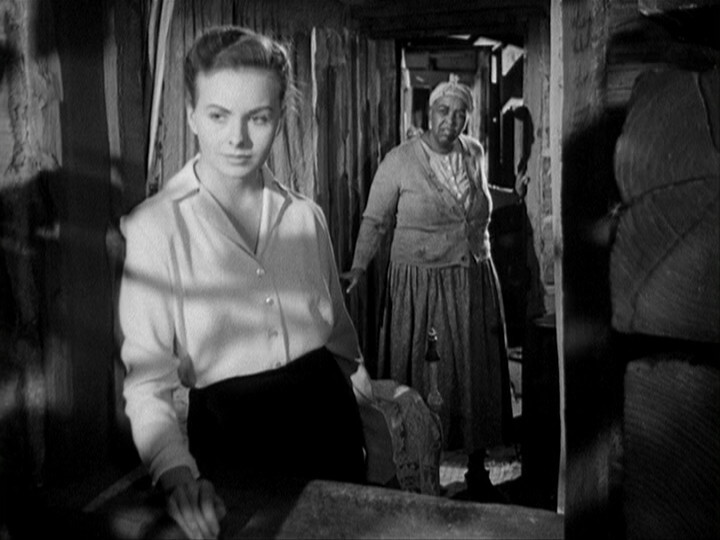
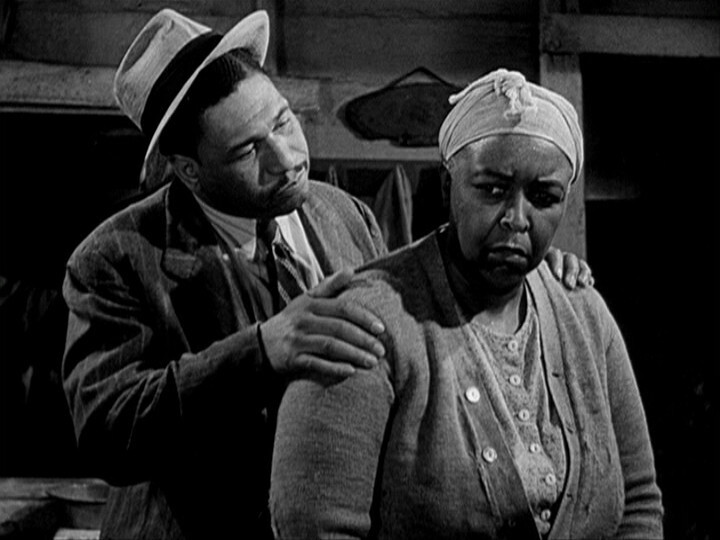
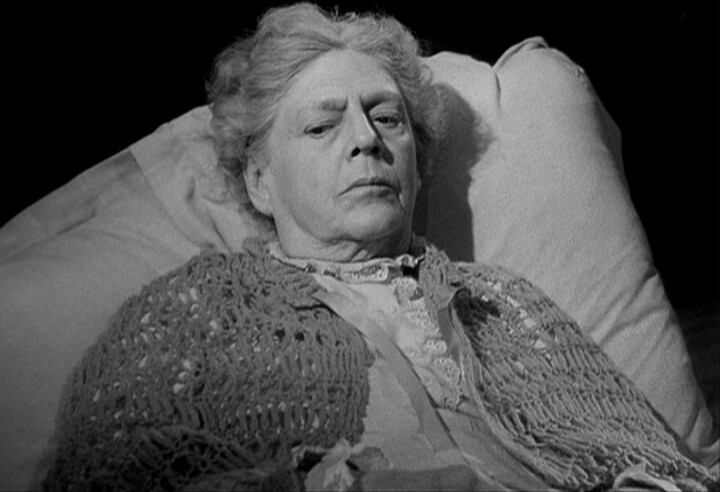
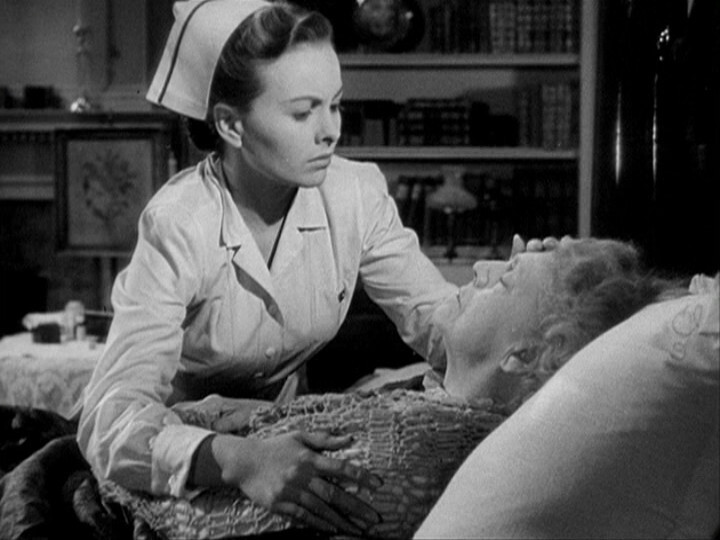
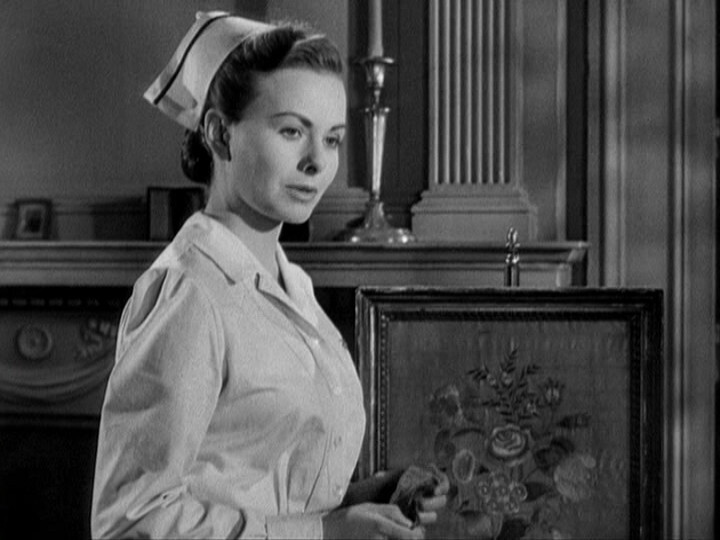
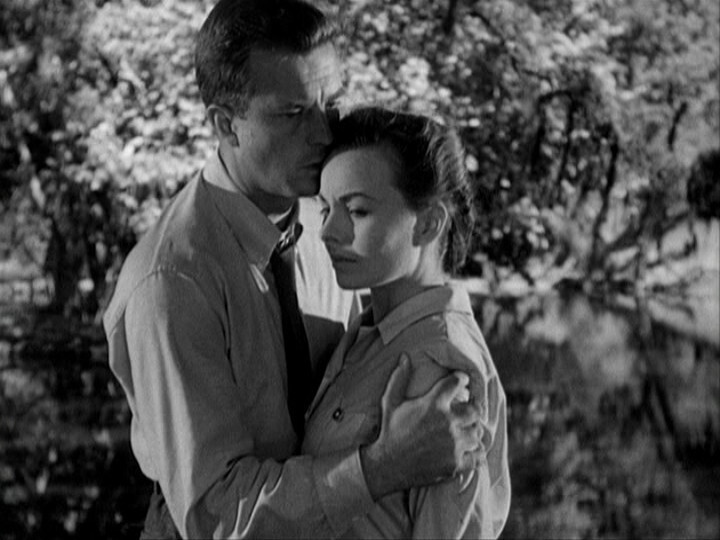
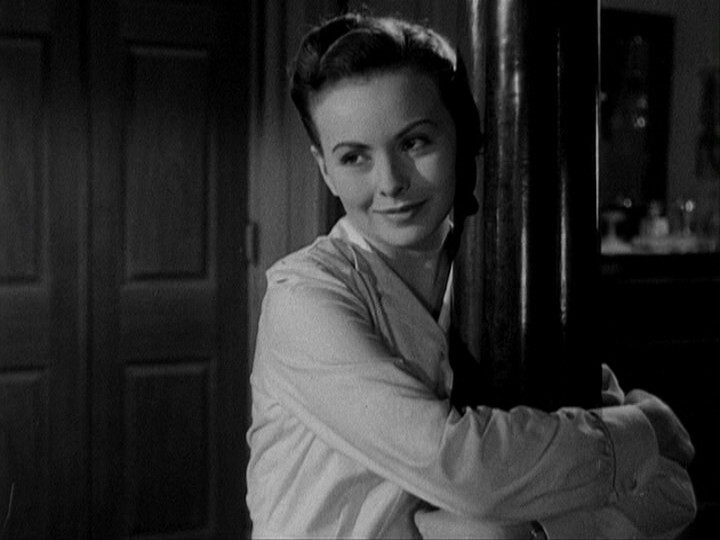
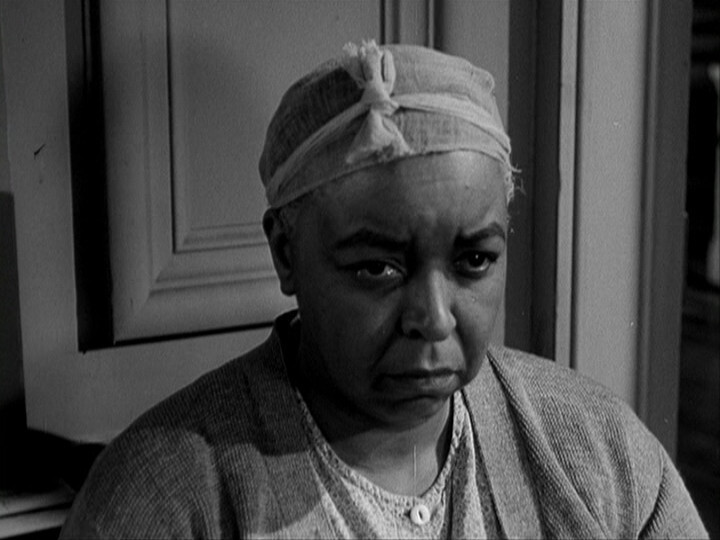
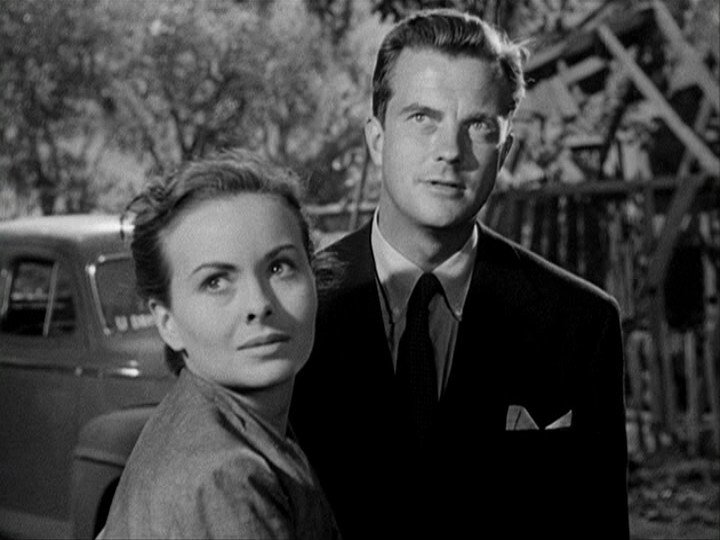
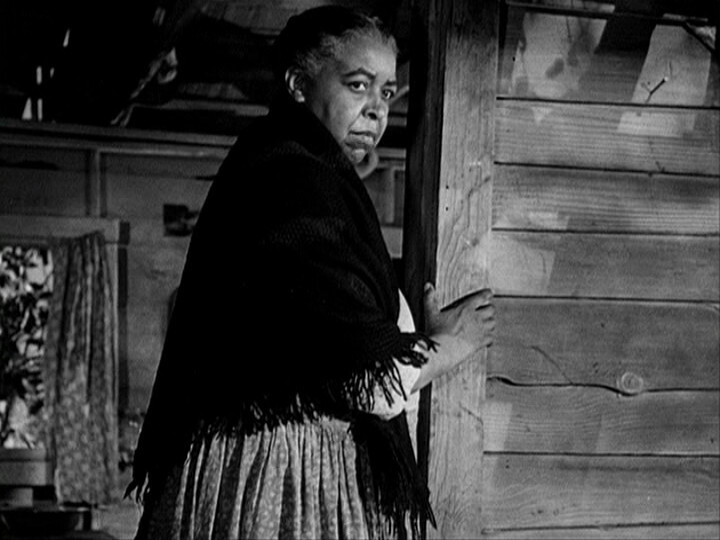
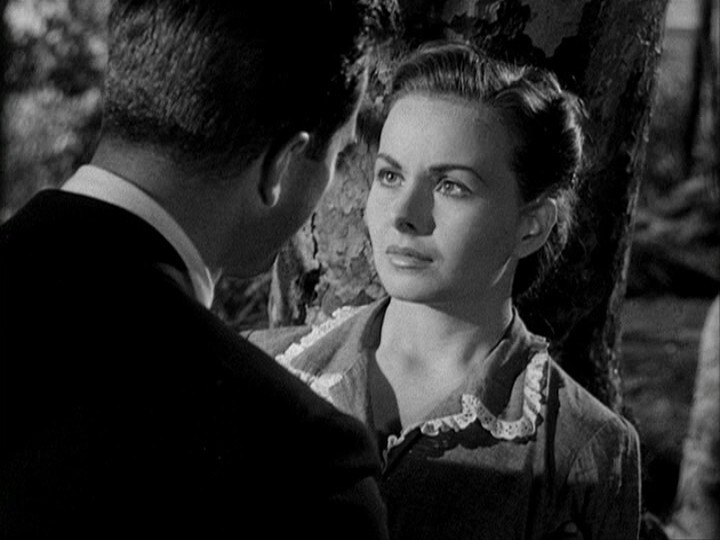
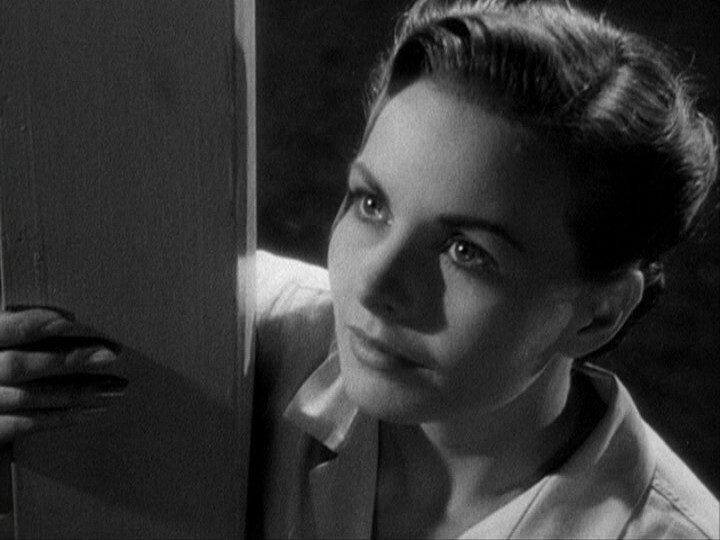
What a rollercoaster. I kinda hated the start, then I adored the middle bits with the interaction between the four central characters (Ethel Barrymore, Jeanne Crain, Ethel Waters, Evelyn Varden), which is just all kinds of amazeballs: The mischievous Miss Em and the (semi-)instant rapport with Pinky is really fun to watch.

And then there’s trial which is just kinda… not fun? And Judge Whatsisname (Pinky’s lawyer), who’s portrayed as a wise character, but doesn’t… contribute anything? And then what he says when the trial’s over? What? Is Kazan trying to say “all white people suck”? Is that it? Because I don’t think it is, but it’s what this movie does say.

So after giving up on the movie again… Kazan lands the ending!

What!

It’s all kinds of confusing; it feels like a Frankenstein monster of a movie.

So it’s google time again.

John Ford was supposed to direct this:

Ford was forced out of the film due to his clashes with Ethel Waters, the black actress and singer playing Pinky’s grandmother, and his totally ham-handed approach to the film’s nonwhite characters. “It was a professional difference of opinion,” Zanuck later recalled. “Ford’s Negroes were like Aunt Jemima. Caricatures. I thought we were going to get into trouble.”

[…]

The NAACP read the script for Pinky at Zanuck’s request, although it wasn’t a five-star review. Roy Wilkins, the editor of the NAACP magazine Crisis, criticized the “underlying theme that agitation was wrong… [that] good-will will eventually correct matters, and — most dangerous of all — [that] segregation should be accepted.” He was no fan of Ethel Waters’ character Dicey, whom he called a “female Uncle Tom.” Wilkins’ opinion was essentially the consensus among the NAACP members who reviewed the script. The movie would need retooling, they suggested, to correct Pinky’s “lack of militance.”

[…]

The real trouble started when Pinky arrived in Marshall, Texas. Just days before the movie was scheduled to debut in February of 1950, the city used an old ordinance to form a censorship board and ban Pinky on the grounds that it was “of such a character as to be prejudicial to the best interests of the people of said City.” W.L. Gelling, the manager of the Paramount Theatre, would not cancel his booking. He was going to show the movie anyway, so he was arrested and spent the night in jail. The city of Marshall convicted Gelling of a misdemeanor and fined him $200.

So it’s a proper controversial, important movie. I haven’t been able to google whether any parts of the John Ford scenes survived or not, but it’s a seriously oddball movie that doesn’t quite work. But the bits that work are delightful.

Bad Moon

Bad Moon. Eric Red. 1996.

This movie concludes our Eric Red film festival, and… Red didn’t direct a movie for twelve years after this one, so I’m guessing that it didn’t do well?
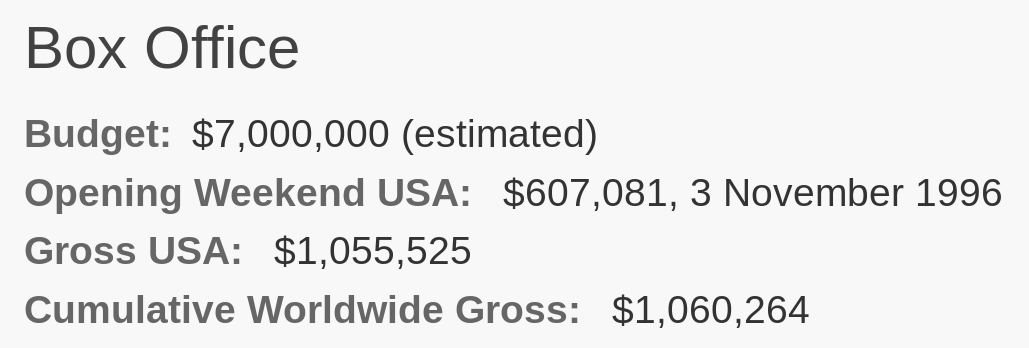
Oh! … ouch…

But it could still be great! Let’s see!

[half an hour passes]

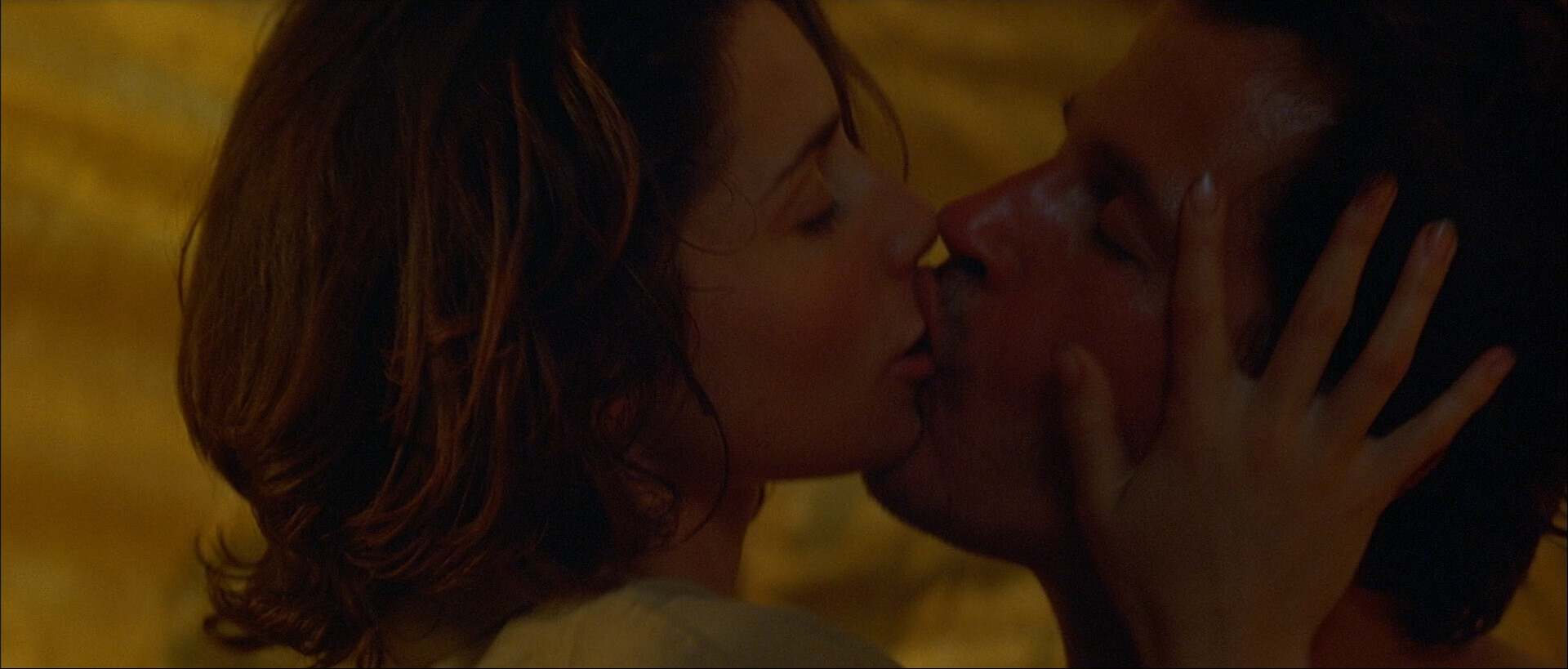
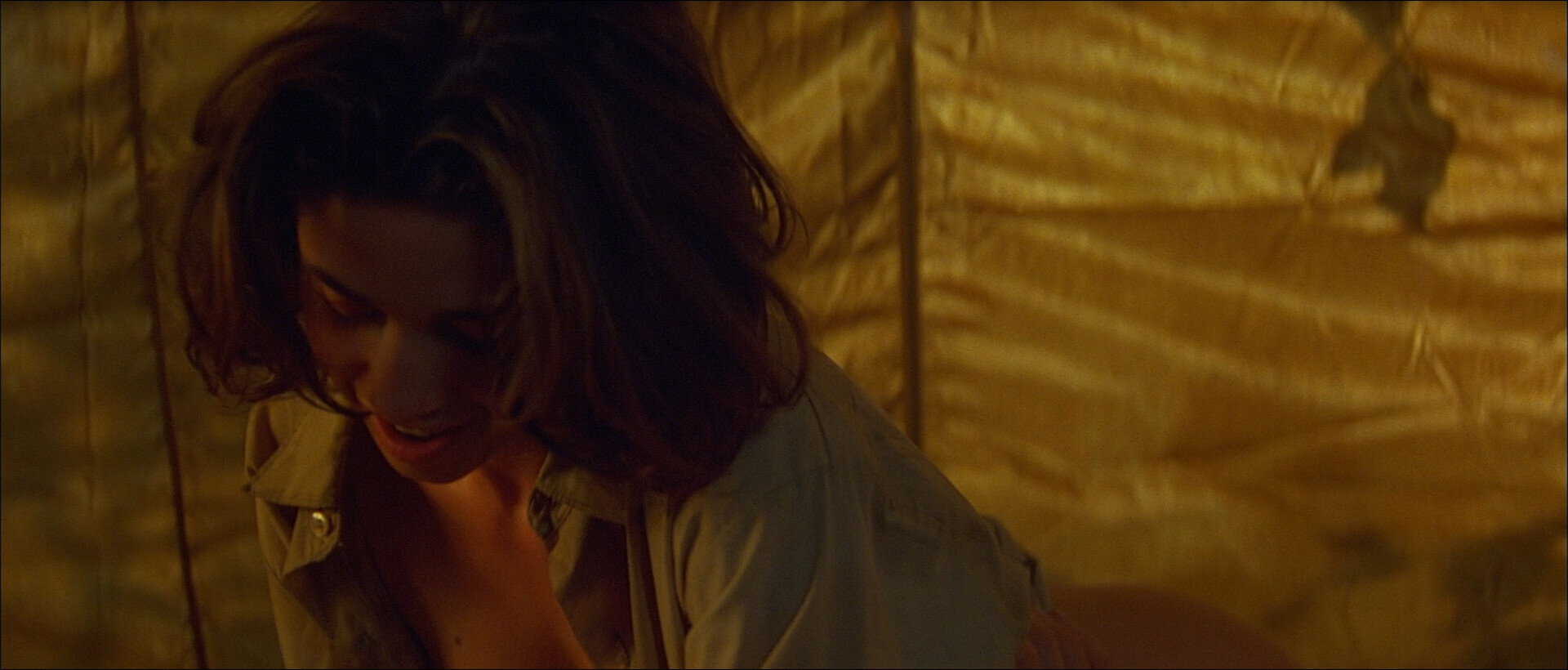
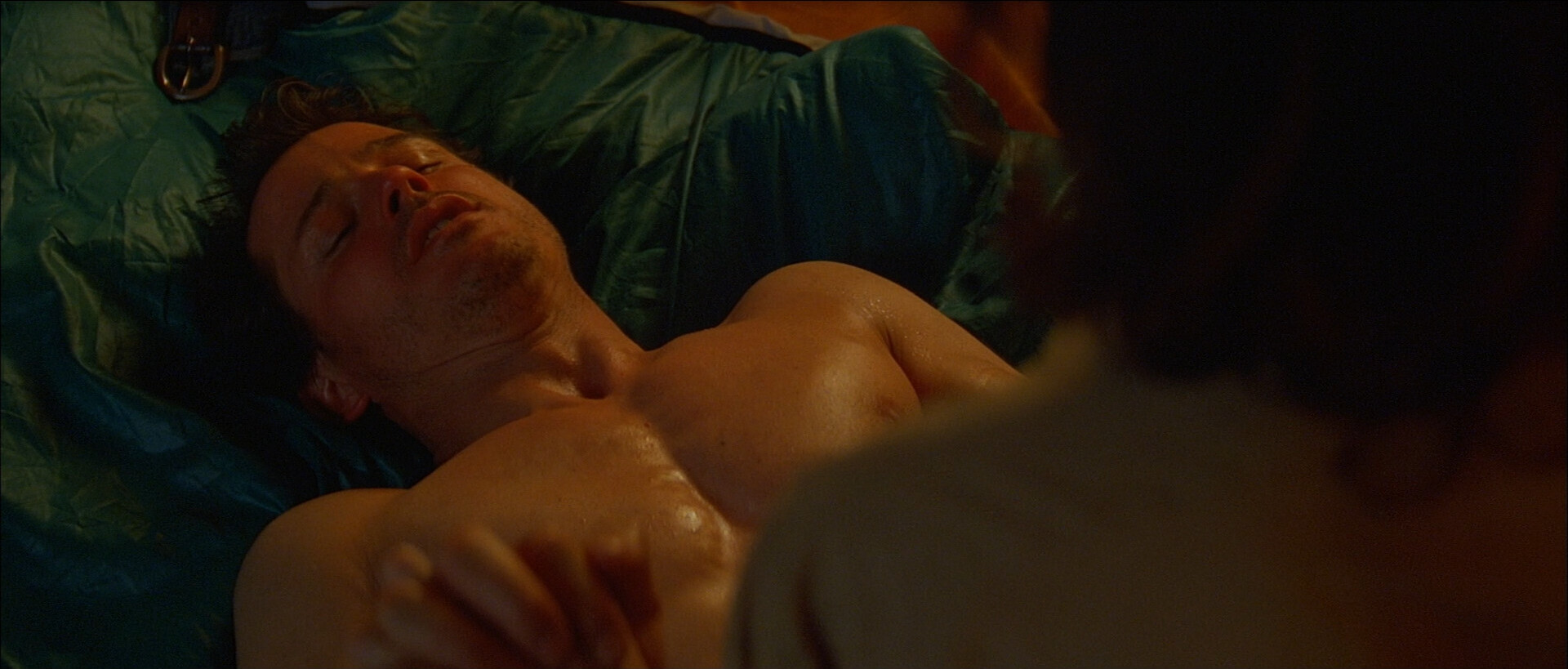
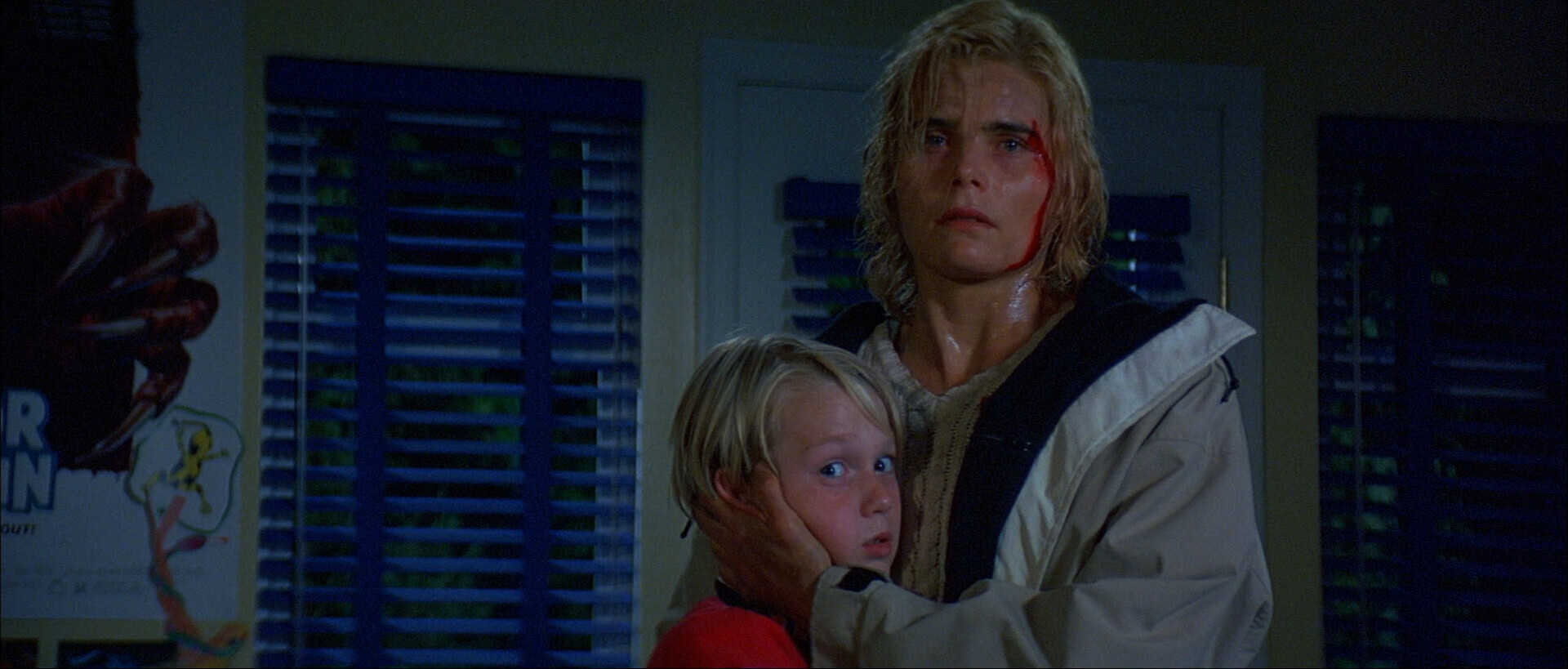
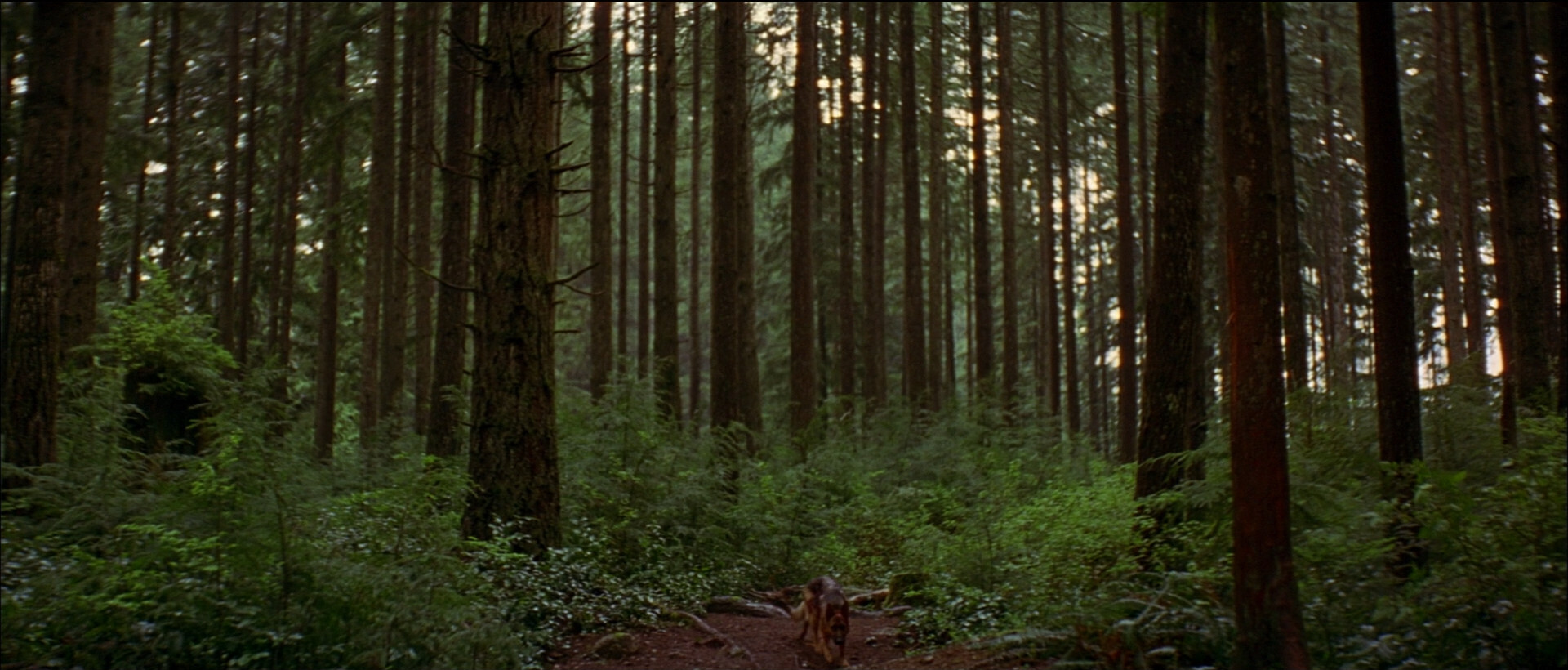
I love the saturated colours here. So much of it takes place in the woods, and the rich green colours look great.

But… we’re more than one thirds in and I don’t feel the movie has started? I mean, stuff has happened, but it feels like we’re still waiting for something? That’s not a great feeling.

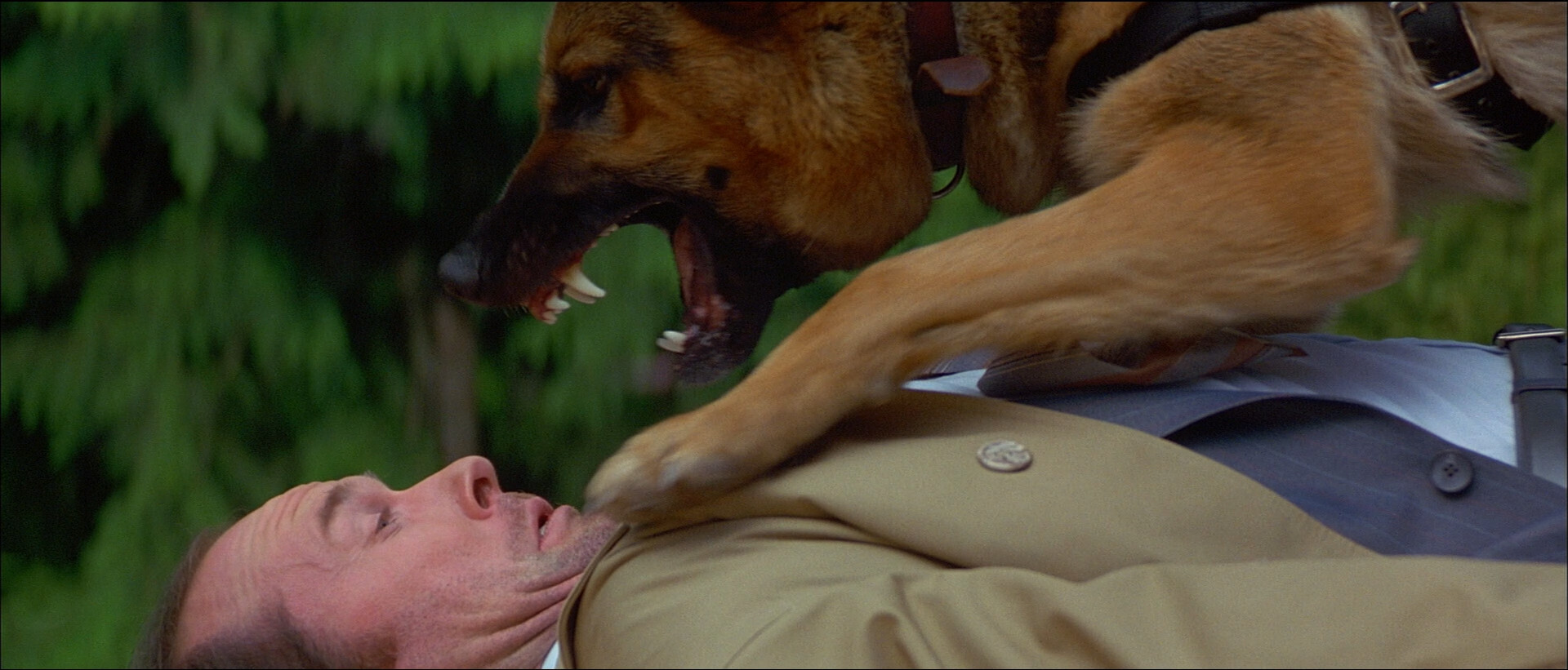
The cast is so-so, and it’s all pretty so-so. But at least we get that Eric Red staple: A woman killed in front of her boyf… just for fun, right? Right? Oh, and the squash-o-vision (that’s a technical term) repeated from Body Parts, but this time when we’re watching from the point of view of the dog. It looked stupid in Body Parts, and it looks stupid here.

[twenty minutes pass]

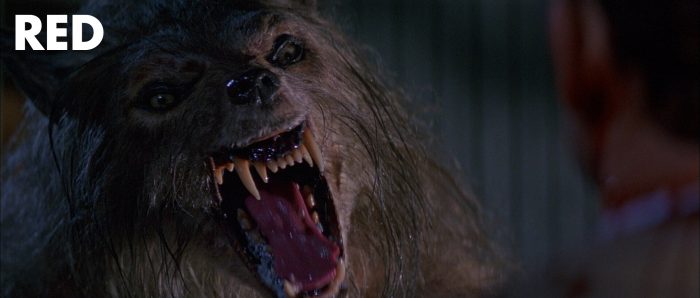
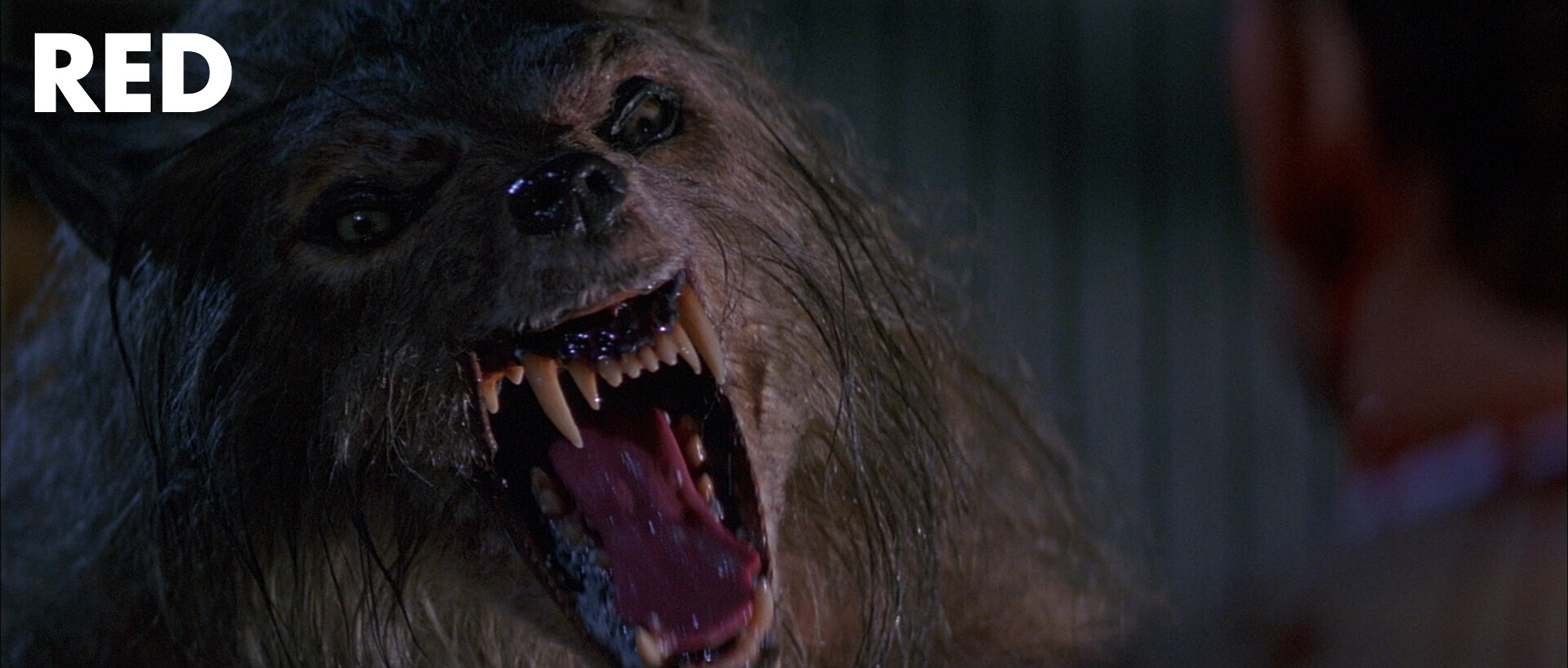
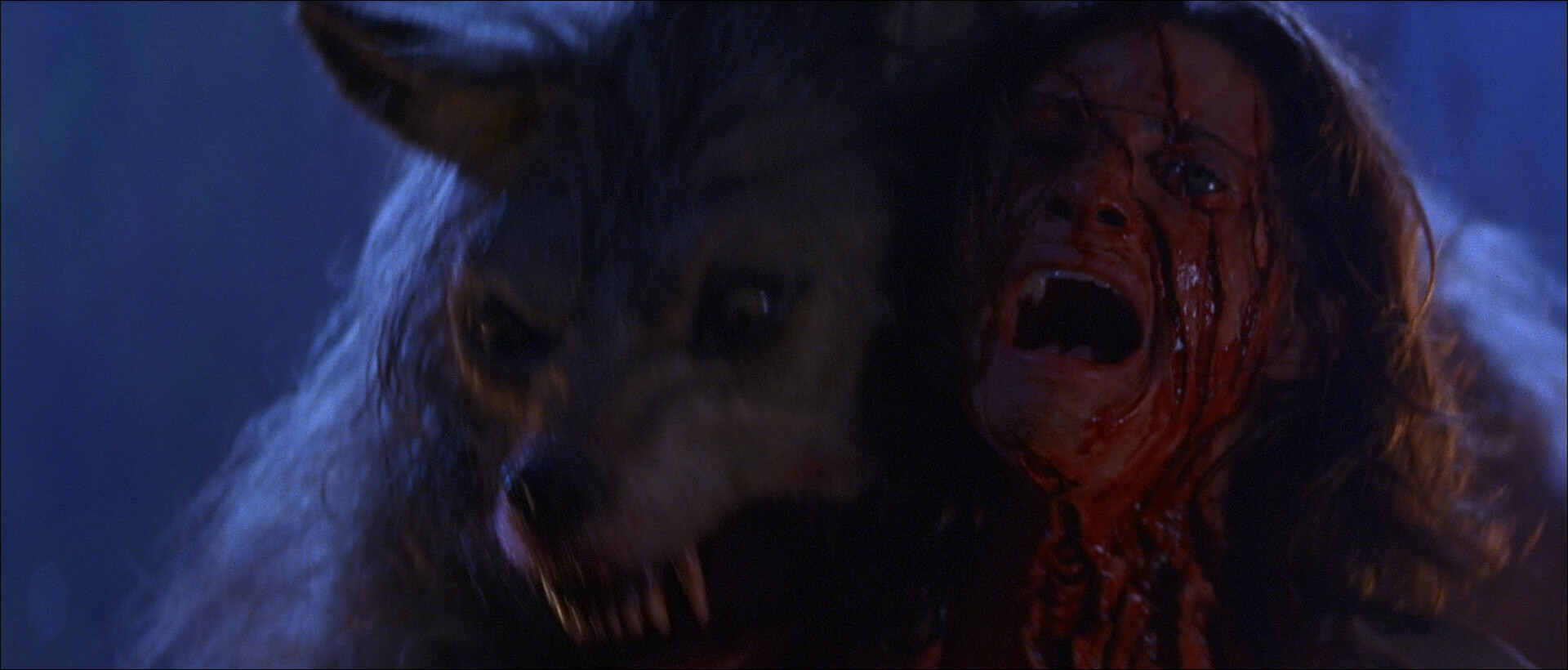
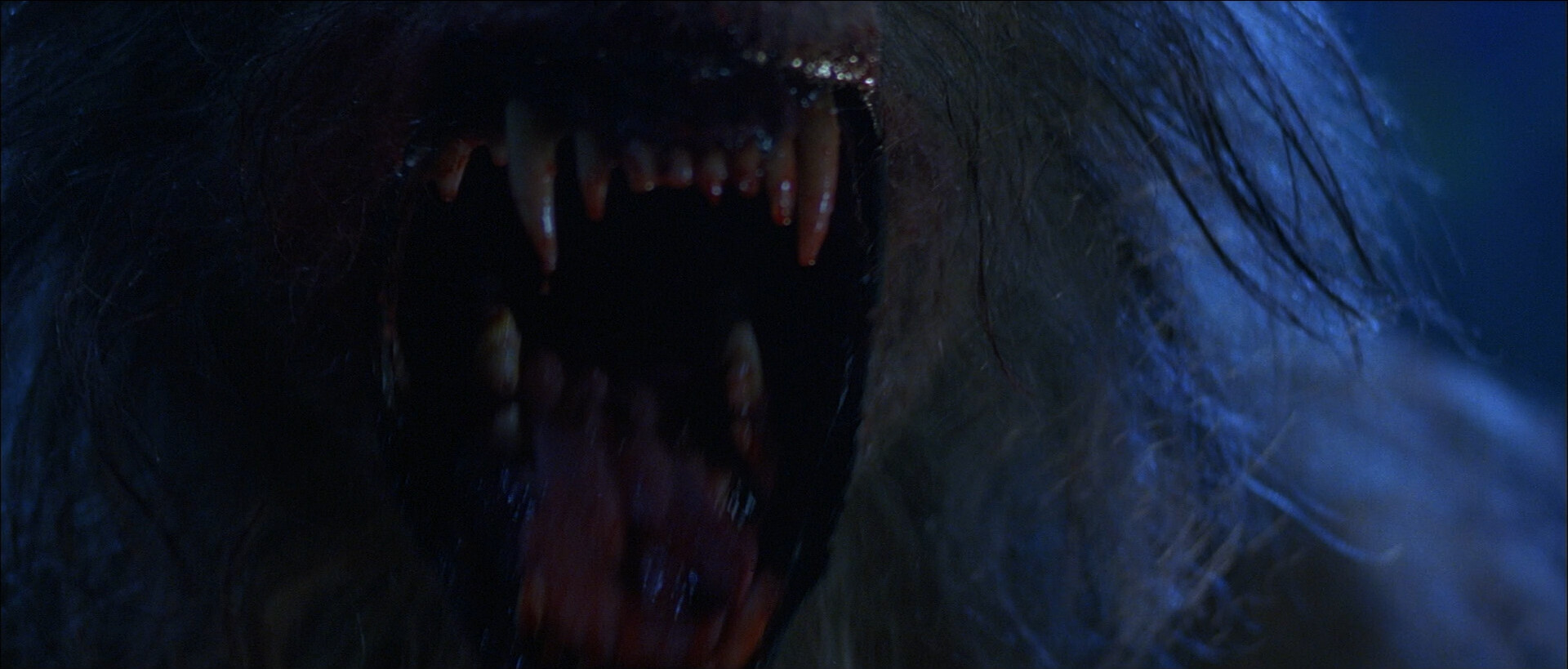
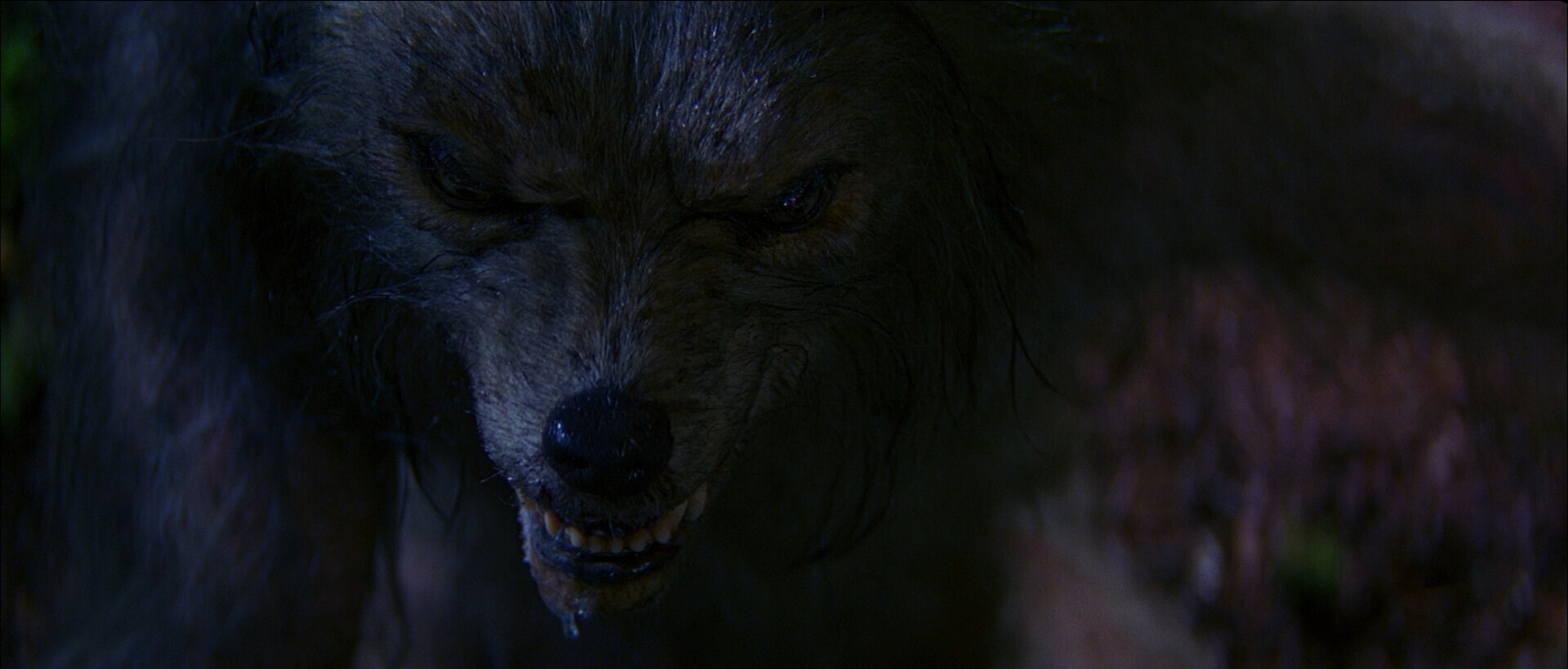
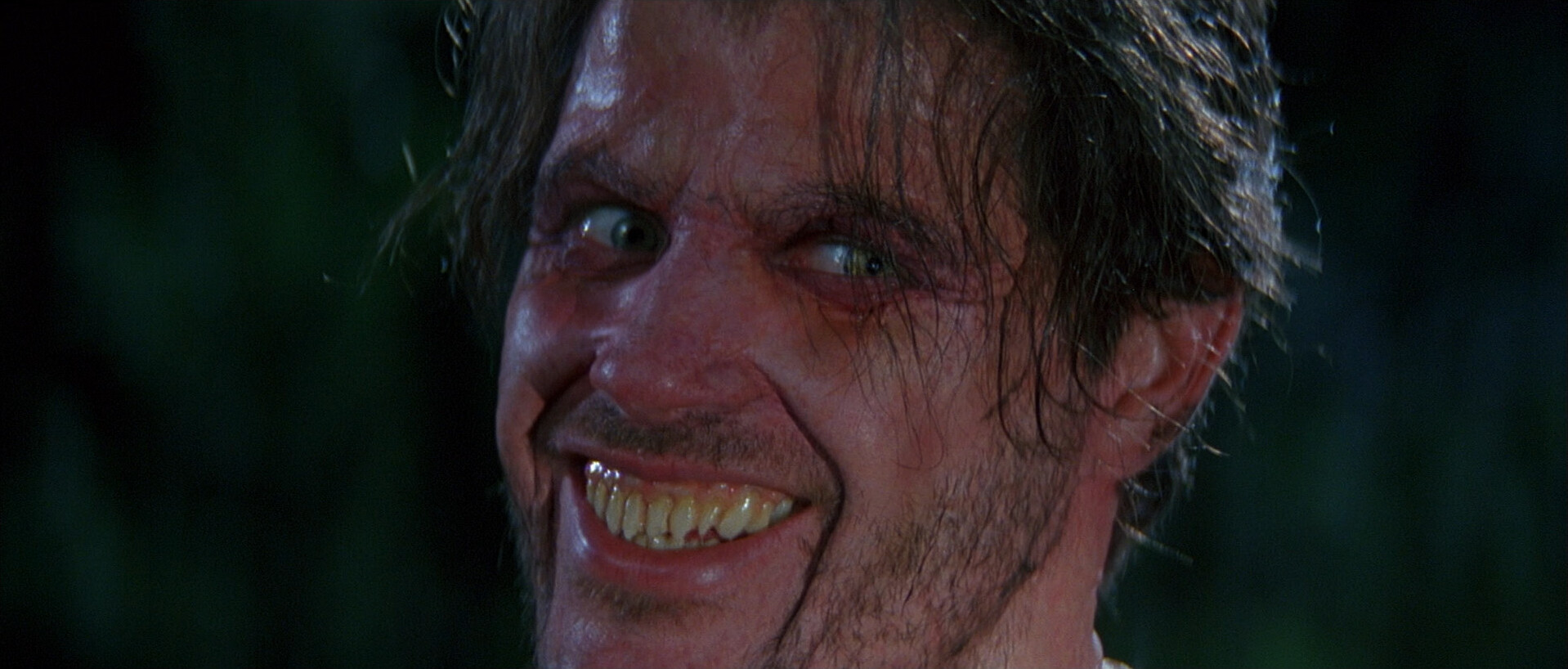
I really admire the commitment the filmmakers have to using practical effects. The werewolf’s head looks great, for instance. But whenever the werewolf moves, it looks exactly like a guy in a rubber suit. In a very stiff rubber suit with a bunch of electronics. And the guy has problems moving under all that, so he’s moving around like an 80 year old guy with arthritis.

And then… the transformation… which is “digital”? It’s the cheapest, ugliest thing that has been shown in a movie.

Everything about the wolf is painful to watch. It’s not even risible; it’s beyond that and way over into embarrassing. You just feel bad for the people who worked on this.

[the end]

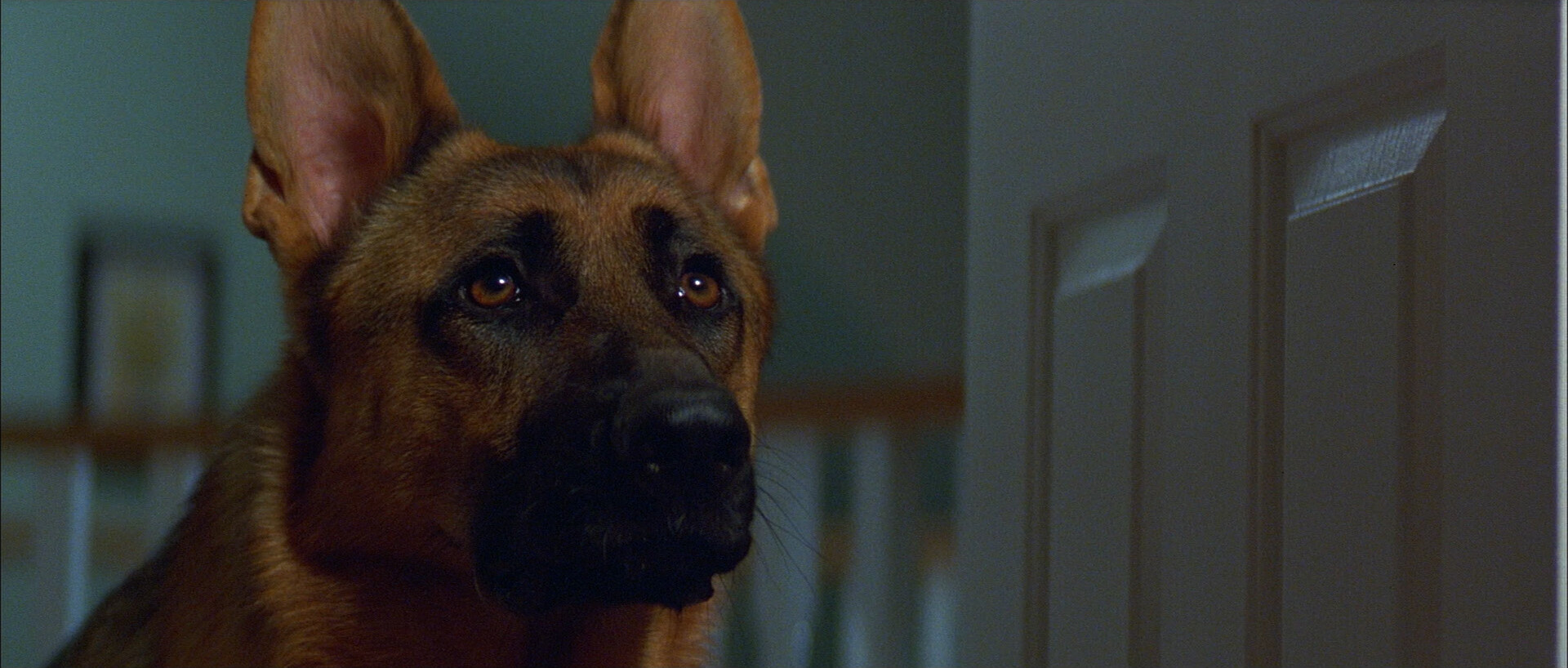
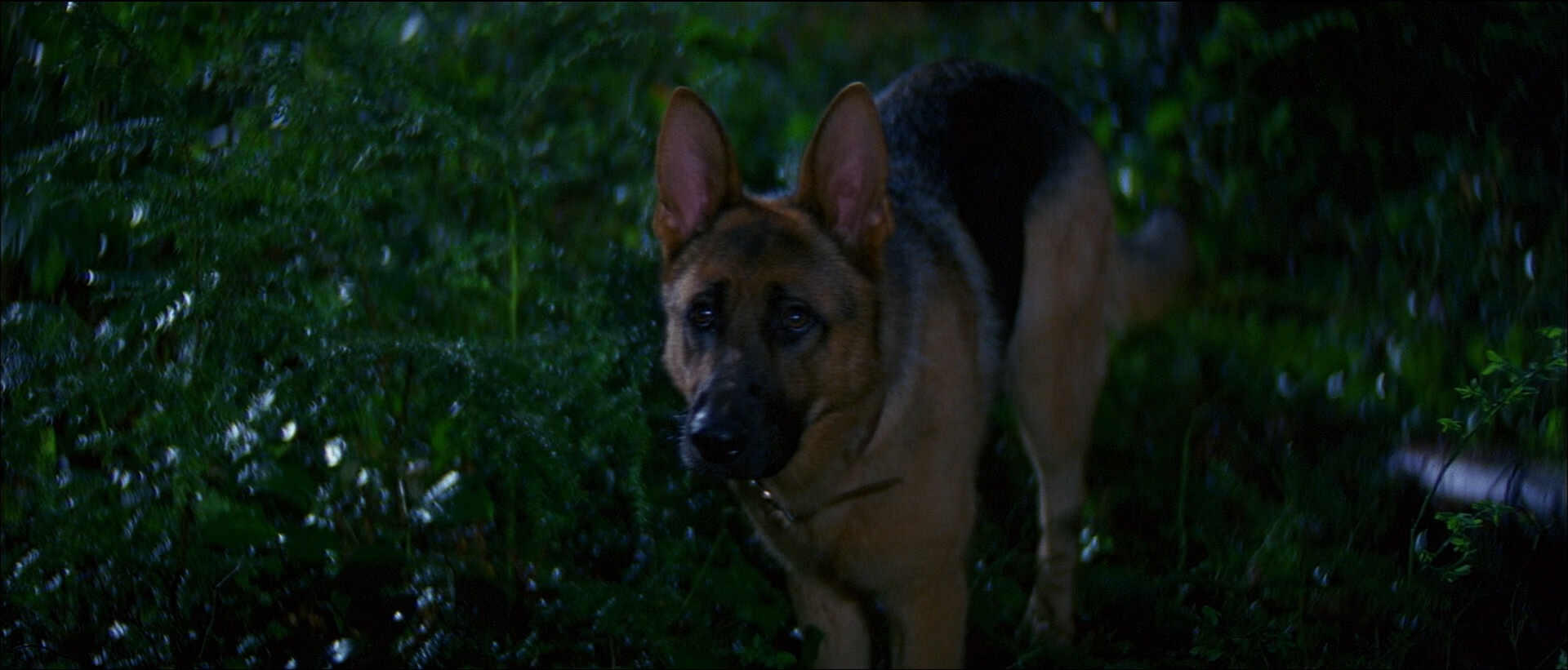
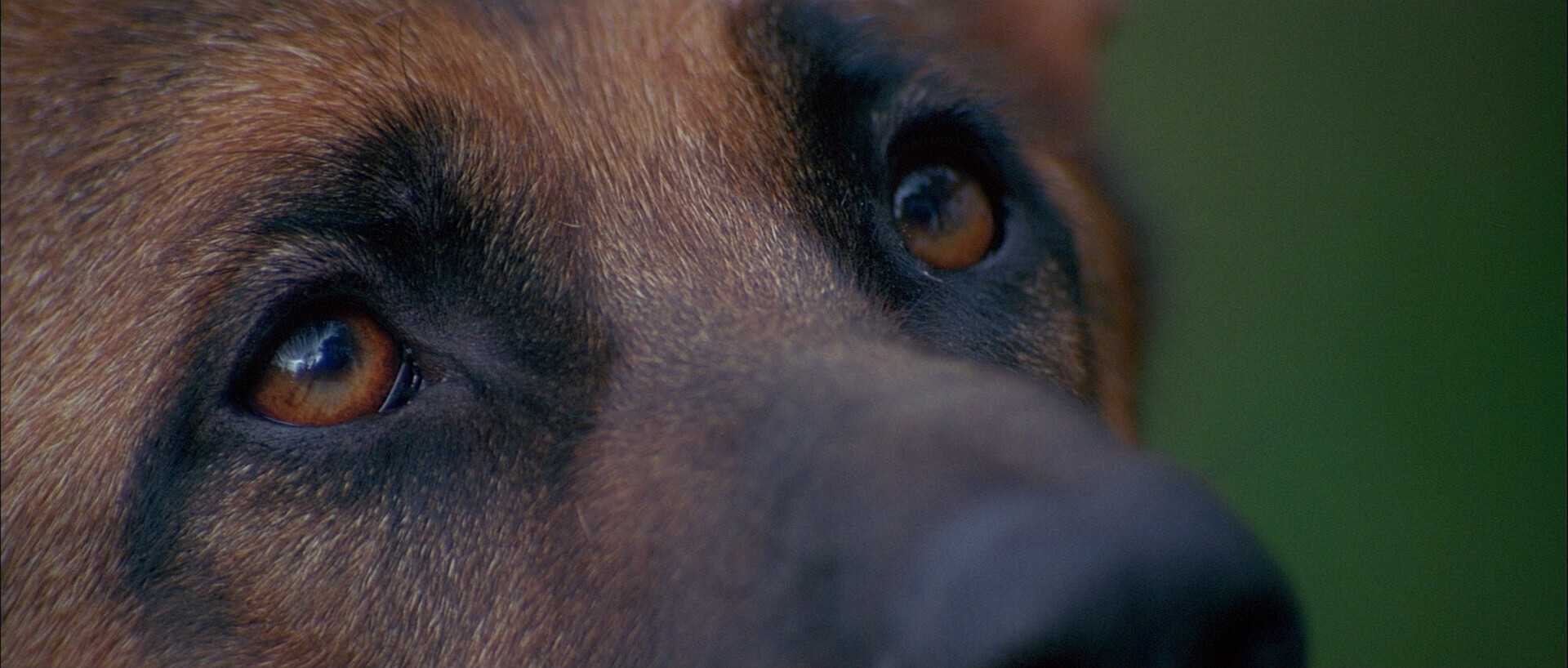
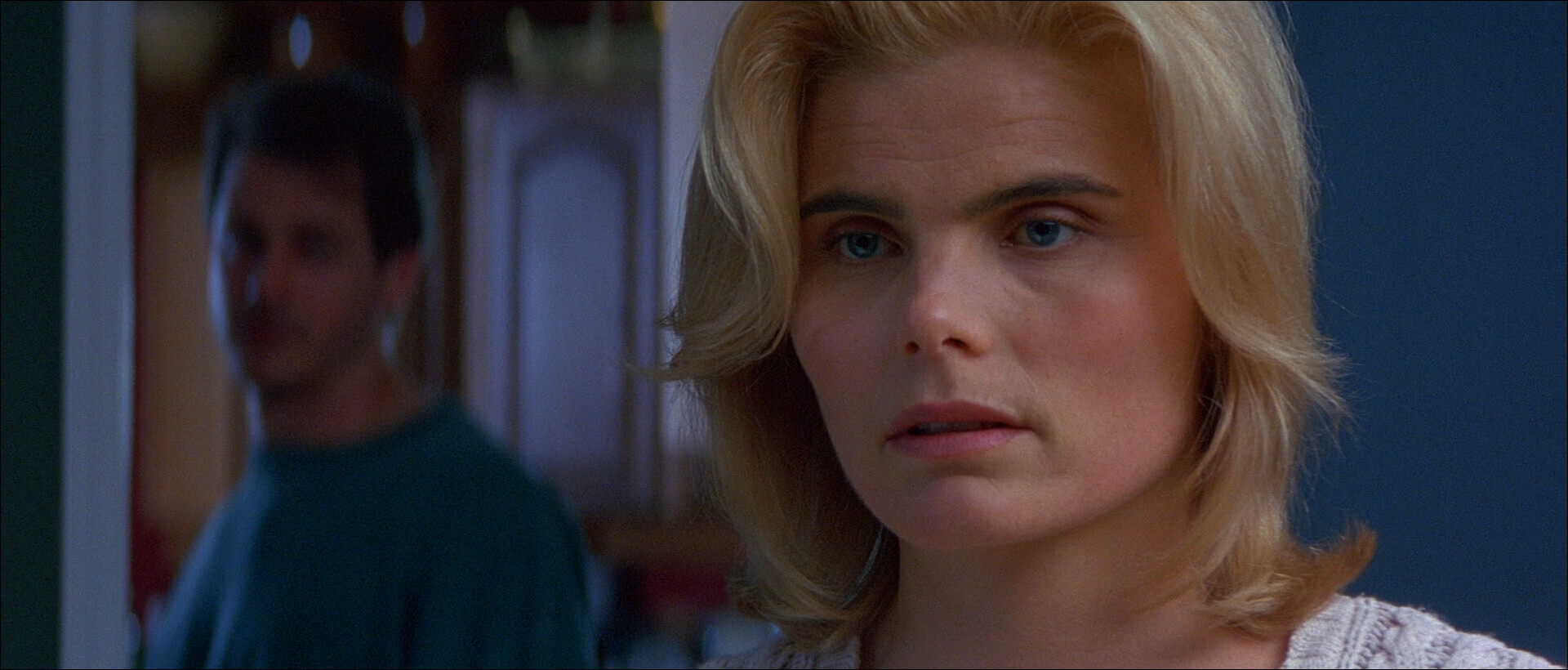
When a movie is this bad, is it a or a ? It’s kinda academic, because I’m saying “this is bad”, so it’s just… bad or really bad? It’s really bad. But there’s three things I like: 1) The quality of the images (the popping but well-composed colours; it’s just pleasant to look at), 2) Mariel Hemingway, and 3) that dog. It’s a good dog.

So I’m -ing this, but I understand why others would not find those three elements compelling.

Like I said at the start here, Red has directed one feature after this (and some TV and video stuff): 100 Feet. So how did that go?

Oh deer.

I didn’t get that one? I think? It may still be stuck in the mail; that’s kinda irregular because of The Situation, but I think I may just have forgotten.

So this is the end of the Eric Red festival! And… I’m disappointed. Near Dark is a classic, of course, and The Hitcher is really exciting.
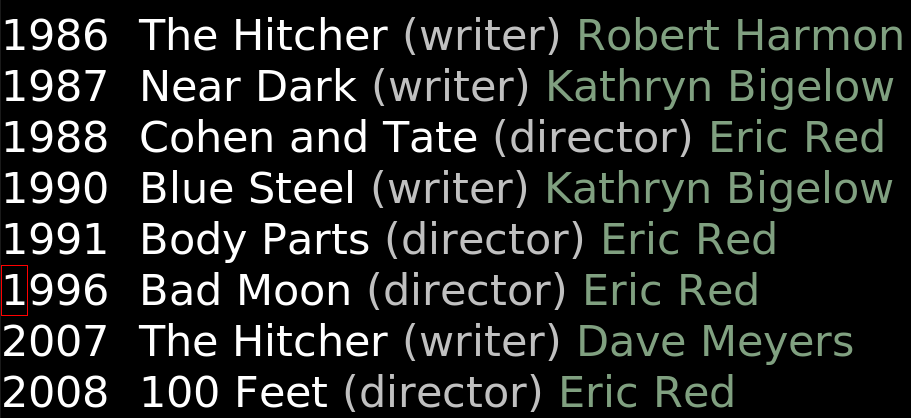
But then all the other movies … suck. Sorry. I don’t know a more eloquent way to put it. They all suck.

And I don’t quite know why. Listening to the commentaries on these blurays (and most of these have been magnificently restored by Shout! Factory and others), these people seem so enthusiastic about these crappy movies that I almost feel they’re gaslighting me, absurdly enough.

He’s got top-notch, smart technical people working with him, and they’re all convinced (at least for these documentaries) that these movies are good.

I think the key clue here is something Red said in one of these: He doesn’t have an agenda; he just wants to make entertaining movies. That means that there’s really no reason for these movies to exist? There’s nothing here, just somebody wanting to make a movie without having something to say.

And listening to Red talking about how he used a “director’s trick” on Hemingway, because she’s a “limited actress”: Making her do take after take until she was furious with Red, just to make her do an over-the-top horror acting job…

Fuck that guy.