










Gentleman’s Agreement

Gentleman’s Agreement. Elia Kazan. 1947.

Elia Kazan is a name that’s always been there, but isn’t somebody who’s movies I’ve searched out. I’ve always thought of him as a tough-guy left-wing New Jersey director, which probably isn’t completely accurate.

But I watched A Tree Grows in Brooklyn last year, and it was awesome, so I bought a 2K box set.

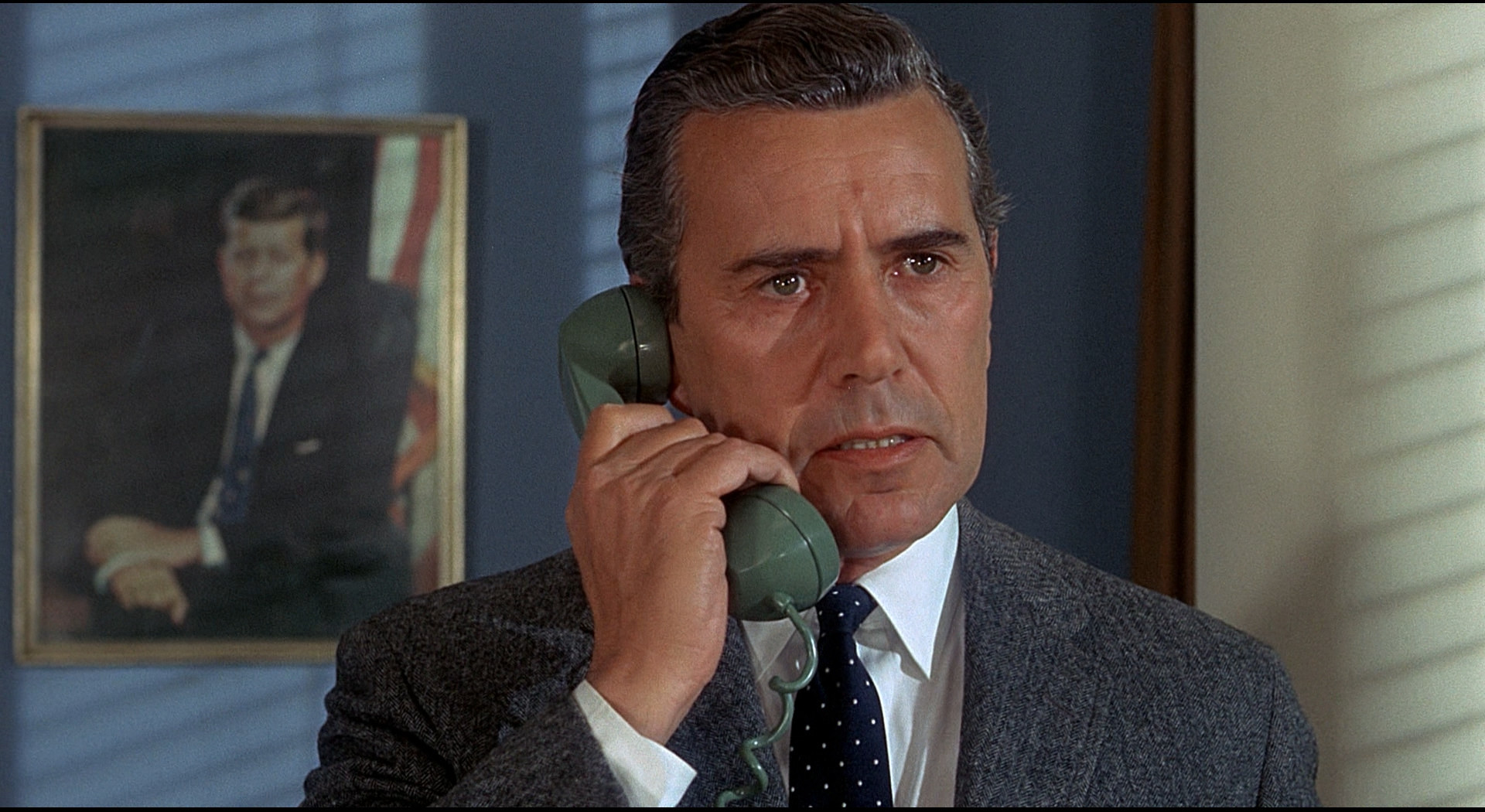
This is the first movie on the set, and it’s about a journalist (Gregory Peck) struggling to write an article about anti-semitism.

I admire the filmmakers for making this movie, and especially in 1947. It’s well made, transparently filmed, unannoyingly put together (i.e., not with an irritating score). It won all the Oscars.

(Can you hear the “but” coming?)

But.
I feel that Peck just doesn’t do the role very convincingly, and so much here depends on his journey. He’s better when he can grand-stand in a slightly more stylised setting. Perhaps somebody like Cary Grant would have given this a lighter touch… The other characters deliver one speech after another… which can totally work, but since the setting is so pedestrian it just feels incongruous.

Oh:

The role of Phillip Green was first offered to Cary Grant, but he turned it down. Peck decided to accept the role, although his agent advised him to refuse, believing Peck would be endangering his career.

Peck is absolutely amazing in the denouement of the hotel check-in scene, though.

Tinta Roja

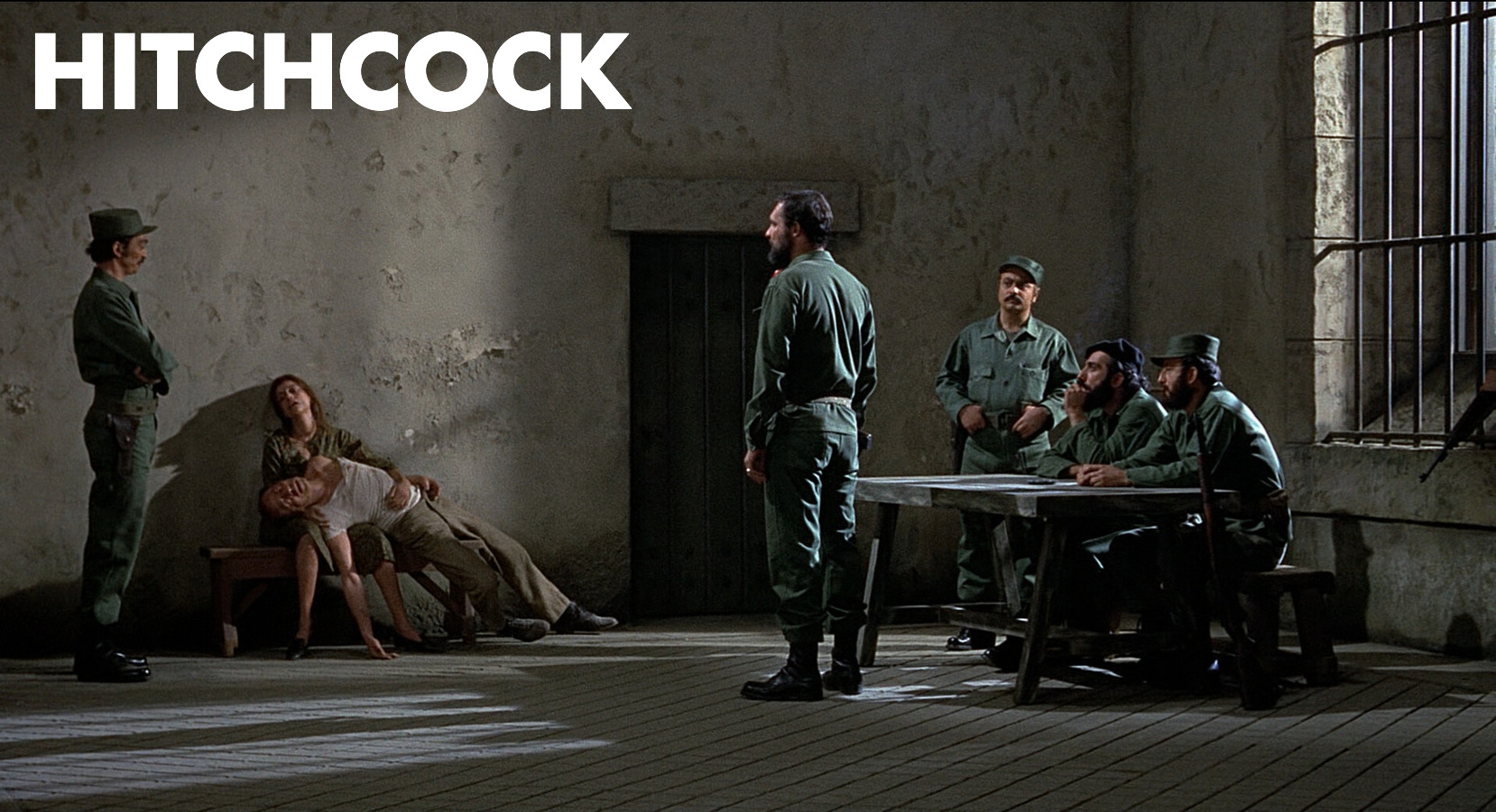
Tinta Roja. Francisco J. Lombardi. 2000.

Oh, right; this was the Peruvian movie that was recommended to me some years ago. Hey, things take time.

This is the story about a young, naive guy starting work as an intern at a newspaper. He gets taken under the wings of an old, wise guy, I mean, an old wiseguy, and then character development happens.

There are scenes in here I like, and glimpses into er culture? that I’m not sure have been made especially for this movie or is really a thing. Like this dance thing where the guy tries to light the napkin the women have tied to their asses:

Yes, that’s odd, and this is an odd movie. It’s rather bewildering what the point of view of the movie is: Are we supposed to admire these journalists, or be repulsed by them, or just go “ah, journalists”?

I liked the structural touch of bringing things full circle, but then they made absolutely everything come full circle plot-wise, too, which is a bit *rolls eye oops too much fell out*

Le signe du lion

Le signe du lion. Éric Rohmer. 1962.

I’ve really enjoyed all the Rohmer movies I’ve seen, but I’ve only seen random handful of his 90ish movies. And he’s a Nouvelle Vague director, of course, so now I’m excited to go back to his first movie. (I bought an “integrale” from France which has English subtitles, fortunately. 2K!)

Jess Hahn does an important role, which is an odd choice, because even I can hear that he can barely speak French. It kinda sounds like he’s memorised his lines phonetically? But, I mean, I don’t know from French so perhaps he speaks perfectly.

I found it a bit hard to connect with this movie. Perhaps, in a way, because it’s just too sad. It’s basically about layabout and a sponger who’s getting to be old enough that his acquaintances are no longer charmed. The saddest part of it is that he’s not charming, he’s not funny and he’s not purdy, so Rohmer is really asking a lot of the viewer. I’m guessing that’s very much on purpose.

One note: I don’t quite understand the money bits in the translation. One guy says “dix mille francs”, and it’s translated as “hundred francs”. And:

Milliardaire is translated as “millions”, while it’s really billions.

*scratches head*

Is this something do to with new/old Francs? But dix mille -> 100 is one less zero than billion -> million…

Confusing! Especially since so much of this movie is about L’Argent.